
Acid stomach, a common ailment often described as a burning sensation or discomfort in the upper abdomen, is more than just a fleeting discomfort for many. It’s a signal that something is amiss with the digestive process, specifically involving the potent acids produced by our stomach to break down food. While the term “acid stomach” is often used colloquially, it encompasses a range of conditions related to excess stomach acid or the malfunction of the digestive system’s natural barriers.
This article will delve into the intricacies of acid stomach, exploring its underlying causes, common symptoms, and the diverse approaches to managing and mitigating this prevalent digestive issue. Given the broad scope of our website, we’ll also touch upon how technology, strategic brand messaging, and financial considerations can indirectly influence our well-being and, consequently, our digestive health.
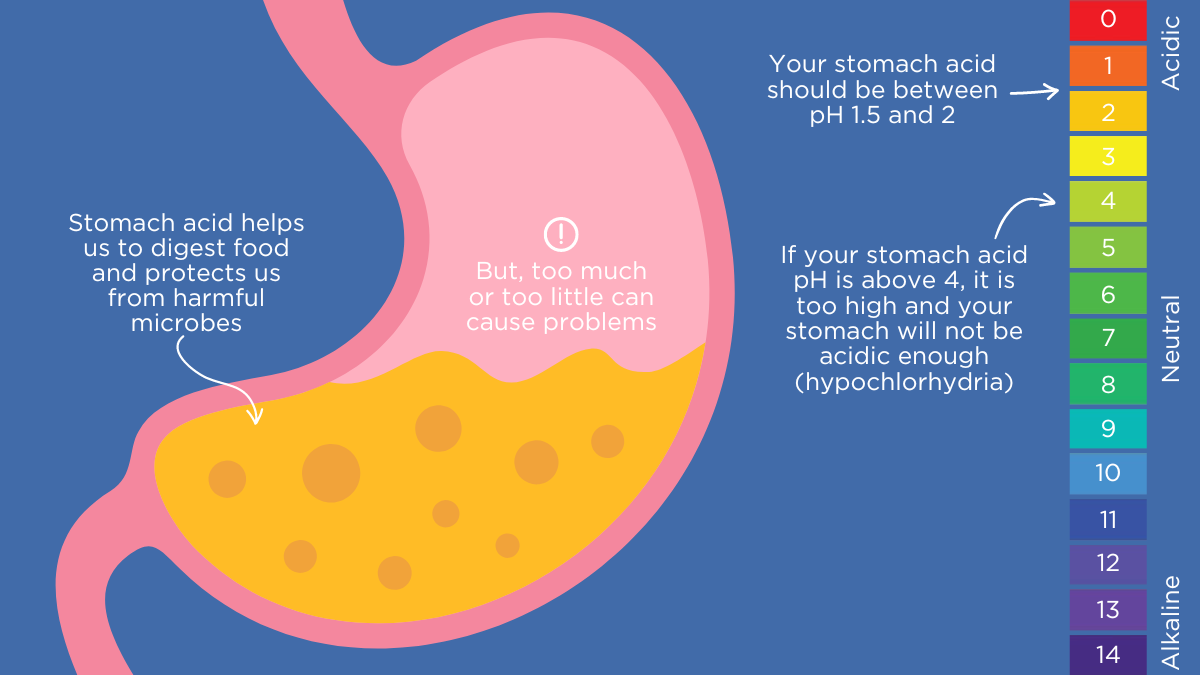
Understanding the Digestive Process and Acid’s Role
To grasp what acid stomach entails, it’s crucial to understand the fundamental role of stomach acid in digestion. Our stomach lining secretes gastric acid, primarily hydrochloric acid, which is essential for several vital functions:
- Food Breakdown: Stomach acid is a powerful digestive agent. It begins the breakdown of proteins into smaller peptides, making them easier for enzymes to process further down the digestive tract.
- Nutrient Absorption: It aids in the absorption of certain nutrients, such as vitamin B12 and iron.
- Pathogen Defense: The high acidity of the stomach acts as a barrier against ingested pathogens, such as bacteria and viruses, killing them before they can cause infection.
This acid, while incredibly useful, is also corrosive. Therefore, the stomach possesses a sophisticated defense mechanism: a thick layer of mucus that lines its walls, protecting the delicate tissues from self-digestion. When this protective barrier is compromised, or when acid production becomes excessive, it can lead to the uncomfortable symptoms associated with acid stomach.
Common Causes of Acid Stomach
The reasons behind acid stomach are varied, stemming from dietary habits, lifestyle choices, underlying medical conditions, and even psychological factors. Understanding these triggers is the first step towards effective management.
Dietary and Lifestyle Triggers
Certain foods and beverages are notorious for their ability to stimulate excess stomach acid production or weaken the lower esophageal sphincter (LES), the muscular valve that prevents stomach contents from flowing back into the esophagus.
- Spicy Foods: Capsaicin, the compound that gives chili peppers their heat, can irritate the stomach lining and increase acid production.
- Fatty and Fried Foods: These foods are digested more slowly, leading to increased stomach distension and prolonged acid exposure. They can also relax the LES.
- Acidic Foods and Drinks: Citrus fruits, tomatoes, coffee, tea, and carbonated beverages can directly contribute to acidity in the stomach and esophagus.
- Alcohol: Alcohol can irritate the stomach lining and relax the LES.
- Caffeine: Found in coffee, tea, and some sodas, caffeine can stimulate acid production.
- Mint: While often associated with soothing digestion, peppermint can actually relax the LES, allowing acid to reflux.
- Overeating: A distended stomach exerts more pressure on the LES, making reflux more likely.
- Eating Too Close to Bedtime: Lying down soon after a meal makes it easier for stomach acid to flow back into the esophagus due to gravity.
- Smoking: Nicotine can weaken the LES and increase stomach acid production.
- Obesity: Excess weight puts pressure on the abdomen, pushing stomach contents upward.
- Stress and Anxiety: The mind-body connection is powerful. Chronic stress can alter digestive function, leading to increased acid production and delayed stomach emptying.
Underlying Medical Conditions
While lifestyle factors play a significant role, acid stomach can also be a symptom of more complex medical conditions:
- Gastroesophageal Reflux Disease (GERD): This is a chronic condition where stomach acid frequently flows back into the esophagus. It’s characterized by frequent heartburn and other symptoms. Acid stomach is often a manifestation of GERD.
- Peptic Ulcers: Sores that develop on the lining of the stomach, small intestine, or esophagus. These are often caused by the H. pylori bacterium or long-term use of NSAID pain relievers. Excess acid can exacerbate ulcer pain.
- Gastritis: Inflammation of the stomach lining, which can be caused by infection, medication, or autoimmune responses.
- Hiatal Hernia: A condition where a portion of the stomach pushes up through the diaphragm. This can weaken the LES and contribute to reflux.
- Zollinger-Ellison Syndrome: A rare condition characterized by the development of tumors in the pancreas or duodenum that produce excessive amounts of gastrin, a hormone that stimulates stomach acid production.
Symptoms of Acid Stomach
The symptoms of acid stomach can range from mild and intermittent to severe and persistent. Recognizing these signs is crucial for seeking appropriate relief and medical attention.
Common Symptoms
- Heartburn: The most classic symptom, often described as a burning sensation that rises from the upper abdomen into the chest, sometimes reaching the throat. It typically occurs after meals, when lying down, or bending over.
- Regurgitation: The sensation of sour or bitter fluid backing up into the throat or mouth.
- Sour Taste in the Mouth: A lingering unpleasant taste due to refluxed stomach contents.
- Chest Pain: While often mistaken for cardiac pain, acid-related chest pain (non-cardiac chest pain) can be a symptom of significant acid reflux. It’s crucial to rule out heart problems with a medical professional if you experience chest pain.
- Difficulty Swallowing (Dysphagia): In more severe cases, inflammation and irritation in the esophagus can make swallowing painful or difficult.
- Nausea: Feeling sick to your stomach.
- Bloating and Belching: Excess gas and frequent burping can accompany acid stomach.
- Sensation of a Lump in the Throat: A feeling of something being stuck in the throat, often referred to as a globus sensation.
When to Seek Medical Advice
While occasional acid stomach can be managed with over-the-counter remedies, persistent or severe symptoms warrant a visit to a healthcare professional. You should consult a doctor if you experience:
- Frequent or severe heartburn that doesn’t improve with over-the-counter medications.
- Heartburn that occurs more than twice a week.
- Difficulty swallowing or painful swallowing.
- Unexplained weight loss.
- Black, tarry stools or vomiting blood (these can be signs of bleeding in the digestive tract).
- Chest pain, especially if accompanied by shortness of breath, sweating, or pain radiating to the arm or jaw (seek emergency medical attention).
Managing and Treating Acid Stomach
The management of acid stomach typically involves a multi-pronged approach, addressing lifestyle modifications, dietary changes, and medical interventions.

Lifestyle and Dietary Modifications
These are often the first line of defense and can significantly reduce the frequency and severity of acid stomach symptoms.
Diet Adjustments
- Identify and Avoid Trigger Foods: Keep a food diary to track what you eat and when your symptoms occur. This will help you pinpoint your personal trigger foods.
- Eat Smaller, More Frequent Meals: This prevents overfilling the stomach and reduces pressure on the LES.
- Avoid Eating Late at Night: Aim to finish your last meal or snack at least 2-3 hours before bedtime.
- Maintain a Healthy Weight: Losing even a small amount of weight can significantly reduce abdominal pressure.
- Elevate the Head of Your Bed: Raising the head of your bed by 6-8 inches (using blocks under the legs or a wedge pillow) can help gravity keep stomach acid down.
- Quit Smoking: This is one of the most impactful changes you can make for your digestive health.
- Limit Alcohol and Caffeine Intake: Reduce consumption or opt for decaffeinated versions.
- Choose Lean Proteins and Complex Carbohydrates: These are generally easier to digest.
- Increase Fiber Intake: Fiber can aid digestion, but introduce it gradually to avoid gas.
Behavioral Changes
- Stress Management: Incorporate stress-reducing techniques like meditation, yoga, deep breathing exercises, or spending time in nature.
- Wear Loose-Fitting Clothing: Tight clothing around the waist can put pressure on the abdomen.
Over-the-Counter (OTC) and Prescription Medications
Several medications are available to help manage acid stomach symptoms:
- Antacids: These provide rapid but short-lived relief by neutralizing existing stomach acid. Examples include Tums, Rolaids, and Maalox.
- H2 Blockers (Histamine-2 Receptor Blockers): These medications reduce the amount of acid your stomach produces. They take longer to work than antacids but provide longer relief. Examples include famotidine (Pepcid AC) and cimetidine (Tagamet HB).
- Proton Pump Inhibitors (PPIs): These are the most potent acid reducers and work by blocking the production of acid in the stomach. They are often prescribed for more severe or chronic conditions like GERD. Examples include omeprazole (Prilosec OTC), lansoprazole (Prevacid 24HR), and esomeprazole (Nexium 24HR). Prescription-strength PPIs are also available.
It’s important to consult with a pharmacist or doctor before starting any new medication, including OTC options, to ensure it’s appropriate for your condition and doesn’t interact with other medications you may be taking.
Medical Interventions
For individuals with severe or persistent acid stomach that doesn’t respond to medication and lifestyle changes, medical interventions may be considered.
- Endoscopy: A procedure where a thin, flexible tube with a camera is inserted down the throat to visualize the esophagus, stomach, and duodenum. This helps diagnose conditions like GERD, ulcers, and inflammation.
- pH Monitoring: This test measures the amount of acid in your esophagus over a 24-hour period to confirm reflux.
- Surgery: In rare cases, surgery may be recommended to strengthen the LES or repair a hiatal hernia.
The Intersection of Tech, Brand, and Money with Acid Stomach
While acid stomach is fundamentally a physiological issue, its management and impact can be influenced by broader societal and personal trends, particularly in the areas of technology, branding, and finance.
1. Tech: Empowering Wellness and Information Access
The technological landscape offers a wealth of tools and resources that can aid in understanding and managing acid stomach.
- Health Tracking Apps: Numerous apps allow users to meticulously record their food intake, symptom occurrences, sleep patterns, and stress levels. This data can be invaluable for identifying personal triggers and patterns, as well as for sharing with healthcare providers. AI-powered nutritional analysis within these apps can even suggest dietary alternatives based on individual needs.
- Wearable Technology: While not directly diagnosing acid stomach, wearables can monitor stress levels (via heart rate variability) and sleep quality, both of which can indirectly impact digestive health. Some smart scales can also track body composition, aiding in weight management efforts.
- Telemedicine and Digital Health Platforms: The rise of telemedicine has made consulting with healthcare professionals more accessible. Patients can discuss their symptoms with doctors remotely, receive preliminary advice, and even get prescriptions for medications. This is particularly beneficial for individuals in remote areas or those with mobility challenges.
- Information Resources: The internet, when approached with a critical eye, provides vast amounts of information about acid stomach, its causes, and management strategies. Reputable health websites, online forums moderated by medical professionals, and educational videos can empower individuals with knowledge. However, it’s crucial to discern credible sources from misinformation.
- AI-Powered Diagnostic Tools (Emerging): While still in their nascent stages, AI tools are being developed to analyze medical images and patient data to aid in diagnosis. In the future, AI might play a role in identifying subtle indicators of digestive issues, though human medical expertise remains paramount.
- Digital Security for Health Data: As more health information is digitized and shared, ensuring the security and privacy of personal health data becomes increasingly important. Understanding digital security best practices is crucial for individuals utilizing health apps and telemedicine services.
2. Brand: Shaping Perceptions and Driving Solutions
The way health conditions are branded and communicated significantly influences public perception, self-diagnosis, and the adoption of solutions.
- Pharmaceutical Branding: Over-the-counter medications for acid stomach are heavily advertised, with brands often associating their products with relief, comfort, and a return to everyday life. The efficacy and safety of these brands are built through extensive marketing campaigns, clinical trials, and brand loyalty.
- Wellness Brands: Beyond pharmaceuticals, a growing number of wellness brands are entering the digestive health space, offering probiotics, digestive enzymes, and specialized dietary supplements. Their branding often focuses on natural solutions, holistic well-being, and a proactive approach to health.
- Personal Branding for Health Experts: Nutritionists, dietitians, and functional medicine practitioners leverage personal branding to establish credibility and attract clients seeking guidance on digestive health. Their online presence, content marketing, and testimonials build trust and authority.
- Corporate Health Initiatives: Companies increasingly offer corporate wellness programs that may include resources and education on managing common health issues like acid stomach. The branding of these initiatives aims to promote employee well-being and productivity.
- Case Studies and Testimonials: Sharing real-life stories of individuals who have successfully managed acid stomach, often highlighting specific treatments or lifestyle changes, can be powerful branding tools. These case studies build empathy and demonstrate tangible results.
- Reputation Management: For healthcare providers and brands offering digestive health solutions, maintaining a strong reputation for accuracy, efficacy, and patient care is paramount. Positive reviews and word-of-mouth referrals are critical.

3. Money: The Financial Impact and Investment in Health
The financial aspects of acid stomach range from the cost of treatments to the economic implications of chronic digestive issues.
- Cost of Medications and Treatments: Over-the-counter remedies, prescription drugs, doctor’s visits, and diagnostic tests all represent direct financial outlays. For individuals with chronic conditions like GERD, these costs can accumulate significantly over time.
- Personal Finance and Budgeting: Individuals need to factor in the ongoing costs of managing acid stomach into their personal budgets. This might involve allocating funds for specific foods, supplements, or co-pays for medical appointments.
- Online Income and Side Hustles: For individuals whose work involves frequent travel, irregular hours, or high-stress environments (which can exacerbate acid stomach), finding flexible online income streams or side hustles that allow for better control over diet and lifestyle might be a financial and health-conscious decision.
- Business Finance for Health Startups: Entrepreneurs developing innovative solutions for digestive health face the challenges of securing funding, managing business finances, and demonstrating profitability to investors.
- Investment in Health: Ultimately, managing acid stomach is an investment in one’s overall health and quality of life. While there are financial costs involved, the long-term benefits of feeling better, having more energy, and preventing more serious complications often outweigh the expenses.
- Financial Tools for Healthcare: Various financial tools, such as health savings accounts (HSAs) and flexible spending accounts (FSAs), can help individuals manage the costs associated with healthcare, including treatments for acid stomach.
In conclusion, understanding acid stomach extends beyond its immediate symptoms. By leveraging technological advancements for better information and tracking, critically evaluating the branding of health solutions, and strategically managing the financial implications, individuals can embark on a more informed and effective journey towards digestive well-being.
aViewFromTheCave is a participant in the Amazon Services LLC Associates Program, an affiliate advertising program designed to provide a means for sites to earn advertising fees by advertising and linking to Amazon.com. Amazon, the Amazon logo, AmazonSupply, and the AmazonSupply logo are trademarks of Amazon.com, Inc. or its affiliates. As an Amazon Associate we earn affiliate commissions from qualifying purchases.