
The seemingly simple question, “what is absorbance in chemistry?” opens a gateway to understanding a fundamental principle that underpins numerous scientific disciplines and technological applications. While the core concept might appear confined to the realm of chemical laboratories, its implications stretch far beyond, influencing areas like digital imaging, financial analysis, and even personal branding. This article will delve into the essence of absorbance in chemistry, exploring its definition, measurement, and the surprisingly diverse contexts in which this principle plays a crucial role.
The Fundamental Principle: How Light Interacts with Matter
At its heart, absorbance in chemistry describes the phenomenon where matter takes up electromagnetic radiation, most commonly visible light. When light encounters a substance, a portion of it can be transmitted through, reflected off, or absorbed by the material. Absorbance specifically refers to the amount of light energy that is captured and retained by the atoms or molecules within that substance.
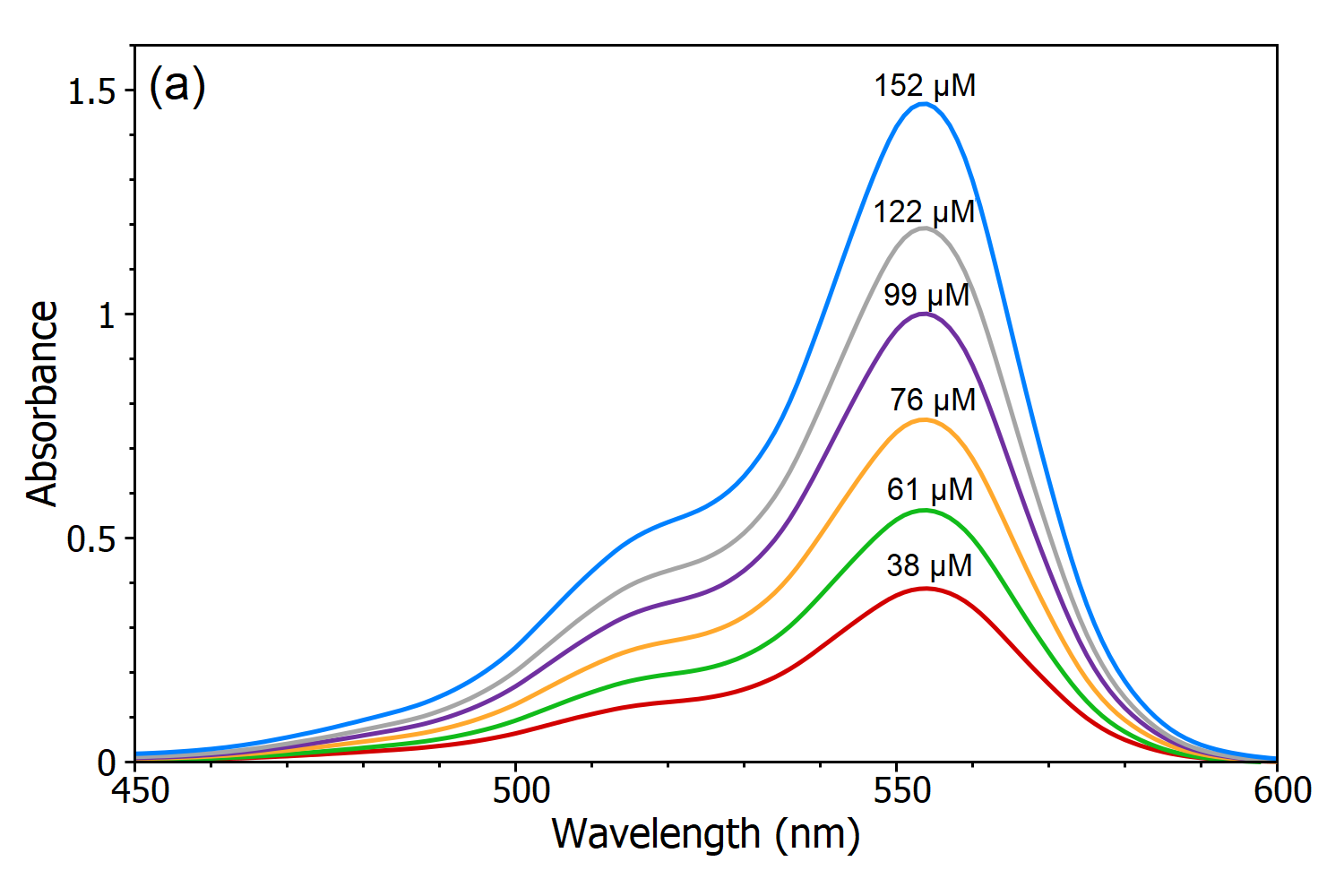
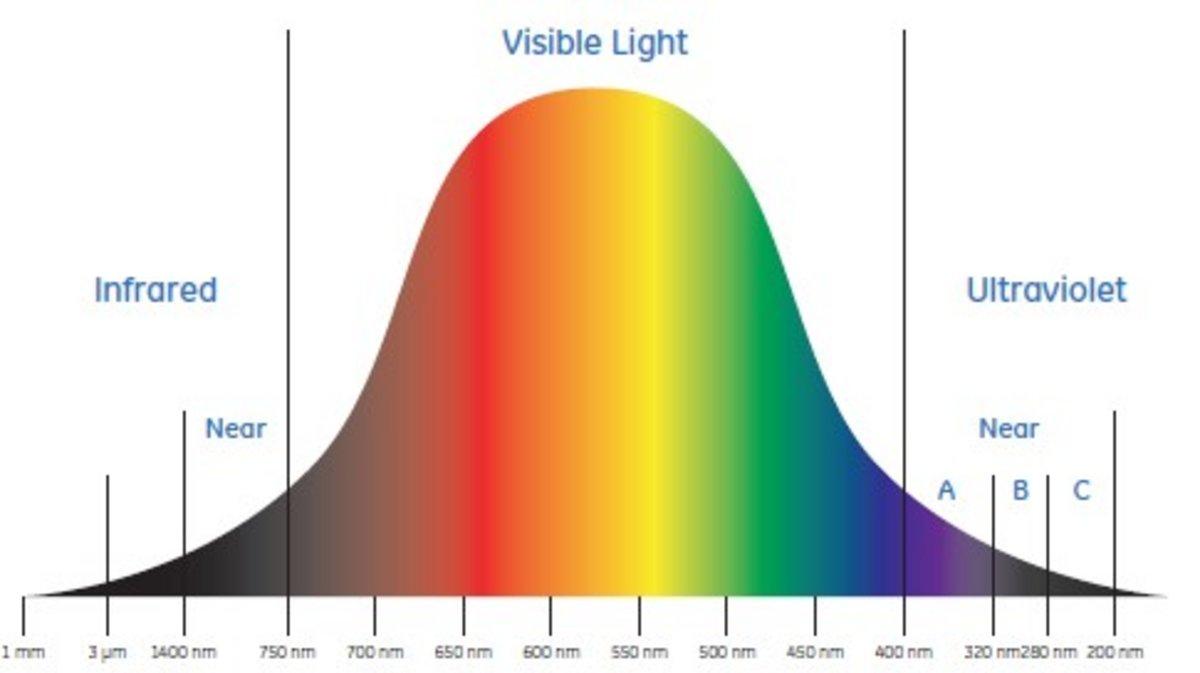
Imagine a beam of white light, which is a spectrum of different colors (and therefore different wavelengths of electromagnetic radiation). When this light passes through a colored solution, for instance, certain wavelengths of light are preferentially absorbed by the dissolved molecules. The wavelengths that are not absorbed are transmitted, and it’s these transmitted wavelengths that our eyes perceive as the color of the solution. If a solution absorbs all visible light, it appears black. If it absorbs no visible light, it appears white or transparent.
The Physics Behind the Phenomenon
The absorption of light by matter is a quantum mechanical process. Electrons within atoms and molecules exist in specific energy levels. When a photon of light strikes an atom or molecule, if its energy precisely matches the difference between two allowed energy levels of an electron, that electron can absorb the photon’s energy and jump to a higher energy level. This is known as excitation. The molecule then enters an “excited state.”
The energy of a photon is directly proportional to its frequency (and inversely proportional to its wavelength). Therefore, different substances absorb light of different wavelengths because their electron energy level differences are unique. This specificity is what makes absorbance such a powerful tool for identifying and quantifying substances.
Beer-Lambert Law: Quantifying Absorbance
While understanding why absorbance occurs is crucial, quantifying how much is absorbed is equally important. This is where the Beer-Lambert Law comes into play. This fundamental law states that the absorbance of a solution is directly proportional to the concentration of the absorbing species and the path length of the light beam through the solution. Mathematically, it’s expressed as:
A = εbc
Where:
- A is the absorbance (a unitless quantity).
- ε (epsilon) is the molar absorptivity (also known as the molar extinction coefficient). This is a constant for a given substance at a specific wavelength and temperature. It quantifies how strongly a substance absorbs light at that particular wavelength. Its units are typically L mol⁻¹ cm⁻¹.
- b is the path length of the light beam through the sample (usually measured in centimeters). This is often the width of the cuvette (the sample holder) used in a spectrophotometer.
- c is the concentration of the absorbing species in the solution (usually in moles per liter, mol L⁻¹).
The Beer-Lambert Law is incredibly powerful because it allows chemists to determine the concentration of an unknown solution by measuring its absorbance, provided they know the molar absorptivity and the path length.
Measuring Absorbance: The Spectrophotometer and its Role
To practically measure absorbance, scientists employ a device called a spectrophotometer. This instrument is designed to measure the intensity of light that passes through a sample at specific wavelengths.
How a Spectrophotometer Works
A typical spectrophotometer consists of several key components:
- Light Source: This emits a beam of electromagnetic radiation, often across a wide range of wavelengths (e.g., UV, visible, or IR).
- Wavelength Selector (Monochromator): This component isolates a specific wavelength of light from the light source. It’s like a finely tuned filter that allows only light of a chosen color to pass through.
- Sample Compartment: This is where the cuvette containing the sample is placed.
- Detector: This measures the intensity of the light that has passed through the sample.
The spectrophotometer first measures the intensity of light passing through a “blank” solution (usually the solvent without the absorbing substance) to establish a baseline of transmission. Then, it measures the intensity of light passing through the sample. The difference between these two measurements, expressed logarithmically, gives the absorbance.
Transmittance vs. Absorbance
It’s important to distinguish between transmittance and absorbance. Transmittance (T) is the fraction of light that passes through the sample:
T = I / I₀
Where:
- I is the intensity of light after passing through the sample.
- I₀ is the initial intensity of light before entering the sample.
Absorbance (A) is related to transmittance by the following equation:
A = -log₁₀(T)
This logarithmic relationship is crucial. A small change in transmittance can correspond to a larger change in absorbance, making absorbance a more sensitive measure for low concentrations.
Applications of Absorbance Beyond the Lab Bench
The principles of absorbance, particularly as quantified by the Beer-Lambert Law, are not confined to academic chemistry labs. Their ability to measure the concentration or presence of substances by observing light interaction has led to widespread applications in various technological and even business-related fields.
1. Tech: Advancements in Digital Imaging and Diagnostics
In the realm of technology, absorbance plays a vital role in fields like digital imaging and medical diagnostics.
- Digital Photography and Imaging: Understanding how different materials absorb light is fundamental to creating accurate color reproduction in digital cameras and displays. The sensors in cameras are designed to capture the light that is not absorbed by objects. Color filters within these sensors are engineered based on principles of selective light absorption. Furthermore, image processing software often employs algorithms that analyze the light absorbed or reflected by pixels to enhance images, correct colors, and even identify objects. AI tools trained on vast datasets of images leverage these absorbance principles, implicitly or explicitly, to discern patterns and features.
- Medical Diagnostics: Spectrophotometry, which relies on measuring absorbance, is a cornerstone of many medical tests. For instance, the pulse oximeter, a common gadget used to measure blood oxygen levels, works by shining two different wavelengths of light through a fingertip and measuring their absorbance. Hemoglobin in red blood cells absorbs these wavelengths differently depending on whether it is bound to oxygen. The difference in absorbance allows the device to calculate the percentage of oxygenated hemoglobin. Other diagnostic tests, from blood glucose monitoring to drug level analysis in bodily fluids, also utilize absorbance measurements.
- Software and Apps: Many analytical software packages and mobile apps used in scientific research, environmental monitoring, and even food quality control rely on spectrophotometric data. These tools process absorbance readings to provide users with quantifiable results, often presented in intuitive graphical formats. The development of sophisticated algorithms for data interpretation and visualization is a testament to the growing importance of understanding absorbance in the digital age.
2. Brand: Color Science and Product Development
The visual impact of a brand is heavily influenced by color. Understanding how colors are perceived and how they interact with light is directly linked to the principles of absorbance.
- Corporate Identity and Design: A brand’s logo, packaging, and marketing materials are carefully designed to evoke specific emotions and associations. The choice of colors is paramount, and this choice is informed by the physics of light absorption. For example, a vibrant red might be chosen for its energy and passion, achieved by a material that absorbs most wavelengths of visible light except for red. Designers use color palettes that are not only aesthetically pleasing but also effectively communicate the brand’s message, a process deeply rooted in understanding how pigments absorb and reflect light.
- Product Development and Quality Control: In industries producing colored goods, from paints and textiles to cosmetics and food products, consistency in color is crucial. Absorbance measurements are used to ensure that batches of products have the intended color. Spectrophotometers are used to compare the absorbance spectrum of a new batch against a standard, allowing for precise quality control. This ensures that the “brand” color remains consistent across all products.
- Marketing and Consumer Perception: The psychological impact of color on consumer behavior is a well-researched area. Understanding how different colors are absorbed by the eyes and processed by the brain can inform marketing strategies. For instance, blue can convey trust and professionalism, while green can suggest nature and health. These perceptions are directly tied to the way these colors absorb and reflect light, making absorbance principles indirectly influential in marketing and reputation management. Case studies in branding often highlight the strategic use of color, which is inherently about light interaction.
3. Money: Financial Analysis and Data Interpretation
While seemingly distant, the concept of absorbance and its quantification through measurement can find parallels in the world of finance and economics.
- Data Analysis and Trend Identification: In financial markets, vast amounts of data are generated daily. Sophisticated algorithms and AI tools are employed to analyze this data for patterns and trends. While not directly measuring light absorption, the process of identifying significant signals within noisy data shares a conceptual similarity. Just as a spectrophotometer seeks to isolate the specific wavelengths absorbed by a substance, financial analysts aim to identify the key data points that contribute to market movements. The Beer-Lambert Law’s principle of proportionality can be loosely analogized to how certain financial indicators might have a proportional impact on market behavior.
- Investment Tools and Visualization: Many financial software platforms and online income tracking apps utilize sophisticated data visualization techniques. Charts and graphs that represent stock performance, portfolio growth, or spending patterns are essentially visual representations of absorbed and transmitted information. The ability to “see” trends and anomalies in this data is akin to observing the absorption spectrum of a chemical compound, allowing for informed decision-making. Investing in such tools and understanding their outputs is a form of leveraging data analysis principles, which can be abstractly linked to absorbance concepts.
- Risk Assessment and Financial Modeling: Financial models often rely on identifying variables that have a significant “impact” or “absorption” on financial outcomes. Understanding the strength of these relationships, much like the molar absorptivity (ε) in the Beer-Lambert Law, is critical for accurate risk assessment and financial forecasting. While not a direct measurement of light, the underlying principle of quantifying the influence of one factor on another is a shared theme.

Conclusion: A Universal Principle
From the fundamental interactions of light and matter in a chemistry lab to the sophisticated algorithms that drive our digital world and the strategic choices that define successful brands, the principle of absorbance is a ubiquitous force. Understanding “what is absorbance in chemistry” is not just about mastering a scientific concept; it’s about appreciating a fundamental aspect of how we perceive and interact with the universe around us, and how this knowledge has been harnessed to build innovative technologies, craft compelling brands, and navigate the complex landscape of finance. Its principles, though rooted in molecular interactions, resonate across disciplines, proving that even the smallest phenomena can have the broadest of impacts.
aViewFromTheCave is a participant in the Amazon Services LLC Associates Program, an affiliate advertising program designed to provide a means for sites to earn advertising fees by advertising and linking to Amazon.com. Amazon, the Amazon logo, AmazonSupply, and the AmazonSupply logo are trademarks of Amazon.com, Inc. or its affiliates. As an Amazon Associate we earn affiliate commissions from qualifying purchases.