
In the world of technology, the term “transactional” is a cornerstone concept that defines how data is processed, how systems communicate, and how reliability is maintained across digital networks. Whether you are a developer building a high-traffic application, a system architect designing a cloud infrastructure, or a tech enthusiast trying to understand how a “buy now” button actually works, understanding the nature of transactional operations is essential.
At its core, a transactional operation is a discrete unit of work that must be completed in its entirety to be valid. If any part of the process fails, the entire transaction is rolled back, ensuring that the system does not end up in a corrupted or “half-finished” state. This principle applies across various tech domains, from database management to automated communication.
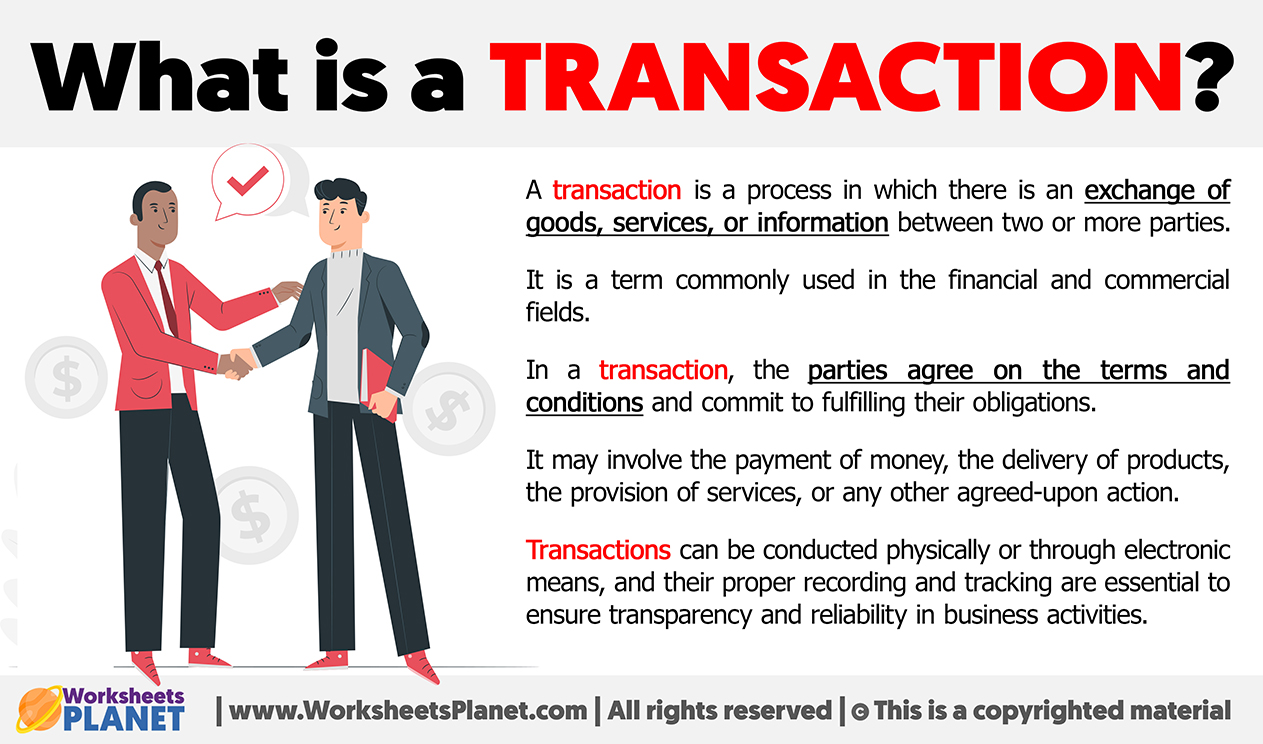
The Core of Data Integrity: Transactional Databases and ACID Properties
The most frequent use of the word “transactional” occurs within the context of database management systems (DBMS). In this environment, a transaction is a sequence of database operations treated as a single logical unit. To ensure that these transactions are handled reliably, the tech industry adheres to a set of principles known as ACID.
Atomicity: The All-or-Nothing Principle
Atomicity ensures that a transaction is treated as a single “atom”—it cannot be broken down into smaller parts. In a transactional database, either all the operations within the unit are executed successfully, or none of them are. Consider the example of a digital banking app transferring funds from one account to another. This requires two steps: debiting Account A and crediting Account B. If the system crashes after debiting Account A but before crediting Account B, money would effectively vanish. Atomicity prevents this by ensuring that if the second step fails, the first step is undone.
Consistency and Isolation: Ensuring Reliability
Consistency guarantees that a transaction will only take the database from one valid state to another, maintaining all predefined rules, such as constraints, cascades, and triggers. It ensures that no transaction can break the structural integrity of the data.
Isolation, on the other hand, is critical in multi-user environments. It ensures that concurrent transactions (multiple people using the system at once) do not interfere with each other. Even if thousands of transactions are happening simultaneously, the “transactional” nature of the system ensures that each one feels as though it is the only one being executed, preventing data “race conditions” where two processes try to update the same record at the exact same millisecond.
Durability: Safeguarding Data against Failure
The final piece of the ACID puzzle is durability. This ensures that once a transaction has been committed (successfully finished), it will remain so, even in the event of a system failure, power outage, or crash. This is typically achieved by recording transactions in a non-volatile log before they are finalized in the main database, allowing the system to “replay” or recover the data if a hardware failure occurs.
Transactional vs. Marketing Communication: The Infrastructure of Modern Apps
Beyond databases, the term “transactional” is widely used to describe a specific category of digital communication, primarily email and SMS. Understanding the distinction between transactional messaging and marketing messaging is vital for software developers and product managers.
Defining Transactional Emails and SMS
A transactional message is a functional notification triggered by a specific user action or a change in system state. Unlike marketing emails, which are sent to a list of subscribers to promote a product, transactional messages are expected and often required by the user.
Common examples include:
- Password reset links.
- Two-factor authentication (2FA) codes.
- Order confirmations and shipping updates.
- Account balance alerts.
- In-app notification digests.
Because these messages contain critical information, they are handled through different technical pipelines than bulk marketing mail.

High-Deliverability Requirements for Critical Triggers
The technical infrastructure for transactional messaging is built for speed and reliability. If a user is trying to log into a secure portal and the 2FA code takes ten minutes to arrive, the user experience is broken. Transactional service providers (TSPs) like SendGrid, Mailgun, or AWS SES (Simple Email Service) prioritize “inbox placement” and low latency.
These systems use dedicated IP addresses with high reputation scores to ensure that critical alerts do not get caught in spam filters. Furthermore, the logic for these messages is usually baked into the application’s backend code via APIs, allowing for real-time delivery triggered by specific events in the application logic.
The Role of SMTP and API-driven Messaging
To send transactional data, developers typically choose between SMTP (Simple Mail Transfer Protocol) and REST APIs. While SMTP is a universal standard, many modern tech stacks prefer APIs because they offer better performance, easier integration with webhooks for tracking (e.g., knowing if an email was delivered or bounced), and more robust security features. This “transactional” layer of the tech stack is what allows modern apps to feel responsive and reliable to the end-user.
Transactional Microservices: Managing Consistency in Distributed Systems
As technology has moved toward cloud-native architectures and microservices, the definition of a “transactional” operation has become more complex. In a monolithic application, a transaction happens in one database. In a microservices architecture, a single user action might require updates across five different services and five different databases.
The Challenge of Distributed Transactions
When a system is distributed, you can no longer rely on a single database to manage ACID properties. If a user purchases a subscription, the “Orders Service” needs to record the sale, the “Inventory Service” needs to update stock, and the “Customer Service” needs to update user permissions. If the “Inventory Service” fails but the “Orders Service” succeeds, the system is out of sync. This is the central challenge of maintaining a transactional state in modern software engineering.
The Saga Pattern: Long-Lived Transactions
To solve the problem of distributed transactions, architects often use the “Saga Pattern.” A Saga is a sequence of local transactions. Each local transaction updates the database and triggers the next step. If a step fails, the Saga executes a series of “compensating transactions” to undo the changes made by the preceding steps. This is a programmatic way of mimicking the “Atomicity” of a traditional database across a complex, multi-service cloud environment.
Eventual Consistency in Modern Cloud Architecture
In many high-scale tech environments (like social media or large-scale e-commerce), developers sometimes trade “immediate consistency” for “eventual consistency.” In this model, the system is not strictly transactional in the millisecond after an action. Instead, it guarantees that given enough time, all nodes will be updated and consistent. While this is not suitable for financial data, it is highly effective for things like “liking” a post or updating a profile picture, where the technical overhead of a strict transaction would slow down the entire system.
Choosing the Right Transactional Tools for Your Tech Stack
Building a transactional system requires selecting the right tools that balance performance with data safety. The tech landscape offers various solutions depending on the specific needs of the application.
Relational vs. NoSQL Transactional Support
For decades, relational databases (SQL) like PostgreSQL and MySQL were the only way to achieve true transactional integrity. However, as NoSQL databases (like MongoDB or Amazon DynamoDB) evolved, they began introducing multi-document transaction support.
When choosing a stack, the “transactional” requirement is often the deciding factor. If your app handles complex financial logic or highly structured data where integrity is non-negotiable, a relational database is still the gold standard. If you need horizontal scalability and flexible schemas but still require some level of transactionality, modern NoSQL versions can now bridge that gap.
Top Platforms for Transactional Messaging
For the communication side of transactional tech, the market is led by platforms designed for developer integration. AWS SES is popular for its cost-effectiveness and integration with the broader AWS ecosystem. Twilio is the industry leader for transactional SMS, providing robust APIs for global delivery. Postmark is often cited by developers for its focus on transactional-only delivery, ensuring that marketing mail never slows down critical system alerts.
Security and Compliance in Transactional Data
Because transactional data often involves sensitive information—passwords, financial records, and PII (Personally Identifiable Information)—security is a major component of the niche. Transactional systems must implement encryption at rest and in transit (TLS/SSL). Furthermore, they must comply with regulations like GDPR, CCPA, and SOC2. A “transactional” system is not just about moving data; it’s about moving it securely and legally.
In conclusion, “transactional” in tech refers to a philosophy of reliability. It is the invisible infrastructure that ensures when we click a button, the data is saved, the message is sent, and the system remains stable. From the ACID properties of a database to the complex orchestration of microservices, transactional systems are what make the modern digital world trustworthy.
aViewFromTheCave is a participant in the Amazon Services LLC Associates Program, an affiliate advertising program designed to provide a means for sites to earn advertising fees by advertising and linking to Amazon.com. Amazon, the Amazon logo, AmazonSupply, and the AmazonSupply logo are trademarks of Amazon.com, Inc. or its affiliates. As an Amazon Associate we earn affiliate commissions from qualifying purchases.