
In the intricate world of electrical and electronic systems, where countless wires crisscross to transmit power and data, reliable connections are paramount. While often overlooked by the casual observer, a seemingly simple component – the terminal block – plays a critical, foundational role in ensuring these connections are secure, organized, and safe. Far from being a mere accessory, the terminal block is an engineering marvel in its own right, designed to simplify wiring, enhance system integrity, and facilitate efficient maintenance.
At its core, a terminal block is an insulated modular mechanism that secures two or more wires together. It comprises a non-conductive housing that protects an internal metallic strip. This strip, equipped with clamping components, provides a point where individual wires can be terminated and connected, often acting as a bridge between different circuits or components. From industrial control panels and building automation systems to consumer electronics and automotive applications, terminal blocks are ubiquitous, silently underpinning the reliability of modern technology. Understanding their function, variety, and proper application is not just for electrical engineers; it’s essential for anyone seeking to grasp the deeper mechanics of how our technological world is wired.
The Fundamental Role of Terminal Blocks in Electrical Systems
Electrical systems, whether powering a skyscraper or a small robotic arm, demand order and reliability. Wires need to be connected, disconnected, and sometimes rearranged. Without proper connection management, systems would quickly devolve into hazardous, unmanageable tangles. This is where terminal blocks step in, offering a structured approach to electrical connectivity.
Bridging Connections: More Than Just a Join
A terminal block serves as a robust and reliable junction point. Unlike splicing wires directly, which can be prone to weaknesses, corrosion, or accidental disconnections, a terminal block offers a mechanically sound and electrically stable connection. It acts as a permanent or semi-permanent conduit, allowing current or signals to flow seamlessly between distinct parts of a circuit. This bridging capability is crucial for modular system design, where different components or sub-assemblies need to be interconnected without hardwiring every single joint. For instance, in a control cabinet, a terminal block might connect field devices (sensors, actuators) to the internal control logic (PLCs, relays), providing a clean interface that segregates different voltage levels or signal types.
Enhancing Safety and Organization
The insulating body of a terminal block is perhaps its most vital safety feature. By encapsulating the conductive parts, it prevents accidental contact between wires, mitigating the risk of short circuits, electrical shocks, and arc flashes. This insulation is often made from high-grade plastics like polyamide (nylon), which offers excellent dielectric strength and resistance to heat and chemicals. Beyond safety, terminal blocks bring unparalleled organization to wiring. Imagine a complex circuit board or an industrial panel with hundreds of wires. Without a systematic way to manage connections, troubleshooting, upgrades, or even routine inspections would be a nightmare. Terminal blocks provide clearly labeled points of connection, often color-coded or numbered, transforming a potential rat’s nest into an orderly, easily traceable network. This organizational benefit drastically reduces installation time, simplifies maintenance, and minimizes human error, making them indispensable in any professional electrical installation.
Anatomy of a Terminal Block: Key Components and Design
Despite their varied forms, all terminal blocks share a common fundamental architecture designed for secure electrical contact and physical integrity. Understanding these core components is key to appreciating their functional design.
The Insulating Body
The most visible part of a terminal block is its insulating body, often called the housing. This component is typically molded from a robust, non-conductive material such as polyamide (nylon), melamine, or ceramic. The choice of material depends on the application’s specific requirements, including temperature resistance, dielectric strength, flammability rating, and chemical resistance. The primary function of the insulating body is twofold: to electrically isolate adjacent terminal points from each other and to provide physical protection for the conductive parts and wire connections. High-quality insulating bodies also offer mechanical stability, ensuring that the block can withstand vibrations, impacts, and the stresses of wire connection and disconnection. Its design also incorporates features like mounting feet (for DIN rail mounting), labeling areas, and sometimes integrated LED indicators or fuse holders.
Conductive Metal Parts
Embedded within the insulating body are the conductive metal components that actually facilitate the electrical connection. These are usually made from copper alloys, such as brass or bronze, chosen for their excellent electrical conductivity and corrosion resistance. The design of these parts varies, but they typically include a current bar or busbar that runs through the block and provides the contact point for the wires. These metal parts are engineered to minimize resistance, ensuring efficient current flow and preventing excessive heat buildup, which can lead to energy loss or component damage. The quality of the conductive material directly impacts the block’s current-carrying capacity and its long-term reliability.
Clamping Mechanisms: Screw, Spring, Push-In
The method by which wires are secured to the conductive metal parts is critical for the integrity of the connection. Three primary clamping mechanisms dominate the market, each with distinct advantages:
- Screw Clamps: This is perhaps the most traditional and widely recognized method. Wires are inserted into a terminal opening, and a screw is tightened, pressing a metal clamp plate against the wire. Screw clamps offer a very strong mechanical connection and are highly versatile, accommodating a wide range of wire gauges. They are favored for their reliability in high-vibration environments and their ability to be re-tightened if needed. However, they require a screwdriver for installation and maintenance, and overtightening or undertightening can compromise the connection.
- Spring Clamps: Gaining popularity for their speed and reliability, spring clamps use a spring-loaded mechanism to secure the wire. The wire is inserted, and a spring pressure holds it firmly in place. These can be activated by pressing a button, using a small tool, or simply by pushing the wire in (for push-in types). Spring clamps offer vibration-proof connections, are faster to install than screw terminals, and do not require periodic re-tightening. They are often preferred in applications where high vibration is a concern, or installation speed is critical.
- Push-In Clamps: A subset of spring clamps, push-in terminals are designed for even faster wiring, especially with solid or ferruled stranded wires. The wire is simply pushed into the terminal opening, and an internal spring automatically secures it. To release the wire, a small tool is usually required to depress a release lever. These are exceptionally quick for mass wiring applications and offer a high degree of reliability once installed correctly, eliminating the need for any tools during the initial wire insertion.
Diverse Types of Terminal Blocks and Their Applications
The versatility of terminal blocks extends beyond their basic function, with numerous specialized designs tailored for specific electrical needs and environmental conditions.
Single-Level and Multi-Level Blocks
- Single-Level Terminal Blocks: These are the most basic type, providing a single connection point per block. They are used for simple point-to-point wiring connections and are ideal for distributing power or creating junctions within a circuit.
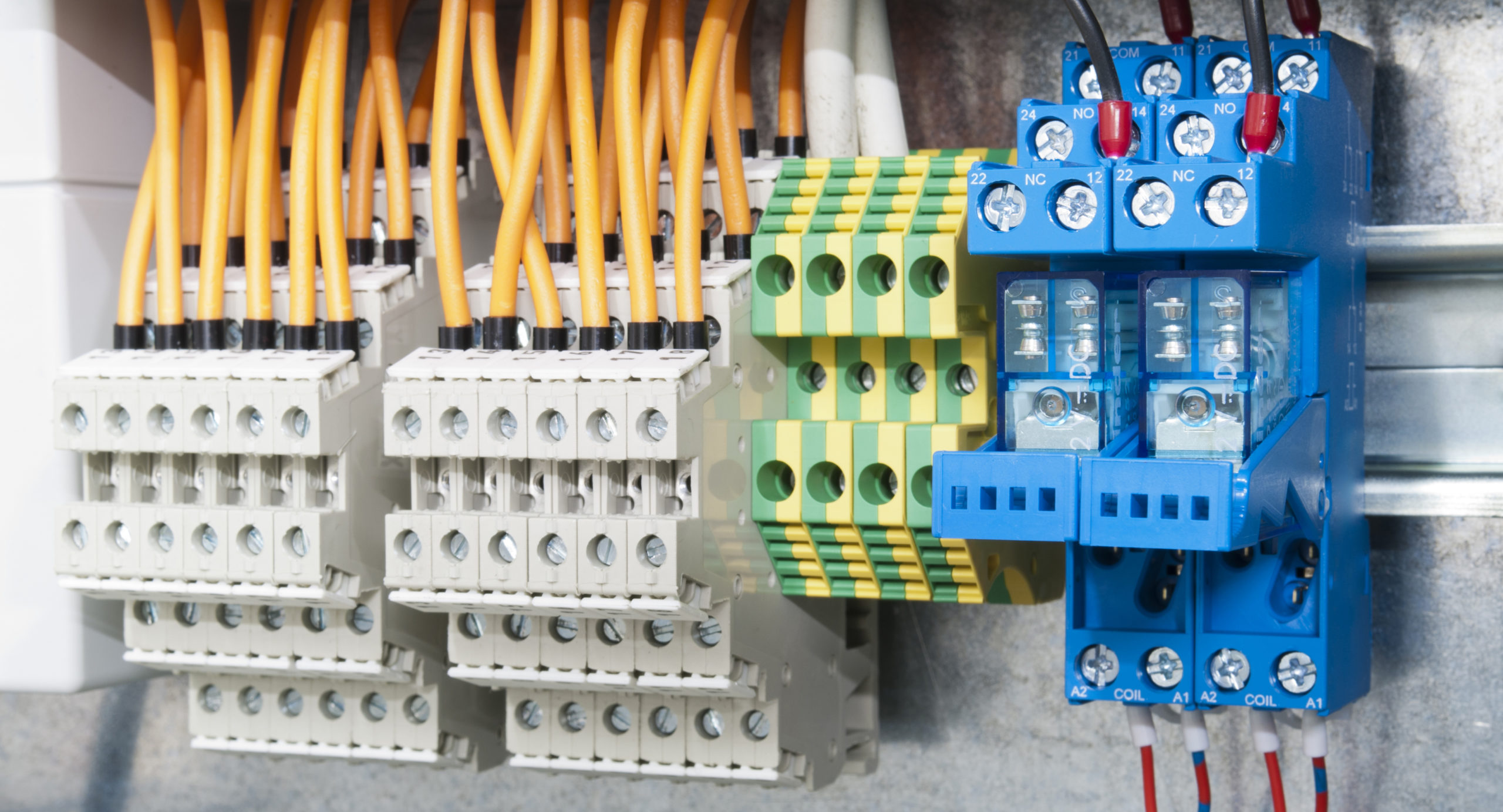
- Multi-Level Terminal Blocks: Designed to save space and organize wiring in complex systems, multi-level blocks (e.g., two-level, three-level) stack multiple connection points vertically within a single block’s footprint. This allows for increased wiring density, particularly useful in control panels where space is at a premium. Each level is electrically isolated, enabling multiple circuits to pass through a single block, often used for sensors with multiple wires (signal, power, ground) or for compact power distribution.
Grounding and Fused Terminal Blocks
- Grounding (Earth) Terminal Blocks: These blocks are specifically designed to connect grounding conductors to the earth potential. They typically feature a green/yellow color scheme (standard for grounding) and often have a direct metallic connection to the DIN rail or mounting surface, ensuring a low-resistance path to ground for safety. They are essential for protecting equipment and personnel from electrical faults.
- Fused Terminal Blocks: Integrating a fuse holder directly into the terminal block, these provide circuit protection at the point of connection. When an overcurrent condition occurs, the fuse blows, isolating the fault and protecting downstream components. This design saves space and simplifies wiring by combining the connection and protection functions into one unit, commonly used for protecting individual loads or control circuits.

Power Distribution Blocks
Power distribution blocks (PDBs) are heavy-duty terminal blocks designed to split a single large power input into multiple smaller outputs. They are used in applications requiring high current capacity and efficient power distribution, such as main power feeds in industrial panels or electrical enclosures. PDBs simplify wiring, reduce the number of individual connections, and offer a clear, organized method for distributing power to various circuits or loads, often featuring robust screw clamp connections to accommodate larger gauge wires.
Specialty Blocks: Pluggable, Sensor, Thermocouple
Beyond the common types, a range of specialty terminal blocks addresses niche application requirements:
- Pluggable Terminal Blocks: These blocks consist of two parts: a fixed base (header) mounted to a PCB or panel, and a removable plug that wires are terminated into. This design allows for quick and easy disconnection and reconnection of entire wiring harnesses, facilitating modular design, field service, and system upgrades without disturbing the main wiring.
- Sensor Terminal Blocks: Tailored for connecting sensors with multiple wires (e.g., 3-wire or 4-wire sensors), these often integrate features like common power and ground connections with individual signal terminals, streamlining sensor wiring and reducing complexity.
- Thermocouple Terminal Blocks: Designed for connecting thermocouple wires, these blocks are made from materials that match the thermoelectric properties of the thermocouple wire itself. This is crucial to prevent measurement inaccuracies caused by unwanted thermal electromotive forces (EMF) at the connection point, ensuring precise temperature readings.
Advantages of Using Terminal Blocks
The pervasive use of terminal blocks across virtually all electrical and electronic sectors is a testament to the myriad benefits they offer. These advantages extend beyond mere connectivity, impacting safety, efficiency, and long-term system maintainability.
Simplified Wiring and Maintenance
One of the most compelling advantages of terminal blocks is the simplification they bring to wiring processes. Instead of direct wire-to-wire splicing or soldering, which can be time-consuming and prone to errors, terminal blocks provide a clear, defined interface. This modular approach significantly reduces installation time. During maintenance or troubleshooting, terminal blocks become invaluable. Faulty components or wires can be quickly identified and replaced by simply disconnecting and reconnecting at the appropriate block, without having to cut and re-splice permanent connections. This modularity means less downtime, lower labor costs, and a more efficient repair process, making them a cornerstone of industrial control systems and building automation where uptime is critical.
Enhanced Safety and Reliability
The design of terminal blocks inherently enhances both operational safety and long-term reliability. The robust insulating material of the block housing prevents accidental contact with live conductors, minimizing the risk of electric shock and short circuits. This physical isolation is a crucial safety feature, especially in environments where operators might interact with wiring. Electrically, a properly terminated wire in a terminal block provides a secure, low-resistance connection that is less susceptible to vibration-induced loosening or environmental degradation (like oxidation) compared to less formal wiring methods. This secure connection ensures stable power and signal transmission, reducing system failures and enhancing the overall reliability and longevity of the electrical installation. Many terminal blocks also come with features like finger-safe designs and high flammability ratings, further contributing to a safer working environment.
Space Optimization and Professionalism
In modern electrical enclosures and panels, every cubic inch of space is precious. Terminal blocks are ingeniously designed to maximize wiring density while maintaining order. Multi-level blocks, for example, allow several connections to occupy the footprint of a single-level block, significantly compressing wiring into smaller spaces. DIN rail mounting, a common feature for many industrial terminal blocks, allows for neat, sequential arrangement and easy expansion. Beyond functionality, the use of terminal blocks lends a professional aesthetic to any electrical installation. A well-organized panel with clearly labeled terminal blocks not only looks better but also immediately conveys a sense of quality and meticulous engineering. This professionalism can be important in commercial and industrial settings, where aesthetics and perceived reliability contribute to client confidence and compliance with industry standards.
Best Practices for Selecting and Implementing Terminal Blocks
While terminal blocks offer substantial benefits, their effective deployment hinges on careful selection and adherence to best practices during installation. Neglecting these aspects can negate their advantages and even introduce risks.
Matching Specifications to Application Needs
The first and most critical step is to select the right terminal block for the job. This involves a meticulous review of several key specifications:
- Current and Voltage Ratings: Ensure the block’s rated current and voltage meet or exceed the maximum anticipated levels of the circuit it will serve. Overloading a terminal block can lead to overheating, insulation breakdown, and potential fire hazards.
- Wire Gauge Compatibility: Verify that the block’s clamping mechanism can securely accommodate the specific wire gauges (AWG or mm²) being used. Attempting to fit oversized wires or using undersized wires that are not properly clamped can lead to loose connections and increased resistance.
- Environmental Conditions: Consider the operating environment. For harsh conditions (high temperatures, humidity, corrosive chemicals, vibration), select blocks made from suitable materials (e.g., ceramic for extreme heat, specific plastics for chemical resistance) and with appropriate IP ratings (ingress protection).
- Clamping Technology: Choose between screw, spring, or push-in terminals based on installation speed requirements, vibration resistance needs, and the type of wires (solid vs. stranded, ferruled vs. unferruled).
- Certifications and Standards: For critical applications, ensure the terminal blocks comply with relevant industry standards and certifications (e.g., UL, CSA, CE, RoHS) to guarantee safety and performance.
Proper Installation Techniques
Even the best terminal block will underperform if not installed correctly. Adhering to proper installation techniques is paramount for safety and reliability:
- Wire Preparation: Always strip wires to the recommended length as specified by the terminal block manufacturer. Over-stripped wires can expose conductors, leading to shorts, while under-stripped wires can result in poor contact. For stranded wires, using ferrules is highly recommended, especially with spring or push-in terminals, to prevent strand breakage and ensure a consistent, reliable connection.
- Secure Tightening (for Screw Terminals): Use a calibrated torque screwdriver to tighten screw terminals to the manufacturer’s specified torque settings. Overtightening can damage the wire or the block, while undertightening leads to loose, high-resistance connections. Periodically re-check torque in high-vibration or high-temperature environments.
- Correct Insertion (for Spring/Push-In Terminals): Ensure wires are fully inserted into spring or push-in terminals until a secure connection is felt or heard. Avoid pulling on the wire immediately after insertion to verify its security.
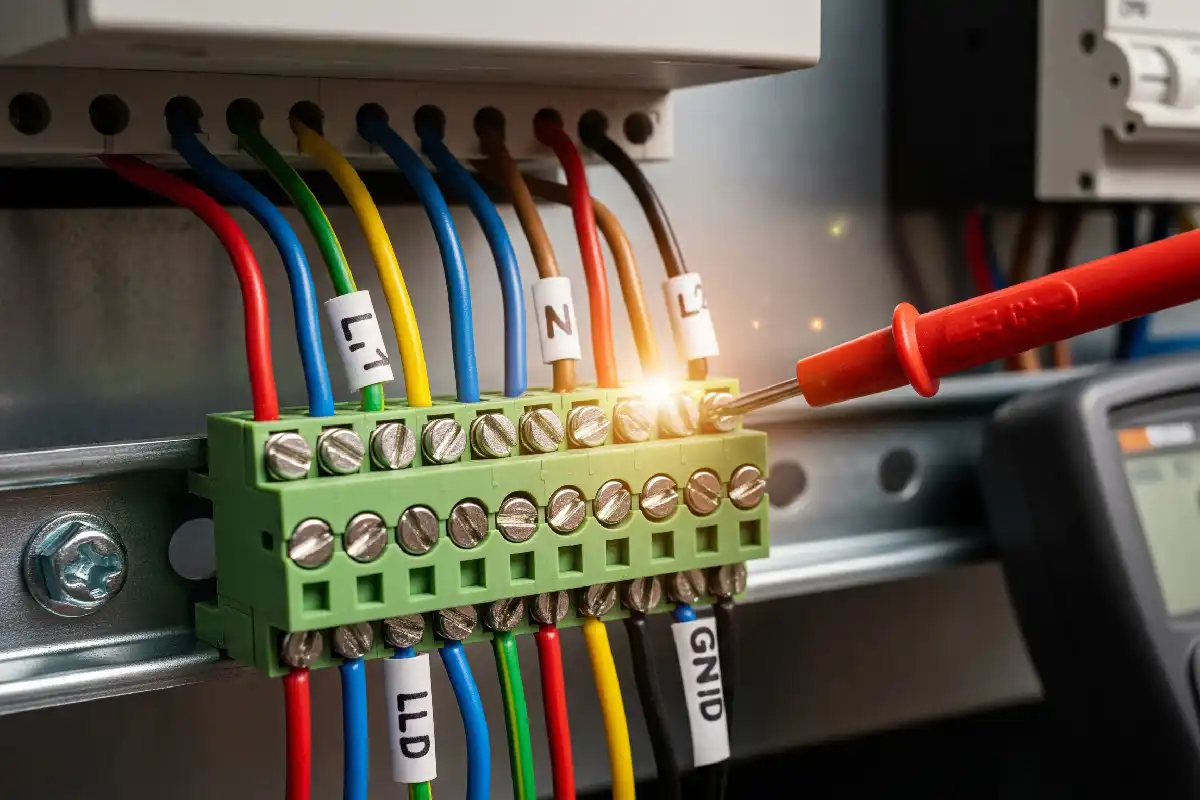
- Labeling and Identification: Clearly label each terminal block and individual connection points. This organization is vital for future troubleshooting, maintenance, and system modifications. Use numbers, colors, and consistent conventions.
- Segregation: When dealing with different voltage levels (e.g., low voltage control signals and high voltage power) or different types of circuits, use separate terminal blocks or specific insulating barriers to maintain electrical isolation and prevent interference.
Ensuring Compliance and Standards
In professional electrical and electronic installations, compliance with local and international standards is non-negotiable. Terminal blocks are a critical component in achieving this compliance. Always verify that the chosen terminal blocks meet the necessary safety, performance, and environmental standards for your specific region and application. This not only ensures legal compliance but also provides assurance of quality, safety, and interoperability within a larger system. Regular inspection and maintenance, including checking for loose connections, signs of overheating, or physical damage, are also essential to maintain long-term compliance and operational integrity.
In conclusion, the humble terminal block, while often working behind the scenes, is an indispensable element in the realm of electrical and electronic engineering. Its ability to provide secure, organized, and safe connections simplifies complex wiring, streamlines maintenance, and significantly enhances the reliability and longevity of diverse technological systems. By understanding its fundamental principles, varied types, and best application practices, engineers and technicians can harness its full potential, ensuring that the critical connections that power our modern world remain robust and efficient.
aViewFromTheCave is a participant in the Amazon Services LLC Associates Program, an affiliate advertising program designed to provide a means for sites to earn advertising fees by advertising and linking to Amazon.com. Amazon, the Amazon logo, AmazonSupply, and the AmazonSupply logo are trademarks of Amazon.com, Inc. or its affiliates. As an Amazon Associate we earn affiliate commissions from qualifying purchases.