
In the realm of home safety and electrical infrastructure, the humble electrical outlet plays a critical, yet often overlooked, role. While we routinely plug in our devices, the potential hazards associated with exposed electrical sockets, particularly for curious children and pets, are a constant concern for homeowners and safety advocates alike. This is where the tamper-resistant outlet, often abbreviated as TRR, emerges as a vital technological advancement. Far from being a mere cosmetic upgrade, a tamper-resistant outlet is a sophisticated piece of electrical hardware designed to significantly enhance safety by preventing accidental insertion of foreign objects into the electrical slots. This article delves into the intricacies of tamper-resistant outlets, exploring their design, functionality, regulatory mandates, and the critical role they play in creating safer living and working environments.

The Engineering Behind Tamper-Resistant Outlets
The fundamental principle behind a tamper-resistant outlet lies in its innovative internal mechanism, which differs substantially from traditional outlets. This design is a direct response to the inherent dangers of exposed electrical contacts. Traditional outlets, with their straightforward openings, present an accessible pathway for conductive materials like metal objects, or even fingers, to come into contact with live electrical components, leading to shocks or even electrocution. Tamper-resistant outlets are engineered to thwart such unintended access, acting as a silent guardian in our daily lives.
Internal Shutter System: The Core of Protection
The defining feature of a tamper-resistant outlet is its internal shutter system. Unlike standard outlets where the slots are always open, TRRs incorporate a dynamic mechanism that only allows access to the electrical contacts when a proper plug is inserted. This system typically comprises small, spring-loaded shutters that cover the hot and neutral slots. These shutters are designed to pivot inwards simultaneously only when equal pressure is applied to both slots of the socket.
When you insert a standard electrical plug, the two prongs push against the shutters with the required force and in the correct alignment, causing them to retract and expose the conductive contacts within. This action effectively creates a safe pathway for the electricity to flow to your device. However, if a foreign object, such as a metal paperclip, a key, or even a curious finger, attempts to enter only one of the slots, the shutters will not move. The pressure applied to a single slot is insufficient to overcome the spring mechanism, and the shutters remain firmly in place, blocking access to the live electrical components. This ingenious design effectively neutralizes the most common pathways for electrical hazards.
Material Science and Durability
Beyond the shutter mechanism, the materials used in the construction of tamper-resistant outlets are also crucial for their safety and longevity. TRRs are typically made from high-impact, flame-retardant thermoplastic materials. These materials are chosen for their ability to withstand physical abuse, resist heat in case of electrical faults, and prevent the spread of fire. The internal components, including the springs and contacts, are also manufactured from robust, conductive materials that are designed to maintain their integrity over countless insertions and removals of plugs. The focus on durable, high-quality materials ensures that the safety features of the TRR remain effective throughout its lifespan, providing consistent protection against electrical hazards.
Comparison with Traditional Outlets
The difference between a tamper-resistant outlet and a traditional one is stark when considering safety. Traditional outlets offer a direct, unobstructed entry to electrical power. This makes them particularly vulnerable in environments where children or pets are present. The simplicity of their design, while convenient for quick plug-ins, represents a significant safety compromise.
Tamper-resistant outlets, on the other hand, introduce a layer of intelligent protection. They are designed to be as user-friendly as possible for intended use, seamlessly accepting standard plugs. However, their internal complexity makes them inherently resistant to misuse. The distinction is not just about a different appearance; it’s about a fundamental shift in design philosophy, prioritizing occupant safety above all else. This technological evolution in a seemingly basic electrical component underscores the ongoing commitment to improving electrical safety standards.
The Regulatory Imperative for Tamper-Resistant Outlets
The widespread adoption and mandatory installation of tamper-resistant outlets are not merely a matter of best practice; they are driven by stringent safety regulations and codes. These mandates are established by national and international bodies to protect the public from electrical hazards, particularly in areas where children are likely to be present. The evolution of these regulations reflects a growing understanding of electrical risks and a proactive approach to mitigating them.
National Electrical Code (NEC) Mandates
In the United States, the National Electrical Code (NEC) is the cornerstone of electrical safety standards. The NEC is updated periodically, and with each revision, safety requirements are strengthened based on new research, accident data, and technological advancements. The introduction of tamper-resistant outlet requirements into the NEC marked a significant milestone in enhancing residential electrical safety.
The NEC mandates the use of TRRs in specific locations within dwelling units. These locations are typically those where children are most likely to be present and at risk. This includes, but is not limited to, all areas within a dwelling unit such as living rooms, dining rooms, bedrooms, kitchens, laundry areas, and hallways. The objective is to provide comprehensive protection throughout the home, acknowledging that the potential for curious exploration and accidental contact is pervasive. Furthermore, the NEC also specifies requirements for other locations outside of dwelling units, such as childcare facilities, preschools, and elementary school classrooms, where the risk to young children is equally high.
Evolution of Safety Standards
The journey towards mandatory TRRs has been a gradual one, reflecting the evolving understanding of electrical safety. Early electrical codes focused on basic wiring and protection against fires. As electrical devices became more ubiquitous and the dangers of electrical shock more apparent, regulations began to address occupant safety more directly. The advent of TRRs represented a significant leap forward in addressing the specific risk of unintentional contact with live electrical sources.
The NEC’s gradual incorporation and expansion of TRR requirements illustrate a commitment to staying ahead of potential hazards. Each revision of the code builds upon previous knowledge, incorporating lessons learned from electrical incidents and advancements in electrical engineering. This iterative process ensures that electrical safety standards remain relevant and effective in protecting individuals from harm in an ever-evolving technological landscape. The presence of TRRs is a testament to the success of this ongoing effort to legislate and implement enhanced safety measures.
Benefits Beyond Child Safety
While child safety is the primary driver behind TRR mandates, their benefits extend to a broader spectrum of safety concerns. For instance, in households with pets, curious animals can sometimes inadvertently come into contact with exposed electrical outlets, posing a risk. TRRs offer a crucial safeguard in these situations as well.
Moreover, in public spaces, dormitories, and other communal living areas, the risk of accidental contact is heightened due to the presence of a diverse population with varying levels of awareness regarding electrical safety. TRRs provide an essential layer of protection in these environments, minimizing the likelihood of electrical incidents and contributing to a generally safer atmosphere for all occupants. The universal applicability of their protective mechanism makes them a valuable safety feature across a wide range of settings.
Installation and Practical Considerations of Tamper-Resistant Outlets
While the internal design of tamper-resistant outlets is sophisticated, their installation process is generally consistent with that of traditional outlets, making them a practical upgrade for homeowners and electricians alike. Understanding the nuances of installation and the practical implications of their use can further enhance their effectiveness and user experience.
The Installation Process: A Familiar Procedure
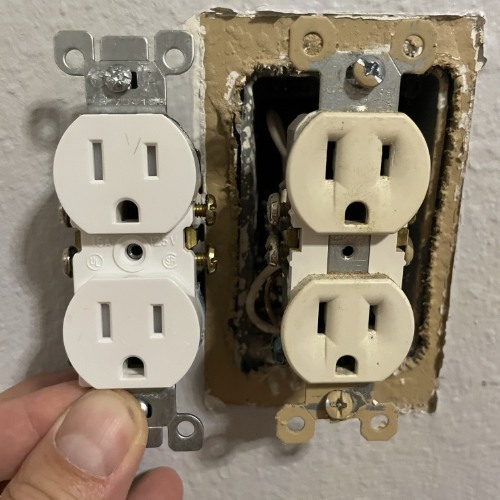
For a qualified electrician, installing a tamper-resistant outlet is a straightforward process. It involves the same fundamental steps as installing a standard outlet: turning off the power to the circuit, removing the old outlet, connecting the wires (hot, neutral, and ground) to the appropriate terminals on the new TRR, and securing the outlet into the electrical box. The wiring terminals on TRRs are typically clearly marked, making the connection process intuitive.
However, it is crucial to emphasize that electrical work should always be performed by a licensed and qualified electrician. Working with electricity without proper knowledge and safety precautions can lead to severe injury or death. Electricians are trained to understand the specific requirements of different types of electrical devices, including TRRs, and to ensure that installations comply with all applicable safety codes.
Replacing Existing Outlets: A Proactive Safety Measure
Replacing older, non-tamper-resistant outlets with TRRs is a highly recommended proactive safety measure for any homeowner, especially those with young children or pets. While not all older homes are required by current codes to have TRRs, upgrading existing outlets can significantly reduce the risk of electrical accidents. This is a relatively inexpensive upgrade that can provide immense peace of mind.
When considering a replacement, it’s important to choose TRRs that meet or exceed current safety standards, such as those certified by UL (Underwriters Laboratories). UL certification ensures that the product has been tested and meets rigorous safety and performance requirements. The process of replacing an outlet is typically a quick task for an electrician, often completed within minutes per outlet, making it a practical weekend DIY project for those with electrical experience or a straightforward service call for a professional.
Considerations for Different Environments
While TRRs are most commonly associated with residential settings, their application extends to various other environments where safety is paramount. In commercial buildings, schools, hospitals, and public spaces, the installation of TRRs can significantly enhance the overall safety of occupants. The increased focus on safety in public facilities often leads to mandates for TRR installation in areas accessible to the public.
Furthermore, in environments with higher moisture levels, such as kitchens and bathrooms, while TRRs provide excellent protection against accidental insertion, it’s also essential to consider Ground Fault Circuit Interrupter (GFCI) outlets. GFCIs are designed to protect against shock in wet conditions by detecting imbalances in the electrical current and quickly shutting off power. In many modern building codes, both TRR and GFCI protection are required in specific locations, ensuring a multi-layered approach to electrical safety. Understanding the interplay between different safety features is key to creating the safest possible electrical environment.
The Impact and Future of Tamper-Resistant Technology
The introduction and widespread adoption of tamper-resistant outlets represent a significant advancement in electrical safety technology. Their impact is evident in the reduction of electrical injuries, and their continued evolution promises even greater protection in the future. This technological progression reflects a commitment to innovation in safeguarding individuals and property from electrical hazards.
Reducing Electrical Injuries and Fatalities
The primary and most impactful outcome of tamper-resistant outlets has been the demonstrable reduction in electrical injuries and fatalities, particularly among children. By preventing unauthorized access to live electrical contacts, TRRs directly mitigate the risks of electric shock, burns, and electrocution. While precise statistics can be challenging to isolate due to various contributing factors in electrical incidents, safety organizations and electrical experts widely acknowledge the significant role of TRRs in making homes and other environments safer. This technological intervention has effectively neutralized one of the most common and dangerous household hazards for vulnerable populations.
Technological Advancements and Future Trends
The technology behind tamper-resistant outlets continues to evolve. While the internal shutter system remains the core mechanism, ongoing research and development are focused on enhancing durability, improving ease of use, and potentially integrating smart features. Future iterations might incorporate even more sophisticated sensing mechanisms or materials that offer enhanced fire resistance.
The broader trend towards smart homes and connected devices also presents opportunities for electrical safety innovations. While not directly a function of the tamper-resistant mechanism itself, the integration of smart technologies into electrical systems could lead to enhanced monitoring of electrical usage and potential fault detection, further contributing to overall safety. The ongoing pursuit of innovation in electrical safety ensures that these vital components will continue to offer robust protection against emerging and existing risks.

The Ongoing Importance of Awareness and Education
Despite the technological advancements, the effectiveness of tamper-resistant outlets also relies on continued public awareness and education. While the outlets themselves provide a physical barrier, understanding why they are important and how they work can further reinforce safety practices. Educating homeowners, especially new parents, about the risks associated with traditional outlets and the benefits of TRRs is crucial.
Furthermore, promoting the use of qualified electricians for installation and maintenance ensures that these safety devices are implemented correctly and effectively. The combination of robust technology, regulatory mandates, and informed public awareness forms a powerful trifecta for ensuring electrical safety in our homes and communities. The humble tamper-resistant outlet, a testament to thoughtful engineering, stands as a vital protector in our electrically dependent world.
aViewFromTheCave is a participant in the Amazon Services LLC Associates Program, an affiliate advertising program designed to provide a means for sites to earn advertising fees by advertising and linking to Amazon.com. Amazon, the Amazon logo, AmazonSupply, and the AmazonSupply logo are trademarks of Amazon.com, Inc. or its affiliates. As an Amazon Associate we earn affiliate commissions from qualifying purchases.