
Understanding the nuances of sweetness in white wine is a journey that delights the palate and enriches one’s appreciation for viticulture. While the term “sweet” might conjure images of sugary beverages, in the world of wine, it signifies a spectrum of delightful complexities. This article delves into the essence of sweet white wine, exploring its diverse styles, the factors contributing to its sweetness, and how to best enjoy these often-misunderstood gems. Our focus will be on the financial aspects of sweet white wines, examining their market appeal, investment potential, and how savvy consumers can navigate this segment for both pleasure and profit.
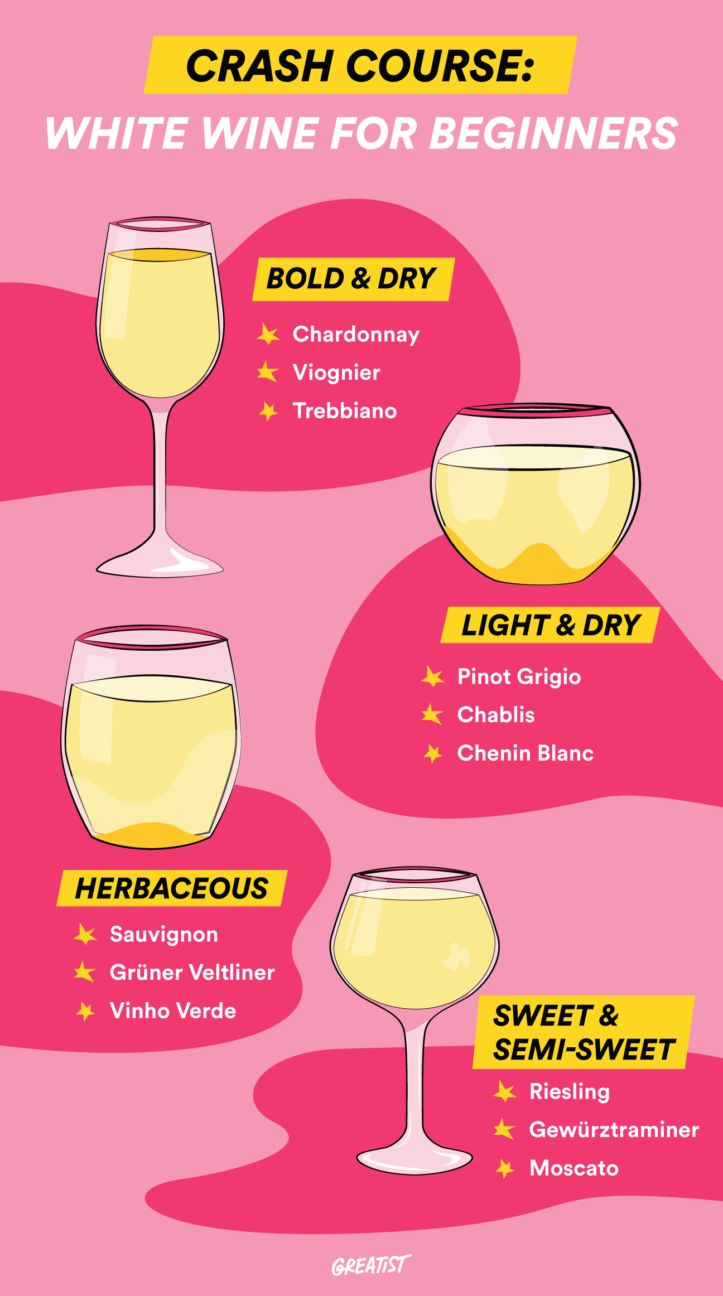
The Sweet Spot: Defining and Categorizing Sweet White Wines
The sweetness of a wine is not an arbitrary characteristic; it’s a result of specific winemaking decisions and natural conditions. At its core, wine’s sweetness is determined by the presence of residual sugar (RS) – the natural sugars left in the wine after fermentation has ceased. Yeast consumes sugar during fermentation to produce alcohol and carbon dioxide. If fermentation is stopped before all the sugar is converted, or if the yeast is inhibited, residual sugar remains, imparting sweetness to the final product. The concentration of this residual sugar is what differentiates dry wines from off-dry, medium-sweet, and lusciously sweet wines.
Residual Sugar: The Sweetness Equation
The measurement of residual sugar is typically expressed in grams per liter (g/L). While there aren’t universally mandated legal definitions for sweetness levels, common industry benchmarks help guide consumers:
- Dry: Typically less than 4 g/L of residual sugar. The perception of sweetness is minimal, with fruit flavors and acidity dominating.
- Off-Dry: Ranging from 4-12 g/L. This level of sweetness is subtle, often perceived as a slight fruitiness or roundness on the palate, balancing the acidity without being overtly sweet. Many Rieslings and Gewürztraminers fall into this category.
- Medium-Sweet: Generally between 12-50 g/L. Here, the sweetness becomes more prominent, but is still often balanced by good acidity. These wines can be wonderfully refreshing and food-friendly.
- Sweet/Dessert Wines: Exceeding 50 g/L and often significantly higher. These wines are characterized by their rich, concentrated sweetness, often paired with dessert or enjoyed as a contemplative sipper.
Understanding these levels is crucial for both enjoyment and investment. For instance, a collector might seek out rare dessert wines with high RS for their aging potential and auction value, while a savvy consumer might identify off-dry whites as versatile pairings for a wider range of cuisines, thus offering better value for money in everyday consumption.
Varietals and Terroir: The Building Blocks of Sweetness
Certain grape varietals are naturally predisposed to producing sweet white wines due to their inherent sugar levels, acidity, and aromatic profiles.
- Riesling: Perhaps the most celebrated grape for sweet white wines, Riesling is incredibly versatile. It can range from bone-dry to lusciously sweet (Spatlese, Auslese, Beerenauslese, Trockenbeerenauslese in Germany). Its high acidity acts as a natural counterpoint to sweetness, preventing it from becoming cloying. Rieslings from cooler climates like Germany and Alsace often retain remarkable acidity even with high sugar levels.
- Moscato/Muscat: These aromatic grapes are known for their intensely floral and fruity notes, often with a distinct musky character. Moscato d’Asti from Italy is a popular example, typically lightly sparkling and low in alcohol, with a refreshing sweetness. The concentrated sugars are often preserved by halting fermentation early.
- Chenin Blanc: Particularly in the Loire Valley of France (e.g., Vouvray) and South Africa, Chenin Blanc can produce wines ranging from dry to lusciously sweet. Its natural acidity allows for excellent aging potential, and sweet styles often develop honeyed and quince-like flavors with age.
- Gewürztraminer: This highly aromatic grape is characterized by lychee, rose petal, and ginger notes. While often made in an off-dry to medium-sweet style, its bold flavors and lower acidity compared to Riesling can make sweetness more pronounced.
- Late Harvest and Noble Rot Wines: These styles are not solely dependent on varietal but on specific harvesting and winemaking techniques.
- Late Harvest: Grapes are left on the vine longer, allowing natural sugars to concentrate.
- Botrytis Cinerea (Noble Rot): A beneficial mold that attacks ripe grapes, dehydrating them and concentrating their sugars, acids, and flavor compounds. Iconic wines like Sauternes (from Bordeaux, France, primarily Semillon and Sauvignon Blanc) and German Trockenbeerenauslese are made from botrytized grapes.
The terroir – the sum of environmental factors including soil, climate, and topography – also plays a significant role. Cooler climates often produce grapes with higher acidity, which is essential for balancing sweetness. Warmer climates can lead to higher sugar accumulation in the grapes. The specific vineyard management practices, such as canopy management and irrigation, also influence sugar development. Understanding these geographical and viticultural factors can lead to informed purchasing decisions and a deeper appreciation of the value proposition of wines from specific regions.
The Market Dynamics of Sweet White Wines
The market for sweet white wines, while perhaps less prominent in mainstream discourse than dry reds or whites, holds significant appeal and economic potential. Understanding these market dynamics is crucial for both consumers seeking value and producers aiming for profitability. Sweet wines, especially those with aging potential, can represent a stable and rewarding segment of the wine market.
Consumer Demand and Perception
Consumer perception of sweet wines has evolved. Historically, they were often relegated to dessert courses or considered less sophisticated. However, there’s a growing appreciation for their versatility and complexity.
- Dessert Pairings: The classic pairing remains strong, with wines like Sauternes and late-harvest Rieslings being sought after for their ability to complement a wide range of desserts, from fruit tarts to crème brûlée. The inherent sweetness of the wine can enhance the dessert’s flavors without overpowering them.
- Appetizers and Spicy Cuisine: Off-dry and medium-sweet white wines have found a significant niche in pairing with appetizers, cheeses, and particularly spicy Asian or Indian cuisine. The slight sweetness and acidity provide a refreshing contrast to heat and saltiness, making them incredibly versatile food wines. This versatility increases their market value as consumers seek adaptable wines for diverse culinary experiences.
- “Lifestyle” Wines: Moscato d’Asti and other lightly sweet, often sparkling, wines have tapped into the “lifestyle” segment, appealing to a broader audience seeking approachable, enjoyable, and lower-alcohol options for social gatherings and casual consumption. This segment drives volume and accessibility.
- Investment Value: High-quality sweet wines, particularly those with noble rot characteristics or those from renowned producers and appellations, can possess significant aging potential and investment value. These wines are often produced in limited quantities, making them desirable to collectors. Their rarity and the length of time they can be cellared contribute to their appreciation in secondary markets.
Price Points and Value Propositions
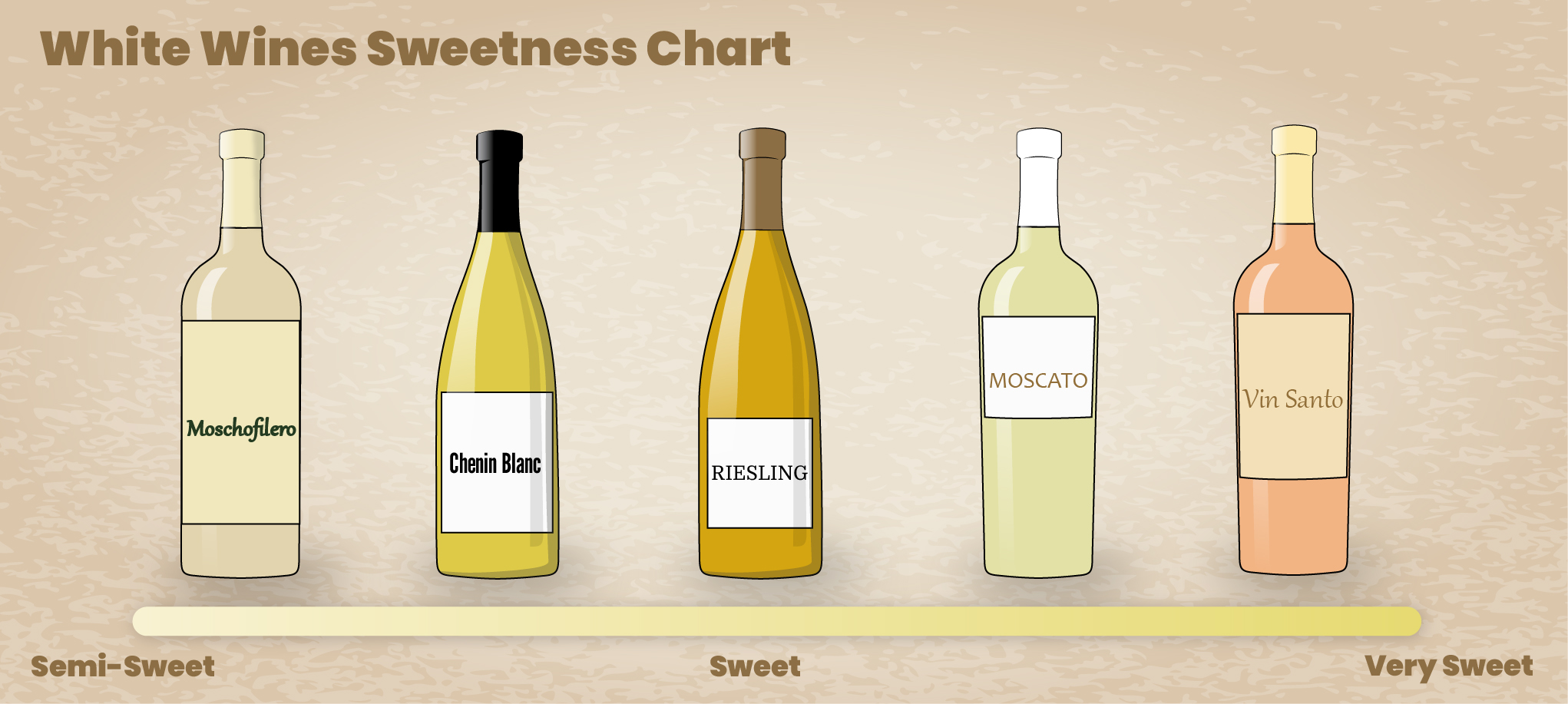
The price of sweet white wine varies dramatically, influenced by factors like grape varietal, production volume, appellation, aging potential, and rarity.
- Entry-Level Sweet Wines: Accessible options like Moscato d’Asti, some off-dry Rieslings, and certain fruit-forward sweet reds (though we are focusing on whites) can be found at very reasonable price points, offering excellent value for everyday enjoyment. These wines are typically produced in larger volumes and aim for broad consumer appeal.
- Mid-Range Sweet Wines: Well-made Chenin Blancs from South Africa, off-dry to medium-sweet Rieslings from Alsace, and some sweeter styles of Viognier can fall into this category. These wines offer a step up in complexity and often possess a pleasing balance of fruit, sweetness, and acidity, providing good value for those seeking more nuanced flavors.
- Premium and Luxury Sweet Wines: This category includes iconic wines like Sauternes, Barsac, German Beerenauslese and Trockenbeerenauslese, and Hungarian Tokaji Aszú. These wines are characterized by meticulous production, often involving hand-selection of botrytized grapes, and can command very high prices due to their rarity, complexity, and exceptional aging potential. A bottle of vintage Sauternes or Tokaji can appreciate significantly over time, making it an attractive option for collectors and investors. The investment potential here lies in the scarcity and the established reputation of these wines.
Understanding the price-to-value ratio is key. For instance, an off-dry Riesling from a reputable German producer might offer exceptional complexity and food-pairing versatility at a mid-range price, representing a better overall value for a discerning consumer than a less well-crafted, but similarly priced, sweeter wine. Conversely, for those looking to invest, the long-term appreciation potential of a rare dessert wine from a Grand Cru vineyard might justify a significant upfront cost.
Emerging Markets and Trends
The global wine market is constantly evolving.
- Resurgence of Interest in Classic Dessert Wines: While new trends emerge, there’s a consistent underlying demand for established sweet wines like Sauternes and Tokaji. Producers in these regions are continually innovating while respecting tradition, ensuring their wines remain relevant and desirable.
- Focus on Acidity and Balance: Modern winemaking emphasizes achieving a harmonious balance between sweetness and acidity. This focus has led to a renaissance of sweet wines that are not cloying but rather vibrant and refreshing, broadening their appeal to a wider consumer base and increasing their marketability.
- Artisanal and Small-Production Sweet Wines: As with many wine categories, there’s a growing interest in artisanal and small-production sweet wines from less conventional regions or grape varietals. These often offer unique flavor profiles and can represent a less saturated investment opportunity.
Navigating the market for sweet white wines requires an understanding of these diverse factors. For the astute consumer, it’s about identifying the right wine for the right occasion and price point. For the investor, it’s about recognizing the long-term value and rarity of select bottles.
Maximizing Value and Investment in Sweet White Wines
For individuals and institutions interested in the financial aspects of wine, sweet white wines offer unique opportunities for both enjoyment and potential appreciation. Their distinct characteristics, from aging potential to collectible status, make them a compelling segment of the wine market.
The Investment Case for Sweet White Wines
While often overlooked in favor of fine red Bordeaux or Burgundy, certain sweet white wines possess remarkable investment potential. This potential is driven by several key factors:
- Exceptional Aging Capacity: Many sweet white wines, particularly those produced with noble rot (botrytis cinerea) or from grapes with high natural acidity, have an extraordinary ability to age. Wines like Sauternes, Tokaji Aszú, and German Beerenauslese and Trockenbeerenauslese can evolve for decades, even centuries, in the bottle. As they mature, their flavors deepen, becoming more complex with notes of dried fruit, honey, marmalade, and spice. This longevity is a primary driver of their value on the secondary market. A bottle that was purchased at release for a moderate sum can become incredibly valuable decades later as its rarity and quality are recognized by collectors.
- Rarity and Limited Production: The production of high-quality sweet white wines, especially those affected by noble rot, is often highly dependent on specific climatic conditions that may not occur every year. This leads to limited vintages and, consequently, increased rarity. For example, a vintage of Sauternes or German Trockenbeerenauslese might be significantly smaller than its dry counterparts, making it more sought after by collectors. This scarcity directly impacts price and investment potential.
- Renowned Producers and Appellations: As with any collectible asset, the producer’s reputation and the prestige of the appellation are crucial. Wines from historic and celebrated regions such as Sauternes in Bordeaux, the Rheingau and Mosel in Germany, and Tokaj in Hungary, crafted by renowned estates, tend to hold their value and appreciate more predictably. Investing in a first-growth Sauternes or a highly-rated German Beerenauslese from a top producer is akin to investing in a blue-chip stock within the wine world.
- Demand from Connoisseurs and Collectors: A dedicated segment of wine collectors specifically seeks out high-quality sweet wines. These enthusiasts understand the unique pleasure and historical significance these wines represent. This consistent demand, coupled with the limited supply, creates a stable and often appreciating market.
Strategies for Acquisition and Portfolio Building
Building a collection of sweet white wines for investment requires a strategic approach:
- Focus on Vintage and Provenance: When acquiring wines for investment, prioritize older vintages from exceptional years. Thoroughly research the provenance of any wine you purchase, ensuring it has been stored correctly. Buying from reputable merchants, auction houses, or directly from producers with established storage facilities is paramount. The history of a bottle – how it has been stored since purchase – can significantly impact its value.
- Diversify Within the Category: While Sauternes and German Prädikat wines are stalwarts, consider diversifying with other excellent sweet white options. Top-tier Hungarian Tokaji Aszú, Italian Vin Santo, and certain Rhône dessert wines (like Muscat de Beaumes-de-Venise) can also offer good investment potential and add variety to a collection. Exploring less mainstream but high-quality options can sometimes lead to undervalued assets.
- Understand Cellaring Requirements: Sweet white wines, with their high sugar and acid content, are remarkably stable. However, proper cellaring conditions – consistent cool temperatures, moderate humidity, and darkness – are still essential to preserve their quality and maximize their aging potential. Investing in appropriate storage solutions, whether a dedicated wine fridge or a professional storage facility, is a necessary part of an investment strategy.
- Monitor Market Trends and Auctions: Stay informed about auction results and market trends for sweet white wines. This knowledge will help you identify wines that are currently undervalued or experiencing increased demand. Wine investment platforms and specialized market reports can be invaluable resources for this purpose.
- Enjoy Your Assets: While investing in wine can be financially rewarding, it’s also important to remember that wine is meant to be enjoyed. Consider a strategy that allows for a balance between wines to be held for appreciation and wines to be enjoyed at their peak. A well-curated collection can offer both financial growth and exquisite sensory experiences.
Risks and Considerations
While the investment case for sweet white wines is strong, it’s not without risks:
- Liquidity: The wine market, while growing, is less liquid than traditional financial markets. Selling wine can take time, and finding a buyer at your desired price may require patience.
- Market Volatility: Like any asset, wine prices can fluctuate. Economic downturns or shifts in consumer preferences can impact demand and prices.
- Storage Costs: If you are not storing wines at home, professional storage facilities charge fees that need to be factored into your investment costs.
- Authentication and Counterfeiting: In the high-end wine market, concerns about counterfeiting exist. Reputable sources and thorough due diligence are crucial to mitigate this risk.
By understanding these risks and employing sound investment strategies, individuals can effectively navigate the financial landscape of sweet white wines, potentially unlocking both delicious enjoyment and significant financial returns. The appreciation of these wines is not just monetary; it’s also an appreciation of craftsmanship, history, and the unique magic that nature and human intervention can create in a bottle.
aViewFromTheCave is a participant in the Amazon Services LLC Associates Program, an affiliate advertising program designed to provide a means for sites to earn advertising fees by advertising and linking to Amazon.com. Amazon, the Amazon logo, AmazonSupply, and the AmazonSupply logo are trademarks of Amazon.com, Inc. or its affiliates. As an Amazon Associate we earn affiliate commissions from qualifying purchases.