
The Sun, our magnificent star, is a celestial furnace of immense power, constantly churning and emitting a dazzling array of energy. While we often associate it with warmth and life-giving light, the Sun is also a dynamic and sometimes volatile entity. Among its most spectacular and impactful phenomena is the sun flare. Far from being a mere visual spectacle, sun flares have significant implications that resonate across various domains, including technology, brand perception, and even financial markets. Understanding what a sun flare is, how it occurs, and its potential consequences is crucial in our increasingly interconnected and technology-dependent world.
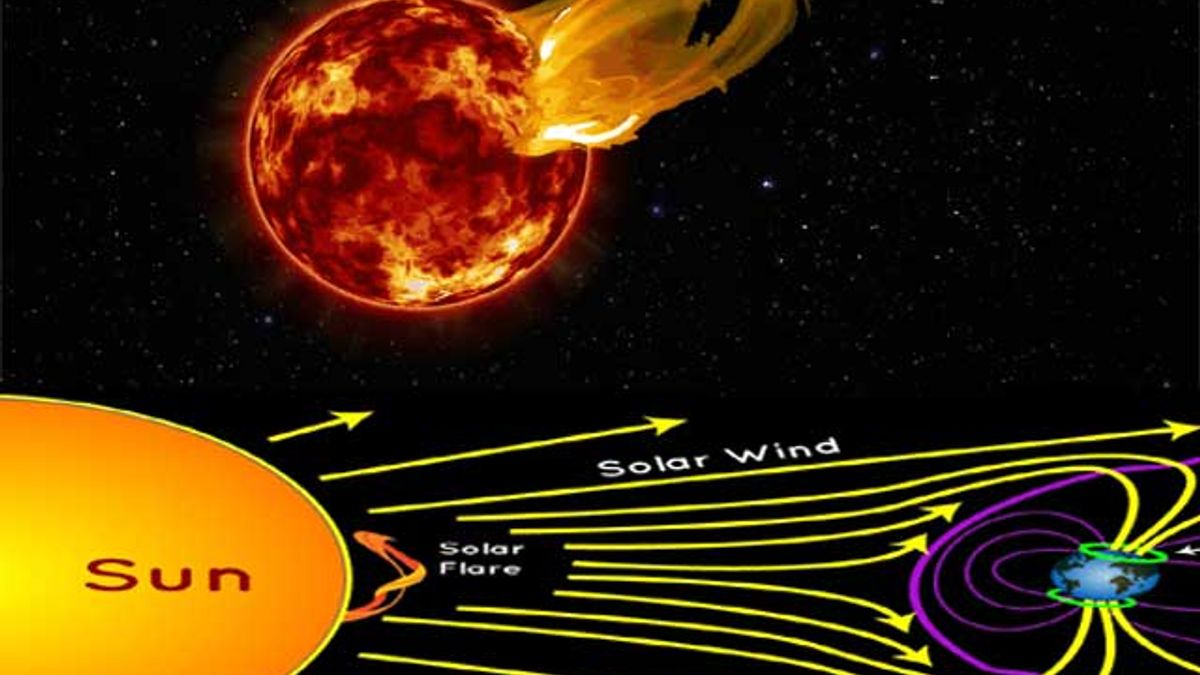
The Sun: A Dynamic Stellar Engine
To comprehend a sun flare, we must first understand the Sun itself. It’s not a static ball of gas; rather, it’s a complex and active system driven by powerful magnetic fields. These magnetic fields are generated by the movement of charged particles within the Sun’s interior, a process known as the solar dynamo. This magnetic activity is not uniform; it’s concentrated in certain regions, particularly in areas known as sunspots. Sunspots are cooler, darker regions on the Sun’s surface that appear due to intense magnetic activity inhibiting convection, the process that brings heat to the surface.
The Sun’s magnetic field lines can become twisted, tangled, and stressed, much like a rubber band being stretched. When these magnetic field lines snap or reconfigure violently, they release an enormous amount of energy. This sudden, rapid release of energy is what we observe as a solar flare.
The Mechanics of a Solar Flare
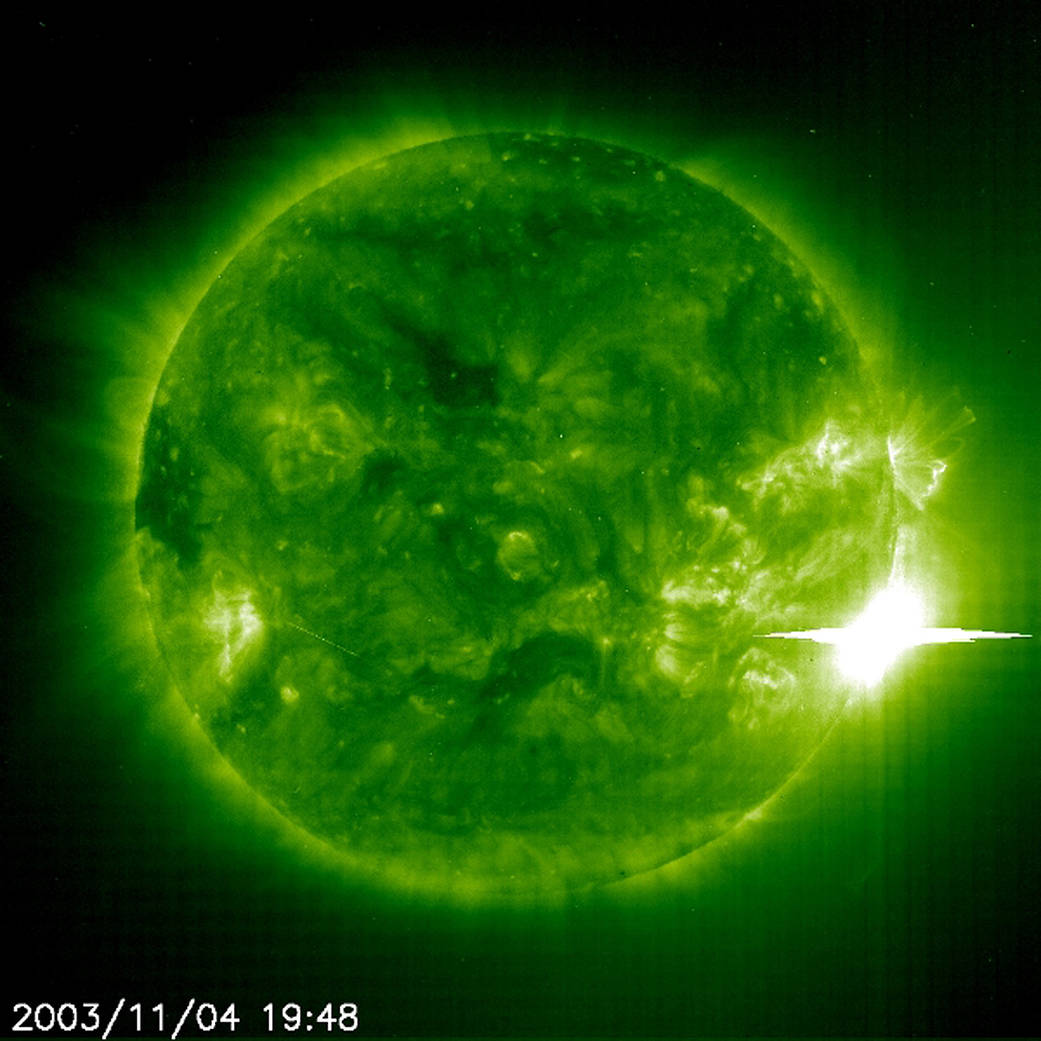
Solar flares are essentially colossal explosions that occur on the Sun’s surface. They are characterized by a sudden increase in brightness across a broad range of the electromagnetic spectrum, from radio waves to X-rays and gamma rays. The energy released can be equivalent to millions of hydrogen bombs detonated simultaneously.
The process can be visualized as follows:
- Magnetic Reconnection: Intense magnetic fields in the Sun’s atmosphere, particularly above active regions like sunspot groups, become highly stressed. This stress builds up as plasma (ionized gas) flows and twists the magnetic field lines. When these opposing magnetic field lines are pushed into close proximity, they can suddenly break and reconfigure into a simpler, lower-energy state. This rapid reordering is known as magnetic reconnection.
- Energy Release: The energy stored in the tangled magnetic field lines is instantaneously converted into kinetic energy, thermal energy, and electromagnetic radiation. This results in the acceleration of charged particles (electrons, protons, and heavier ions) to near the speed of light and the emission of intense radiation.
- Observable Signatures: The radiation emitted during a solar flare travels across the electromagnetic spectrum. The most visible manifestation for us on Earth is the sudden brightening of a specific region on the Sun’s surface. However, the flare also emits high-energy particles and radiation that are invisible to the naked eye but can have profound effects on our technology.
Solar flares are classified based on their X-ray intensity, using letters A, B, C, M, and X, with X being the most powerful. Each class is ten times more powerful than the preceding one, and within each class, there are sub-categories (e.g., X1, X2, etc.). While C-class flares are common and have little to no discernible Earth-wide effects, M-class flares can cause brief radio blackouts in polar regions, and X-class flares can cause planet-wide radio blackouts, disrupt satellite operations, and pose risks to astronauts in space.
The Far-Reaching Impacts of Solar Flares
The energy unleashed by a sun flare doesn’t simply dissipate into space. A significant portion travels outwards, interacting with the interplanetary medium and eventually reaching Earth and its technological infrastructure. These interactions can have a wide range of consequences, touching upon the very fabric of our modern lives.
Technological Disruptions: When Space Weather Meets Our Devices
Our reliance on technology has made us increasingly vulnerable to the unpredictable nature of space weather, with solar flares being a primary culprit. The charged particles and intense radiation emitted during a flare can wreak havoc on our sophisticated systems:
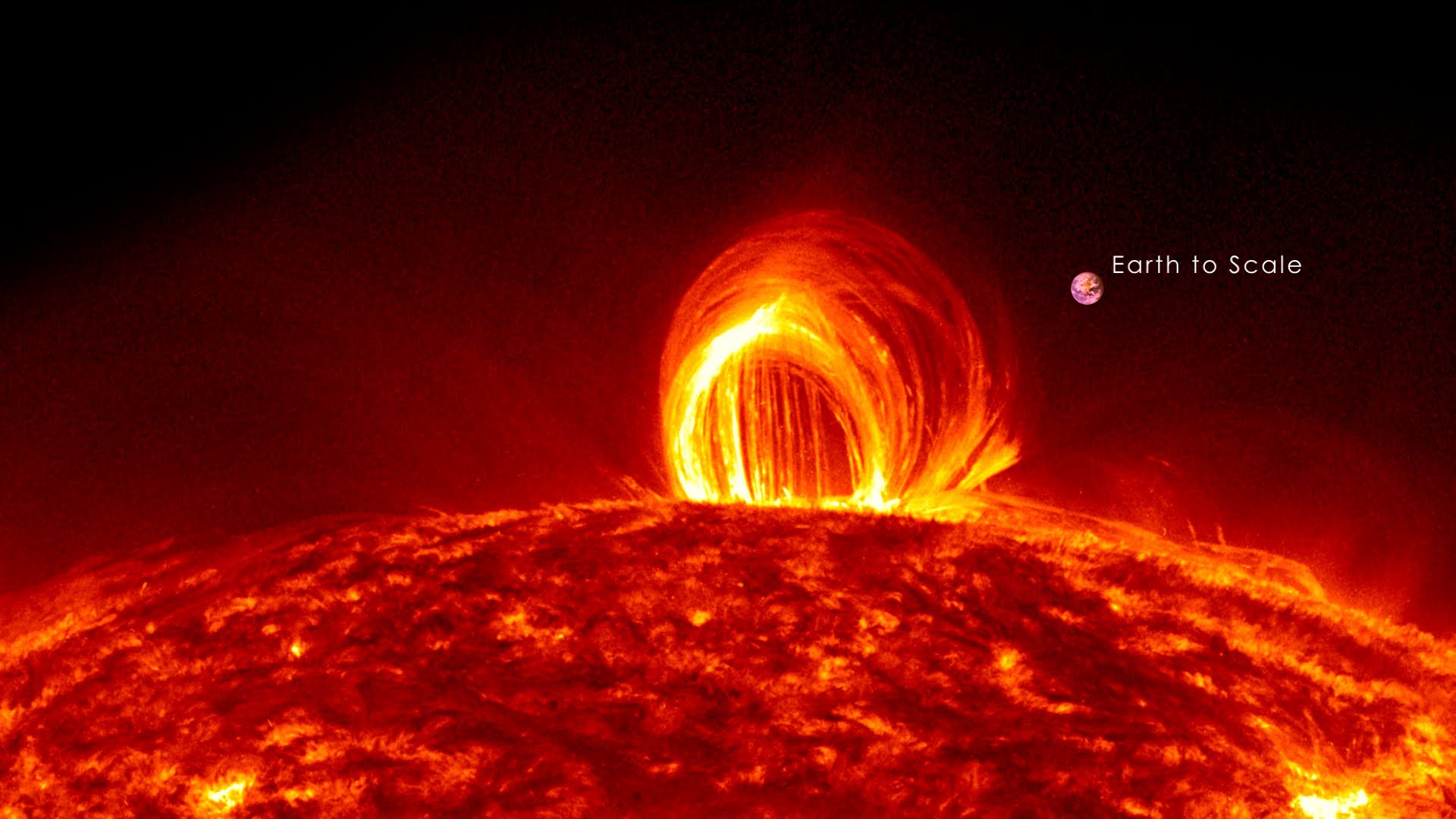
- Satellite Operations: Satellites, which are critical for communication, navigation (GPS), weather forecasting, and scientific research, are particularly susceptible. High-energy particles can damage sensitive electronic components, leading to temporary malfunctions or permanent failures. They can also increase atmospheric drag on low-Earth orbit satellites, causing them to deorbit faster.
- Radio Communication Blackouts: The X-rays and extreme ultraviolet radiation from a solar flare can ionize the Earth’s upper atmosphere (ionosphere). This increased ionization can absorb or scatter radio waves, leading to temporary but widespread radio blackouts, particularly affecting high-frequency (HF) communication used by aviation, shipping, and emergency services.
- GPS and Navigation Systems: The ionosphere plays a crucial role in the propagation of GPS signals. During a solar flare, the disturbed ionosphere can cause delays and errors in these signals, leading to inaccuracies in navigation and positioning. This can impact everything from ride-sharing services to precision agriculture.
- Power Grids: While not as direct an impact as on satellites, powerful solar flares can induce geomagnetic storms. These storms, in turn, can induce electrical currents in long conductors like power lines. If these induced currents become too strong, they can overload and damage transformers, leading to widespread power outages. The infamous Quebec blackout of 1989, caused by a geomagnetic storm, serves as a stark reminder of this vulnerability.
- Digital Security Risks: While solar flares don’t directly hack our computers, the disruptions they cause can indirectly affect digital security. Communication blackouts can hinder the ability of security systems to report incidents or receive updates. Furthermore, the increased radiation can potentially affect data integrity in some electronic systems, though this is a more complex and less frequent concern.
The interconnectedness of our technological infrastructure means that a single significant solar event can have cascading effects, highlighting the importance of space weather forecasting and mitigation strategies in the tech sector.
Brand Perception and Reputation in the Face of the Sun
While the immediate impact of a sun flare might seem purely physical or technological, it can also subtly influence how individuals and organizations perceive brands, and in turn, their own reputation. This is a less direct, but nonetheless significant, consequence.
- Reliability and Resilience: Brands that offer essential services heavily reliant on technology – think telecommunications companies, GPS providers, or cloud computing services – face a direct test during solar events. If their services are demonstrably disrupted, it can erode customer trust and damage their reputation for reliability. Conversely, brands that proactively communicate about potential disruptions, offer backup solutions, or demonstrate resilience during such events can actually enhance their brand image.
- Innovation and Preparedness: Companies at the forefront of developing technologies to mitigate the effects of space weather, such as more radiation-hardened satellites or advanced geomagnetic storm detection systems, can build a strong brand reputation as innovators and problem-solvers. Their marketing and public relations efforts can leverage these advancements to position themselves as leaders in a critical emerging field.
- Public Perception of Safety and Security: For sectors like aviation, where safety is paramount, disruptions caused by solar flares can lead to flight cancellations or delays. The way airlines and air traffic control manage these situations, and how transparently they communicate with the public, will directly impact their brand’s perception of safety and their ability to handle unforeseen circumstances.
- Personal Branding and Digital Footprint: For individuals, the impact is more indirect. If a solar flare causes widespread internet outages, it could temporarily disrupt individuals’ ability to maintain their online presence, manage their social media, or participate in online work. While not a direct brand threat, it highlights the fragility of our digital lives and the importance of having offline contingency plans, which can indirectly contribute to an individual’s perceived preparedness and professionalism.
Ultimately, a sun flare acts as a stress test for the resilience of our technological systems and, by extension, the brands that depend on them. Companies that can navigate these challenges with grace and foresight can emerge with an even stronger brand identity.
Financial Markets and Economic Ripples
The impact of solar flares on financial markets might not be as immediately apparent as power outages, but it’s a growing concern in our increasingly data-driven and globally connected economy.
- Disruption of Trading and Communication: Stock markets and financial institutions rely heavily on rapid, reliable communication and data flow. Widespread communication blackouts caused by solar flares can disrupt trading activities, delay transactions, and lead to market volatility. If trading platforms are inaccessible or data feeds are compromised, it can trigger panic selling or create opportunities for market manipulation.
- Impact on Investment Infrastructure: Many financial operations, from high-frequency trading to algorithmic investing, depend on satellites for timing and data transmission. Disruptions to GPS or communication satellites can create significant financial losses for firms that rely on these systems. The integrity of financial data itself could be compromised if data transmission is affected by charged particles.
- Economic Downturns and Recovery Costs: Significant power outages caused by geomagnetic storms can cripple businesses, disrupt supply chains, and lead to economic losses. The cost of repairing damaged infrastructure and the lost productivity can have a tangible impact on economic growth. Insurance claims related to such events can also put a strain on the financial sector.
- Investment in Space Weather Preparedness: As the risks associated with space weather become more apparent, there’s a growing opportunity for investment in companies and technologies that aim to predict, monitor, and mitigate the effects of solar flares and geomagnetic storms. This could include companies developing advanced satellite technology, improved power grid resilience solutions, or sophisticated space weather forecasting models.
- Commodity Prices: Disruptions to critical infrastructure, such as power grids or transportation networks, can affect the production and distribution of commodities. This can lead to price volatility in sectors ranging from energy to agriculture, impacting investment portfolios and the overall economy.
The interconnectedness of global finance means that even localized disruptions caused by a solar flare can have ripple effects across international markets. This underscores the importance of understanding and preparing for space weather events as a factor in financial risk management.
Conclusion: Living in Harmony with a Dynamic Sun
A sun flare is far more than just a celestial event; it’s a powerful reminder of the dynamic forces at play in our solar system and their profound influence on our planet and our way of life. From the seamless functioning of our smartphones and the global financial markets to the reputation of the brands we interact with daily, the Sun’s energetic outbursts have tangible and far-reaching consequences.
As our technological dependence grows, so too does our vulnerability to space weather. The tech industry is at the forefront of developing solutions, from more robust hardware to advanced forecasting models. Brands that can demonstrate resilience and preparedness will likely see their reputations strengthen, while those that falter may face significant challenges. Financially, understanding and mitigating the risks associated with solar activity is becoming an increasingly important aspect of investment and economic planning.
By continuing to study the Sun, invest in space weather research, and develop resilient technological infrastructure, we can learn to live more harmoniously with our magnificent, yet sometimes turbulent, star. The knowledge of what a sun flare is, and its potential impacts, empowers us to better prepare for and navigate the inevitable solar challenges that lie ahead.
aViewFromTheCave is a participant in the Amazon Services LLC Associates Program, an affiliate advertising program designed to provide a means for sites to earn advertising fees by advertising and linking to Amazon.com. Amazon, the Amazon logo, AmazonSupply, and the AmazonSupply logo are trademarks of Amazon.com, Inc. or its affiliates. As an Amazon Associate we earn affiliate commissions from qualifying purchases.