
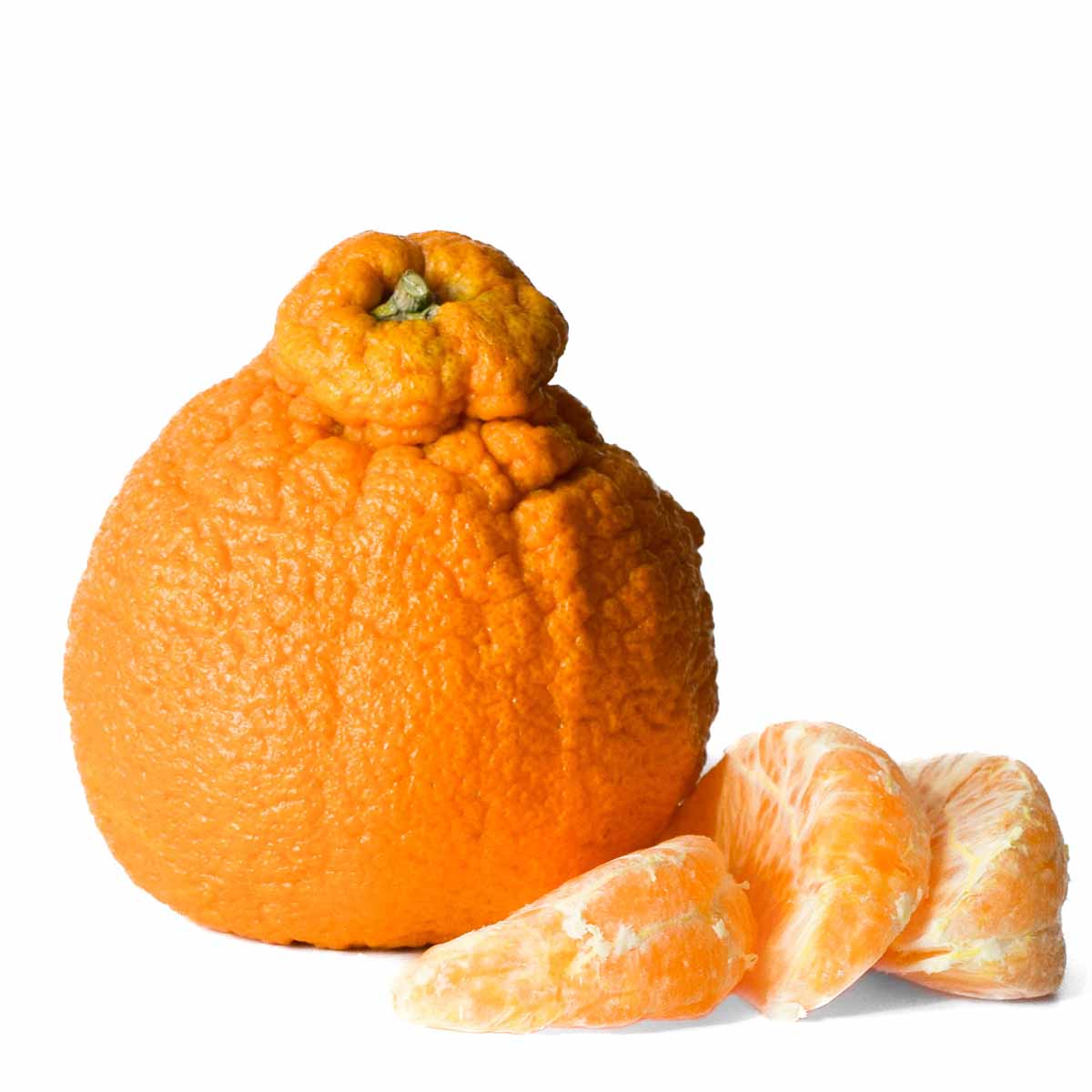
Sumo oranges, also known as deka-mikan or sumo mandarins, are a relatively new player in the citrus market, rapidly gaining popularity for their distinctive appearance, incredibly sweet flavor, and exceptional ease of peeling. This hybrid fruit, a cross between a Satsuma mandarin and a California navel orange, boasts a unique shape and a bulbous protrusion at the stem end, giving it a somewhat comical yet endearing resemblance to a sumo wrestler. Beyond their striking looks, however, lies a story of horticultural innovation, strategic branding, and a carefully cultivated market presence that has positioned the Sumo Orange not just as a fruit, but as a premium citrus experience.

While the immediate appeal of a Sumo Orange lies in its sensory attributes – its intense sweetness, low acidity, and seedless interior – understanding its journey from a horticultural curiosity to a sought-after product reveals a fascinating case study in Brand building within the agricultural sector. This is not simply about growing a good fruit; it’s about crafting an identity, cultivating consumer desire, and managing a supply chain that maximizes value. The story of the Sumo Orange is, in essence, a masterclass in how to cultivate a brand around a natural product, leveraging its unique characteristics into a compelling market proposition.
The Genesis of a Unique Hybrid: From Seed to Signature
The development of the Sumo Orange is a testament to careful horticultural selection and a long-term vision. Its lineage traces back to Japan, where it was first developed in the 1970s by agricultural researchers. The goal was to create a superior mandarin – one that combined the desirable traits of its parent varieties: the easy-peeling nature and sweetness of the Satsuma, and the large size and rich flavor of the navel orange. This breeding program, however, was not an overnight success. It took decades of cultivation and refinement to arrive at the Sumo Orange we know today.
A Deliberate Crossbreeding for Superiority
The parentage of the Sumo Orange is key to its remarkable qualities. The Satsuma mandarin, known for its loose skin and segmented sweetness, provided a foundation of easy consumption. The California navel orange, a staple in many diets for its substantial size and classic citrus flavor, contributed to the fruit’s overall volume and robust taste profile. The resulting hybrid exhibits the best of both worlds: a fruit that is incredibly easy to peel, virtually seedless, and possesses an unparalleled sweetness with a refreshing hint of tartness. This deliberate genetic engineering, while natural in its process, was aimed at creating a fruit that addressed common consumer frustrations with other citrus varieties – difficulty in peeling and the presence of seeds.
The Long Road to Market Readiness
The journey from a promising hybrid seedling to a commercially viable product was extensive. It required meticulous attention to cultivation techniques, optimal growing conditions, and rigorous quality control. The fruit’s unique characteristics demanded specific agricultural practices to ensure consistent quality and yield. This extended development period meant that the Sumo Orange remained a niche product for a considerable time, allowing its reputation to grow organically among those who had the opportunity to taste it. This patient approach to market introduction laid the groundwork for a more strategic branding effort once the fruit was ready for wider distribution.
Cultivating a Distinctive Brand Identity
The Sumo Orange’s success is intrinsically linked to its sophisticated branding strategy. Recognizing the fruit’s inherent uniqueness – its name, its shape, its superior taste – marketers and growers understood the potential to elevate it beyond a mere commodity. The brand was built not just on the fruit’s attributes but on the experience it offered, creating a perception of exclusivity and premium quality.
The Power of a Memorable Name and Visual Appeal
The name “Sumo Orange” itself is a masterstroke of branding. It’s catchy, evocative, and immediately conjures an image of the fruit’s distinctive, bulbous top. This visual cue, coupled with the memorable name, makes the Sumo Orange instantly recognizable and easily discussed. The “sumo wrestler” analogy is not just a descriptor; it’s a branding element that creates a playful and engaging personality for the fruit. This visual distinctiveness is a significant advantage in a crowded produce aisle, where differentiating oneself is crucial. The packaging and marketing materials have consistently reinforced this identity, using imagery and language that emphasizes its unique form and the fun associated with its name.
Positioning as a Premium Citrus Experience
From its inception, the Sumo Orange was positioned not as just another orange, but as a premium citrus experience. This strategy involved focusing on its superior taste, texture, and ease of consumption. Unlike many other fruits that are marketed based on price or availability, the Sumo Orange brand emphasizes quality and indulgence. This is reflected in its price point, which is typically higher than conventional oranges, and its distribution channels, which often include higher-end grocery stores and specialty markets. The brand narrative centers on the idea of a “treat” or a “special occasion” fruit, encouraging consumers to seek it out for its exceptional qualities rather than as a daily staple.
Strategic Marketing and Distribution: Ensuring Reach and Reputation
The successful brand building of the Sumo Orange is incomplete without a discussion of its strategic marketing and distribution efforts. These elements are crucial for translating the fruit’s inherent advantages into sustained market demand and a loyal customer base. The approach has been deliberate, focusing on creating awareness, educating consumers, and ensuring that the product is available where and when its target audience is most likely to seek it out.
Educating Consumers and Driving Demand
A key component of the Sumo Orange’s marketing strategy has been consumer education. Because it is a relatively new and distinct product, many consumers may not be familiar with it. Marketing campaigns have therefore focused on highlighting its unique selling propositions: its exceptional sweetness, seedlessness, and ease of peeling. This is often achieved through engaging content, such as recipe ideas, tasting notes, and behind-the-scenes glimpses into its cultivation. The aim is to build anticipation and create a desire for the fruit before consumers even encounter it in stores. This educational approach not only drives initial purchase but also fosters a deeper appreciation for the fruit, leading to repeat buys.
Controlled Supply and Seasonal Exclusivity
The Sumo Orange is a seasonal fruit, typically available from December through May. This seasonality has been strategically leveraged as part of its brand identity. By limiting its availability, the brand creates a sense of scarcity and desirability. The marketing often emphasizes the “limited time” aspect, encouraging consumers to enjoy the fruit while it’s in season. Furthermore, the growers and marketers have implemented a controlled distribution strategy. This means that the Sumo Orange is not simply shipped to every retailer. Instead, it is carefully placed in stores where its premium positioning will be best understood and appreciated by consumers. This controlled rollout ensures that the brand image is maintained and that the fruit is not devalued through overexposure or poor handling in less-than-ideal retail environments. This meticulous management of its supply chain reinforces its status as a premium, sought-after product.
The Sumo Orange Phenomenon: A Case Study in Agricultural Branding
The journey of the Sumo Orange from a Japanese horticultural experiment to a globally recognized and highly desirable fruit is a compelling narrative. It demonstrates that in today’s competitive marketplace, even natural products can benefit from sophisticated branding and marketing. The success of the Sumo Orange is not solely attributed to its inherent deliciousness, but to a deliberate and well-executed strategy that has transformed it from a mere fruit into a premium brand.
Beyond the Produce Aisle: Building Brand Loyalty
The Sumo Orange has transcended its role as a simple snack. Its brand has fostered a sense of anticipation and delight. Consumers actively seek out this specific fruit, often planning their grocery shopping around its availability. This level of brand loyalty is a significant achievement in the highly commoditized world of produce. The brand’s consistent focus on quality, its engaging marketing, and its unique identity have cultivated a dedicated following. This loyalty is not just about repeat purchases; it’s about consumers becoming advocates for the brand, sharing their positive experiences and recommending it to others, further amplifying its reach and desirability.

The Future of Premium Produce Branding
The Sumo Orange offers valuable lessons for other agricultural producers looking to differentiate their products. Its success underscores the importance of identifying and leveraging unique selling propositions, investing in a strong brand identity, and implementing strategic marketing and distribution. As consumer demand for high-quality, distinct, and experience-driven food products continues to grow, the principles demonstrated by the Sumo Orange brand are likely to become even more critical. It serves as a powerful example of how innovation, careful cultivation, and astute branding can elevate a natural product into a celebrated phenomenon.
aViewFromTheCave is a participant in the Amazon Services LLC Associates Program, an affiliate advertising program designed to provide a means for sites to earn advertising fees by advertising and linking to Amazon.com. Amazon, the Amazon logo, AmazonSupply, and the AmazonSupply logo are trademarks of Amazon.com, Inc. or its affiliates. As an Amazon Associate we earn affiliate commissions from qualifying purchases.