
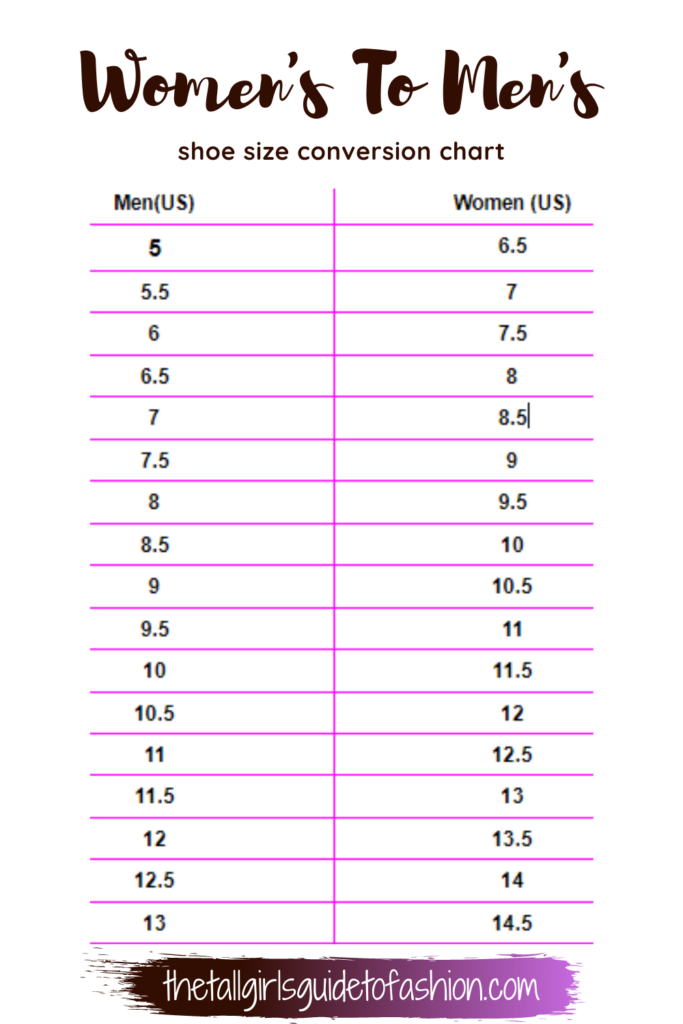
The quest to find the perfect fit can be a confounding labyrinth, especially when navigating the often-disparate sizing conventions between men’s and women’s apparel. The question, “What is a size 10 in women’s to men’s?” is a common one, stemming from the desire to purchase clothing for oneself or as a gift when faced with different sizing charts. While there’s no single, universally standardized conversion, understanding the general principles and common discrepancies can empower consumers to make more informed decisions. This article delves into the intricacies of women’s and men’s sizing, exploring the factors that contribute to their differences and providing practical strategies for bridging the gap.
Understanding the Fundamental Differences in Sizing Philosophy
At its core, the divergence in men’s and women’s sizing is rooted in historical and biological distinctions, which have shaped how garment manufacturers approach measurement and fit.
Biological and Anthropometric Variations
Men and women, on average, possess distinct body shapes and proportions. These anthropometric differences are a primary driver of separate sizing systems. Men tend to have broader shoulders and chests, narrower hips, and longer torsos relative to their height. Women, conversely, often have narrower shoulders, wider hips, and a different distribution of body fat, leading to curves that necessitate a different approach to garment construction.
Historically, clothing was designed with these generalized differences in mind. Men’s wear often prioritized a straighter, more utilitarian silhouette, focusing on measurements like chest circumference and inseam. Women’s wear, on the other hand, has historically accounted for a wider range of body types, including bust, waist, and hip measurements, with a greater emphasis on accommodating curves and a more varied fit.
The Evolution of Sizing Standards
It’s important to acknowledge that sizing standards have not always been as formalized as they are today. In the past, sizing was more bespoke and less standardized across brands. As mass production became the norm, industries began to establish their own sizing charts. These charts, however, were often developed independently for men’s and women’s lines, leading to the discrepancies we see today.
Furthermore, the fashion industry is constantly evolving, with trends influencing silhouettes and how garments are intended to fit. A “size 10” today might fit differently from a “size 10” from a decade ago, even within the same gender. This dynamic nature adds another layer of complexity to cross-gender sizing conversions.
Decoding Women’s Size 10: A Multifaceted Measurement
A women’s size 10 is not a monolithic designation. It represents a range of measurements and is influenced by various factors, including the type of garment and the brand’s specific sizing chart.
Typical Measurements for a Women’s Size 10
While exact measurements can fluctuate significantly between brands and garment types, a general guideline for a women’s size 10 often falls within these approximate ranges:
- Bust: 36-38 inches
- Waist: 28-30 inches
- Hips: 38-40 inches
- Inseam (for pants/skirts): This can vary widely depending on the style, but a standard inseam might be around 30-32 inches.
It’s crucial to remember that these are general estimates. A high-waisted skirt will have different measurement expectations than low-rise jeans, even within the same size. Similarly, a structured blazer will be cut differently than a flowy blouse.
Factors Influencing Women’s Sizing Variance
Several factors contribute to the variation in women’s sizing:
- Brand-Specific Sizing Charts: This is perhaps the most significant factor. Each brand develops its own sizing standards based on its target demographic and design aesthetic. A size 10 at one retailer might be equivalent to a size 8 or 12 at another.
- Garment Type and Fit: As mentioned, the style of the garment plays a crucial role. A “fit and flare” dress will be measured differently than a “bodycon” dress, even if both are labeled as a size 10. The intended ease (how much extra room is built into the garment) also impacts fit.
- Regional Differences: Sizing conventions can also vary by country. A US size 10 might not correspond directly to a UK or European size 10.
Bridging the Gap: Converting Women’s Size 10 to Men’s
Converting a women’s size 10 to its men’s equivalent requires a nuanced approach, focusing on key measurements rather than a direct numerical conversion. There is no single, universally accepted formula, as the differences in body shape are more significant than a simple numerical shift.
The Measurement-Based Approach: Chest and Waist are Key
The most reliable method for converting a women’s size 10 to a men’s size is by using individual measurements. The primary measurements to focus on are the chest and waist circumference.
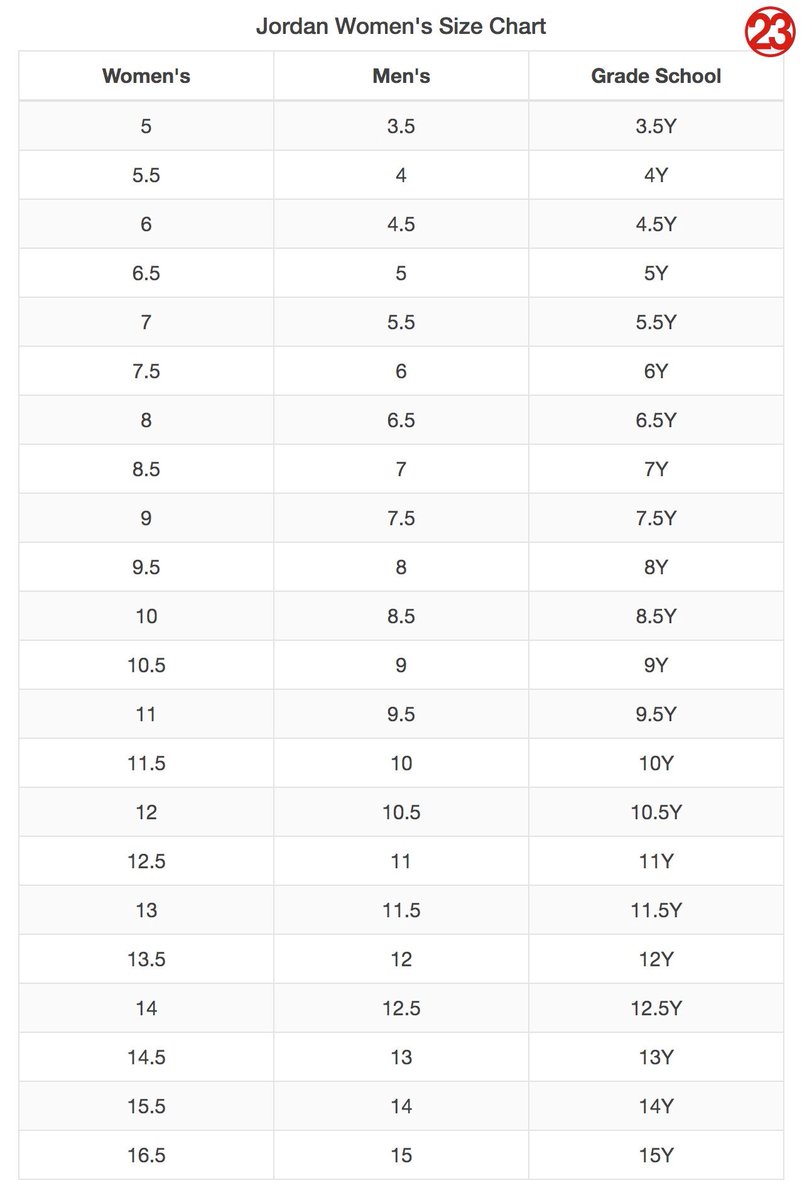
- Chest: For a women’s size 10, a typical bust measurement of 36-38 inches will generally translate to a men’s chest size of Medium (M). Men’s chests are typically measured around the fullest part of the chest.
- Waist: A women’s waist of 28-30 inches often corresponds to a men’s waist size of Small (S) to Medium (M), depending on the specific brand and how the men’s waist is measured (often at the natural waist or slightly lower).
Important Note on Other Garments:
- Pants/Jeans: For men’s pants, the sizing is usually expressed as waist x inseam (e.g., 32×30). If a woman wears a size 10 in women’s pants, her waist measurement (28-30 inches) would likely correlate to a men’s waist size of 28-30 inches. The inseam would then need to be chosen based on her leg length.
- Shirts/Tops: For men’s shirts and t-shirts, the “M” size is generally the closest approximation for a women’s size 10, considering the chest measurement. However, the shoulder width and sleeve length on men’s shirts might be more generous.
Common Men’s Sizing Equivalents and Considerations
When looking at men’s sizing charts, a women’s size 10 typically falls into these general categories:
- Men’s Small (S): This is often a good starting point for tops, especially if the wearer has a more slender build.
- Men’s Medium (M): This is frequently the most appropriate size for tops, particularly for those with a bust measurement closer to the higher end of the size 10 range.
- Men’s Pants: As mentioned, the waist measurement is the most critical factor. A women’s size 10 might correspond to men’s waist sizes like 28, 29, or 30.
Why Direct Numerical Conversion is Misleading:
It’s crucial to understand why simply subtracting or adding a fixed number is unreliable. Men’s sizing is often based on a straighter, more rectilinear fit, while women’s sizing accounts for curves. For example, a women’s size 10 with a larger bust and smaller waist will have a very different silhouette than a men’s size that might have the same chest circumference but a less defined waist.
Practical Strategies for Successful Cross-Gender Sizing
Navigating the complexities of cross-gender apparel sizing requires a proactive and informed approach. Armed with the right knowledge and tools, consumers can minimize the guesswork and maximize their chances of finding a well-fitting garment.
The Power of Measuring Yourself
The most effective strategy for accurate sizing, regardless of gender or the intended recipient, is to take precise body measurements.
- Chest/Bust: Measure around the fullest part of your chest, keeping the tape measure parallel to the floor. For men, this is often referred to as the chest measurement.
- Waist: Measure around your natural waistline, typically the narrowest part of your torso, usually just above the hip bones.
- Hips: Measure around the fullest part of your hips and buttocks.
- Inseam (for pants): Measure from the crotch seam down to the hem of a pair of well-fitting pants. Alternatively, measure from your crotch to your desired hemline while standing.
- Shoulder Width: Measure from one shoulder seam to the other across the back.
- Sleeve Length: Measure from the shoulder seam down to the cuff.
Once you have these measurements, compare them to the specific brand’s sizing chart for the garment you are interested in. Most reputable online retailers will provide detailed sizing guides.
Leveraging Brand Sizing Charts and Fit Guides
Never assume. Always consult the sizing chart provided by the specific brand you are purchasing from. These charts are your most valuable tool. Look for:
- Specific Measurements: Ensure the chart lists actual measurements (in inches or centimeters) for each size, not just abstract numbers.
- Fit Descriptions: Brands often provide descriptions like “slim fit,” “regular fit,” or “relaxed fit.” This information is critical in understanding how a garment is intended to drape on the body.
- Model Information: If available, look at the height and typical size worn by the models. This can offer a visual reference.
Understanding “Unisex” and “Gender-Neutral” Apparel
The rise of “unisex” or “gender-neutral” clothing offers a potential solution for some sizing challenges. These garments are designed with a more neutral fit, often prioritizing comfort and a less body-conscious silhouette. However, sizing can still vary significantly within this category, and it’s still advisable to refer to the brand’s specific sizing recommendations.
Trial and Error: The Role of Returns and Exchanges
Even with the best preparation, there might be instances where a garment doesn’t fit as expected. This is where a generous return and exchange policy becomes invaluable. Familiarize yourself with the retailer’s policy before making a purchase, especially when buying online or when trying to convert between sizing systems. Many retailers offer free returns, which can significantly reduce the risk associated with online apparel shopping.
Seeking Professional Advice and Tailoring
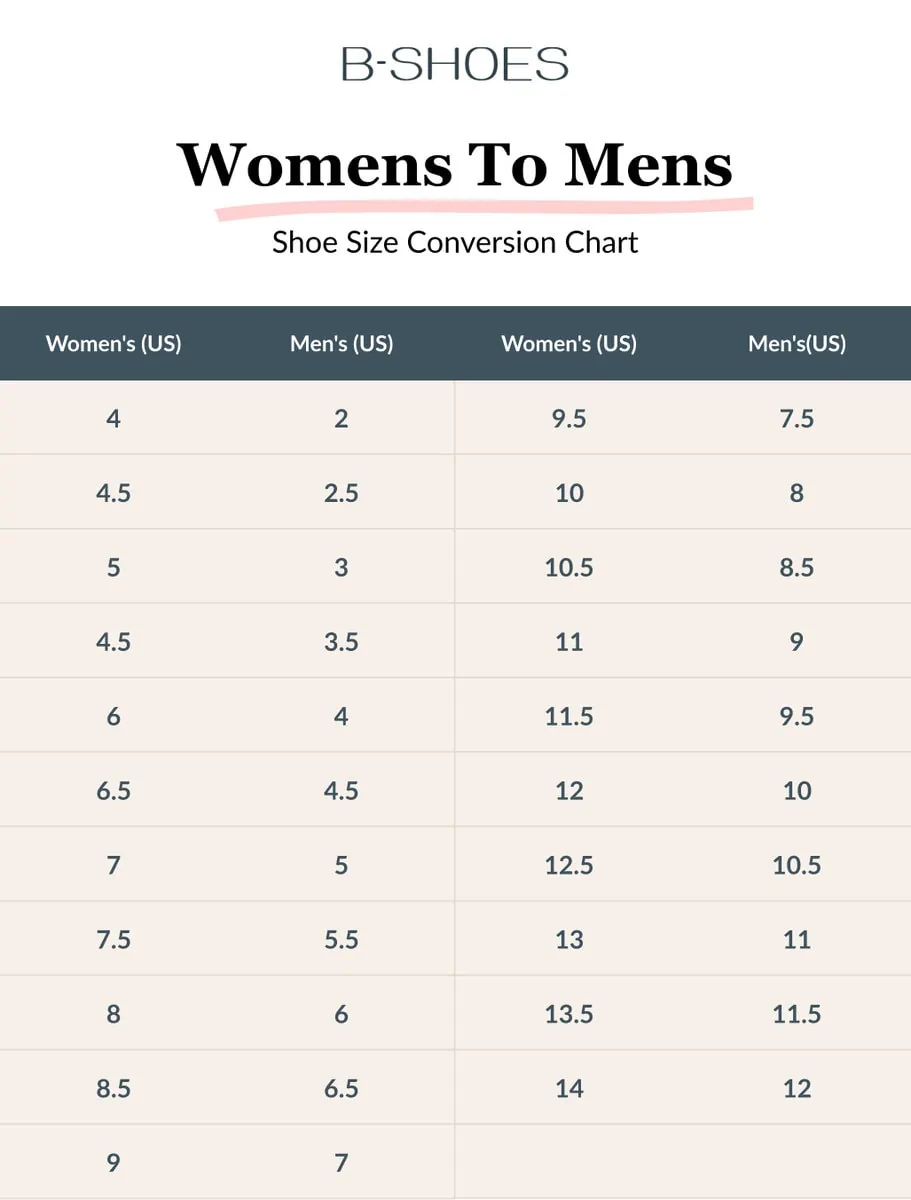
For those who frequently struggle with fit or are looking for specific garment types, consulting with a professional tailor can be an excellent investment. A tailor can take precise measurements and advise on the best sizing options or even alter existing garments for a perfect fit. Additionally, knowledgeable sales associates in brick-and-mortar stores can offer valuable guidance.
By understanding the fundamental differences in sizing philosophy, meticulously taking measurements, and leveraging available resources, consumers can confidently navigate the often-intimidating world of cross-gender apparel sizing, transforming the question of “what is a size 10 in women’s to men’s?” into a solvable equation.
aViewFromTheCave is a participant in the Amazon Services LLC Associates Program, an affiliate advertising program designed to provide a means for sites to earn advertising fees by advertising and linking to Amazon.com. Amazon, the Amazon logo, AmazonSupply, and the AmazonSupply logo are trademarks of Amazon.com, Inc. or its affiliates. As an Amazon Associate we earn affiliate commissions from qualifying purchases.