
In the intricate world of finance, business, and law, the term “signatory” is a cornerstone of authority, accountability, and the formalization of agreements. While seemingly straightforward, understanding the nuances of who a signatory is, what their responsibilities entail, and the implications of their actions is crucial for navigating complex transactions and ensuring the legitimacy of various financial and legal instruments. This article will delve into the multifaceted role of a signatory, exploring their definition, the different contexts in which they operate, and the critical importance of their function, all within the realm of Money.
The Fundamental Definition: Who is a Signatory?
At its core, a signatory is an individual or entity authorized to sign official documents, thereby binding themselves or the organization they represent to the terms and conditions of that document. This authorization is not merely a matter of physical presence; it stems from a designated power or responsibility. The act of signing is a formal declaration of intent, agreement, and legal commitment.

Authority and Authorization: The Basis of Power
The authority of a signatory is not self-proclaimed. It is typically granted through a formal delegation of power. This can occur in several ways:
- Legal Mandate: In certain roles, such as corporate officers (CEO, CFO, Secretary), individuals are legally empowered to act on behalf of their organization. Their position inherently grants them signatory authority for specific types of transactions.
- Board Resolutions/Corporate Bylaws: Companies often have internal policies and resolutions that explicitly designate individuals with signatory powers for bank accounts, contracts, and other financial instruments. These documents outline the scope of their authority, including any limitations or required co-signatories.
- Power of Attorney: An individual can grant signatory power to another person through a Power of Attorney (POA) document. This legal instrument specifies the extent of the delegated authority and the period for which it is valid, commonly used in situations where the principal is unable to manage their own affairs.
- Delegation by Agreement: In partnerships or joint ventures, partners may agree to authorize specific individuals to sign on behalf of the partnership. This is usually codified in a partnership agreement.
- Account Mandates: For bank accounts, especially business accounts, the bank requires a mandate that clearly lists authorized signatories and their respective signing authorities. This document dictates who can access funds and execute transactions.
The key takeaway is that a signatory possesses a legitimate and recognized right to append their signature, which carries legal weight and consequence. Without this established authority, a signature is merely an inscription with no binding power.
The Act of Signing: More Than Just a Mark
The physical act of signing is the outward manifestation of a signatory’s commitment. However, the implications extend far beyond the pen stroke:
- Legal Binding: When a signatory signs a document, they are legally agreeing to its contents. This can include financial obligations, contractual terms, declarations of fact, or the transfer of assets.
- Accountability: Signatories are accountable for the decisions and commitments they make through their signatures. They can be held personally liable in certain circumstances, particularly if they act outside the scope of their authority or in a fraudulent manner.
- Verification and Due Diligence: Financial institutions and legal professionals rely on signatories to verify the authenticity and appropriateness of documents before signing. This often involves a degree of due diligence to ensure the transaction aligns with the authorized purpose.
Signatories in the Financial Landscape: From Banks to Investments
The concept of a signatory is ubiquitous in the financial world, playing a critical role in safeguarding assets, facilitating transactions, and ensuring compliance.
Bank Accounts: The Gatekeepers of Funds
One of the most common and vital roles for signatories is in the management of bank accounts, especially those belonging to businesses, trusts, and estates.
- Individual Accounts: While less common for everyday transactions, individuals might designate signatories on their personal bank accounts, often for estate planning purposes or in anticipation of incapacitation. This allows a trusted individual to manage funds if the account holder is unable to do so.
- Joint Accounts: In joint accounts, both account holders are typically signatories and can independently access funds. However, joint accounts can also have specific signatory requirements for certain large transactions or withdrawals, sometimes requiring both parties to sign.
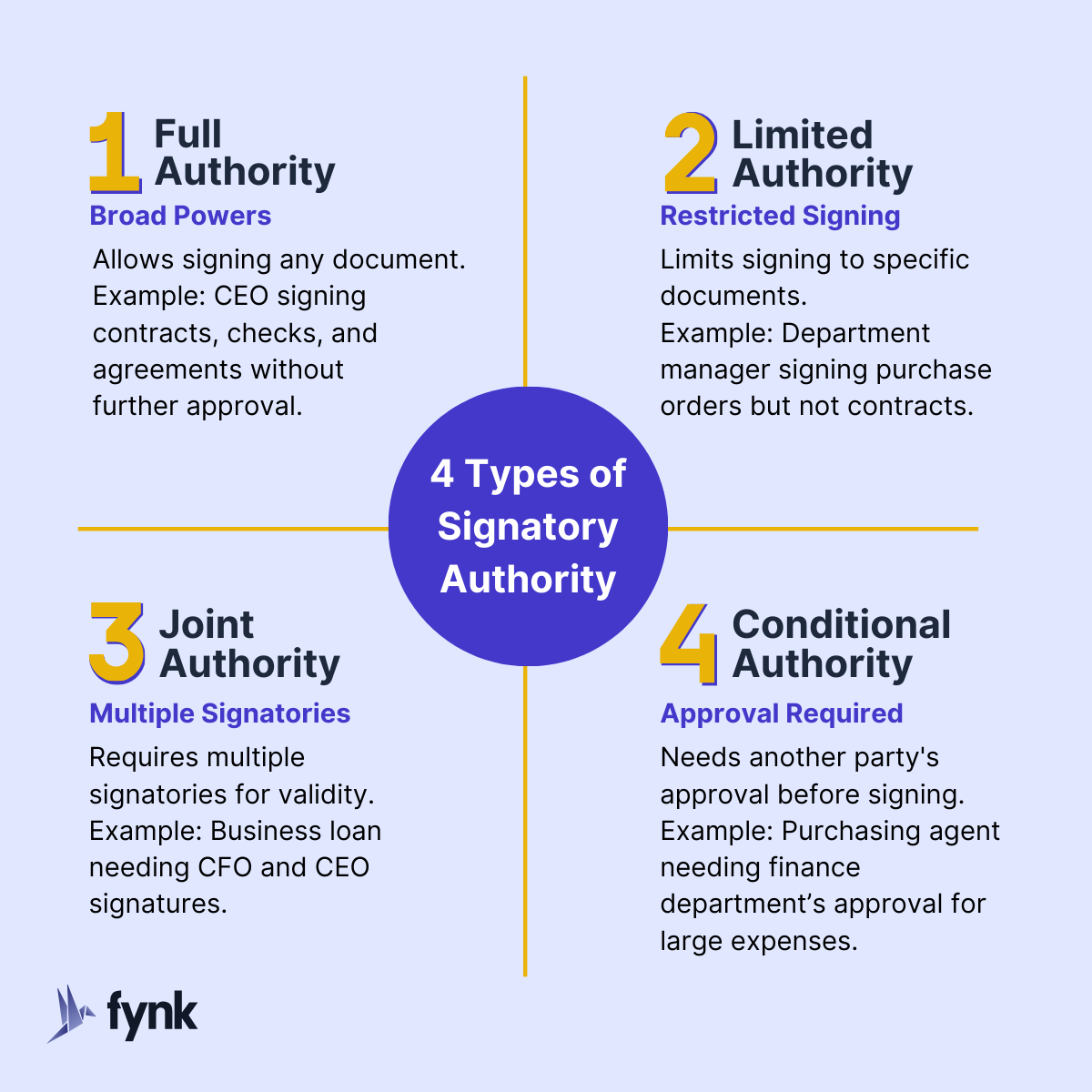
- Business and Corporate Accounts: This is where signatory roles are most prevalent and critical. Companies will have authorized signatories on their operating accounts, payroll accounts, and investment accounts. The bank mandate will specify who can deposit, withdraw, transfer funds, and authorize payments. This is a crucial internal control mechanism to prevent unauthorized access and misuse of company funds. For instance, a business might require one signatory for routine transactions but two signatories for withdrawals exceeding a certain threshold.
- Trust and Estate Accounts: When a trust or estate is established, the appointed trustee or executor becomes the signatory for the associated bank accounts. Their signature is required to manage the assets of the trust or estate according to the terms outlined in the trust deed or will.
Investment and Trading Accounts: Executing Financial Strategies
Signatories are also integral to investment and trading activities, particularly for entities and individuals managing substantial portfolios.
- Brokerage Accounts: Individuals and institutions with brokerage accounts authorize specific individuals to trade securities on their behalf. This can be a financial advisor or an internal trading desk. The signatory’s role here is to execute trades in accordance with investment strategies and mandates.
- Institutional Investment: For pension funds, mutual funds, and other large investment vehicles, a designated signatory (often a treasurer, chief investment officer, or a committee member) will sign off on significant investment decisions, purchase agreements, and other financial instruments that commit the fund’s capital. This ensures that investments are made responsibly and in line with fund objectives.
- Derivatives and Financial Contracts: The signing of complex financial derivatives, such as options, futures, and swaps, requires authorized signatories. These contracts can involve significant financial exposure, and the signatory’s signature confirms the agreement to these potentially high-risk, high-reward instruments.
Loans and Credit Facilities: Formalizing Debt Obligations
When businesses or individuals seek loans or credit facilities, signatories play a pivotal role in formalizing these debt obligations.
- Loan Agreements: The principal borrowers, whether individuals or corporate entities, will have authorized individuals sign the loan agreements. This signature signifies their legal commitment to repay the loan, including the principal amount, interest, and any associated fees, under the stipulated terms and conditions.
- Guarantees and Collateral Agreements: In cases where loans are secured by collateral or personal guarantees, the signatories are not only agreeing to the loan terms but also pledging assets or their personal creditworthiness to back the debt. This carries significant financial implications for the signatory.
- Lines of Credit: For revolving lines of credit, authorized signatories are empowered to draw down funds up to the approved limit and manage the repayment schedules.
The Legal and Ethical Implications of Being a Signatory
The power and responsibility vested in a signatory are accompanied by significant legal and ethical considerations. Misunderstandings or willful disregard of these can lead to severe consequences.
Scope of Authority and Liability: Navigating the Boundaries
A signatory’s actions are confined by their defined scope of authority. Exceeding this scope can lead to personal liability and negate the binding nature of the signature for the entity they represent.
- Ultra Vires Acts: If a signatory signs a document that falls outside the powers granted to them or the entity they represent, the action is considered “ultra vires” (beyond the powers). In such cases, the signatory may be held personally liable for any losses or damages incurred. For example, if a company director signs a contract for a business venture that is completely unrelated to the company’s stated objectives and not authorized by the board, they could be personally responsible for the outcome.
- Fraud and Misrepresentation: A signatory who knowingly signs a fraudulent document or makes misrepresentations can face severe legal penalties, including civil lawsuits and criminal charges. This includes situations where they are aware that the document contains false information or is intended to deceive others.
- Negligence: Even without intent to defraud, a signatory can be held liable for negligence if they fail to exercise reasonable care and diligence when reviewing and signing documents. This is particularly relevant when signing financial agreements that have substantial implications. For instance, failing to read and understand the terms of a complex loan agreement before signing could be considered negligent.
The Importance of Internal Controls and Due Diligence
To mitigate the risks associated with signatory actions, robust internal controls and a commitment to due diligence are paramount.
- Clear Authorization Policies: Organizations must have clearly defined policies and procedures that outline who has signatory authority for various types of transactions and the required approval processes. This includes specifying limits, co-signatory requirements, and the documentation needed.
- Regular Review of Signatory Lists: Bank mandates and corporate resolutions related to signatory authority should be reviewed periodically to ensure they reflect current personnel and organizational structure.
- Training and Education: Signatories should receive adequate training on their responsibilities, the types of documents they are authorized to sign, and the legal and financial implications of their actions.
- Segregation of Duties: Where possible, duties related to initiating, approving, and executing financial transactions should be segregated to prevent a single signatory from having complete control over a process.

Electronic Signatures: A Modern Evolution
In the digital age, the concept of a signatory has evolved to include electronic signatures. While the physical act of signing may differ, the legal intent and accountability remain largely the same.
- Legal Recognition: Electronic Signatures in Global and National Commerce Act (ESIGN) in the U.S. and similar legislation globally grant legal validity to electronic signatures, provided certain criteria are met, such as clear intent to sign and a method that links the signature to the signatory.
- Security and Authentication: Digital platforms employ various methods to authenticate electronic signatories, ensuring that the person signing is indeed who they claim to be. This often involves multi-factor authentication, digital certificates, or unique login credentials.
- Efficiency and Accessibility: Electronic signatories streamline business processes, reduce paper waste, and enable faster transaction completion, making them increasingly prevalent in financial and legal documentation.
In conclusion, the role of a signatory is fundamental to the functioning of the financial world. They are the authorized individuals who, through their signature, legitimize transactions, bind entities to agreements, and assume accountability for their commitments. Understanding the definition, authority, responsibilities, and potential liabilities associated with being a signatory is not just a matter of legal formality; it is essential for sound financial management, risk mitigation, and the successful navigation of complex business dealings. As the financial landscape continues to evolve, so too will the methods and implications of signatory actions, but the core principle of authorized commitment will remain a constant.