
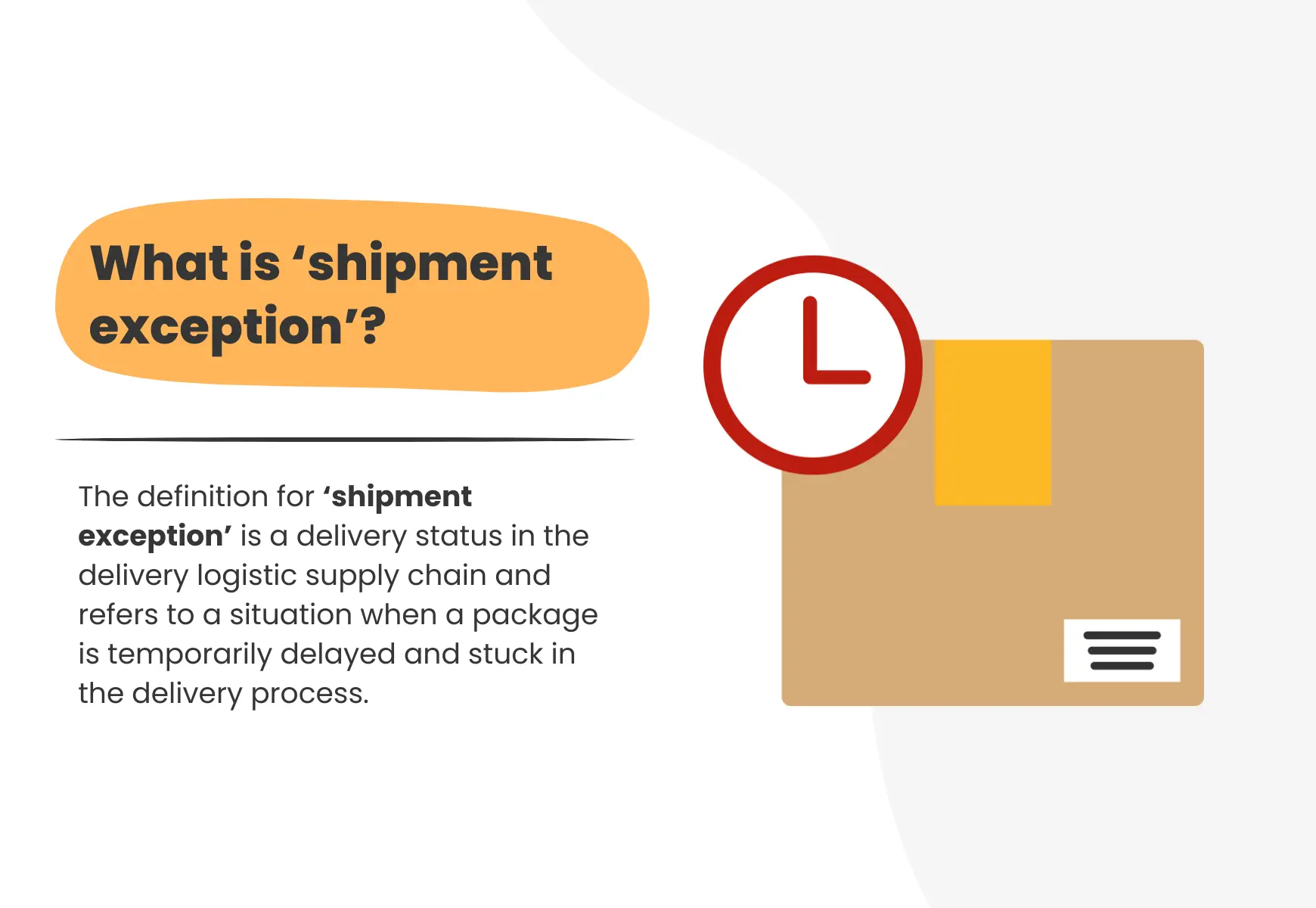
In the complex ecosystem of global e-commerce and supply chain management, the term “shipment exception” often triggers immediate concern for both retailers and consumers. However, from a technical perspective, a shipment exception is simply a data status—a notification within a logistics software system indicating that a package has encountered a temporary delay or a change in its scheduled delivery path. While it sounds ominous, it is a critical component of modern tracking algorithms designed to provide transparency in the movement of goods.
In the current high-tech logistics era, shipment exceptions are no longer black holes of information. They are data-rich events managed by sophisticated software, artificial intelligence, and integrated APIs. Understanding what a shipment exception is requires a deep dive into the technology that powers the global movement of freight.
Defining the Shipment Exception in the Digital Age
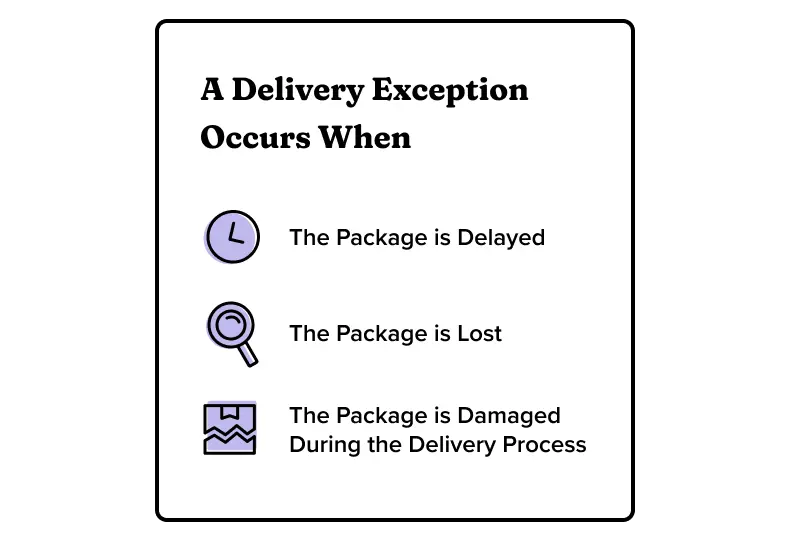
At its core, a shipment exception occurs when a package’s progress is interrupted by an unforeseen event, preventing it from meeting its original estimated time of arrival (ETA). In the backend of a carrier’s Transportation Management System (TMS), this triggers a status update that overrides the standard “In Transit” or “Out for Delivery” markers.
The Anatomy of a Tracking Status
Every package is assigned a unique digital identity, usually represented by a barcode or an RFID tag. As the package moves through various “nodes”—sorting facilities, customs hubs, and delivery vehicles—it is scanned. Each scan updates a centralized database. A shipment exception is generated when a scan occurs at an unexpected time or location, or when a scheduled scan fails to happen within a specific timeframe. The technology interprets these anomalies and automatically categorizes them to alert the logistics provider.
How Logistics Software Categorizes Exceptions
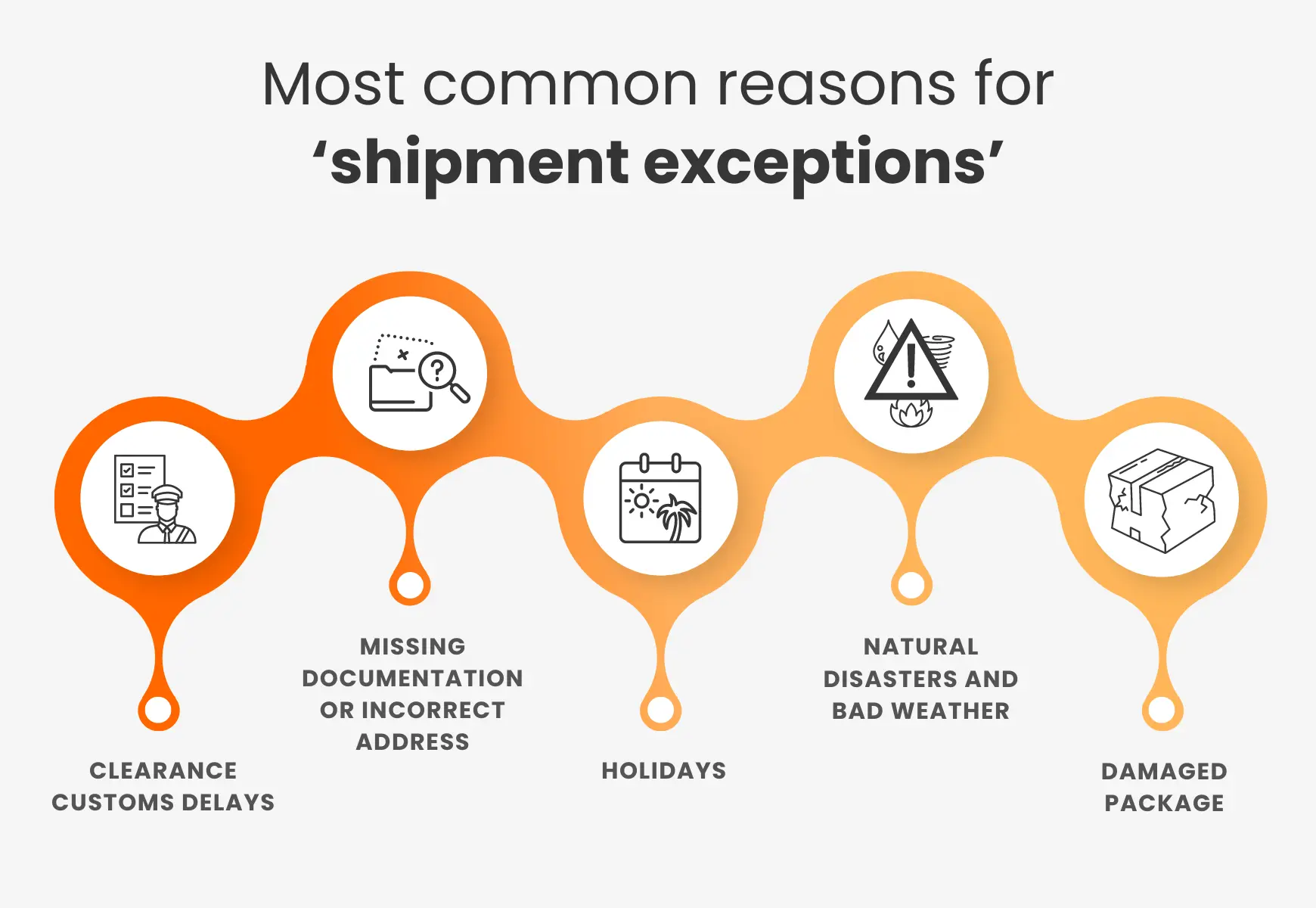
Modern logistics platforms like FedEx, UPS, and DHL use automated categorization for exceptions. When a sensor or a manual scanner flags an issue, the software assigns a “reason code.” These codes might include “Address Deficiency,” “Customs Delay,” or “Weather Delay.” By categorizing these exceptions through software, carriers can provide granular data to the end-user, allowing for more precise troubleshooting rather than leaving the recipient with a vague “delayed” status.
Common Technical Triggers for Shipment Exceptions
While physical factors like a flat tire or a closed road can cause delays, many shipment exceptions are the result of data failures or technical hurdles within the logistics chain.
Address Validation Failures and Geo-fencing Issues
One of the most frequent causes of a shipment exception is an incorrect or incomplete address. Modern delivery software relies heavily on Address Validation APIs (such as those provided by Google Maps or Loqate). If the data entered at the point of sale does not match the geographic coordinates in the carrier’s database, the system will flag a “Delivery Exception.”
Furthermore, many delivery vehicles use geo-fencing technology. If a driver’s GPS indicates they are at the correct location, but the software determines the package is assigned to a different zone, an exception is triggered to prevent a misdelivery. This technological safeguard ensures accuracy but results in a temporary halt in the delivery process.
Customs Clearing Algorithms and Documentation Errors
For international shipments, the “Customs Exception” is a common occurrence. This is often a result of digital documentation discrepancies. In the age of paperless invoicing, customs authorities use automated screening systems to match Electronic Data Interchange (Interchange (EDI) files with the physical contents of a shipment. If there is a mismatch in the Harmonized System (HS) codes—the international nomenclature for classifying products—the software will automatically hold the shipment for manual inspection.
Weather and Natural Disasters: Data-Driven Delay Forecasting
While weather is a physical event, the way it is handled in logistics is purely technical. Advanced logistics networks are integrated with meteorological data feeds. When a hurricane or a blizzard is forecasted, predictive algorithms automatically reroute packages or proactively issue “Weather Exceptions.” This prevents packages from being trapped in a disaster zone, allowing the system to recalculate delivery timelines based on the predicted path of the storm.
The Role of AI and Machine Learning in Exception Management
The logistics industry is currently undergoing a massive shift toward “Autonomous Logistics,” where AI and Machine Learning (ML) are used to manage and mitigate shipment exceptions before they even occur.
Predictive Analytics: Stopping Exceptions Before They Happen
Machine learning models are now capable of analyzing historical data to predict which shipments are most likely to experience an exception. For example, if data shows that a specific sorting hub in Chicago consistently experiences delays on Tuesday nights due to high volume, the AI can suggest an alternative routing through a different hub. By identifying these patterns, logistics software can proactively adjust the “In Transit” path, effectively avoiding the exception altogether.
Automated Rerouting Protocols
When a shipment exception does occur, the speed of resolution is determined by the software’s ability to reroute the package. Historically, this required human intervention. Today, cloud-based logistics platforms use automated rerouting protocols. If a package is flagged with a “damaged label” exception, the system can automatically trigger a request at the nearest hub to print a new label based on the digital twin of the shipment data, minimizing the time the package sits idle.
Integrating Exception Data into the E-commerce Stack
For businesses, the real value of understanding shipment exceptions lies in how this data is integrated into their own technology stack. Seamless communication between carrier APIs and the merchant’s platform is essential for modern customer service.
API Hooks and Real-Time Customer Notifications
Most modern e-commerce platforms (like Shopify, Magento, or custom builds) utilize Webhooks and APIs to pull tracking information from carriers. When a shipment exception status is updated in the carrier’s database, a Webhook triggers an automatic update in the merchant’s system. This allows the merchant to send an automated email or SMS to the customer, explaining the nature of the exception and providing an updated ETA. This “proactive notification” technology is vital for maintaining transparency and reducing the load on customer support teams.
Centralized Dashboards for Logistics Monitoring
Large-scale retailers use “Control Tower” software—a centralized dashboard that aggregates data from multiple carriers. These dashboards use data visualization to highlight “exception hot spots.” If 5% of all packages going to California are currently under a “Shipment Exception” status, logistics managers can see this trend in real-time and investigate whether it is a carrier-specific issue or a broader regional problem. This high-level technical oversight allows companies to make data-driven decisions about which carriers to use during peak seasons.
The Future of Shipping Tech: Minimizing the “Exception”
As we look toward the future, the goal of logistics technology is to make the “shipment exception” a rare anomaly rather than a standard part of the process.
Blockchain and Smart Contracts in Global Logistics
Blockchain technology is being explored as a solution for documentation-related exceptions. By using a decentralized ledger, all parties in the supply chain—the manufacturer, the carrier, and customs—can access a single, unalterable version of the shipment data. Smart contracts could automatically release shipments from customs once specific digital conditions are met, eliminating the delays caused by missing paperwork or manual data entry errors.
The Rise of IoT and Real-Time Telemetry
The Internet of Things (IoT) is bringing a new level of visibility to shipments. Smart sensors can now be placed inside individual containers or even high-value packages to monitor temperature, humidity, and tilt. Instead of a generic “Shipment Exception,” a logistics manager could receive a technical alert stating that a temperature-sensitive pharmaceutical shipment has exceeded its safe range. This allows for immediate technical intervention, such as adjusting the refrigeration unit remotely or rerouting the package to a cold-storage facility, potentially saving the shipment.
In conclusion, a shipment exception is a vital data point in the sophisticated world of modern logistics. It is the system’s way of flagging a deviation from the plan, and through the use of AI, API integrations, and real-time tracking, it has become a manageable aspect of the supply chain. For those navigating the tech landscape of 2024 and beyond, mastering the data behind these exceptions is the key to creating a resilient, transparent, and efficient delivery ecosystem.
aViewFromTheCave is a participant in the Amazon Services LLC Associates Program, an affiliate advertising program designed to provide a means for sites to earn advertising fees by advertising and linking to Amazon.com. Amazon, the Amazon logo, AmazonSupply, and the AmazonSupply logo are trademarks of Amazon.com, Inc. or its affiliates. As an Amazon Associate we earn affiliate commissions from qualifying purchases.