
In today’s interconnected world, the term “set-top box” might sound a bit antiquated to some. However, this unassuming device plays a pivotal role in how we consume digital content, bridging the gap between broadcast signals, internet streams, and our televisions. Far from being a relic of the past, set-top boxes have evolved dramatically, becoming sophisticated hubs for entertainment, information, and even smart home integration. Understanding what a set-top box is and how it functions is key to navigating the ever-expanding landscape of digital media.
This article will delve into the core of what a set-top box is, exploring its fundamental purpose, its evolution, and the diverse range of applications it serves across various aspects of technology, branding, and even personal finance. We’ll uncover how these devices are not just conduits for video, but increasingly intelligent tools that shape our digital experiences and influence our purchasing decisions.

The Fundamental Purpose: Decoding Digital Signals
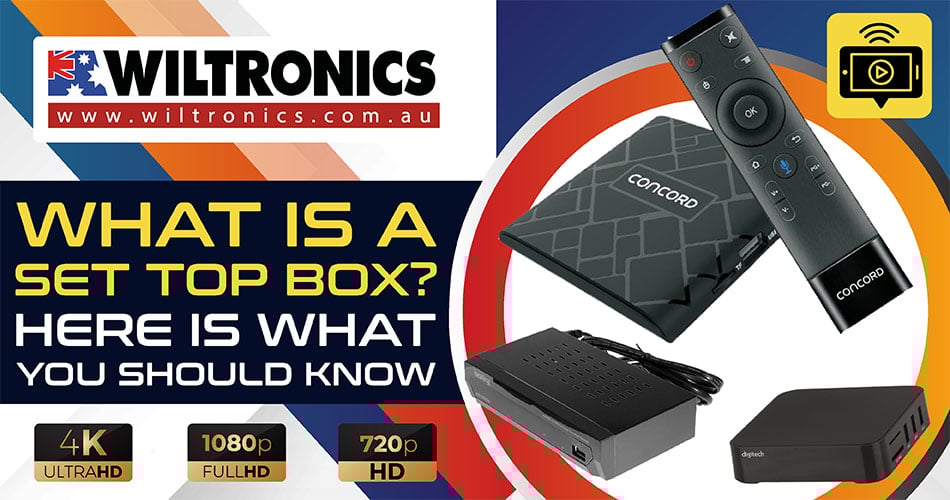
At its most basic, a set-top box, often abbreviated as STB, is an electronic device that receives a signal and translates it into something displayable on a television screen. Historically, this signal primarily came from over-the-air broadcast antennas or cable lines, carrying television channels. Before the advent of digital broadcasting and the internet, a simple television could directly tune into these analog signals. However, with the transition to digital formats and the rise of more complex content delivery methods, the set-top box became an essential intermediary.
From Analog to Digital: The Evolution of Signal Reception
The shift from analog to digital broadcasting marked a significant turning point for set-top boxes. Analog signals, while simpler, were prone to interference and offered lower picture and sound quality. Digital signals, on the other hand, are more robust, allowing for higher definition (HD) and even ultra-high definition (UHD) content, along with superior audio formats.
- Analog Receivers: Early “boxes” were essentially tuners that allowed televisions to access a limited number of channels by directly decoding analog radio frequencies. These were often integrated into the television itself or were very basic external units.
- Digital Adapters: As countries began phasing out analog broadcasts, digital adapters became necessary for older televisions to receive digital signals. These devices essentially performed the same function as an analog tuner but interpreted digital data.
- Set-Top Boxes for Cable and Satellite: The real explosion in set-top box technology came with the rise of cable and satellite television providers. These companies utilized complex digital encoding to deliver a vast array of channels, premium content, and interactive services. The STB became the decoder, translating these proprietary digital streams into viewable images and sounds on the user’s television. This era also saw the introduction of features like Electronic Program Guides (EPGs), allowing users to browse upcoming schedules and select channels more easily.
The Internet of Entertainment: IP-Based Set-Top Boxes
The most significant evolution in set-top box technology has been the integration of internet connectivity. This has transformed the set-top box from a mere signal decoder into a powerful multimedia gateway.
- IPTV (Internet Protocol Television): This refers to television content delivered over internet protocol networks. Instead of traditional cable or satellite signals, IPTV channels are streamed directly over the internet. This allows for a more dynamic and on-demand viewing experience.
- Streaming Devices: Modern set-top boxes often function as dedicated streaming devices. Brands like Roku, Apple TV, Amazon Fire TV Stick, and Google Chromecast fall under this umbrella. These devices connect to your home Wi-Fi network and provide access to a multitude of streaming services such as Netflix, Hulu, Disney+, YouTube, and countless others. They offer app stores, allowing users to download and install a vast ecosystem of entertainment and utility applications.
- Hybrid Set-Top Boxes: Some advanced set-top boxes are “hybrid,” capable of receiving both traditional broadcast/cable signals and streaming content from the internet. This provides users with the flexibility to switch seamlessly between live TV and their favorite streaming platforms.
The Set-Top Box as a Tech Hub: Beyond Video Playback
The modern set-top box is no longer just about watching TV. It has become a sophisticated piece of technology that integrates with our digital lives in numerous ways, impacting our daily routines, our purchasing habits, and even our understanding of emerging technologies.
AI and Smart Features: Enhancing the Viewing Experience
Artificial intelligence (AI) is increasingly being woven into the fabric of set-top boxes, making them smarter, more intuitive, and more personalized.
- Personalized Recommendations: AI algorithms analyze viewing habits and preferences to suggest new content, movies, or shows that users are likely to enjoy. This moves beyond simple genre-based recommendations to more nuanced predictions.
- Voice Control and Virtual Assistants: Many set-top boxes now feature built-in voice control capabilities, powered by virtual assistants like Amazon Alexa or Google Assistant. This allows users to control playback, search for content, change channels, and even perform other smart home functions using just their voice.
- Content Discovery and Search: AI-powered search functions can understand natural language queries, making it easier for users to find specific titles, actors, or even themes across multiple streaming services.
- Smart Home Integration: As set-top boxes become more connected, they can also act as hubs for smart home devices. Users might be able to control smart lights, thermostats, or security cameras directly from their TV interface.
Digital Security and Privacy Considerations
With increased connectivity comes the need for robust digital security. Set-top boxes, like any internet-connected device, are potential entry points for cyber threats.
- Software Updates: Regular software updates are crucial for patching security vulnerabilities and ensuring the device is protected against the latest threats. Manufacturers play a vital role in providing these updates.
- Secure Network Connectivity: Ensuring your home Wi-Fi network is secure with a strong password and WPA2/WPA3 encryption is a primary line of defense.
- App Permissions: When downloading apps to your set-top box, it’s important to review the permissions they request. Granting excessive permissions can compromise your privacy.
- Data Privacy: Understanding how your viewing data is collected and used by the set-top box manufacturer and streaming services is important for maintaining control over your personal information.

The Set-Top Box and Brand Identity: Shaping Consumer Perception
The set-top box, as the primary interface for digital entertainment, has become a crucial touchpoint for brands. Its design, user interface, and the content it provides all contribute to a brand’s overall identity and its relationship with consumers.
User Experience as a Branding Tool
The way a set-top box operates – its ease of navigation, the aesthetic appeal of its interface, and the speed at which it responds – directly influences a user’s perception of the brand behind it.
- Intuitive Interfaces: A clean, user-friendly interface makes it easy for viewers to find what they want, reducing frustration and enhancing satisfaction. This positive experience can translate to brand loyalty.
- Customization and Personalization: The ability for users to customize their home screen, organize apps, and receive personalized content feeds contributes to a feeling of ownership and a stronger connection with the service.
- Visual Design: The graphical elements, icons, and overall visual theme of a set-top box’s interface are extensions of a brand’s design language. A consistent and appealing visual identity reinforces brand recognition.
Content Partnerships and Advertising Opportunities
Set-top boxes facilitate a direct connection between brands and consumers, opening up new avenues for marketing and advertising.
- App Ecosystem: The availability of specific streaming apps or branded channels on a set-top box can drive adoption and user engagement. For instance, a cable provider might promote its own on-demand service or specific premium channel apps.
- In-App Advertising: Streaming services accessible through set-top boxes often feature advertisements. These can range from traditional video ads to more interactive and targeted ad formats, offering brands precise ways to reach their desired demographics.
- Content Sponsorships: Brands can sponsor specific content categories, channels, or even entire seasons of shows available on set-top boxes, associating their name with desirable entertainment.
- Direct-to-Consumer Integration: Some set-top boxes allow for direct integration with e-commerce platforms, enabling viewers to make purchases directly from their television screen, often triggered by an advertisement or a featured product. This blurs the lines between entertainment and consumption.
The Set-Top Box and Personal Finance: Impacting Spending Habits
The pervasive influence of set-top boxes extends to our personal finances, affecting how we spend money on entertainment, how we discover new products, and even the perceived value of our leisure time.
Subscription Models and Entertainment Budgets
The proliferation of streaming services accessible through set-top boxes has fundamentally changed how consumers budget for entertainment.
- Bundling and Unbundling: Consumers now have the choice to subscribe to individual streaming services, bundle them for potential savings, or opt for traditional cable packages. The set-top box acts as the gateway to managing these subscriptions.
- The Cost of Choice: While the unbundling of cable offered more choice, it has also led to “subscription fatigue” and can result in higher cumulative costs if not managed carefully. Users need to be mindful of the recurring charges associated with each service.
- Trial Periods and Cancellations: Set-top box interfaces often highlight free trial periods for new services. Understanding the terms and conditions for cancellation is crucial to avoid unexpected charges.
The Psychology of Impulse Purchases
The integration of shopping features and targeted advertising within set-top box interfaces can influence impulse buying behavior.
- “Shop the Look” Features: As seen in some smart TVs and streaming apps, viewers can often click on an item of clothing or a product seen in a show or advertisement and be directed to a purchase page.
- Targeted Promotions: Personalized ads, tailored to viewing habits and demographics, can create a sense of relevance and urgency, potentially leading to more spontaneous purchases.
- The “Entertainment Economy”: The set-top box is at the heart of a massive entertainment economy. Understanding the financial implications of this constant influx of content and potential purchasing opportunities is vital for maintaining financial discipline.
Evaluating Value and ROI of Entertainment
For many, the set-top box represents a significant portion of their discretionary spending. Evaluating the return on investment (ROI) of entertainment choices becomes important.
- Usage Tracking: While not always explicit, users can implicitly track the value they get from a service by how frequently they use it. A subscription that is rarely accessed might be a candidate for cancellation.
- Content Quality vs. Price: The set-top box allows for easy comparison of the content libraries and pricing of various streaming services, empowering consumers to make informed decisions about where their entertainment budget is best spent.
- Free vs. Paid Content: With the availability of free, ad-supported streaming options alongside paid services, users can balance their entertainment needs with their financial constraints.
In conclusion, the set-top box has evolved far beyond its humble origins as a simple channel tuner. It is now a sophisticated technological hub, a critical component of brand strategy, and a significant influencer of our personal financial decisions. As technology continues to advance, we can expect set-top boxes to become even more intelligent, integrated, and integral to our daily lives, shaping how we learn, entertain ourselves, and interact with the digital world. Understanding its multifaceted role is essential for making informed choices in this dynamic landscape.
aViewFromTheCave is a participant in the Amazon Services LLC Associates Program, an affiliate advertising program designed to provide a means for sites to earn advertising fees by advertising and linking to Amazon.com. Amazon, the Amazon logo, AmazonSupply, and the AmazonSupply logo are trademarks of Amazon.com, Inc. or its affiliates. As an Amazon Associate we earn affiliate commissions from qualifying purchases.