
In the realm of interior design and architectural illumination, a sconce light is a fixture that mounts directly onto a wall, projecting light upwards, downwards, or both. Unlike pendant lights that hang from the ceiling or table lamps that rest on furniture, sconces are an integral part of the wall itself, offering a sophisticated and space-saving lighting solution. Their versatility allows them to serve a multitude of purposes, from providing ambient illumination and accentuating architectural features to enhancing task lighting in specific areas. Understanding the nuances of sconce lighting can elevate the functionality and aesthetic appeal of any space, transforming the ordinary into the extraordinary.

The Evolution and Types of Sconce Lighting
The history of sconce lighting is as rich and varied as its modern applications. Initially, in the days of open flames, wall-mounted fixtures held torches or candles. These early iterations were purely functional, offering a rudimentary way to illuminate interiors. As technology advanced, so did the design and capabilities of sconces. The introduction of gas lighting, and subsequently electricity, brought about significant changes. Electric sconces allowed for more controlled and varied light output, enabling a greater range of decorative and practical designs.
Today, sconce lights are categorized by their design, function, and light output. They can be broadly classified into several types:
Up-Lighting Sconces
These fixtures are designed to direct light upwards, washing the ceiling with a soft, diffused glow. This creates an ambiance of spaciousness and can make a room feel larger. Up-lighting sconces are excellent for general ambient lighting, providing a gentle, shadow-reducing illumination that is ideal for living rooms, bedrooms, and hallways. The upward throw also conceals the direct light source, contributing to a more serene and less intrusive lighting experience. When choosing an up-lighting sconce, consider the height of your ceilings. Higher ceilings can accommodate a broader upward spread, while lower ceilings might benefit from a more focused upward beam to avoid feeling overwhelming. The finish and material of the sconce itself can also influence the reflected light, with polished metals offering a brighter, more dynamic reflection compared to matte or fabric shades.
Down-Lighting Sconces
Conversely, down-lighting sconces direct their illumination downwards. These are highly effective for task lighting, such as illuminating a vanity mirror in a bathroom, a bedside reading area, or a kitchen counter. They can also be used to highlight specific features on a wall, like artwork or architectural details. The focused nature of down-lighting ensures that the light is directed precisely where it’s needed, minimizing glare and maximizing utility. When using down-lighting sconces for task lighting, it’s crucial to consider the height at which they are mounted to ensure optimal coverage and comfort. For instance, bathroom vanity sconces are typically mounted on either side of the mirror at eye level to provide even illumination for grooming. In hallways or staircases, down-lighting sconces can be used to illuminate the floor, enhancing safety and guiding movement.
Up-and-Down Lighting Sconces
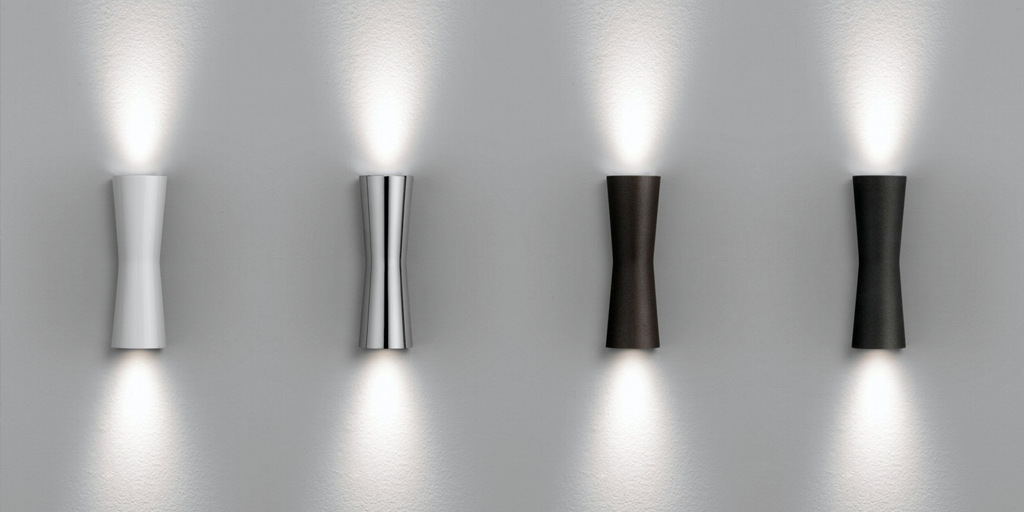
As the name suggests, these sconces feature two light sources or a single source with a diffuser that allows light to project both upwards and downwards. This dual-directional illumination provides a balanced and layered lighting effect. These fixtures are excellent for creating a dramatic and visually appealing atmosphere. They can add depth and dimension to a wall, drawing attention to its texture or architectural elements. Up-and-down lighting sconces are particularly effective in entryways, dining rooms, or as accent lighting in living areas. The interplay of light and shadow they create can be quite striking, adding a sophisticated touch to any interior design scheme. The angle and intensity of the upward and downward beams can vary significantly between models, offering designers a wide spectrum of aesthetic possibilities.
Accent Sconces
Accent sconces are specifically designed to highlight particular features within a room. This could be artwork, a textured wall, a plant, or an architectural detail like a fireplace. They typically use directional beams of light to draw the eye to the chosen focal point. Accent sconces are often adjustable, allowing for precise control over the light’s direction and intensity. They are invaluable tools for interior designers looking to add drama, depth, and visual interest to a space. The type of bulb used in an accent sconce is also critical, with spotlights and narrow beam angles being common choices to concentrate the light effectively. The color temperature of the light is another factor to consider, as warm light can enhance the richness of colors in artwork, while cooler light might be preferred for more modern or minimalist displays.
The Role of Sconce Lights in Interior Design
Beyond their functional illumination capabilities, sconce lights play a pivotal role in shaping the aesthetic and emotional tone of an interior space. Their strategic placement can influence the perception of size, define zones within an open-plan layout, and imbue a room with a distinct character.
Enhancing Ambiance and Mood
The diffused, indirect light from many sconce designs contributes significantly to creating a warm and inviting atmosphere. By avoiding harsh overhead lighting, sconces can soften shadows and reduce glare, fostering a more relaxed and comfortable environment. This is particularly important in living rooms, bedrooms, and dining areas where relaxation and social interaction are paramount. The choice of shade material – whether it’s frosted glass, fabric, or a metal louver – plays a crucial role in how the light is diffused and the overall mood it creates. For example, a silk or linen shade will produce a softer, warmer glow than clear or frosted glass.
Defining Spaces and Highlighting Features
In open-plan living spaces, sconces can be used to subtly delineate different functional areas. For instance, a series of sconces along a wall in a dining area can visually separate it from a living space without the need for physical barriers. Furthermore, their ability to direct light makes them ideal for accentuating architectural elements such as columns, moldings, or textured wallpaper. This not only adds visual interest but also contributes to a more dynamic and layered interior design. The precise positioning of accent sconces is key here; a few inches too high or too low can drastically alter the intended effect.
Maximizing Space and Functionality
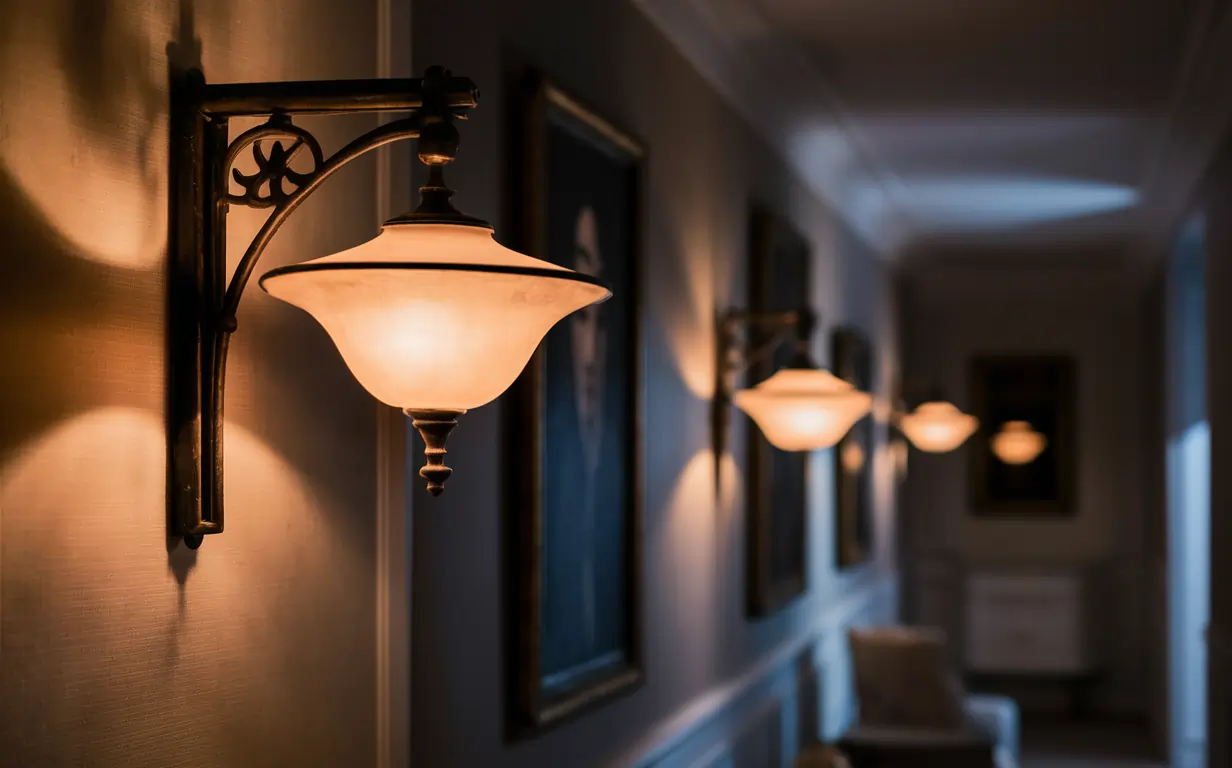
One of the most compelling advantages of sconce lights is their ability to provide illumination without occupying valuable floor or surface space. This is particularly beneficial in smaller rooms or areas where furniture placement is at a premium. Hallways, staircases, and tight corners can all be effectively illuminated by wall-mounted sconces, improving both safety and aesthetics. In bathrooms, side-mounted vanity sconces free up counter space that might otherwise be taken by table lamps. Similarly, bedside sconces eliminate the need for nightstand lamps, allowing more room for books, drinks, or decorative items.
Factors to Consider When Choosing Sconce Lights
Selecting the right sconce lights involves a thoughtful consideration of several factors, ranging from the overall design aesthetic of the space to practical aspects like illumination needs and installation. Making informed choices ensures that the chosen fixtures not only complement the decor but also fulfill their functional requirements effectively.
Style and Material Compatibility
The style of the sconce light should harmonize with the existing interior design. Whether the aesthetic is modern, traditional, minimalist, or rustic, there is a sconce design to match. Modern sconces might feature clean lines, geometric shapes, and materials like brushed nickel or chrome, often with frosted or clear glass. Traditional sconces might incorporate more ornate details, brass or bronze finishes, and fabric shades. The material of the sconce also plays a role in its durability and how it ages, with some metals developing a patina over time that can add character. Consider the other finishes in the room – hardware, furniture legs, or decorative accents – and aim for a complementary or matching palette.
Light Output and Bulb Type
The intended purpose of the sconce will dictate the required light output. For ambient lighting, softer, diffused light is preferable, often achieved with lower wattage bulbs or shades that obscure the bulb. For task lighting, a brighter, more focused beam is necessary. The type of bulb also influences the light quality. LED bulbs are a popular choice due to their energy efficiency, longevity, and availability in various color temperatures (warm white, cool white, daylight). When selecting bulbs, pay attention to the lumen output (brightness) and the color rendering index (CRI), which indicates how accurately the light source reveals the true colors of objects.
Placement and Installation Considerations
The placement of sconce lights is critical for their effectiveness and aesthetic impact. Consider the height of the fixture relative to eye level, furniture, and architectural features. For hallways and staircases, placement should prioritize safety and guidance. In bathrooms, vanity sconces are typically placed at eye level on either side of the mirror. Electrical considerations are also paramount. If new wiring is required, consult with a qualified electrician to ensure safe and code-compliant installation. Dimmers can be added to most sconce installations, providing adjustable light levels and further enhancing the mood and functionality of the space. Planning the electrical layout in advance is crucial, especially in older homes where running new wires might be more complex.
Innovative Sconce Lighting Trends and Technologies
The world of lighting design is constantly evolving, with new technologies and aesthetic trends emerging that enhance the functionality and visual appeal of sconce lights. These advancements offer homeowners and designers greater flexibility and creative control over their illuminated environments.
Smart Home Integration and Control
The integration of smart home technology has revolutionized lighting. Many modern sconces are now compatible with smart home systems, allowing for control via smartphone apps, voice commands, or automated schedules. This enables users to adjust brightness, change color temperature, and even set lighting scenes remotely. Smart sconces can be programmed to turn on at dusk, dim for movie nights, or sync with other smart devices for a cohesive home automation experience. The convenience and energy-saving potential of smart lighting systems are significant advantages in today’s technologically driven world.
Energy-Efficient LED Technology
LED technology has become the standard for modern lighting, and sconce lights are no exception. LEDs offer superior energy efficiency, consuming significantly less power than traditional incandescent or halogen bulbs, which translates to lower electricity bills. They also have a much longer lifespan, reducing the frequency of bulb replacements and associated maintenance costs. Furthermore, LED technology allows for a wide range of color temperatures and high color rendering, ensuring that spaces are illuminated with high-quality light that enhances their appearance. The compact size of LED modules also enables sleeker and more innovative sconce designs that were not previously possible.
Sustainable Materials and Design
There is a growing emphasis on sustainability in interior design, and this extends to lighting fixtures. Many manufacturers are now producing sconce lights made from recycled materials, sustainable wood, and other eco-friendly options. The focus on durable materials and energy-efficient operation also contributes to a more sustainable lighting solution. Consumers are increasingly seeking products that minimize their environmental impact without compromising on style or performance. This trend encourages a more conscious approach to consumption, where beautiful design and environmental responsibility go hand in hand.
By understanding the diverse types, design applications, and technological advancements in sconce lighting, individuals can make informed decisions that not only illuminate their homes but also enhance their living spaces, reflecting personal style and a commitment to modern, efficient living.
aViewFromTheCave is a participant in the Amazon Services LLC Associates Program, an affiliate advertising program designed to provide a means for sites to earn advertising fees by advertising and linking to Amazon.com. Amazon, the Amazon logo, AmazonSupply, and the AmazonSupply logo are trademarks of Amazon.com, Inc. or its affiliates. As an Amazon Associate we earn affiliate commissions from qualifying purchases.