
In the dynamic and often fiercely competitive world of gastronomy, simply serving good food is no longer enough to guarantee success. To truly thrive, a restaurant needs a soul, a unique identity that resonates with its target audience and sets it apart from the rest. This intangible yet incredibly powerful essence is what we call a restaurant concept. Far more than just a menu or a location, a well-defined restaurant concept is the foundational blueprint upon which every aspect of the business is built, influencing everything from the decor and service style to the pricing strategy and the technology employed. It’s the core story, the promise, and the entire experience rolled into one cohesive vision.
Understanding, crafting, and meticulously executing a restaurant concept is paramount for anyone venturing into or seeking to revitalize a food service business. It dictates the brand’s voice, guides financial decisions, and leverages technological innovations to create a memorable experience. Without a clear concept, a restaurant risks becoming another forgettable establishment, struggling to attract and retain customers in an increasingly crowded marketplace.
Defining the Essence: More Than Just Food
At its heart, a restaurant concept is the overarching idea or theme that unifies every element of an establishment. It’s the answer to the fundamental question: “What kind of experience do we want to offer?” This isn’t just about cuisine type; it encompasses the atmosphere, the service style, the target demographic, the price point, and even the narrative behind the brand. A concept gives a restaurant personality, allowing it to carve out a distinct niche and build a loyal following.
The Foundational Pillars of a Concept
A robust restaurant concept is built upon several interconnected pillars, each contributing to the overall identity and appeal:
- Cuisine and Menu: This is often the most obvious component, but it extends beyond just “Italian” or “Mexican.” It delves into the specific style (e.g., traditional Tuscan, modern fusion Mexican), the source of ingredients (local, organic, sustainable), and the menu’s structure and pricing.
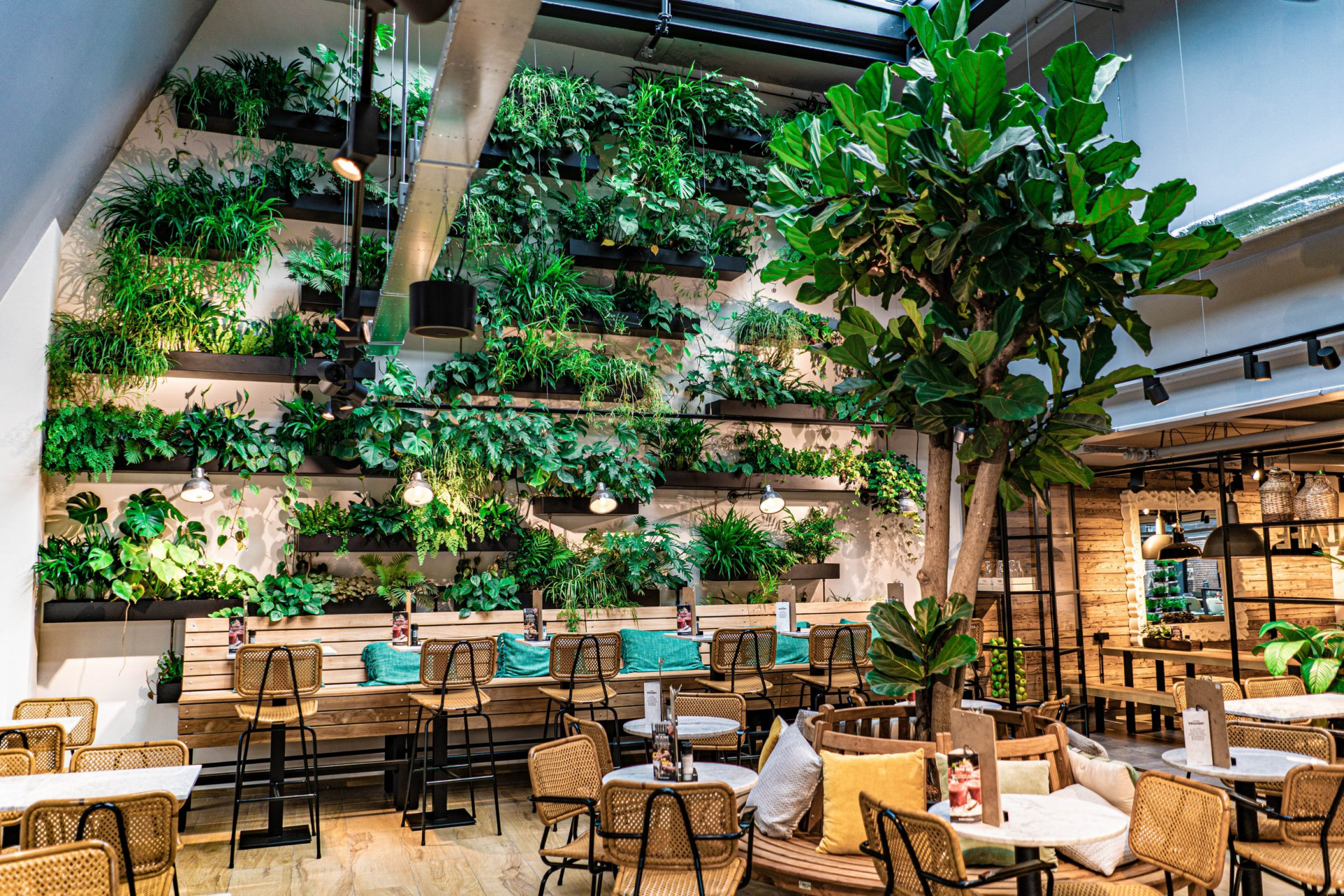
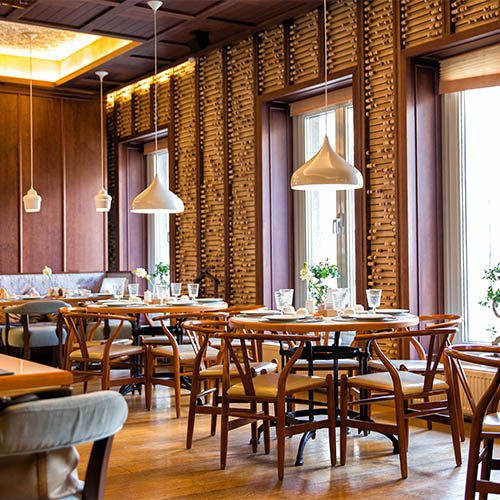
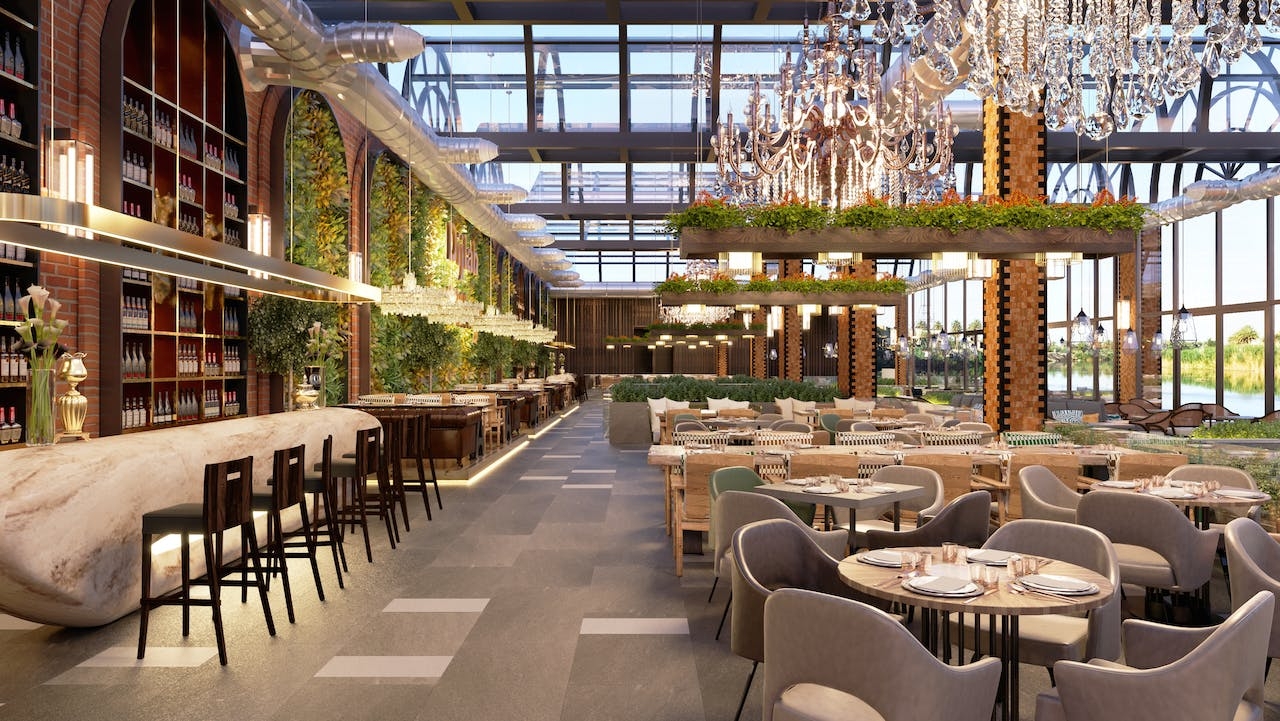
- Atmosphere and Ambiance: This covers everything from interior design, lighting, furniture, and music to the overall “feel” of the space. Is it casual, upscale, rustic, modern, quirky, or intimate? The ambiance should complement the food and service, creating a coherent experience.
- Service Style: How will staff interact with guests? Is it formal and attentive, casual and friendly, quick-service, or highly personalized? The service style must align with the concept’s overall tone and target audience expectations.
- Target Audience: Who are you trying to attract? Families, young professionals, foodies, budget-conscious diners, or a specific cultural group? Understanding your ideal customer helps tailor every aspect of the concept to their preferences and needs.
- Pricing Strategy: The price point of your menu items should align with the perceived value of the concept. High-end dining commands premium prices, while a casual eatery needs more accessible options. This is deeply linked to the target audience and ingredient sourcing.
- Brand Story and Identity: What is the narrative behind your restaurant? Is there a founder’s story, a culinary philosophy, or a unique inspiration? This story forms the emotional core of the brand, making it relatable and memorable.
Why a Strong Concept is Non-Negotiable
A well-articulated concept provides a clear roadmap for decision-making across the entire business. It acts as a filter, ensuring that every choice – from the type of coffee served to the social media marketing strategy – reinforces the restaurant’s core identity.
- Differentiation: In a crowded market, a strong concept helps a restaurant stand out. It provides a unique selling proposition (USP) that competitors cannot easily replicate.
- Brand Cohesion: It ensures consistency across all touchpoints, from the physical space to digital interactions, building trust and recognition with customers.
- Operational Efficiency: A clear concept streamlines operational decisions, from kitchen layout to staff training, as everyone understands the overarching goal and desired customer experience.
- Marketing Focus: It gives marketers a compelling story to tell, making it easier to attract the right customers and build a loyal community.
- Financial Viability: A focused concept allows for better financial planning, precise cost control, and a clearer path to profitability by targeting a specific market segment with a tailored offering.
The Interplay of Concept, Brand, and Customer Experience
A restaurant concept is the heart, but branding is its voice and appearance. It’s how the concept is communicated to the world, shaping perceptions and driving customer engagement. A powerful brand transforms a good concept into an unforgettable experience, converting first-time visitors into loyal advocates. This is where the website’s “Brand” topic comes into full play, emphasizing strategic communication and identity building.
Crafting Your Brand Identity from the Concept
Once a concept is defined, the next crucial step is translating it into a tangible brand identity. This involves developing a consistent visual and verbal language that encapsulates the concept’s essence.
- Name and Logo: These are the initial visual identifiers. The name should evoke the concept, and the logo should be distinctive, memorable, and reflective of the restaurant’s style and values.
- Visual Aesthetics: This extends beyond the logo to menu design, staff uniforms, signage, packaging, and interior decor. Every visual element should reinforce the concept’s theme and atmosphere. For example, a modern minimalist concept might feature clean lines and a monochromatic palette, while a rustic farm-to-table eatery would embrace earthy tones and natural textures.
- Brand Voice and Tone: How does your brand “speak” to its audience? Is it playful, sophisticated, authoritative, friendly, or quirky? This voice should be consistent across all communications, from social media posts and website content to customer service interactions.
- Storytelling: The brand identity is incomplete without a compelling narrative. The brand story communicates the “why” behind the concept – the passion, the inspiration, the journey. This human element creates an emotional connection with customers, transforming a meal into an experience.
Marketing Your Concept: Telling Your Story
Effective marketing is about more than just advertising; it’s about telling your concept’s unique story to the right people. With a strong brand built on a solid concept, marketing efforts become more focused and impactful.
- Targeted Outreach: Understanding your target audience (a core part of your concept) allows for precise marketing. Instead of broad campaigns, you can engage directly with communities and platforms where your ideal customers spend their time.
- Digital Presence and Storytelling: A compelling website and active social media presence are vital. High-quality visuals of dishes, behind-the-scenes glimpses, and stories about local ingredient sourcing can bring the concept to life online. Engaging content that highlights the restaurant’s unique ambiance, chef’s philosophy, or community involvement strengthens the brand narrative.
- Experiential Marketing: Beyond online presence, consider events, collaborations, and partnerships that embody the concept. A concept focused on local produce might host chef’s tasting events with local farmers, while a playful concept might organize themed costume nights.
- Reputation Management: Online reviews and word-of-mouth are powerful. A consistent, high-quality experience delivered through a strong concept naturally fosters positive reviews and organic growth, enhancing the restaurant’s reputation. Monitoring and responding to feedback is crucial, demonstrating commitment to the brand promise.
Leveraging Technology to Power Your Restaurant Concept
In the 21st century, technology is no longer an optional add-on but an integral component for modern restaurant operations. For any restaurant concept, the strategic integration of technology (addressing the “Tech” topic of the website) can optimize efficiency, enhance the customer experience, and provide invaluable data for growth.
Streamlining Operations with Smart Tech
Technology can transform the back-of-house operations, making them smoother, more efficient, and less prone to error, directly supporting the concept’s execution.
- Point-of-Sale (POS) Systems: Modern cloud-based POS systems go far beyond simple transaction processing. They integrate inventory management, employee scheduling, table management, and customer relationship management (CRM), providing a holistic view of operations. This allows for better control over costs (Money), reduces waste, and ensures consistent service.
- Inventory Management Software: For concepts focused on specific ingredients or tight margins, robust inventory software is critical. It tracks stock levels, monitors usage, automates reordering, and helps identify popular and slow-moving items, preventing spoilage and optimizing purchasing, thus directly impacting profitability (Money).
- Kitchen Display Systems (KDS): KDS replace traditional paper tickets, displaying orders digitally in the kitchen. This improves communication between front and back of house, reduces order errors, speeds up preparation times, and helps manage complex menus efficiently, especially for concepts with high volume or intricate dishes.
- AI Tools for Optimization: Artificial intelligence is beginning to play a role in optimizing menu engineering by analyzing sales data and customer preferences to suggest pricing adjustments or new dishes. AI can also assist with demand forecasting, predicting busy periods to optimize staffing and inventory.
Enhancing the Customer Journey Through Digital Innovation
Technology also directly impacts how customers interact with a restaurant, shaping their experience from discovery to dining and beyond.
- Online Ordering and Delivery Platforms: For concepts that cater to convenience or a broader geographical reach, robust online ordering systems and partnerships with third-party delivery services are essential. These platforms extend the restaurant’s reach, increase sales channels, and integrate seamlessly with POS systems.
- Digital Menus and QR Codes: Interactive digital menus accessible via QR codes offer flexibility for concepts that frequently update their offerings, reducing printing costs (Money) and allowing for dynamic pricing. They can also provide richer content like ingredient sourcing stories, chef’s notes, or wine pairings, enhancing the customer’s engagement with the concept.
- Reservation and Waitlist Management Apps: These tools streamline the booking process, reduce no-shows through automated reminders, and provide guests with real-time updates on table availability. This contributes to a smoother, more organized experience, aligning with concepts focused on efficiency and customer comfort.
- Personalization and Loyalty Programs: CRM systems integrated with POS data allow restaurants to track customer preferences, recognize regulars, and offer personalized promotions or loyalty rewards. This technology strengthens customer relationships, encourages repeat business, and fosters a sense of belonging to the brand community.
Data-Driven Decisions for Concept Evolution
The true power of integrating technology lies in the data it generates. Analytics tools provide insights into everything from peak dining hours and popular dishes to customer demographics and marketing campaign effectiveness. This data is invaluable for refining the concept.
- Performance Metrics: Analyzing sales data helps identify best-selling items, calculate ingredient costs, and understand profit margins for different menu categories. This directly informs menu changes and pricing strategies, ensuring financial health (Money).
- Customer Insights: Tracking customer behavior, feedback, and loyalty program engagement allows concepts to evolve based on real-world preferences. This could mean adjusting the menu, fine-tuning the ambiance, or even expanding the concept into new formats.
- Marketing ROI: Technology allows for precise tracking of marketing campaign performance, helping businesses understand which channels and messages yield the best return on investment (Money), enabling smarter allocation of marketing budgets (Brand).
The Financial Blueprint: Concepts, Costs, and Profitability
Every restaurant concept, no matter how brilliant, must ultimately be financially viable. The “Money” aspect of the website’s main topics is critical here, as the concept directly influences the financial model, from initial investment to daily operational costs and long-term profitability. A well-defined concept helps in creating a realistic budget, attracting investors, and ensuring sustainable growth.
Initial Investment and Operational Budgeting
The chosen concept dictates significant upfront and ongoing financial commitments.
- Startup Costs: A high-end fine dining concept, for example, will require substantial investment in prime real estate, elaborate interior design, specialized kitchen equipment, and highly skilled staff. A casual café, conversely, might have lower overheads. Understanding these initial capital expenditures is crucial for securing funding.
- Equipment and Technology: Investing in modern kitchen tech, advanced POS systems, and other software (Tech) often comes with a significant upfront cost but promises long-term efficiency and data insights, impacting ROI.
- Ingredient Sourcing: A farm-to-table concept will prioritize premium, often more expensive, locally sourced ingredients. A fast-casual concept might focus on cost-effective, readily available ingredients. These choices profoundly impact food costs and, consequently, menu pricing and profit margins.
- Staffing Costs: The service style inherent in the concept dictates the number and skill level of staff required, directly influencing payroll expenses, which are often the largest operational cost. Fine dining requires more highly trained staff per customer than a self-service model.
- Marketing and Branding Expenses: Crafting a strong brand identity (Brand) and effectively marketing the concept requires a dedicated budget for graphic design, website development, social media management, and advertising.
Maximizing Profitability Through Concept Optimization
A strong concept doesn’t just attract customers; it also lays the groundwork for sustainable profitability by influencing operational efficiency and revenue streams.
- Menu Engineering: Analyzing the profitability and popularity of each menu item (often aided by POS data and AI tools) allows restaurants to optimize their offerings. This means strategically pricing dishes, promoting high-margin items, and removing underperforming ones to boost overall profitability.
- Cost Control: A clear concept helps in making precise decisions about ingredient quality, portion sizes, and waste reduction. For instance, a concept focused on sustainability might implement stringent waste management practices that not only align with its brand values but also reduce costs.
- Multiple Revenue Streams: A concept can be designed to incorporate various income sources beyond dine-in service. This could include catering, merchandise sales (e.g., branded coffee beans, sauces), cooking classes, or event hosting, all of which should align with the core brand identity.
- Optimizing Technology ROI: Investments in technology (Tech) must yield a return. By improving efficiency, reducing labor costs, enhancing customer satisfaction, and providing actionable data, tech tools contribute directly to the bottom line, justifying their initial expenditure.
Funding Your Vision: Attracting Investment
A well-articulated restaurant concept is a powerful tool for attracting investors and securing financing. Banks, angel investors, and venture capitalists are looking for clear business plans, unique selling propositions, and a solid understanding of the market.
- Compelling Business Plan: A detailed business plan, anchored by the restaurant concept, demonstrates foresight and strategic thinking. It outlines market analysis, financial projections, operational strategies, and the team’s capabilities.
- Demonstrating Market Demand: The concept should clearly address a gap in the market or cater to an underserved demographic, proving its potential for success.
- Financial Projections: Realistic financial forecasts, including startup costs, operational budgets, projected revenues, and break-even analysis, are critical. These projections are more credible when they are directly tied to the specificities of the concept.
- Brand Strength and Uniqueness: Investors are increasingly interested in brands with a strong identity and a compelling story (Brand), as these are often indicators of long-term customer loyalty and market resilience.
Evolving Your Concept in a Dynamic Market
The restaurant industry is in constant flux, influenced by shifting consumer preferences, technological advancements, and economic conditions. A successful restaurant concept isn’t static; it must be adaptable and open to evolution while staying true to its core identity.
Staying Relevant: Adapting to Trends
Market trends, whether in cuisine, dietary preferences, or dining experiences, can significantly impact a concept’s longevity.
- Culinary Trends: From plant-based diets and global fusion to hyper-local sourcing and specific cooking techniques, culinary trends can dictate menu adaptations. A concept focused on flexibility can integrate these without losing its identity.
- Technology Trends: Keeping an eye on emerging tech (Tech) like advanced AI for customer service, immersive augmented reality dining experiences, or new payment solutions can help a concept stay ahead of the curve.
- Consumer Behavior Shifts: The rise of remote work, increased demand for sustainable practices, and changes in dining habits (e.g., more takeout, smaller gatherings) all necessitate careful consideration for concept adjustment.
- Sustainability and Ethics: Concepts that embed sustainability into their operations, from sourcing to waste management, resonate strongly with modern consumers and can become a core part of their brand (Brand) appeal.
The Role of Feedback in Concept Refinement
Continuous feedback from customers, staff, and market analysis is vital for refining and improving the concept.
- Customer Feedback: Actively soliciting and analyzing customer reviews, surveys, and direct comments provides invaluable insights into what’s working and what isn’t. Tech tools for reputation management and CRM facilitate this process.
- Employee Insights: Front-line staff often have the best understanding of operational challenges and customer preferences. Their feedback can inform improvements in service, menu items, or ambiance.
- Market Analysis and Competitive Benchmarking: Regularly assessing the competitive landscape and market dynamics helps identify new opportunities or threats, prompting strategic adjustments to the concept.
- Iterative Development: Rather than a complete overhaul, concept evolution often involves iterative changes – small, continuous improvements based on data and feedback. This allows the restaurant to remain relevant and responsive without alienating its existing customer base.
In conclusion, a restaurant concept is the bedrock of any successful food establishment. It’s the creative vision that defines the brand (Brand), guides financial decisions (Money), and embraces technological innovation (Tech) to create a unique and memorable customer experience. By meticulously crafting, implementing, and continuously evolving this concept, restaurateurs can build not just a place to eat, but a thriving business that deeply connects with its audience and stands the test of time.
aViewFromTheCave is a participant in the Amazon Services LLC Associates Program, an affiliate advertising program designed to provide a means for sites to earn advertising fees by advertising and linking to Amazon.com. Amazon, the Amazon logo, AmazonSupply, and the AmazonSupply logo are trademarks of Amazon.com, Inc. or its affiliates. As an Amazon Associate we earn affiliate commissions from qualifying purchases.