
JavaScript, the ubiquitous language of the web, is renowned for its flexibility and dynamic nature. While often associated with front-end interactivity, its power extends far beyond browser-based scripting, underpinning complex applications and server-side development. At the heart of JavaScript’s object-oriented capabilities lies a fundamental concept: prototypes. For developers navigating the evolving landscape of tech, understanding prototypes is not merely about grasping a language feature; it’s about comprehending a core mechanism that influences everything from code organization and reusability to performance and debugging. This article delves into the essence of prototypes in JavaScript, unraveling their significance for developers across various domains, from crafting innovative software solutions to building robust personal brands and even optimizing financial ventures.

The world of technology is constantly pushing boundaries. From the latest AI tools revolutionizing productivity to cutting-edge gadgets promising new experiences, the demand for skilled developers who can harness the power of these innovations is at an all-time high. JavaScript, with its versatility, remains a cornerstone for many of these advancements. Yet, a deep understanding of its underlying principles, such as prototyping, can be the differentiator between a functional application and a truly elegant, efficient, and scalable one. This knowledge can translate directly into better software design, faster development cycles, and ultimately, more successful tech products.
The Building Blocks of JavaScript Objects: Beyond Classes
Before diving into prototypes, it’s crucial to understand how objects work in JavaScript. Unlike class-based languages where objects are instances of predefined blueprints (classes), JavaScript’s object model is prototype-based. This means that objects inherit properties and methods directly from other objects. Think of it as a chain of inheritance, where each object can “look up” to its prototype to find missing properties.
Understanding the Prototype Chain
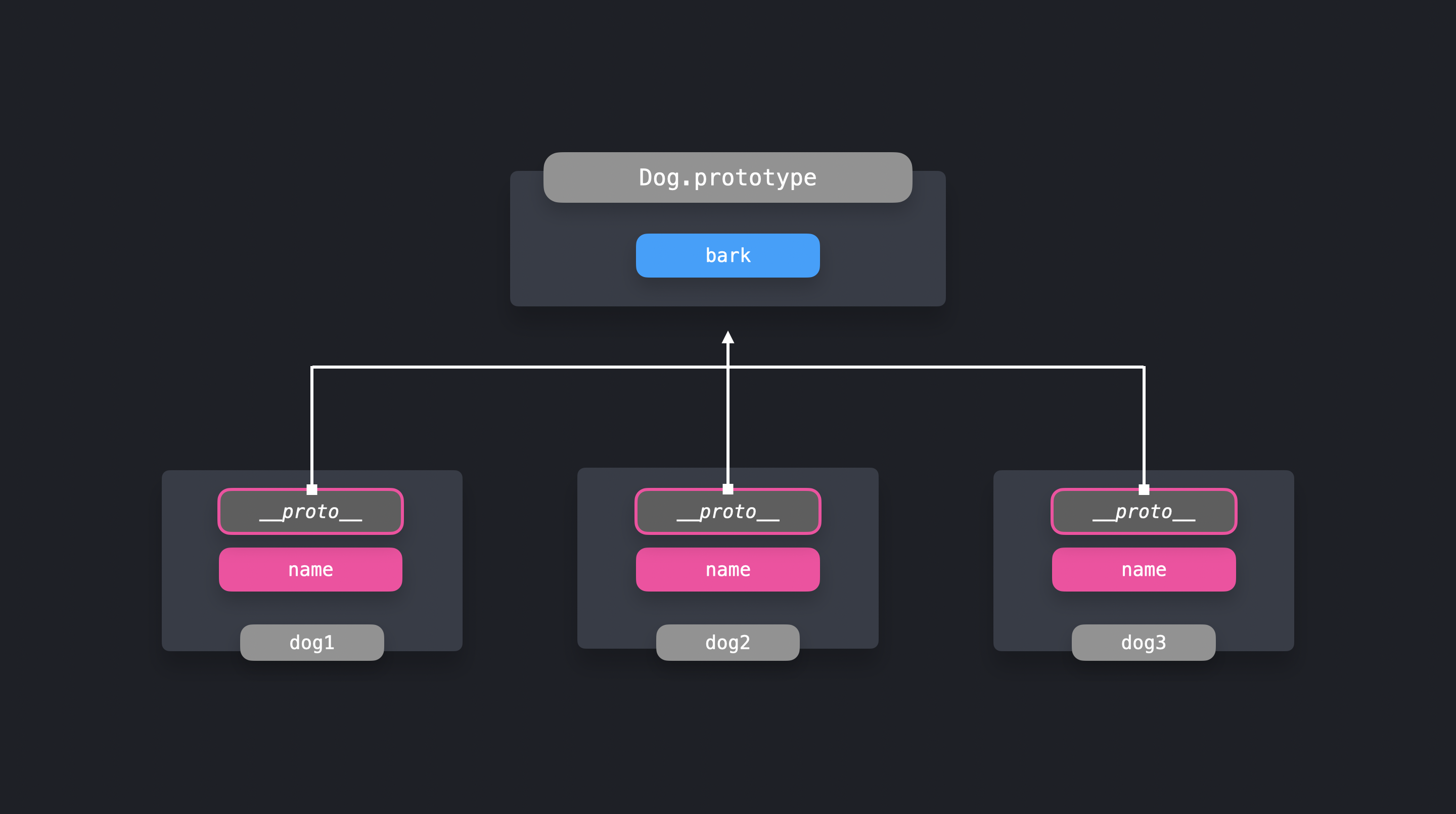
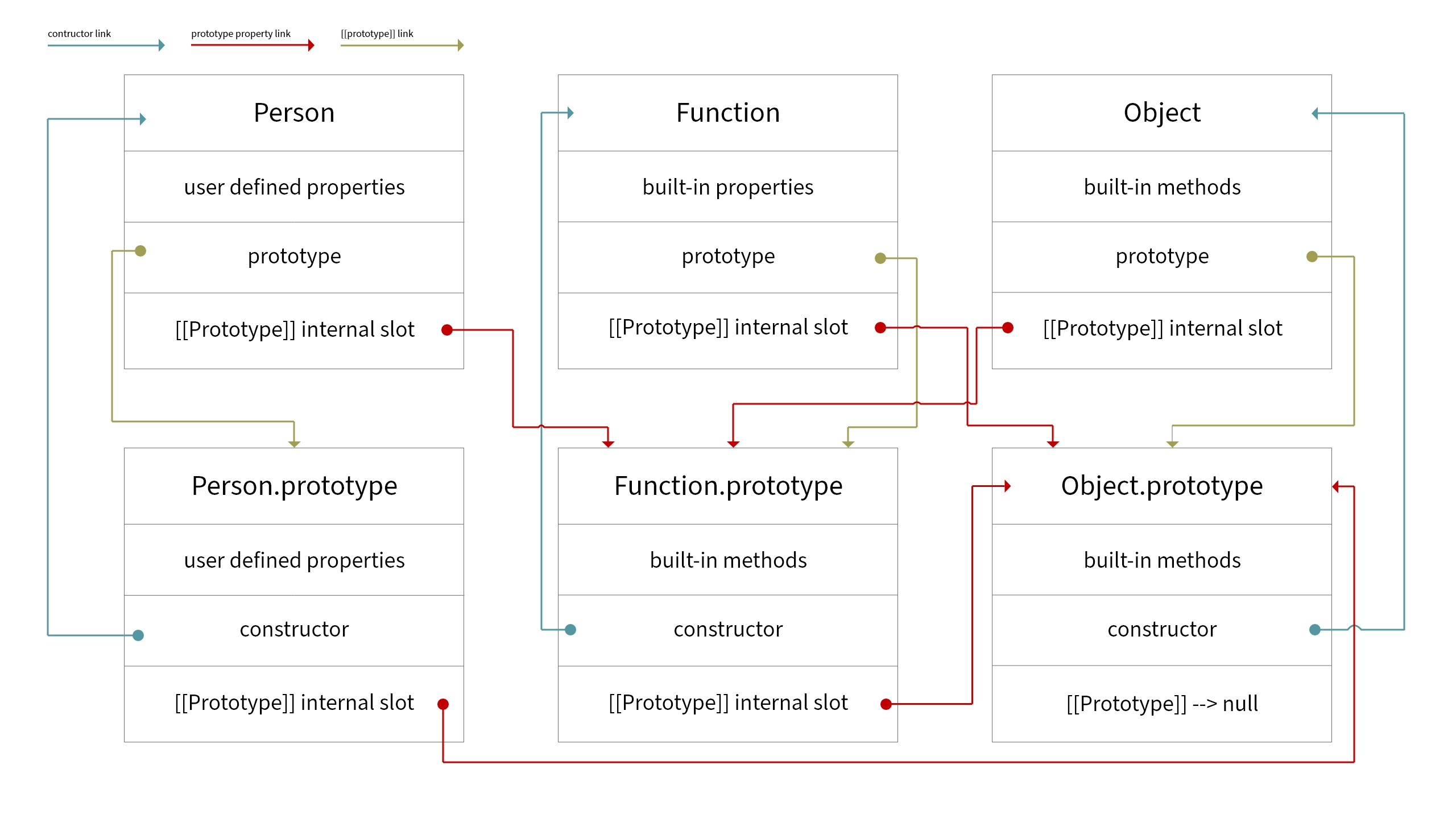
Every JavaScript object has a hidden property, often referred to as [[Prototype]] (though commonly accessed via __proto__ in older environments or Object.getPrototypeOf() in modern JavaScript). This property points to another object, its prototype. When you try to access a property or method on an object, JavaScript first checks if that property exists directly on the object itself. If it doesn’t, JavaScript then follows the [[Prototype]] link to the object’s prototype and checks there. This process continues up the chain until the property is found or the chain ends at null (the prototype of Object.prototype is null).
This mechanism is incredibly powerful. It allows for efficient sharing of properties and methods among multiple objects, saving memory and simplifying code maintenance. Instead of defining the same method for every instance of an object, you can define it once on the prototype, and all instances will inherit it.
Consider this simple example:
function Person(name, age) {
  this.name = name;
  this.age = age;
}

Person.prototype.greet = function() {
  console.log(`Hello, my name is ${this.name} and I am ${this.age} years old.`);
};

const person1 = new Person('Alice', 30);
const person2 = new Person('Bob', 25);

person1.greet(); // Output: Hello, my name is Alice and I am 30 years old.
person2.greet(); // Output: Hello, my name is Bob and I am 25 years old.
In this code, greet is not defined on person1 or person2 directly. Instead, it’s defined on Person.prototype. When person1.greet() is called, JavaScript looks for greet on person1. It doesn’t find it, so it looks at person1.__proto__ (which is Person.prototype), finds greet there, and executes it. The same process happens for person2. This is the core of prototype-based inheritance.
The Role of Object.prototype
At the apex of most prototype chains sits Object.prototype. This is the ultimate ancestor for almost all JavaScript objects. It provides fundamental methods like toString(), hasOwnProperty(), and valueOf(), which are accessible to virtually every object in your code. Understanding Object.prototype helps clarify how even seemingly simple objects inherit built-in functionalities.
Prototypes in Action: Enhancing Code Organization and Efficiency
The concept of prototypes has profound implications for how we structure and write JavaScript code, directly impacting the tech and brand aspects of development.
Simplifying Object Creation and Inheritance
Prototype-based inheritance offers a more flexible and dynamic approach to object creation compared to strict class-based systems. It allows for “mixin” patterns and runtime modification of object behaviors. This agility is crucial in rapidly evolving tech environments where solutions need to adapt quickly.
For developers focused on building robust software, understanding prototypes enables them to:
- Reduce Code Duplication: By defining common properties and methods on a prototype, you avoid repeating code across multiple objects, leading to cleaner and more maintainable codebases.
- Improve Performance: Sharing methods via prototypes is more memory-efficient than duplicating them for each object instance. This can have a noticeable impact on application performance, especially in large-scale projects.
- Implement Design Patterns: Many common JavaScript design patterns, such as the Factory pattern or the Decorator pattern, leverage prototypes for their implementation.
The Influence on Brand and Personal Development
Beyond the technical merits, a solid grasp of prototypes can even influence how developers build their professional brand and approach personal development.
- Demonstrating Expertise: For those in the tech industry, a deep understanding of core language concepts like prototypes signals a higher level of expertise. This can be a significant differentiator in a competitive job market or when pitching services as a freelancer.
- Building a Strong Digital Identity: When creating personal projects, websites, or even contributing to open-source, the quality and efficiency of the code, partly influenced by prototype usage, contribute to a developer’s reputation. Clean, well-structured, and performant code reflects positively on the individual’s brand.
- Effective Mentorship and Knowledge Sharing: For developers looking to mentor others or share their knowledge, explaining prototypes clearly and effectively showcases their communication skills and foundational understanding, further bolstering their brand.
Modern JavaScript and Prototypes: Classes and Beyond
With the advent of ES6 (ECMAScript 2015), JavaScript introduced the class keyword. This was a significant addition, providing a more familiar syntax for developers coming from class-based languages. However, it’s crucial to understand that the class syntax is largely syntactic sugar over JavaScript’s existing prototype-based inheritance.
class Syntax as Syntactic Sugar
When you define a class in JavaScript, the JavaScript engine is still creating constructor functions and setting up prototype chains behind the scenes.
class Animal {
  constructor(name) {
    this.name = name;
  }

  speak() {
    console.log(`${this.name} makes a noise.`);
  }
}

const dog = new Animal('Buddy');
dog.speak(); // Output: Buddy makes a noise.
Under the hood, this Animal class is essentially doing what our Person constructor function example did earlier: Animal.prototype will have the speak method. The class syntax simply provides a cleaner, more declarative way to achieve the same result.
Benefits of class Syntax
While prototypes are the underlying mechanism, the class syntax offers several advantages:
- Readability and Familiarity: It makes JavaScript code more approachable for developers accustomed to object-oriented programming in languages like Java or Python.
- Encapsulation: While not true encapsulation in the strictest sense, classes provide a more structured way to group data and methods.
- Organization: They promote a more organized approach to code structure, making it easier to manage complex applications.
However, even with classes, a thorough understanding of prototypes is essential for debugging, advanced customization, and truly mastering JavaScript’s object model. For instance, understanding how to use Object.create() or how to extend built-in prototypes (with caution!) requires knowledge of the underlying prototype system.
Prototypes and Financial Applications: Optimization and Efficiency
The principles of efficiency and optimization inherent in prototype-based inheritance can even extend into the realm of money and finance, particularly for developers building financial tools or managing their own online income streams.
Building Efficient Financial Tools
When developing applications that handle financial data, performance is paramount. Whether it’s a personal finance tracker, an investment platform, or an e-commerce backend, efficient data handling can lead to faster transaction processing, lower operational costs, and a better user experience.
- Resource Management: By leveraging prototypes to share common functionalities among financial objects (e.g., currency conversion methods, transaction validation logic), developers can reduce memory overhead. This is especially critical in applications that might be deployed on resource-constrained environments or need to handle a massive volume of data.
- Scalability: Efficient code is inherently more scalable. Applications built with a deep understanding of how prototypes optimize object interactions are better positioned to handle growth in user numbers and data complexity without significant performance degradation. This directly impacts the financial viability of a tech product.
Optimizing Online Income Streams
For individuals building online income streams, such as e-commerce stores, SaaS products, or content platforms, the underlying technology directly influences profitability.
- Reduced Hosting Costs: More efficient code can mean needing less powerful or fewer servers, directly translating to lower hosting bills. This can be a significant saving, especially for startups or individuals bootstrapping their ventures.
- Improved User Conversion: Faster-loading websites and responsive applications, often a result of optimized code architecture (where prototype efficiency plays a role), lead to better user engagement and higher conversion rates. For an online business, this means more sales and greater revenue.
- Foundation for Growth: As an online income stream grows, the technology must keep pace. A foundation built on principles of efficiency and smart resource utilization, including an understanding of JavaScript prototypes, will be more resilient and easier to scale, ensuring long-term financial success.
Conclusion: Mastering Prototypes for a Competitive Edge
In the dynamic world of technology, a deep understanding of foundational concepts is what separates good developers from great ones. Prototypes in JavaScript, while sometimes overlooked in favor of the newer class syntax, remain a critical element of the language. They are the engine driving JavaScript’s object-oriented paradigm, enabling efficient code, flexible design patterns, and scalable applications.
For anyone involved in the tech industry, whether building cutting-edge software, crafting a compelling personal brand, or even optimizing their financial ventures through technology, a firm grasp of prototypes is not just beneficial – it’s essential. It empowers you to write cleaner, more performant code, to debug effectively, and to design solutions that are both elegant and robust. By understanding the intricate workings of prototype-based inheritance, you gain a significant competitive edge, enabling you to navigate the ever-evolving tech landscape with confidence and expertise, ultimately contributing to greater success in all your professional endeavors.
aViewFromTheCave is a participant in the Amazon Services LLC Associates Program, an affiliate advertising program designed to provide a means for sites to earn advertising fees by advertising and linking to Amazon.com. Amazon, the Amazon logo, AmazonSupply, and the AmazonSupply logo are trademarks of Amazon.com, Inc. or its affiliates. As an Amazon Associate we earn affiliate commissions from qualifying purchases.