
While the internet has become our go-to source for information on everything from the latest tech gadgets to mastering personal branding, a crucial area where reliable, accessible knowledge is paramount is health. When faced with a new prescription, understanding its purpose, benefits, and potential drawbacks is essential for informed decision-making and adherence to treatment plans. This is particularly true for medications like prednisone, a powerful corticosteroid with a wide range of therapeutic applications.
This article delves into what prednisone is used for, exploring its multifaceted role in modern medicine. We’ll examine its mechanisms of action, its common uses across various medical conditions, and the importance of understanding its prescription. While our primary focus is medical, we’ll also touch upon how the digital landscape, with its advancements in technology and information dissemination, plays an increasingly significant role in patient education and management of chronic conditions often treated with prednisone.

Understanding Prednisone: The Science Behind its Power
Prednisone is a synthetic corticosteroid, a class of drugs that mimic the effects of hormones produced naturally by the adrenal glands. Its primary function is to reduce inflammation and suppress the immune system. This dual action makes it a versatile tool in treating a broad spectrum of diseases.
How Prednisone Works: A Closer Look at its Pharmacological Action
At its core, prednisone works by interfering with the body’s inflammatory and immune responses. When the body encounters an injury, infection, or allergen, it triggers an inflammatory response characterized by redness, swelling, heat, and pain. This is a protective mechanism, but in many chronic or autoimmune conditions, this response becomes overactive and damaging.
Prednisone achieves its effects through several mechanisms:
- Inhibition of Inflammatory Mediators: Prednisone blocks the production of various chemicals, such as prostaglandins and leukotrienes, which are key players in the inflammatory cascade. By reducing the release of these substances, it dampens the inflammatory response at its source.
- Suppression of Immune Cell Activity: It also affects the activity and proliferation of immune cells, including lymphocytes and macrophages. These cells are crucial for the immune system’s defense but can also contribute to autoimmune diseases when they mistakenly attack the body’s own tissues. Prednisone reduces their numbers and their ability to mount an immune attack.
- Reduced Capillary Permeability: Inflammation often leads to increased permeability of blood vessels, allowing fluid and immune cells to leak into tissues, causing swelling. Prednisone helps to stabilize these capillaries, reducing this leakage.
- Stabilization of Lysosomal Membranes: Lysosomes are cellular organelles that contain enzymes involved in tissue breakdown. Prednisone helps to stabilize these membranes, preventing the release of damaging enzymes.
The net effect of these actions is a significant reduction in inflammation and a dampening of the immune system’s activity, providing relief from symptoms and preventing further tissue damage in a variety of conditions.
The Diverse Applications of Prednisone in Medicine
Given its potent anti-inflammatory and immunosuppressive properties, prednisone finds application in a vast array of medical conditions. Its use is carefully considered by healthcare professionals, balancing its therapeutic benefits against potential side effects.
Treating Inflammatory and Autoimmune Diseases
This is arguably the most common category of conditions for which prednisone is prescribed. In these diseases, the immune system mistakenly attacks the body’s own healthy tissues, leading to chronic inflammation and damage.
- Rheumatoid Arthritis and Other Connective Tissue Diseases: Prednisone is a cornerstone in managing the inflammation and joint damage associated with rheumatoid arthritis. It can also be used for other autoimmune conditions affecting connective tissues, such as lupus erythematosus and polymyositis.
- Asthma and Chronic Obstructive Pulmonary Disease (COPD): In severe asthma exacerbations or during COPD flare-ups, prednisone can be prescribed to reduce airway inflammation, open up the airways, and ease breathing. It is often used as a short-term “rescue” medication.
- Allergic Reactions: For severe allergic reactions, including anaphylaxis or severe eczema and psoriasis flare-ups, prednisone can help to quickly reduce the body’s overactive response to allergens.
- Inflammatory Bowel Disease (IBD): Conditions like Crohn’s disease and ulcerative colitis involve chronic inflammation of the digestive tract. Prednisone can be used to induce remission and control symptoms during active flare-ups.
- Nephrotic Syndrome: This kidney disorder is characterized by excessive protein in the urine. Prednisone can help reduce inflammation in the kidneys and improve protein levels.
- Dermatological Conditions: Beyond eczema and psoriasis, prednisone is used for a range of skin conditions involving inflammation, such as severe dermatitis herpetiformis, pemphigus vulgaris, and certain types of vasculitis affecting the skin.

Beyond Inflammation: Prednisone’s Role in Other Conditions
Prednisone’s utility extends beyond its anti-inflammatory and immunosuppressive effects.
- Certain Cancers: In some types of cancer, particularly blood cancers like leukemia and lymphoma, prednisone is used as part of chemotherapy regimens. It can help to kill cancer cells and reduce tumor size. It’s also used to manage side effects of cancer treatments, such as nausea and vomiting.
- Adrenal Insufficiency: In conditions like Addison’s disease, the adrenal glands don’t produce enough corticosteroids. Prednisone, or a similar corticosteroid, is essential for hormone replacement therapy, allowing the body to function normally.
- Organ Transplantation: To prevent the body from rejecting a transplanted organ, prednisone is a crucial component of immunosuppressive therapy, working alongside other medications to keep the immune system in check.
- Neurological Conditions: In certain neurological disorders, such as multiple sclerosis relapses or optic neuritis, prednisone can be used to reduce inflammation in the nervous system and potentially speed up recovery.
Navigating Prednisone Therapy: Information and Digital Tools
The effectiveness of prednisone is undeniable, but like all potent medications, it comes with potential side effects. Therefore, understanding the drug, its proper usage, and managing its side effects is paramount. This is where accessible information and supportive digital tools become invaluable.
The Importance of Patient Education and Adherence
When a doctor prescribes prednisone, it’s crucial for patients to engage in open communication. Understanding why prednisone is prescribed, the expected duration of treatment, the correct dosage, and how to take it (with food, for example) is vital for optimal outcomes and minimizing risks.
- Understanding Dosage and Duration: Prednisone is often prescribed for short-term use to manage acute inflammation or flare-ups. However, for chronic conditions, long-term therapy may be necessary. The dosage and duration are carefully tailored to the individual’s condition and response. Tapering off prednisone is a common practice to allow the body’s natural adrenal function to resume gradually, preventing withdrawal symptoms.
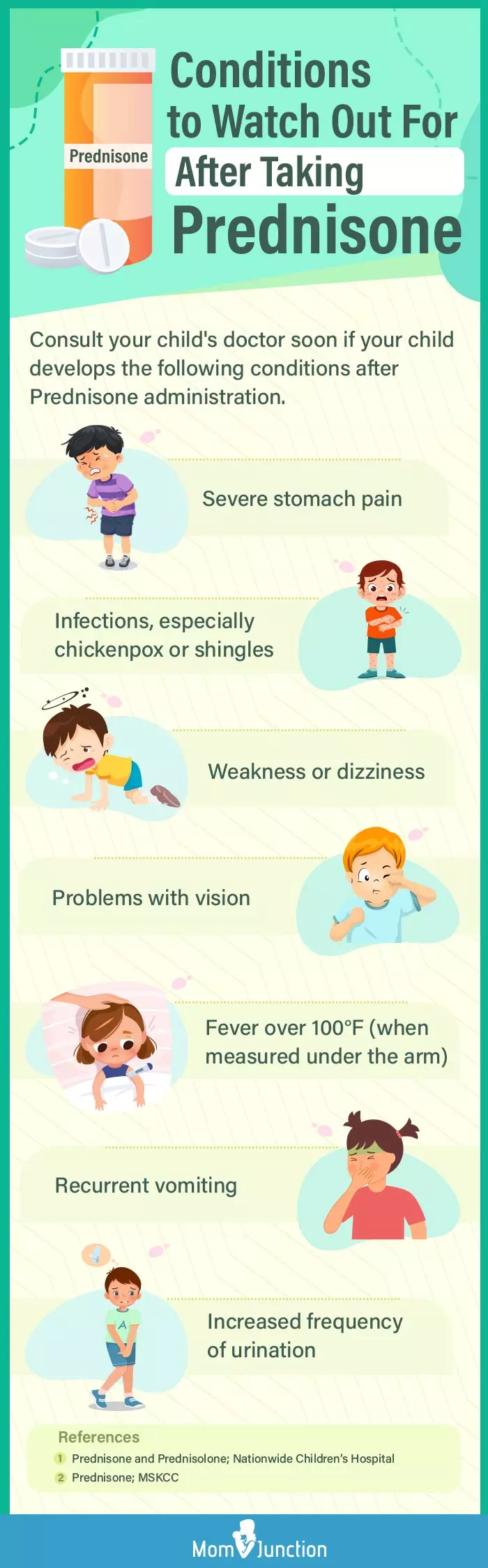
- Potential Side Effects and Their Management: Prednisone can cause a range of side effects, which can be more pronounced with higher doses and longer durations of treatment. These can include:
- Increased appetite and weight gain
- Mood changes (irritability, anxiety, depression)
- Sleep disturbances (insomnia)
- Increased blood sugar levels (potentially leading to steroid-induced diabetes)
- Increased blood pressure
- Weakening of bones (osteoporosis)
- Thinning of skin and easy bruising
- Increased susceptibility to infections
- Eye problems (cataracts, glaucoma)
- Fluid retention
Patients must be informed about these potential side effects and encouraged to report any concerning symptoms to their healthcare provider. Many side effects can be managed or mitigated with lifestyle adjustments, dietary changes, or additional medications.
The Role of Technology in Prednisone Management
In today’s digitally connected world, technology offers numerous avenues to support patients undergoing prednisone therapy.
- Health Information Websites and Apps: Reputable health websites provide comprehensive information on medications, including prednisone, its uses, side effects, and precautions. Mobile apps can help patients track their medication schedules, set reminders for doses, and monitor symptoms. Some apps also offer educational resources and connect users with support communities.
- Telemedicine and Remote Monitoring: Telemedicine platforms allow patients to consult with their doctors remotely, which can be particularly beneficial for managing chronic conditions or for follow-up appointments. Remote monitoring devices can track vital signs like blood pressure and glucose levels, providing valuable data for healthcare providers to adjust treatment plans.
- AI-Powered Health Assistants: While still evolving, Artificial Intelligence (AI) is beginning to play a role in healthcare by providing personalized health information and support. AI-powered chatbots can answer common questions about medications, provide reminders, and even offer general wellness advice, all within a secure and regulated framework. These tools can democratize access to information and empower patients to take a more active role in their health management.
- Wearable Technology: Wearable devices can track physical activity, sleep patterns, and heart rate, providing a holistic view of a patient’s health. This data can be shared with healthcare providers to better understand the impact of prednisone on overall well-being and to identify potential issues early on.
Conclusion: Empowering Patients in Their Healthcare Journey
Prednisone is a powerful and indispensable medication for a wide array of inflammatory, autoimmune, and other medical conditions. Its ability to modulate the body’s immune and inflammatory responses offers significant relief and can be life-saving. However, its potency necessitates careful management and a thorough understanding by both patients and healthcare providers.
As we continue to embrace technological advancements, the landscape of healthcare information and management is transforming. By leveraging reliable online resources, engaging with health applications, and utilizing digital communication tools, patients can become more informed, empowered, and proactive participants in their own healthcare journey. This proactive approach, combined with diligent medical oversight, is key to maximizing the benefits of medications like prednisone while effectively navigating any potential challenges. The intersection of medical knowledge and technological innovation offers a promising future for patient care and well-being.
aViewFromTheCave is a participant in the Amazon Services LLC Associates Program, an affiliate advertising program designed to provide a means for sites to earn advertising fees by advertising and linking to Amazon.com. Amazon, the Amazon logo, AmazonSupply, and the AmazonSupply logo are trademarks of Amazon.com, Inc. or its affiliates. As an Amazon Associate we earn affiliate commissions from qualifying purchases.