
Portable sanders, often referred to as power sanders, represent a significant advancement in woodworking, metalworking, and various DIY projects. Gone are the days of laborious hand-sanding, a process that was not only time-consuming but also prone to inconsistent results. These versatile tools harness the power of electricity to drive abrasive materials, efficiently smoothing, shaping, and finishing surfaces. Their portability adds a crucial dimension, allowing for greater flexibility and maneuverability, especially in confined spaces or on larger, immovable objects. Understanding the myriad applications of a portable sander is key to unlocking its full potential, transforming daunting tasks into manageable and even enjoyable endeavors.

Enhancing Woodworking Projects: From Rough to Refined
Woodworking is arguably the most common arena where portable sanders shine. Their ability to rapidly remove material and create smooth, consistent finishes is invaluable across a wide spectrum of woodworking applications. Whether you’re a seasoned craftsman or a weekend warrior tackling a home improvement project, a portable sander can dramatically elevate the quality and efficiency of your work.
Surface Preparation and Smoothing
The foundational use of a portable sander in woodworking is for initial surface preparation. Before any stain, paint, or sealant can be effectively applied, the wood surface must be meticulously smoothed. Rough-sawn lumber, freshly cut edges, or surfaces bearing the marks of previous finishes or accidental damage all require sanding. Portable sanders, equipped with appropriately graded sandpaper, can quickly level out imperfections, remove mill marks, and achieve a uniformly smooth texture. This is crucial for ensuring an even and professional-looking final product. Without proper surface preparation, paint can become patchy, stain can soak in unevenly, and the overall aesthetic will be compromised.
Shaping and Contouring
Beyond simple smoothing, portable sanders are adept at shaping and contouring wood. While less precise than specialized carving tools, they can be used to round over sharp edges, create bevels, or even gently sculpt curves. Orbital sanders, with their random-orbital motion, are particularly well-suited for this, as they minimize the risk of creating noticeable swirl marks. Belt sanders, on the other hand, offer aggressive material removal, making them ideal for rapidly shaping larger pieces or quickly removing excess material to achieve a desired profile. This capability is essential for everything from crafting furniture with ergonomic curves to creating decorative elements for cabinetry.
Removing Old Finishes and Paint
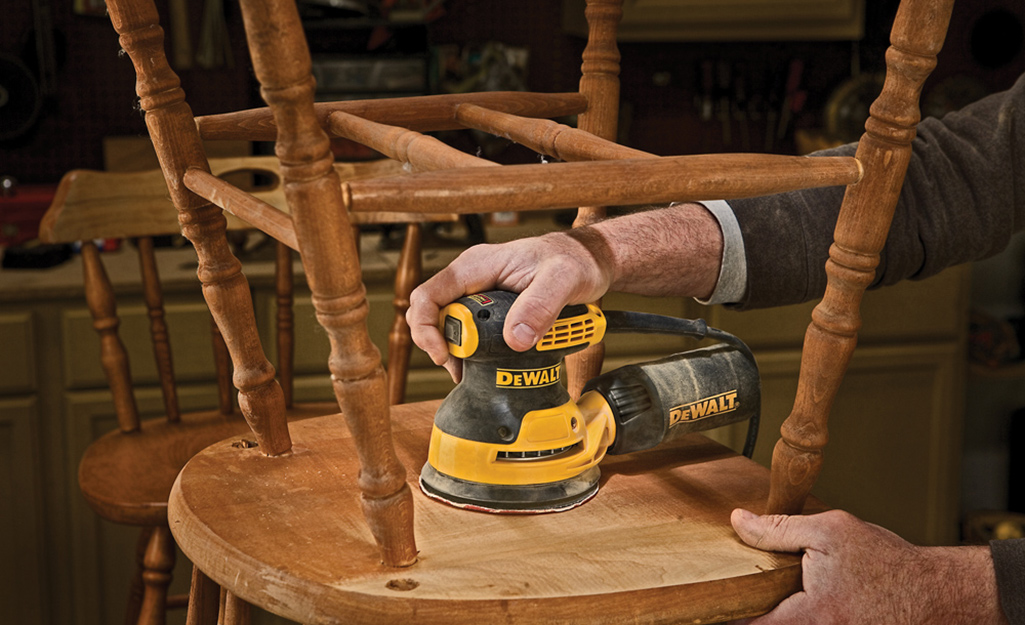
Restoration projects and refinishing furniture often involve the arduous task of removing old paint, varnish, or stain. Portable sanders can significantly expedite this process. For thick layers of paint, a belt sander with coarse-grit sandpaper can quickly strip away multiple layers. For more delicate finishes or smaller areas, an orbital or detail sander can provide a more controlled approach. It’s important to use the right grit sandpaper and apply consistent pressure to avoid gouging the underlying wood. Proper ventilation and personal protective equipment are also paramount when dealing with dust from old finishes, which can sometimes contain hazardous materials.
Achieving a Ready-to-Finish Surface
The ultimate goal of sanding in woodworking is to create a surface that is perfectly prepared to receive a finish. This means not just smoothness, but also the absence of dust and debris. Portable sanders, especially those equipped with dust collection systems, play a vital role in this. By minimizing airborne dust, they not only create a cleaner working environment but also ensure that the surface is clean and receptive to stains, paints, or clear coats. A thorough sanding with progressively finer grits leaves a surface that is ready to accept the finish, allowing it to penetrate evenly and bond effectively, leading to a durable and aesthetically pleasing outcome.
Versatility Across Materials: Beyond Wood
While wood is a primary domain, the utility of portable sanders extends far beyond lumber. Their abrasive action is effective on a variety of other materials, making them indispensable tools for tradespeople and DIY enthusiasts working with diverse substrates.
Metal Surface Preparation and Finishing
In metalworking, portable sanders are used for a range of tasks, from removing rust and scale to preparing surfaces for welding or painting. Belt sanders are excellent for quickly removing rust from larger metal surfaces. Orbital sanders can be used for general smoothing and de-burring after cutting or grinding. For more intricate work or finer finishing, smaller rotary tools with sanding attachments can be employed. The key is to use appropriate abrasives designed for metal and to manage heat generation, which can be a concern when sanding metal. Proper safety gear, including eye protection and gloves, is essential when working with metal.
Preparing Surfaces for Painting and Priming
Whether it’s a car body, a metal railing, or a wall, portable sanders are crucial for preparing surfaces for a flawless paint job. They can smooth out imperfections, remove old, peeling paint, and scuff up glossy surfaces to create a better grip for primer and paint. For automotive applications, orbital sanders are commonly used for their ability to achieve smooth, uniform finishes without leaving noticeable swirl marks. For walls, a pole sander can be used to smooth drywall joints and prepare them for painting. The dust collection capabilities of many modern sanders are particularly beneficial in these scenarios, minimizing airborne dust that can contaminate fresh paint.
Removing Grout and Old Adhesives
In construction and renovation, portable sanders can be surprisingly effective at tackling tough removal tasks. For instance, with the right attachments, some rotary tools and even specialized detail sanders can be used to carefully remove old grout between tiles, allowing for re-grouting. Similarly, they can aid in removing stubborn adhesive residue from floors or walls after old flooring or wallpaper has been removed. This requires a careful approach to avoid damaging the underlying surface, but the efficiency gained over manual scraping can be substantial.
Plastic and Composite Material Finishing
Portable sanders can also be used on certain types of plastic and composite materials, especially for smoothing edges, removing flash (excess material from molds), or preparing surfaces for bonding or painting. Again, the choice of abrasive and the technique used are critical to avoid melting or damaging the material. Low speeds and specialized abrasives are often recommended for working with plastics.
The Importance of Dust Management and Safety
As portable sanders aggressively remove material, they inevitably generate significant amounts of dust. This dust is not only a nuisance but can also pose serious health risks and create a fire hazard. Therefore, effective dust management and adherence to safety protocols are paramount when operating these tools.
Dust Collection Systems
Modern portable sanders increasingly incorporate built-in dust collection systems. These can range from simple dust bags that capture a portion of the airborne particles to more sophisticated vacuum attachments that connect directly to a shop vac. These systems significantly reduce the amount of dust that escapes into the surrounding environment, making for a cleaner workspace and improved air quality. For tasks generating large amounts of dust, connecting the sander to a powerful external dust extractor is often the most effective solution.
Personal Protective Equipment (PPE)
Even with dust collection, wearing appropriate personal protective equipment is non-negotiable. This includes:
- Respirator: A dust mask or respirator specifically rated for fine particles is essential to protect your lungs from inhaling abrasive dust.
- Eye Protection: Safety glasses or goggles are crucial to prevent dust and debris from entering your eyes.
- Hearing Protection: Power sanders can be noisy, so earplugs or earmuffs are recommended for prolonged use.
- Gloves: Work gloves can provide a better grip and protect your hands from minor abrasions.
Safe Operating Practices
Beyond PPE, safe operating practices are vital:
- Read the Manual: Always familiarize yourself with the manufacturer’s instructions for your specific sander.
- Secure Your Workpiece: Ensure the item you are sanding is firmly clamped or secured to prevent it from moving unexpectedly.
- Proper Stance and Grip: Maintain a stable stance and a firm grip on the sander.
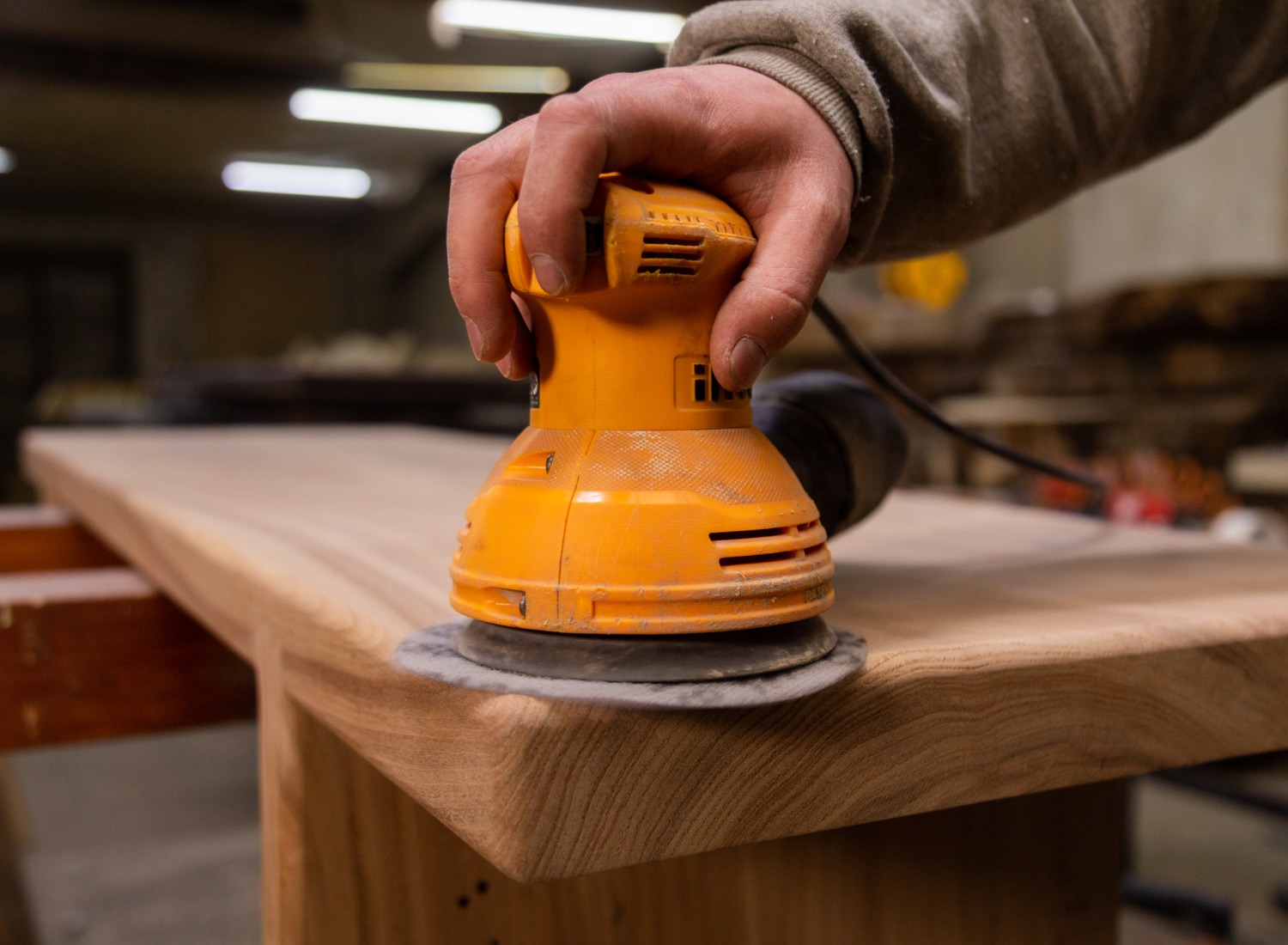
- Controlled Movement: Move the sander in a consistent pattern over the surface, avoiding excessive pressure that can lead to gouges or damage.
- Power Down Before Adjustments: Always turn off and unplug the sander before changing sandpaper or making any adjustments.
- Beware of Sparks and Flammables: When sanding certain materials, sparks can be generated. Keep the work area free of flammable materials.
By prioritizing dust management and safety, you can harness the power of portable sanders efficiently and responsibly, ensuring both the quality of your work and your well-being.
aViewFromTheCave is a participant in the Amazon Services LLC Associates Program, an affiliate advertising program designed to provide a means for sites to earn advertising fees by advertising and linking to Amazon.com. Amazon, the Amazon logo, AmazonSupply, and the AmazonSupply logo are trademarks of Amazon.com, Inc. or its affiliates. As an Amazon Associate we earn affiliate commissions from qualifying purchases.