
In the world of global commodities, the term “pork loin” transcends the culinary world and enters the high-stakes arena of agricultural economics and futures trading. For the retail investor or the financial analyst, a pork loin is not merely a cut of meat; it is a critical component of the “Lean Hog” complex—a volatile, multi-billion dollar market that serves as a barometer for consumer spending, global trade health, and inflationary pressure.
Understanding what a pork loin represents in a financial context requires peeling back the layers of the global supply chain, analyzing the “Pork Cycle” of boom and bust, and evaluating the commodity’s role in a diversified investment portfolio. This article explores the economic significance of the pork loin, the mechanics of its valuation, and the strategies used by institutional investors to capitalize on this essential protein.
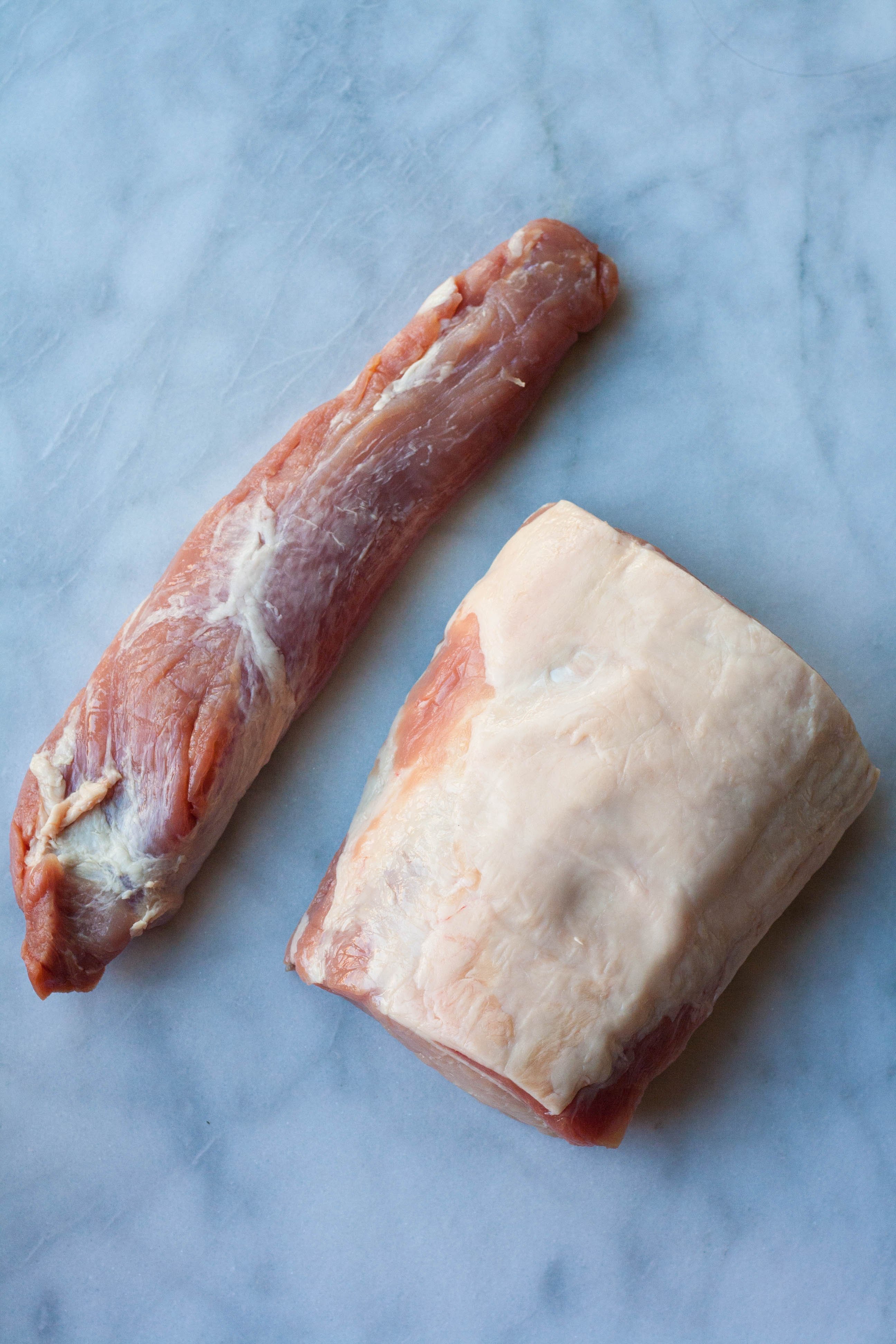
The Financial Anatomy of a Pork Loin: Understanding Commodity Valuation
From an investment perspective, the pork loin is one of the most valuable “primal cuts” of a hog carcass. In the commodities market, hogs are often traded as “Lean Hogs,” but the underlying value of those contracts is driven by the wholesale price of the individual parts, known collectively as the “pork cutout.”
Supply Side Factors: Feed Costs and Biological Lag
The valuation of a pork loin begins long before it reaches a processing plant. The primary cost driver in the production of pork is corn and soybean meal. Because livestock production is a conversion business—converting grain into protein—the “hog-corn ratio” is a vital metric for investors. When grain prices rise, the profit margins for producers shrink, often leading to a reduction in herd sizes.
Furthermore, the pork market is subject to a “biological lag.” It takes approximately six months to raise a pig to market weight. This means that supply cannot react instantly to price signals. For an investor, this lag creates predictable cycles of oversupply and shortage, offering opportunities for those who can accurately forecast feed price trends and farrowing intentions.
Demand Side Drivers: Domestic Consumption vs. Global Export
The pork loin is a premium lean cut, making it highly sensitive to consumer purchasing power. In the domestic market, pork loin prices often correlate with the “Beef-Pork Spread.” When beef prices skyrocket, consumers migrate to pork loins as a high-quality, lower-cost alternative, driving up the price.
On the global stage, the pork loin is a major export commodity. The United States is one of the world’s largest exporters of pork, and changes in trade policy, tariffs, or currency fluctuations (particularly the strength of the USD) can cause massive swings in the value of pork products. For instance, an increase in demand from China—the world’s largest pork consumer—can cause domestic pork loin prices to surge even if local demand remains stagnant.
Trading the “Meat”: Navigating Lean Hog Futures and ETFs
For those looking to gain financial exposure to the pork market, the primary vehicle is the Lean Hog futures contract. Unlike equities, which represent ownership in a company, pork futures represent a commitment to buy or sell a specific amount of lean hog carcass at a predetermined price in the future.
The Role of the CME Group in Pricing
The Chicago Mercantile Exchange (CME) is the epicenter of pork trading. The CME Lean Hog Index is a two-day weighted average of the prices processors pay for lean hogs. While investors may not trade “pork loin futures” directly, the loin’s wholesale value (the “Loin Primal”) is a massive contributor to the cutout value that informs these futures.
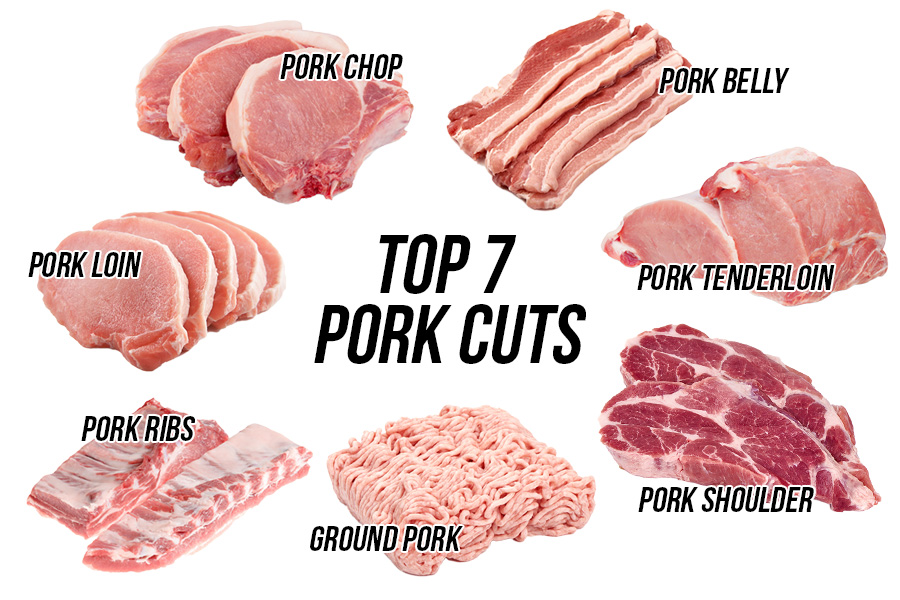
Professional traders watch the “Daily Pork Cutout Report” released by the USDA. This report breaks down the value of the loin, butt, picnic, rib, ham, and belly. Of these, the loin often represents the most stable yet significant portion of the total carcass value, acting as a “blue-chip” component of the hog market.
Hedging Strategies for Agribusiness Investors
Institutional investors and large-scale commercial producers use pork loin valuations to hedge against price volatility. For example, a large grocery chain might use long positions in hog futures to lock in prices for their pork loin inventory months in advance, protecting their margins against sudden price spikes caused by supply disruptions. Conversely, producers use short positions to protect themselves against a price collapse. For the speculative investor, the goal is to provide the liquidity these hedgers need while profiting from correctly predicting the direction of the market.
Economic Indicators and the “Pork Cycle”
To understand the long-term value of the pork loin, one must understand the “Pork Cycle”—a phenomenon in economics where prices fluctuate in a consistent, cyclical pattern due to the time it takes to increase or decrease production.
Inventory Reports and Pig Crop Data
The USDA’s “Hogs and Pigs” report is the most anticipated document in this sector. Released quarterly, it provides data on the current inventory of breeding and market hogs. For a financial analyst, these numbers are the ultimate “forward-looking guidance.” If the report shows a high number of “pigs per litter” or a large “pig crop,” it signals a future surplus of pork loins, which typically leads to a bearish outlook on prices.
Seasonal Volatility and Price Trends
The pork market is notoriously seasonal. Historically, pork loin prices tend to peak in the summer months during the “grilling season.” Conversely, prices often dip in the fall as producers bring their spring-born hogs to market, increasing supply. Investors who understand these seasonal patterns can use “calendar spreads”—buying one contract month and selling another—to capture the price differences inherent in the pork loin’s lifecycle.
Modern Disruptors: Technology and ESG in the Pork Industry
As with all financial sectors, technology and Environmental, Social, and Governance (ESG) factors are beginning to reshape the valuation of the pork industry. The way we define the “value” of a pork loin is shifting from pure caloric output to a more complex calculation involving sustainability.
Precision Livestock Farming (PLF) and Profitability
Technology is currently the biggest driver of margin expansion in the pork industry. Precision Livestock Farming (PLF) uses AI, IoT sensors, and data analytics to monitor hog health and optimize feed efficiency. For investors, companies that utilize these technologies represent a “lower-risk” play within the commodity space. Higher efficiency leads to lower “break-even” points for pork loin production, making the business more resilient to market downturns.
Sustainable Investing and the Rise of Alternatives
The “Money” category is increasingly focused on the carbon footprint of meat production. Large institutional funds are putting pressure on meat processors to reduce methane emissions and improve animal welfare. This has led to the rise of “Green Bonds” in the agricultural sector.
Furthermore, the rise of plant-based and lab-grown meat alternatives represents a long-term “disruptive risk” to the traditional pork loin market. While meat substitutes currently hold a small market share, their growth trajectory is a key metric for any long-term investor in the protein space. The “Pork Loin” of the future may well be a bio-engineered product, and the companies leading that charge are attracting significant venture capital and private equity interest.
Risk Management in the Livestock Sector
Investing in commodities like pork is not for the faint of heart. It requires a robust risk management strategy and an understanding of systemic shocks that can decimate a portfolio overnight.
Disease Outbreaks and Systemic Market Shocks
The single greatest risk to the value of a pork loin is biological. Diseases such as African Swine Fever (ASF) or Porcine Reproductive and Respiratory Syndrome (PRRS) can wipe out entire populations. When ASF hit China in 2018, it destroyed nearly half of their hog herd, causing global pork prices to reach historic highs. For an investor, these events are “Black Swan” occurrences that provide both immense risk and immense profit potential for those positioned correctly.
Inflation and Consumer Purchasing Power
As a “middle-of-the-road” protein—more expensive than chicken but cheaper than beef—the pork loin is a unique indicator of inflationary pressure. In a high-inflation environment, consumers may trade down from expensive steaks to pork loins, keeping demand high. However, if inflation persists and real wages fall, even the pork loin may become a luxury for some, leading to a “demand destruction” phase.
Conclusion: The Pork Loin as a Financial Instrument
What is a pork loin? In the context of finance and money, it is a complex, high-value asset at the intersection of global trade, agricultural technology, and consumer behavior. It is a commodity that rewards those who understand the nuances of supply chains, the biological realities of production, and the macro-economic forces of inflation and international relations.
Whether you are trading futures on the CME, investing in large-scale agribusiness stocks, or analyzing the impact of food inflation on the broader economy, the pork loin remains a vital piece of the financial puzzle. By viewing this “cut of meat” through a professional financial lens, investors can gain a deeper understanding of the global markets and identify the opportunities hidden within the “Pork Cutout.”
aViewFromTheCave is a participant in the Amazon Services LLC Associates Program, an affiliate advertising program designed to provide a means for sites to earn advertising fees by advertising and linking to Amazon.com. Amazon, the Amazon logo, AmazonSupply, and the AmazonSupply logo are trademarks of Amazon.com, Inc. or its affiliates. As an Amazon Associate we earn affiliate commissions from qualifying purchases.