
In the vast and ever-evolving landscape of digital content creation, where voices resonate across podcasts, videos, livestreams, and virtual meetings, audio quality has emerged as a paramount concern. While high-end microphones often capture the spotlight, one unassuming yet indispensable accessory frequently goes unnoticed: the pop shield. Often mistaken for a mere luxury, a pop shield, also known as a pop filter, is a crucial component in achieving professional-grade audio. It acts as a gatekeeper, meticulously filtering out unwanted sounds that can mar an otherwise perfect recording. This article delves into the technical marvel of the pop shield, its profound impact on personal and corporate branding, and the undeniable financial wisdom of integrating one into any serious audio setup.

The Core Function: Understanding Audio Clarity
At its heart, a pop shield is an acoustic filter designed to improve the clarity and smoothness of spoken and sung audio. Its primary mission is to combat a specific type of vocal distortion that, once heard, is impossible to un-hear.
What are Plosives and Sibilance?
The human voice, while capable of incredible nuance and expression, also produces certain harsh sounds that can overwhelm a microphone. These are broadly categorized as:
- Plosives: These are bursts of air that occur when articulating consonants like ‘P’, ‘B’, ‘T’, ‘D’, ‘K’, and ‘G’. When these sounds are spoken directly into a microphone without a pop shield, the sudden puff of air creates a strong, low-frequency pressure wave that “pops” the microphone’s diaphragm. This results in a jarring, percussive thud that can be incredibly distracting and unpleasant for the listener, often sounding like a muffled punch or a loud breath.
- Sibilance: While plosives are about air pressure, sibilance refers to the harsh, hissing sounds produced by ‘S’, ‘Z’, ‘SH’, and ‘CH’ consonants. While pop shields are primarily known for plosive reduction, many designs also help to slightly attenuate excessive sibilance by softening the direct air stream, although dedicated de-essers (software or hardware) are often employed for more aggressive sibilance control.
Both plosives and sibilance contribute significantly to listener fatigue and detract from the overall professional quality of an audio recording.
The Acoustic Principle: How Pop Shields Work
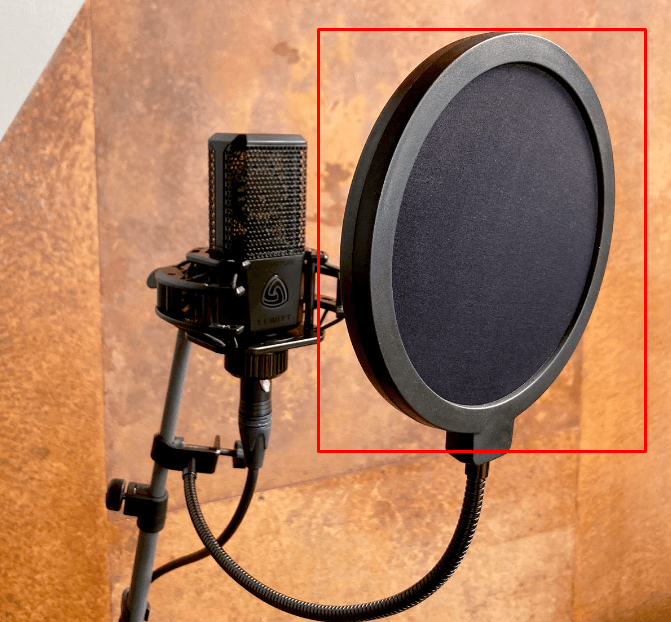
A pop shield doesn’t magically erase these sounds; instead, it disperses the energy. Typically consisting of one or more layers of acoustically transparent material stretched over a frame, the pop shield is placed between the speaker/singer and the microphone. When a plosive burst of air hits the pop shield, the material effectively diffuses and slows down the air pressure wave. Instead of a concentrated “puff” hitting the microphone’s diaphragm directly, it becomes a much softer, spread-out gentle breeze. This prevents the diaphragm from being overloaded and eliminates the undesirable popping sound.
The materials used are crucial. They must be dense enough to scatter air effectively but porous enough not to muffle or alter the natural sound of the voice. The design ensures that the vocal frequencies pass through largely unimpeded, preserving the integrity and warmth of the human voice while neutralizing its harsh byproducts.
Beyond Plosives: A Broader Spectrum of Audio Improvement
While plosive reduction is its main role, a pop shield offers ancillary benefits that contribute to overall audio quality. It acts as a physical barrier, protecting the microphone capsule from moisture (saliva spray, breath condensation) and dust. Over time, moisture can degrade the delicate components of a microphone, particularly condenser microphones, leading to reduced performance or even permanent damage. Dust accumulation can also affect sound quality. By keeping these elements at bay, a pop shield extends the lifespan and maintains the pristine performance of valuable microphone equipment, contributing to long-term cost savings and consistent audio output. It also offers a slight psychological benefit, allowing the speaker to focus on delivery without worrying about inadvertently overloading the mic.
A Tech Essential for Modern Content Creation
In an era defined by digital communication, a pop shield is no longer just a studio accessory; it’s a vital piece of tech for anyone serious about producing high-quality audio content. Its integration into various setups underscores its technological relevance.
The Anatomy of a Pop Shield: Materials and Design Variations
Pop shields come in diverse forms, each optimized for different needs and budgets:
- Nylon Mesh Filters: These are the most common type, featuring one or two layers of fine nylon or synthetic fabric. They are highly effective at diffusing plosives, lightweight, and generally affordable. The double-layer design offers superior plosive reduction by forcing the air to dissipate twice.
- Metal Filters: Comprising a thin sheet of metal with precisely angled perforations, metal pop shields offer excellent plosive control and are often more durable and easier to clean than fabric versions. Their design can sometimes offer a slightly more transparent sound as they don’t absorb high frequencies in the same way fabric might.
- Foam Windscreens: While not strictly pop shields, foam windscreens that fit directly over the microphone capsule perform a similar function, primarily for outdoor recording or to protect against breath noise. They are less effective against strong plosives than dedicated pop shields but offer convenience and portability.
- Mounting Mechanisms: Most pop shields attach to a microphone stand or desk using a flexible gooseneck clamp, allowing for precise positioning. Some newer designs feature magnetic attachments directly to specific microphones, offering a sleeker, more integrated look.
Understanding these variations allows creators to choose the right tool for their specific microphone, environment, and aesthetic preferences.
Integration with Your Audio Setup: Placement and Compatibility
Correct placement is key to a pop shield’s effectiveness. It should typically be positioned 2-6 inches away from the microphone, allowing enough space for the air to diffuse before reaching the capsule. The speaker then positions themselves a comfortable distance from the pop shield. This setup creates a critical “dead air” zone where plosive energy can dissipate.
Compatibility is rarely an issue, as most pop shields use universal clamp mounts. However, specific microphone types might benefit from particular pop shield styles. Large-diaphragm condenser microphones, known for their sensitivity and wide frequency response, benefit immensely from pop shields due to their susceptibility to plosives. Dynamic microphones, while generally more robust, also see significant improvement. When setting up a home studio or a mobile recording rig, integrating the pop shield as a fixed element of the microphone stand ensures consistent performance.
Software Solutions vs. Hardware: The Digital/Analog Debate
In the age of advanced digital audio workstations (DAWs) and AI-powered audio tools, one might wonder if a physical pop shield is still necessary. Software solutions like de-essers, noise gates, and even sophisticated AI noise reduction plugins can mitigate certain audio issues. However, they are fundamentally different from a pop shield:
- Pop Shield (Hardware): Prevents the problem at the source. It stops the plosive from ever reaching and distorting the microphone’s diaphragm. This means the raw audio signal is cleaner from the outset.
- Software (Post-Production): Attempts to fix the problem after it has occurred. While powerful, it can only reduce or mask the distortion. A heavily distorted plosive that has “popped” the microphone often creates a non-linear distortion that is very difficult, if not impossible, to completely remove without introducing artifacts or negatively impacting other parts of the vocal performance.
The consensus among audio professionals is that hardware solutions like a pop shield are the first line of defense. A clean recording provides the best foundation for any subsequent digital processing. Relying solely on software to fix plosives is often a compromise, adding extra post-production time and potentially yielding inferior results compared to a properly recorded track. The physical pop shield remains an indispensable piece of technology that works in tandem with, rather than being replaced by, digital tools.
Emerging Trends and Future of Audio Accessories
While the core technology of pop shields remains relatively stable, trends in audio accessories point towards greater integration and aesthetic appeal. We see custom-designed pop shields that seamlessly blend with specific microphone models, magnetic attachments for quick setup, and more durable, travel-friendly designs. As home studios become more sophisticated and content creators demand cleaner, more professional aesthetics, the design and material science behind pop shields will continue to evolve, offering improved performance and user experience.
Elevating Your Brand Through Pristine Sound
Beyond its technical function, the pop shield plays a pivotal role in brand perception. In the digital realm, where first impressions are critical and attention spans are fleeting, audio quality is often an overlooked yet powerful determinant of a brand’s credibility and professionalism.
The Unspoken Message: Audio Quality and Professionalism
Imagine tuning into a podcast or watching a YouTube video where the host’s voice is riddled with harsh “pops” every time they say a ‘P’ or a ‘B’. This immediate auditory discomfort sends an unspoken message: a lack of attention to detail, amateur production, or even a disregard for the listener’s experience. Conversely, clear, smooth, and pleasant audio signals professionalism, care, and quality.
For personal brands—be it a burgeoning podcaster, a YouTube educator, a Twitch streamer, or a voiceover artist—the quality of their voice is their brand. A pop shield ensures that the message is delivered without distracting impediments, allowing the content to take center stage. It cultivates trust and respect, indicating that the creator invests in their craft and values their audience.
Building Trust and Authority: For Podcasters and Streamers
Podcasters and streamers rely heavily on sustained listener engagement. A jarring audio experience can lead to listener fatigue, reduced retention rates, and ultimately, a smaller audience. In a crowded digital space, listeners have countless options; they will gravitate towards content that is not only engaging but also easy on the ears.
A pop shield is a simple, effective tool for fostering a high-quality audio environment. It contributes to a smooth, inviting vocal delivery that encourages prolonged listening, builds rapport, and strengthens the host’s authority and authenticity. When a voice sounds professional, the content it delivers is perceived as more credible and authoritative, reinforcing the brand’s position as a go-to source for information or entertainment.
Corporate Branding and Voiceovers: Consistency and Clarity
For corporate entities, consistent, high-quality audio is paramount across all touchpoints – from internal training videos and e-learning modules to marketing campaigns, explainer videos, and customer service prompts. A professional corporate voiceover needs to be impeccable, free from any technical flaws that could undermine the brand’s message or perceived trustworthiness.
A pop shield ensures that the corporate voice remains clear, articulate, and free of distracting plosives, reflecting a polished and meticulous brand image. It safeguards against the potential for an otherwise strong marketing message to be diluted by poor audio, which can unconsciously associate the brand with a lack of attention to detail or quality. In the competitive business landscape, every element that contributes to a superior brand experience is an investment, and audio quality is no exception.
Personal Branding for Musicians and Artists: Polishing Your Sound
Musicians and vocal artists understand that their voice is their primary instrument. Demos, online performances, and collaborations demand pristine vocal recordings. A pop shield ensures that vocal tracks are clean, dynamic, and professional, free from explosive plosives that could detract from a nuanced performance. For artists building their online presence, the audio quality of their uploaded tracks, covers, or vlogs significantly impacts how they are perceived by potential fans, collaborators, and industry professionals. It demonstrates a commitment to quality and a polished sound, which are crucial for standing out in a saturated market.
The Financial Imperative: Investing in Your Audio Future
While often an inexpensive accessory, the pop shield’s financial implications are surprisingly significant, offering substantial return on investment (ROI) by enhancing monetization opportunities and reducing costs.
Cost-Benefit Analysis: The ROI of a Quality Pop Shield
A pop shield typically costs anywhere from $10 to $50, with high-end models reaching $100 or more. Compared to microphones that can range from hundreds to thousands of dollars, it is a remarkably affordable investment. The ROI, however, is immense.
- Avoid Costly Re-records: Plosives are often difficult, if not impossible, to fix perfectly in post-production. A recording marred by excessive plosives may require a complete re-recording session, costing valuable time (which translates to money) for the talent, engineers, and content creators. A pop shield virtually eliminates this risk upfront.
- Enhanced Listener/Viewer Experience: As discussed, better audio quality leads to higher audience retention and engagement. More engaged listeners are more likely to subscribe, share, and support the content, driving direct and indirect revenue.
- Protection for Expensive Gear: By preventing moisture and dust from reaching the microphone capsule, a pop shield helps prolong the lifespan of expensive microphones, saving on potential repair or replacement costs down the line.
The minimal initial outlay for a pop shield offers disproportionately high returns in terms of production efficiency, audience satisfaction, and equipment longevity.
Maximizing Monetization: Better Audio, More Opportunities
For content creators, excellent audio directly translates to increased monetization potential:
- Higher Ad Revenue & Sponsorships: Brands are more likely to partner with creators who consistently deliver high-quality content. A professional audio standard signals reliability and aligns with brand values, leading to better sponsorship deals and higher ad rates.
- Client Work & Freelance Opportunities: Voiceover artists, narrators, and session musicians rely on their portfolio to attract clients. Clean, professional-sounding demos are non-negotiable. A pop shield helps ensure every audition and delivery is pristine, opening doors to more lucrative client work.
- Premium Content & Paid Subscriptions: If you offer premium content, a paid podcast, or a subscription service, the expectation for quality is even higher. Pristine audio validates the premium price point and encourages subscribers to stay.
In essence, a pop shield helps creators present their best professional self, thereby unlocking a wider range of financial opportunities in the competitive digital economy.
Smart Spending: When to Upgrade and What to Look For
While even a basic pop shield offers significant benefits, understanding when to upgrade and what features to prioritize is part of smart financial planning for your audio setup:
- Entry-Level (Under $20): Good for beginners, often single-layer nylon. Offers significant improvement over no pop shield.
- Mid-Range ($20-$50): Often double-layer nylon or basic metal. Provides better plosive reduction and more robust build quality. A solid investment for most content creators.
- Premium ($50+): High-quality metal filters, advanced mounting systems, or integrated designs. These offer maximum durability, transparency, and sometimes aesthetic appeal. Consider these if you have high-end microphones, require absolute sonic purity, or have specific mounting needs.
Consider factors like durability, ease of cleaning, and the quality of the gooseneck (a flimsy gooseneck can be frustrating). Investing in a quality pop shield that will last and consistently perform well is a financially sound decision, avoiding the need for frequent replacements.
The Hidden Savings: Reduced Post-Production Time
Time is money, especially for busy content creators or studios. Editing out plosives can be a painstaking and time-consuming process. Even with advanced software, it often requires manual intervention, EQ adjustments, and careful listening to avoid introducing new audio artifacts. By preventing plosives at the recording stage, a pop shield significantly reduces the amount of time spent in post-production. This allows creators to:
- Produce more content: More time saved in editing means more time for creating new material.
- Meet deadlines faster: Critical for client work and regular content schedules.
- Focus on creative aspects: Instead of fixing technical flaws, editors can dedicate their energy to enhancing the overall sound design and mixing, further elevating the content’s quality.
This efficiency gain, while sometimes intangible, adds up to substantial financial savings over time.
Choosing the Right Pop Shield: A Practical Guide
Selecting the ideal pop shield involves considering your specific setup and needs.
Factors to Consider: Microphone Type, Environment, and Budget
- Microphone Type: For highly sensitive condenser mics, a double-layer nylon or metal pop shield is highly recommended. Dynamic mics might suffice with a single layer, but better protection is always a plus.
- Recording Environment: If you record in a dusty or humid environment, a metal pop shield might be more durable and easier to clean than fabric.
- Budget: Start with what you can afford, knowing that even inexpensive options offer significant improvement. Prioritize function over aesthetics if budget is tight.
- Aesthetics: For video content, a sleeker, less obtrusive pop shield might be preferred. Consider magnetic or integrated options if available for your mic.
- Gooseneck Quality: A sturdy, easily adjustable gooseneck is crucial for precise positioning and longevity.
Installation and Maintenance Tips
- Placement: Position the pop shield 2-6 inches from the microphone. Position yourself 2-6 inches from the pop shield. Experiment with distances to find the sweet spot for your voice and mic.
- Angle: Angle the pop shield slightly to further disperse air, rather than having it perfectly perpendicular to the mic.
- Cleaning: Regularly clean your pop shield. Fabric shields can often be gently hand-washed with mild soap and air-dried. Metal filters can be wiped with a damp cloth. This maintains hygiene and prevents the buildup of dust and moisture.

Common Mistakes to Avoid
- Placing it too close or too far: Too close, and it won’t have enough space to diffuse air effectively. Too far, and it loses effectiveness, and you risk speaking around it.
- Using a cheap, flimsy gooseneck: It will constantly sag or move, leading to inconsistent performance.
- Neglecting to clean it: A dirty pop shield can become a breeding ground for germs and can start to affect sound quality.
- Thinking it’s a replacement for good microphone technique: While it helps, good mic technique (speaking across the mic, not directly into it) still enhances audio quality.
In conclusion, the humble pop shield stands as a testament to the principle that sometimes the simplest solutions yield the most profound results. It’s an indispensable piece of technology that not only purifies your sound at the source but also acts as a silent guardian of your brand’s integrity and your financial investment in the burgeoning world of digital content. For anyone with a microphone and a message, a pop shield isn’t just an option; it’s a necessity.
aViewFromTheCave is a participant in the Amazon Services LLC Associates Program, an affiliate advertising program designed to provide a means for sites to earn advertising fees by advertising and linking to Amazon.com. Amazon, the Amazon logo, AmazonSupply, and the AmazonSupply logo are trademarks of Amazon.com, Inc. or its affiliates. As an Amazon Associate we earn affiliate commissions from qualifying purchases.