
In the realm of software development, particularly within the Java ecosystem, the term “POJO” (Plain Old Java Object) emerges as a fundamental concept. While its name might suggest simplicity, the underlying principles and implications of POJOs are far-reaching, impacting how we design, build, and maintain robust and flexible software applications. Understanding what constitutes a POJO is not just about grasping a piece of jargon; it’s about appreciating a design philosophy that prioritizes simplicity, portability, and interoperability.
The essence of a POJO lies in its unpretentiousness. It is an object that embodies core programming principles without being burdened by frameworks or external dependencies. This liberation from framework-specific mandates is what grants POJOs their “plainness” and, consequently, their significant advantages. In an industry often characterized by rapid evolution and the introduction of new technologies, the enduring value of POJOs stems from their ability to remain relevant and adaptable.
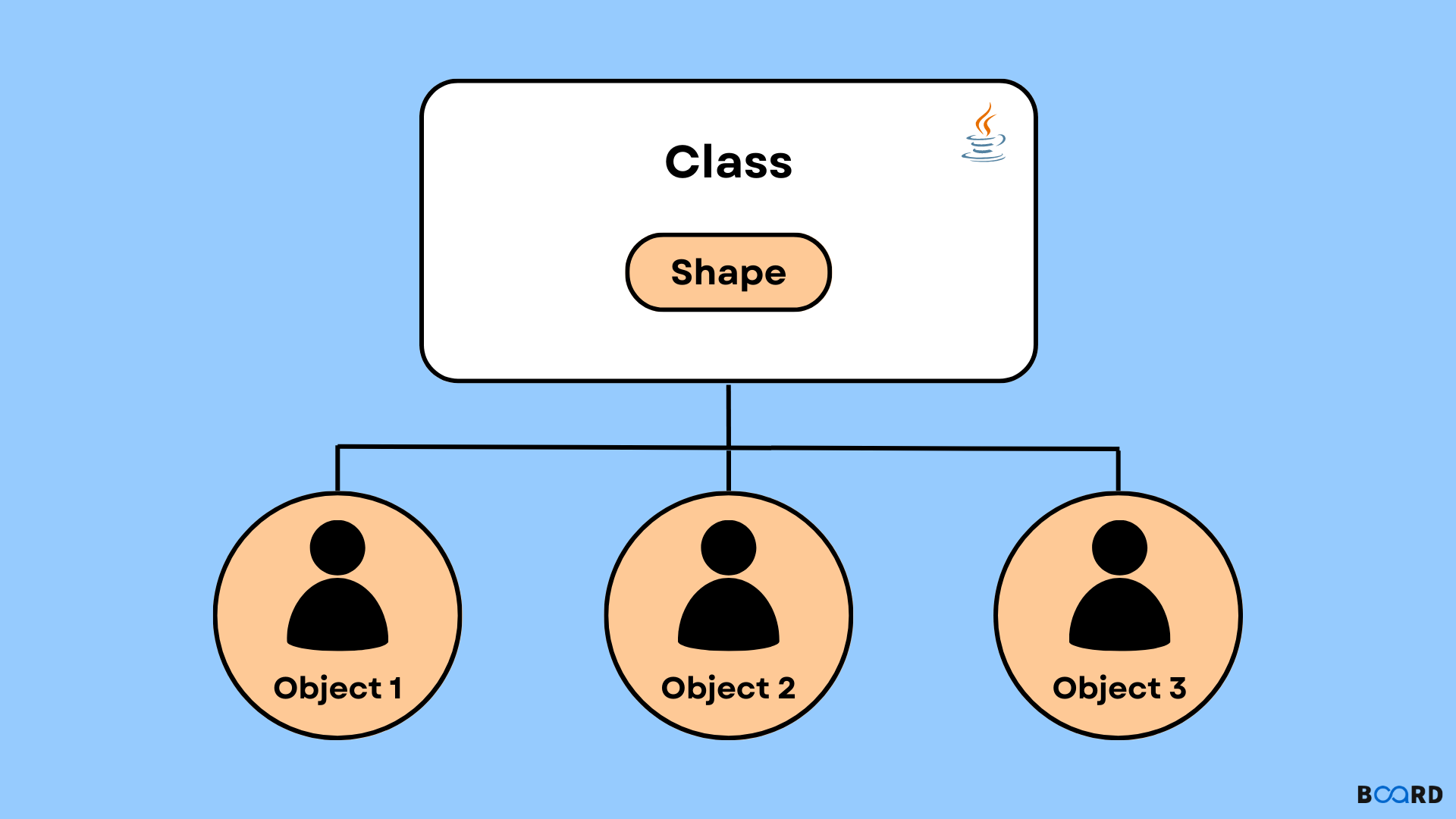
The Genesis and Evolution of the POJO Concept
The term “POJO” was coined by Martin Fowler in 2000, in response to the increasing complexity of Enterprise JavaBeans (EJBs). At the time, EJBs were a popular component model for building distributed enterprise applications. However, they came with a significant overhead: EJBs were deeply intertwined with the EJB specification and required specific interfaces, annotations, and lifecycle management that made them difficult to test, understand, and reuse outside of the EJB container. Fowler proposed the idea of “Plain Old Java Objects” as a simpler, more direct alternative for representing data and business logic.
The Problem with Early Enterprise Beans
Before the advent of POJOs, Java developers often encountered the challenges posed by heavyweight frameworks. Enterprise JavaBeans, for instance, while powerful, imposed a rigid structure. To be an EJB, an object needed to implement specific EJB interfaces and adhere to a complex deployment descriptor. This meant that even simple data-holding objects were entangled with the EJB container’s infrastructure.
- Framework Entanglement: EJBs required specific interfaces like
EJBObjectandEJBLocalObject. Business logic was often mixed with container-managed transactions and security, making it hard to separate concerns. - Testability Issues: Testing an EJB often required deploying it into an EJB container, making unit testing slow and cumbersome. Developers couldn’t easily instantiate and test their business logic in isolation.
- Portability Concerns: Code written for one EJB container might not be easily portable to another, leading to vendor lock-in and increased development costs.
- Performance Overhead: The infrastructure required to manage EJBs introduced performance overhead that was sometimes unnecessary for simpler tasks.
Fowler’s Vision: Simplicity as a Virtue
Martin Fowler’s insight was that many of these complexities were not inherent to the problems being solved but were rather artifacts of the chosen frameworks. He advocated for a return to simpler Java objects that could hold data and encapsulate business logic without the baggage of enterprise specifications. This led to the definition of a POJO: an object that adheres to a few simple rules, making it lightweight, testable, and versatile.
The core idea behind POJOs was to decouple business logic from the underlying infrastructure. This meant that developers could focus on writing clean, understandable code that represented the core business domain, rather than getting bogged down in framework-specific configurations and protocols.
Defining a POJO: The Essential Characteristics
While the term “Plain Old Java Object” suggests informality, there are generally accepted characteristics that define a POJO. These characteristics are not strict rules enforced by a compiler but rather guidelines that promote good design and usability. The absence of these specific requirements is what makes an object “plain” and thus a POJO.
Minimal Dependencies and Framework Independence
The most defining characteristic of a POJO is its lack of dependency on specific frameworks or APIs beyond the standard Java Development Kit (JDK). This means a POJO should not:
- Extend framework-specific classes: For example, it should not extend
javax.servlet.http.HttpServletororg.apache.struts.action.Action. - Implement framework-specific interfaces: It should avoid implementing interfaces like
javax.ejb.EJBObjectororg.springframework.stereotype.Componentdirectly, although it can be used by such frameworks. - Contain framework-specific annotations: While frameworks might annotate POJOs, the POJO itself should not be defined by these annotations. For instance, an entity in JPA (Java Persistence API) might be annotated with
@Entity, but the underlying object that holds the data is still fundamentally a POJO.
The goal is to create objects that are self-contained and can function independently of any particular technology stack. This independence is crucial for maintainability and for allowing different frameworks to interact with the object in consistent ways.
JavaBeans Compliance (Optional but Often Associated)
While not strictly required, many POJOs also adhere to the JavaBeans specification. JavaBeans are a component architecture for Java that defines a set of conventions for how Java classes should be written to be reusable software components. Adhering to JavaBeans conventions typically means:
- Public no-argument constructor: The class must have a public constructor that takes no arguments. This allows frameworks to instantiate the object easily.
- Private instance variables: All instance variables (fields) should be private. This enforces encapsulation, a core object-oriented principle.
- Public getter and setter methods: For each private instance variable, there should be a public
getmethod (e.g.,getFieldName()) to retrieve its value and a publicsetmethod (e.g.,setFieldName(DataType value)) to modify it. These methods are often referred to as “accessors” and “mutators.” - Serializable: While not always mandatory, it’s common for JavaBeans to implement the
java.io.Serializableinterface. This allows objects to be persisted or transmitted across a network.
Objects that meet these JavaBeans conventions are often referred to as JavaBeans. A POJO that also adheres to JavaBeans conventions is a JavaBean POJO. However, a POJO doesn’t have to be a JavaBean; it can have public fields, different naming conventions for getters/setters, or even no getters/setters if its state is managed differently. The “plainness” remains the primary attribute.
Encapsulation and Domain Logic
Beyond its structural requirements, a POJO should embody good object-oriented design principles. This means:
- Encapsulation: Data is hidden and accessed through methods. This protects the object’s internal state and allows for control over how it’s manipulated.
- Business Logic: POJOs are ideal places to encapsulate business logic related to the data they hold. For example, a
CustomerPOJO might have a methodcalculateDiscountedPrice()that uses its internalpriceanddiscountRatefields. - Immutability (Optional but Recommended): For increased thread-safety and predictability, POJOs can be designed to be immutable. This means their state cannot be changed after they are created. Immutable POJOs often have all fields declared as
finaland are initialized only through the constructor.
The key is that the object should represent a real-world entity or concept, and its methods should operate on its own state.
The Advantages of Using POJOs in Software Development
The simplicity and design philosophy behind POJOs translate into a multitude of benefits for developers and the software development process as a whole. These advantages range from improved code quality and maintainability to enhanced performance and flexibility.
Enhanced Testability and Maintainability
One of the most significant benefits of POJOs is their inherent testability. Because they have minimal dependencies and do not rely on external containers or frameworks for their core functionality, POJOs can be easily instantiated and tested in isolation.
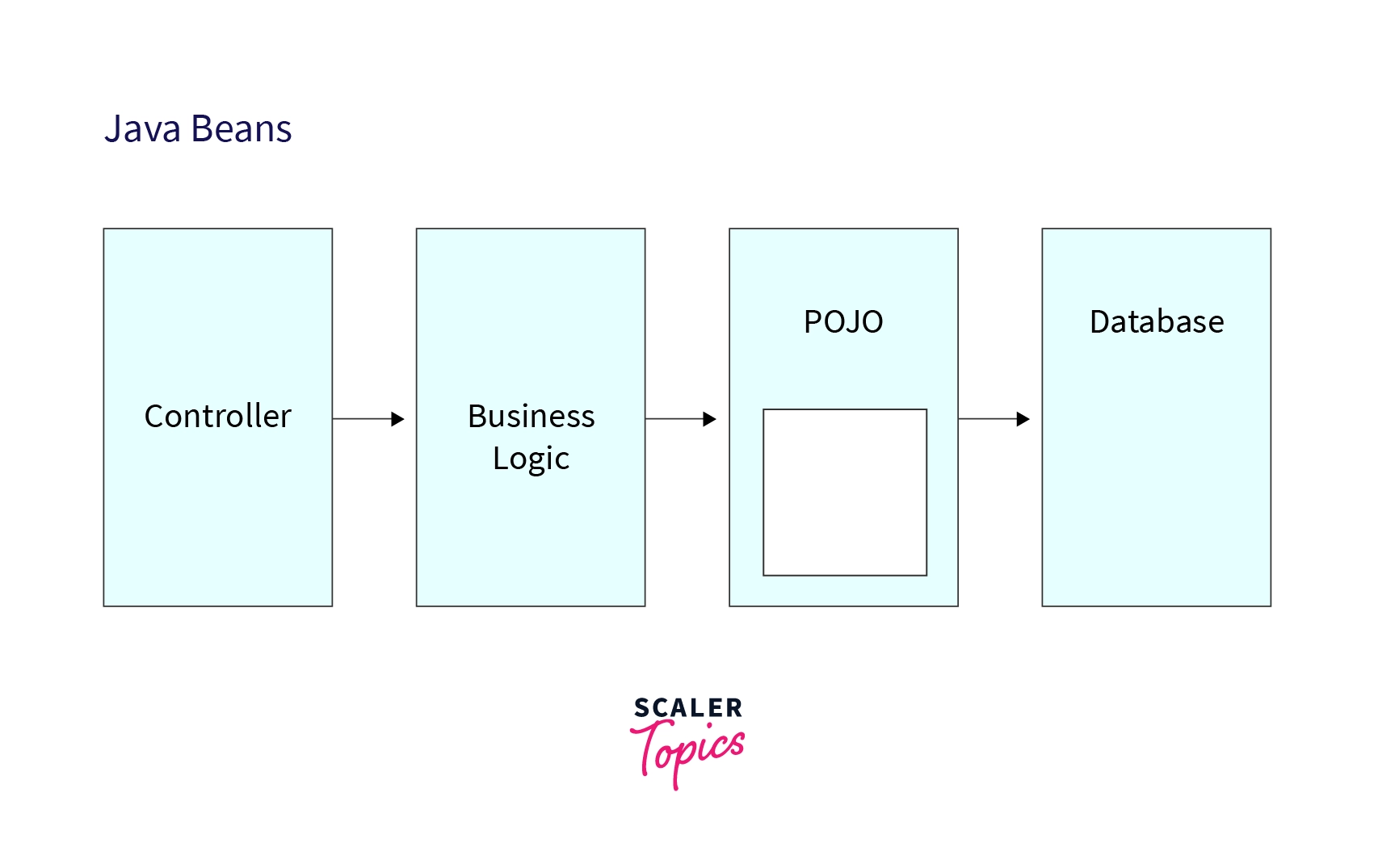
- Unit Testing: Developers can write unit tests that create POJO instances, set their properties, call their methods, and assert expected outcomes without needing to set up complex testing environments or mock extensive dependencies. This leads to faster test execution and more reliable test suites.
- Reduced Test Complexity: The absence of framework-specific setup or teardown procedures simplifies the writing and maintenance of tests.
- Easier Debugging: When a POJO is misbehaving, it’s often easier to pinpoint the issue because the code is focused on a specific piece of domain logic without the noise of framework interactions.
This ease of testing directly contributes to maintainability. Well-tested code is easier to refactor, modify, and extend with confidence, reducing the risk of introducing regressions.
Portability and Framework Agnosticism
POJOs are inherently portable. Since they do not tie themselves to specific framework implementations or proprietary APIs, they can be used across different technologies and environments.
- Interoperability: POJOs can be easily integrated with various frameworks. For example, a POJO representing user data can be used by a web framework (like Spring MVC or Jakarta EE), a persistence framework (like Hibernate or JPA), a messaging system, or even a simple command-line application.
- Technology Evolution: As frameworks evolve or are replaced, POJOs remain a stable foundation. The business logic encapsulated within POJOs can be preserved, and the application can be adapted to new technologies by changing the way these POJOs are managed and interacted with by the new frameworks.
- Reduced Vendor Lock-in: By not depending on vendor-specific components, applications built with POJOs are less susceptible to vendor lock-in, allowing for greater freedom in technology choices.
This framework agnosticism is particularly valuable in large, long-lived enterprise applications where technology stacks may need to be updated or changed over time.
Improved Readability and Simplicity
The “plainness” of POJOs makes them inherently more readable and understandable. Developers can quickly grasp the purpose and functionality of an object without having to decipher complex framework configurations or understand the intricacies of a particular container.
- Focus on Business Logic: POJOs allow developers to concentrate on the core business requirements of the application. The code directly reflects the domain model, making it more intuitive.
- Reduced Boilerplate Code: By avoiding framework-specific boilerplate code, POJOs contribute to a cleaner and more concise codebase.
- Onboarding New Developers: New team members can often understand and contribute to an application more quickly when the core logic is implemented in straightforward POJOs.
This simplicity fosters a more productive and enjoyable development experience.
Performance Considerations
While not always the primary driver for using POJOs, their simplicity can sometimes lead to performance advantages.
- Reduced Overhead: Objects without heavy framework dependencies often have less overhead during instantiation and method invocation compared to their framework-laden counterparts.
- Optimized Data Handling: POJOs are often optimized for efficient data storage and retrieval, especially when designed with performance in mind (e.g., using appropriate data types, minimizing object creation).
In scenarios where performance is critical, the lean nature of POJOs can be a contributing factor to overall application efficiency.
POJOs in Modern Software Architectures
In contemporary software development, POJOs remain a cornerstone, not as isolated entities, but as vital components within larger, sophisticated architectures. They serve as the fundamental building blocks that represent data and encapsulate domain logic, interacting with various frameworks and services.
Integration with Frameworks and Libraries
While POJOs are defined by their lack of inherent framework dependencies, their true power is often realized through their seamless integration with frameworks. Modern frameworks are designed to work with POJOs, not to replace them.
- Spring Framework: Spring is a prime example. It heavily relies on POJOs for configuration (via XML or Java-based configurations), dependency injection, and domain objects. Spring manages POJOs, injects dependencies into them, and orchestrates their interactions.
- Jakarta Persistence API (JPA) and Hibernate: JPA entities, which represent database tables, are often POJOs annotated with JPA annotations. Hibernate, an implementation of JPA, reads these annotations to map POJOs to database schemas, persisting and retrieving their data.
- Web Frameworks (e.g., Spring MVC, Struts): Request and response data in web applications are frequently represented by POJOs. These POJOs are populated by frameworks, processed by application logic, and then potentially serialized into formats like JSON or XML for API responses.
- Jackson and Gson for JSON Processing: Libraries like Jackson and Gson are used to serialize Java objects (POJOs) into JSON format and deserialize JSON into Java objects. This is fundamental for building RESTful APIs.
The relationship is symbiotic: frameworks provide the infrastructure and services, while POJOs provide the core data and business logic.
Microservices and Domain-Driven Design (DDD)
POJOs are particularly well-suited for modern architectural styles like microservices and Domain-Driven Design (DDD).
- Microservices: In a microservices architecture, each service is responsible for a specific business capability. POJOs are ideal for representing the data and domain logic within each microservice. Their independence ensures that each microservice can evolve without impacting others, and they can be developed using a variety of technologies.
- Domain-Driven Design (DDD): DDD emphasizes modeling complex business domains. POJOs are the natural choice for representing the “Entities” and “Value Objects” within a DDD model. They encapsulate the behavior and state of domain concepts, keeping the business logic close to the data it operates on. This leads to a cleaner, more maintainable, and business-aligned codebase.
By isolating domain concerns into POJOs, developers can build more modular, scalable, and resilient applications.
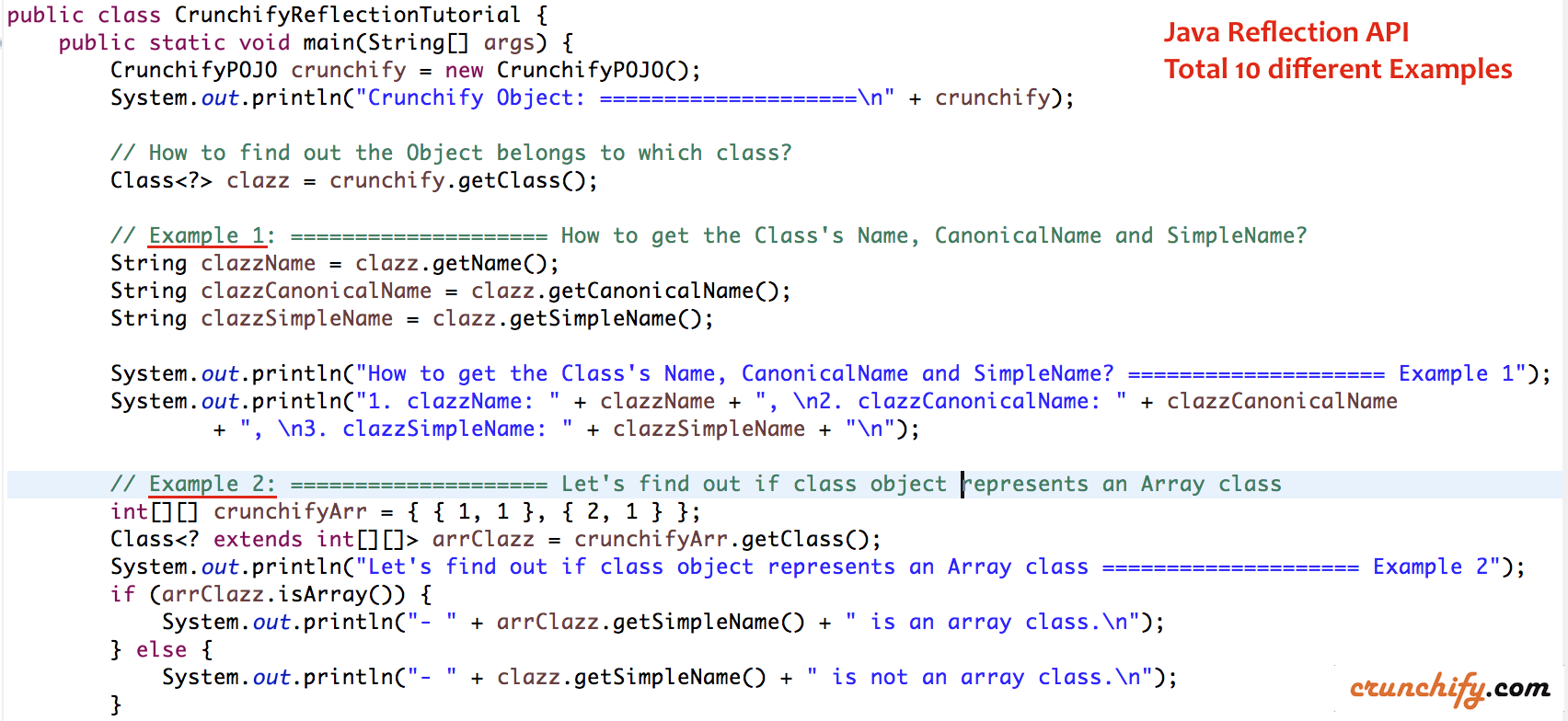
Data Transfer Objects (DTOs) and Value Objects
POJOs also serve as excellent Data Transfer Objects (DTOs) and Value Objects.
- DTOs: DTOs are objects used to transfer data between different layers or components of an application, or between a client and a server. They are typically simple data holders with getters and setters, devoid of business logic. POJOs that adhere to JavaBeans conventions are often used as DTOs.
- Value Objects: Value Objects represent a conceptual value rather than an identity. For example, a
Moneyobject with a currency and amount. They are often immutable and are equal if their values are equal, regardless of their object identity. POJOs are perfect for implementing Value Objects, promoting immutability and value-based equality.
In these roles, POJOs facilitate efficient and clear data exchange, enhancing the overall design and performance of the application.
In conclusion, the concept of a POJO, born out of a desire for simplicity and flexibility, has endured and thrived in the ever-evolving landscape of software development. By adhering to straightforward principles, POJOs provide a foundation for building robust, testable, maintainable, and portable applications. Their continued relevance in modern architectures like microservices and their synergy with powerful frameworks underscore their status as an indispensable tool in the Java developer’s arsenal. Understanding and embracing POJO principles is not just about writing code; it’s about adopting a mindset that prioritizes clarity, adaptability, and long-term software health.
aViewFromTheCave is a participant in the Amazon Services LLC Associates Program, an affiliate advertising program designed to provide a means for sites to earn advertising fees by advertising and linking to Amazon.com. Amazon, the Amazon logo, AmazonSupply, and the AmazonSupply logo are trademarks of Amazon.com, Inc. or its affiliates. As an Amazon Associate we earn affiliate commissions from qualifying purchases.