
Understanding the nuances of our body’s internal thermostat is more than just a trivia point; it’s a fundamental aspect of health monitoring and a fascinating intersection of biology and the technological advancements that help us track it. While the commonly cited figure of 98.6°F (37°C) has been a cornerstone of medical knowledge for decades, the reality of what constitutes a “normal” human body temperature is far more dynamic and nuanced than a single number suggests. This article delves into the complexities of human body temperature, exploring the factors that influence it and how technology, in line with the technological trends and advancements featured on this platform, is revolutionizing our ability to monitor and understand this vital sign.
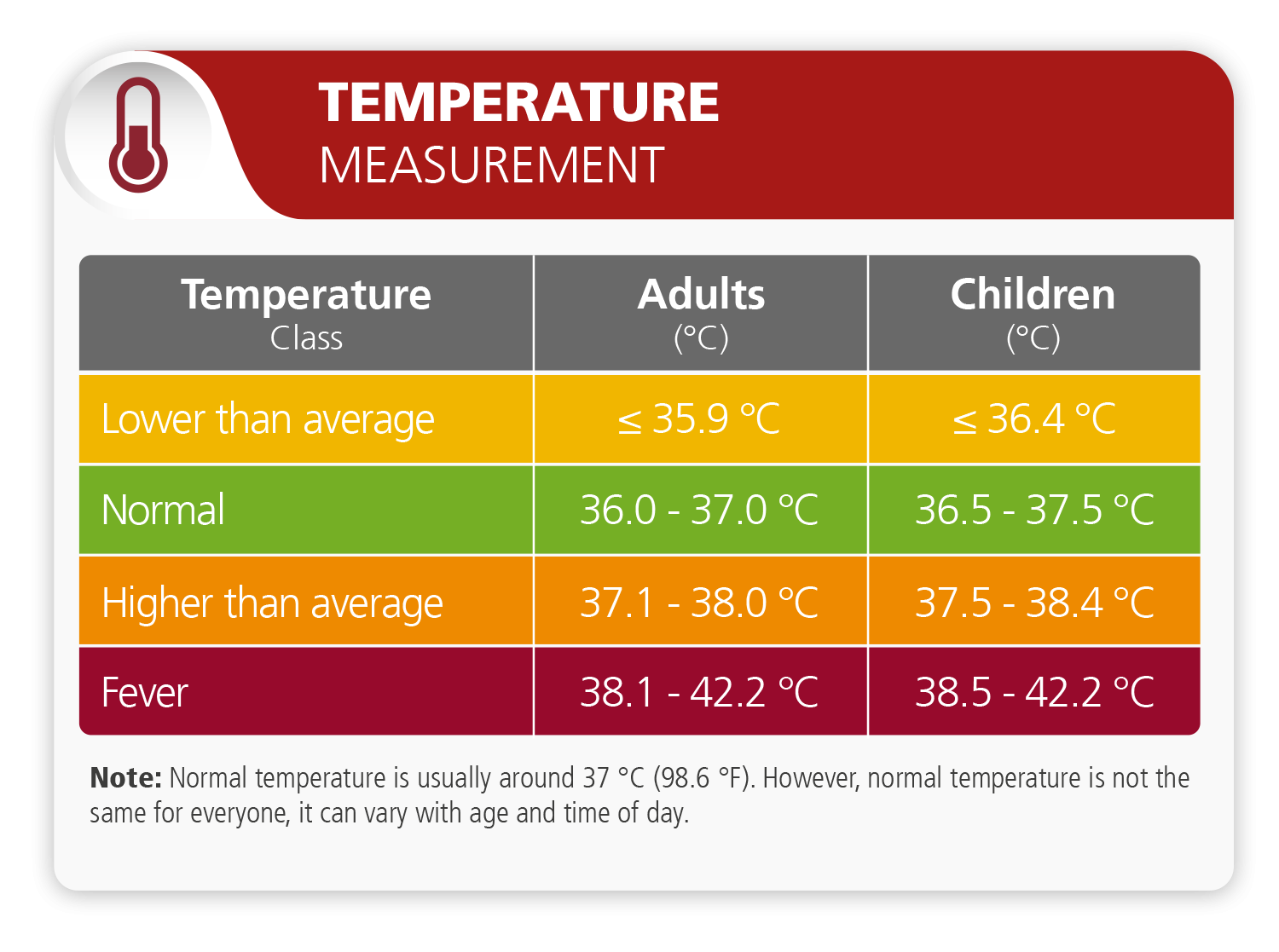
The Evolving Definition of Normal: Beyond 98.6°F
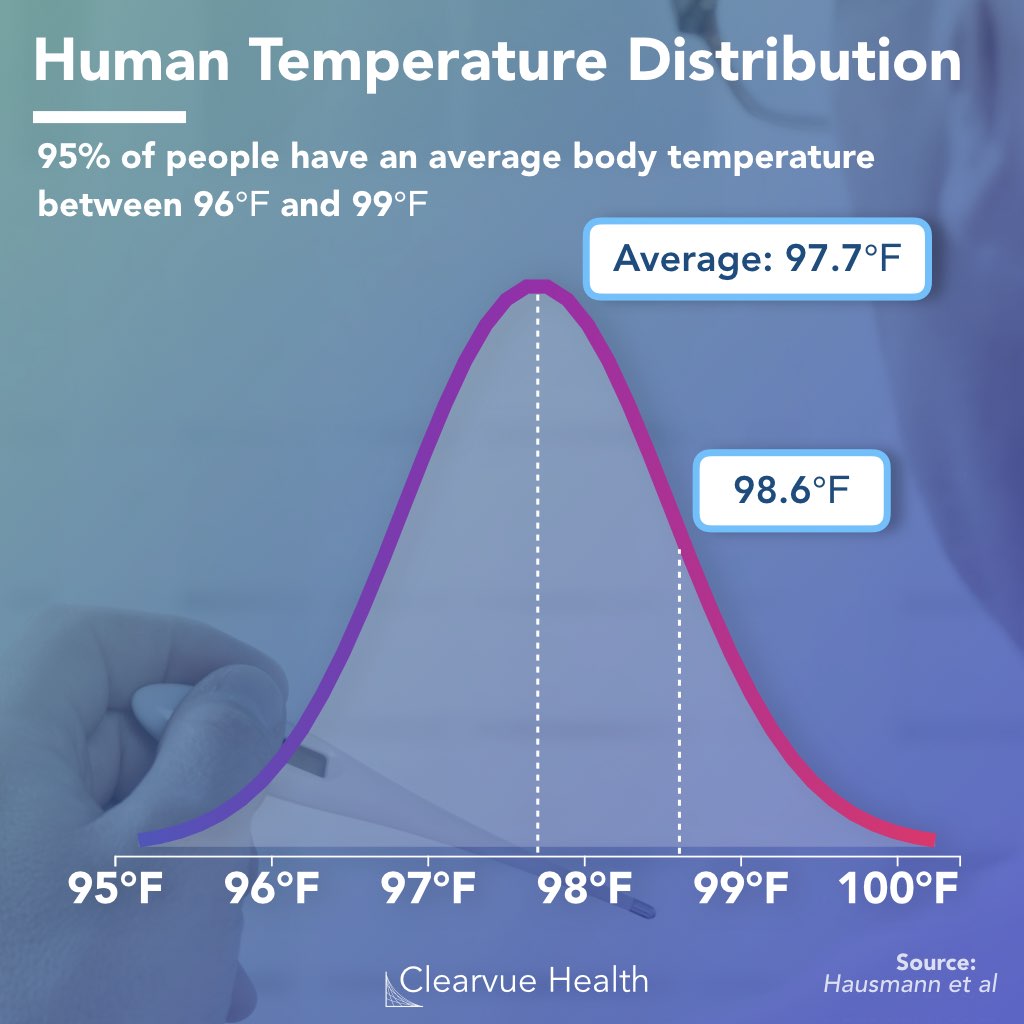
The idea that 98.6°F is a universal benchmark for normal body temperature has its roots in a study conducted by physician Carl Wunderlich in the 19th century. While groundbreaking for its time, this single data point has been increasingly challenged by modern research. Contemporary studies suggest that the average human body temperature might actually be lower, closer to 97.9°F (36.6°C). This shift in understanding highlights the importance of continuous scientific inquiry and how our perception of established facts can evolve with new data and improved methodologies.
Factors Influencing Your Temperature
The concept of a “normal” temperature is not static. It fluctuates throughout the day and is influenced by a multitude of internal and external factors. Recognizing these variations is crucial for accurate interpretation of temperature readings.
Circadian Rhythms: The Body’s Internal Clock
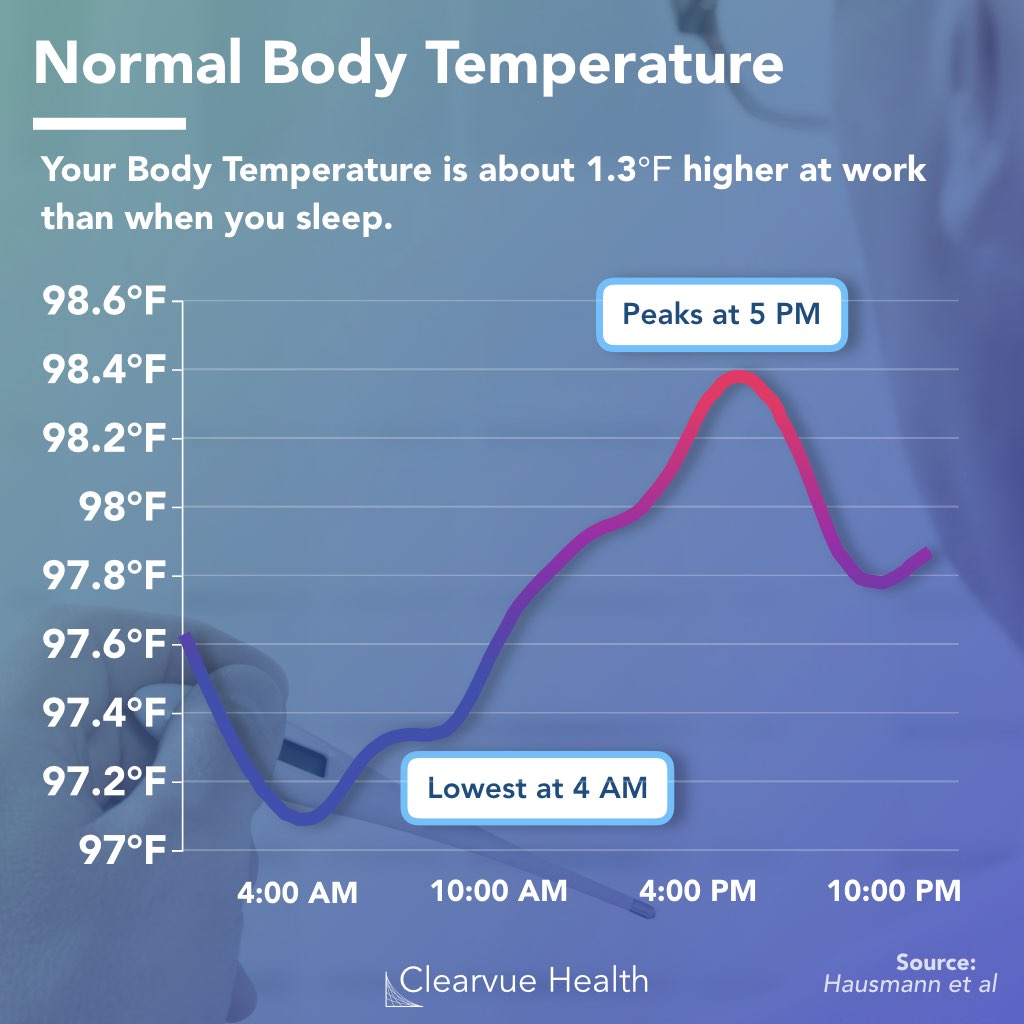
One of the most significant determinants of body temperature is our circadian rhythm, the natural 24-hour cycle that regulates sleep-wake patterns and other physiological processes. Generally, our body temperature is lowest in the early morning hours, typically a few hours before waking, and gradually rises throughout the day, reaching its peak in the late afternoon or early evening. This daily fluctuation can be as much as 1-2°F (0.5-1°C). Understanding this rhythm can prevent unnecessary alarm if your temperature is slightly lower in the morning or slightly higher in the evening.
Age: A Shifting Thermostat
Age plays a considerable role in body temperature. Infants and young children tend to have slightly higher body temperatures than adults. As we age, our metabolic rate may slow, and our ability to regulate temperature can become less efficient, potentially leading to slightly lower readings. Elderly individuals might experience lower baseline temperatures.
Activity Level: The Impact of Movement
Physical activity generates heat within the body. Therefore, your temperature will naturally be higher after exercise or strenuous activity. It’s advisable to wait for at least 20-30 minutes after significant exertion before taking a temperature reading for the most accurate baseline.
Food and Drink: Temporary Influences
Consuming hot or cold food and beverages can temporarily affect oral temperature readings. Similarly, recent meals can influence metabolic processes, leading to minor fluctuations. For oral temperature measurements, it’s recommended to avoid eating or drinking for at least 15-20 minutes beforehand.
Menstrual Cycle: Hormonal Swings
For individuals who menstruate, hormonal changes, particularly the surge in progesterone after ovulation, can cause a slight increase in basal body temperature. This effect is subtle, often less than 1°F (0.5°C), but it’s a well-documented phenomenon.
Stress and Emotion: The Mind-Body Connection
Strong emotions, such as excitement or stress, can trigger the release of hormones like adrenaline, which can temporarily elevate body temperature. This highlights the interconnectedness of our physical and mental states.
Measurement Site: Where You Take the Temperature Matters
The location where body temperature is measured significantly impacts the reading. Different sites have different typical temperature ranges:
- Oral: Generally reflects core body temperature but can be influenced by recent food or drink intake and breathing through the mouth. Normal range is typically around 98.6°F (37°C).
- Rectal: Considered the most accurate reflection of core body temperature, especially in infants and young children. Rectal temperatures are usually 0.5-1°F (0.3-0.5°C) higher than oral temperatures.
- Axillary (Armpit): Less accurate than oral or rectal readings and can be influenced by environmental factors and sweat. Axillary temperatures are usually 0.5-1°F (0.3-0.5°C) lower than oral temperatures.
- Tympanic (Ear): Measures the temperature of the eardrum, which is close to core body temperature. Can be influenced by earwax buildup or the seal of the thermometer.
- Temporal Artery (Forehead): A convenient, non-invasive method that measures the temperature of the skin over the temporal artery. Accuracy can vary depending on technique and environmental conditions.
The Technological Revolution in Health Monitoring
The way we monitor our health, including our body temperature, has been dramatically transformed by technological innovation. What was once a purely clinical endeavor is now increasingly accessible to individuals through a growing array of smart devices and advanced diagnostics. This aligns perfectly with the tech-centric focus of this platform, exploring how cutting-edge gadgets are empowering us to take a more proactive role in our well-being.
Smart Thermometers and Wearables: Real-Time Insights
The advent of digital thermometers has been a significant step, offering faster and more accurate readings than traditional mercury thermometers. However, the true revolution lies in the integration of this technology into smart devices.
- Smart Thermometers: Many modern digital thermometers connect via Bluetooth to smartphone apps. These apps can store historical temperature data, track trends over time, and even provide personalized insights based on your readings and reported symptoms. This allows for a much more comprehensive understanding of your personal temperature baseline and any deviations from it.
- Wearable Technology: Increasingly, smartwatches and fitness trackers are incorporating temperature sensors. While these often measure skin temperature rather than core body temperature, they can still provide valuable insights into trends and potential shifts. For instance, some wearables are designed to detect slight temperature increases that might indicate the early stages of illness or changes related to a menstrual cycle. This continuous, passive monitoring offers a level of data collection that was previously unimaginable.
AI and Data Analysis: Unlocking Deeper Meaning
The data collected by these smart devices is becoming increasingly valuable when analyzed by sophisticated algorithms and artificial intelligence.
- Personalized Baselines: AI can help establish a truly personalized “normal” temperature for an individual by analyzing years of data, factoring in the variations we discussed earlier. This moves beyond generalized averages to a more precise understanding of what’s normal for you.
- Early Detection and Prediction: By identifying subtle patterns and deviations from your personalized baseline, AI can potentially flag the early onset of illness or other health concerns even before symptoms become apparent. This proactive approach to health management is a game-changer.
- Symptom Correlation: When combined with other health data (e.g., heart rate, sleep patterns, reported symptoms), AI can help correlate temperature fluctuations with specific conditions or lifestyle factors, providing a more holistic view of your health.
Digital Security and Data Privacy: A Crucial Consideration
As we embrace these technologically advanced health monitoring tools, the importance of digital security and data privacy cannot be overstated. The sensitive nature of health data necessitates robust safeguards to protect this information from unauthorized access or misuse. Understanding how your data is collected, stored, and used is paramount. Platforms committed to transparency in their data handling practices and offering strong privacy controls are essential for building trust in this evolving landscape of personal health technology.
When to Seek Professional Advice: Understanding Fever and Hypothermia
While understanding what constitutes a normal temperature is important, so is recognizing when a deviation indicates a potential health issue. Fever and hypothermia are the two primary states of significant temperature abnormality.
Fever: The Body’s Defense Mechanism
A fever is generally defined as a body temperature that is higher than the normal range, typically above 100.4°F (38°C). It is the body’s natural response to infection or inflammation, as a higher temperature can inhibit the growth of pathogens and enhance immune function.
- Causes of Fever: Fevers can be caused by a wide range of conditions, including viral and bacterial infections (like the flu, common cold, or strep throat), inflammatory diseases, and even certain medications or vaccinations.
- When to Worry: While most fevers are benign and resolve on their own, certain circumstances warrant medical attention. This includes high fevers (especially in infants and young children), fevers that persist for more than a few days, fevers accompanied by severe symptoms like difficulty breathing, stiff neck, or a rash, or fevers in individuals with compromised immune systems.
Hypothermia: Dangerously Low Body Temperature
Hypothermia occurs when the body loses heat faster than it can produce it, leading to a dangerously low core body temperature, generally below 95°F (35°C). This is a medical emergency.
- Causes of Hypothermia: Prolonged exposure to cold environments, inadequate clothing, immersion in cold water, and certain medical conditions can lead to hypothermia.
- Recognizing the Signs: Symptoms can include shivering, confusion, slurred speech, drowsiness, loss of coordination, and a weak pulse. In severe cases, it can lead to loss of consciousness and cardiac arrest. Immediate medical attention is crucial if hypothermia is suspected.
The Role of Technology in Identifying Abnormalities
The smart health devices discussed earlier can play a crucial role in identifying both fever and potential hypothermia. By continuously monitoring temperature or providing easy and accurate readings, they allow individuals and healthcare providers to be alerted to significant deviations from the norm quickly. This early detection can be critical in managing both febrile illnesses and life-threatening hypothermia.
Conclusion: A Dynamic Baseline in a Technological Age
In conclusion, the question “what is a normal temperature of a human body” has a more complex answer than a single number. It’s a dynamic range influenced by a multitude of factors, and our understanding of it continues to evolve. The integration of technology into health monitoring, from smart thermometers to AI-driven analytics, is empowering us with unprecedented insights into our personal health baselines. By embracing these advancements, while remaining mindful of data security and consulting with healthcare professionals when necessary, we can navigate our health with greater knowledge and proactive care in this increasingly digital world. This intersection of biology, technology, and data analysis represents a significant stride forward in our pursuit of well-being, offering a glimpse into a future where personalized health management is more accessible and effective than ever before.
aViewFromTheCave is a participant in the Amazon Services LLC Associates Program, an affiliate advertising program designed to provide a means for sites to earn advertising fees by advertising and linking to Amazon.com. Amazon, the Amazon logo, AmazonSupply, and the AmazonSupply logo are trademarks of Amazon.com, Inc. or its affiliates. As an Amazon Associate we earn affiliate commissions from qualifying purchases.