
In the era of the “Quantified Self,” our bedrooms have become sophisticated laboratories. The question of “what is a normal sleeping heart rate” is no longer just a medical inquiry addressed to a primary care physician; it is a data-driven obsession fueled by high-performance wearables, advanced biosensors, and AI-driven health ecosystems. As we transition from manual pulse-taking to continuous biometric monitoring, the technology behind tracking our cardiac rhythm during rest has become a cornerstone of the modern health-tech industry.
Understanding your sleeping heart rate through the lens of technology requires a deep dive into how hardware captures physiological signals, how software interprets these signals into actionable insights, and how the future of ambient sensing is set to redefine our relationship with our own biology.
The Hardware Revolution: How Modern Wearables Capture Cardiac Data
The journey of a single heartbeat from your wrist to a sleek dashboard on your smartphone involves a sophisticated interplay of optics and electrical engineering. To understand what a “normal” sleeping heart rate looks like, we must first understand the tools we use to measure it.
Photoplethysmography (PPG) and Optical Sensors
Most consumer wearables, from the Apple Watch to the Oura Ring and Garmin trackers, utilize Photoplethysmography (PPG). This technology works by shining light (usually green or infrared) through the skin and measuring the light scatter caused by blood flow. When your heart beats, the volume of blood in your capillaries increases, absorbing more light. Between beats, the volume decreases.
In the context of sleep, the tech stack shifts. While green light is effective during the day because it is better at filtering out motion artifacts, many high-end devices switch to infrared light at night. Infrared penetrates deeper and is less intrusive to the user’s sleep cycle, allowing the device to maintain a high sampling rate without a glowing green light disturbing the wearer.
The Rise of Consumer-Grade ECG
While PPG is excellent for counting beats, it doesn’t provide the full electrical picture. Advanced tech enthusiasts are increasingly looking toward wrist-based Electrocardiograms (ECGs). By creating a closed loop—often by touching a metal bezel or button—the device can measure the actual electrical impulses that trigger each heartbeat. This provides a much higher fidelity of data, allowing algorithms to distinguish between a “normal” sleeping rate and potential arrhythmias like Atrial Fibrillation (AFib), which often manifest during the quiet hours of rest.
Data Interpretation: What Algorithms Define as “Normal”
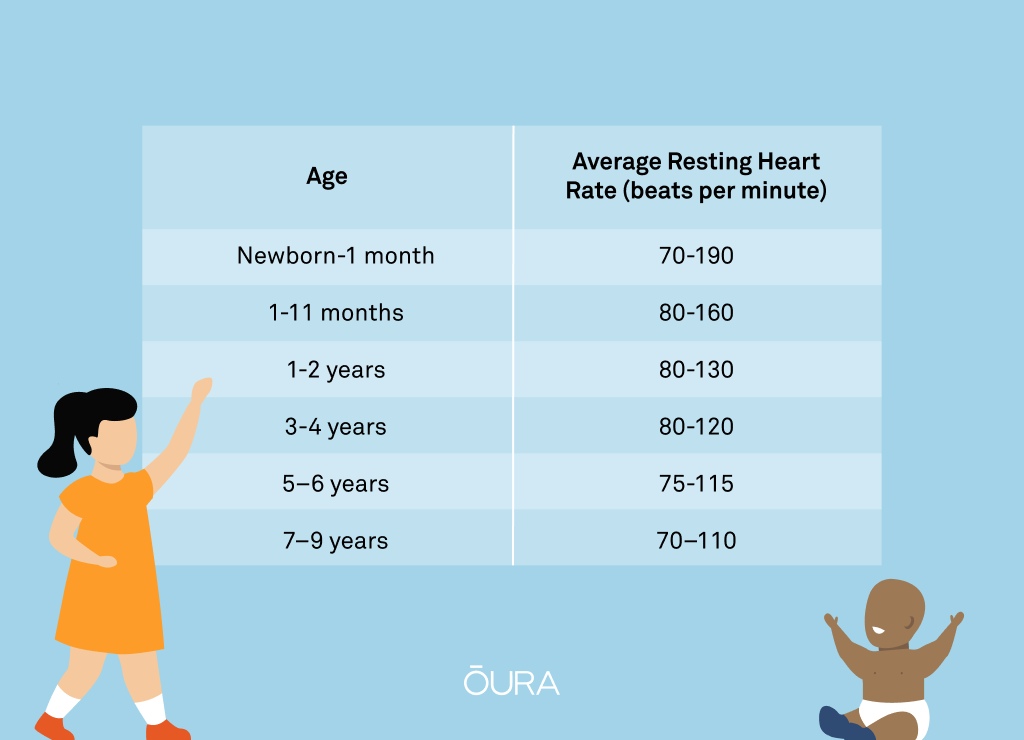
A raw heart rate of 50 beats per minute (BPM) might be normal for an athlete but concerning for a sedentary individual. This is where the “Tech” in health-tech proves its value. Modern platforms do not just report numbers; they build personalized baselines using sophisticated machine learning models.
Algorithmic Baselines and Machine Learning
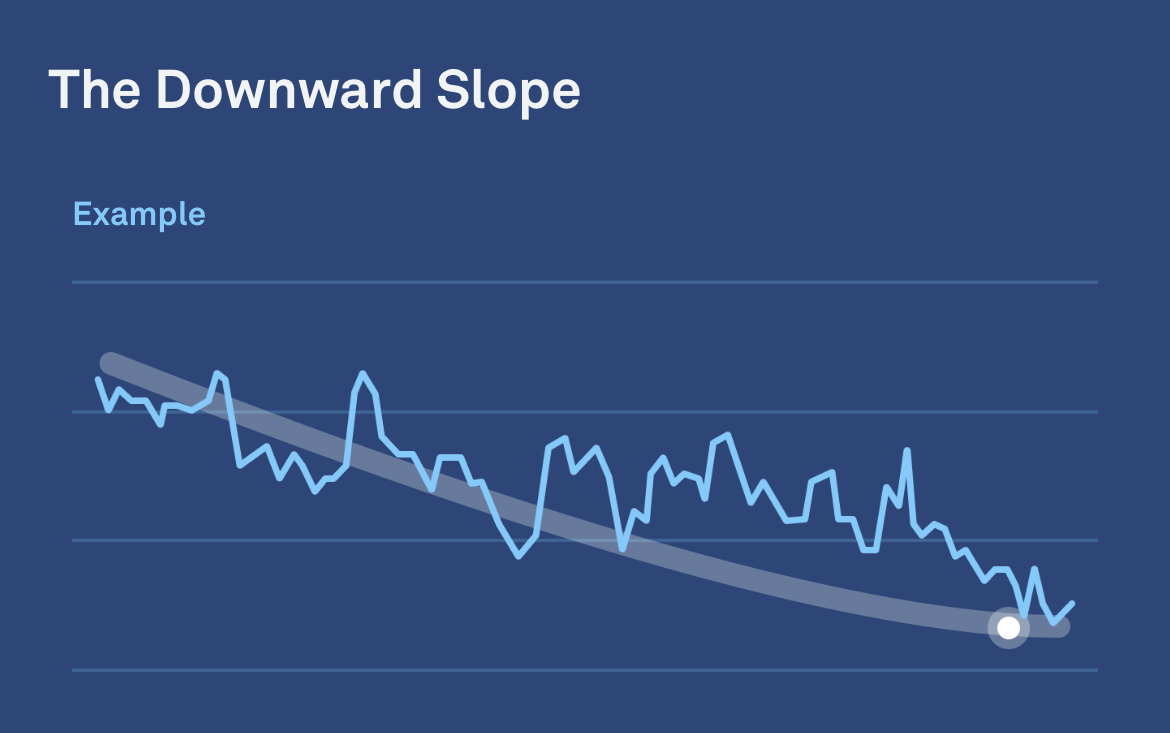
The software behind your wearable doesn’t compare you to a generic medical textbook. Instead, it uses the first 14 to 30 days of data to establish a “digital twin” of your cardiovascular health. Factors such as age, weight, and activity levels are fed into a neural network that determines your unique “normal.”
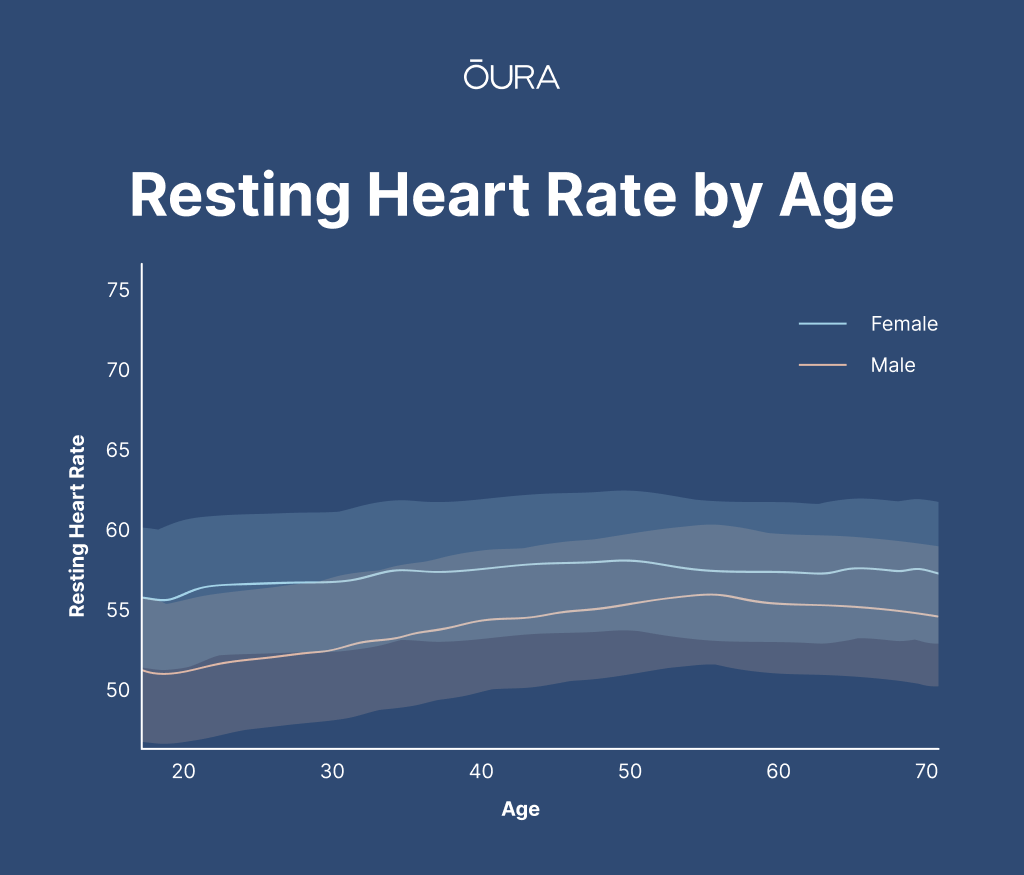
For most adults, a sleeping heart rate between 40 and 60 BPM is considered optimal by most tech platforms. However, if the algorithm detects a deviation—say, your rate stays at 75 BPM overnight—the software cross-references this with other data points like skin temperature and respiratory rate. This holistic data processing allows the app to suggest that you might be fighting an infection or suffering from overtraining syndrome long before you feel physical symptoms.
Heart Rate Variability (HRV): The Ultimate Tech Metric
While the average sleeping heart rate is a useful metric, the tech industry has pivoted toward Heart Rate Variability (HRV) as the gold standard of recovery tech. HRV measures the variation in time between each heartbeat. A “normal” sleeping heart rate with high variability indicates a nervous system that is responsive and well-recovered.
Apps like Whoop and Oura have built entire business models around the “Recovery Score,” a metric derived from the micro-fluctuations in your sleeping heart rate. This represents a shift from reactive monitoring to proactive biohacking, where the technology tells the user whether they should push their limits or prioritize rest based on their nocturnal data.
Optimizing the Digital Health Stack: Ecosystems and Integration
Measuring a sleeping heart rate in isolation provides limited value. The true power of modern health technology lies in the integration of various data streams into a unified ecosystem.
Syncing with Global Health Clouds
The integration of Apple HealthKit, Google Fit, and Samsung Health has created a standardized language for biometric data. When your wearable records a sleeping heart rate, that data doesn’t live in a vacuum. It can be shared with nutrition apps, fitness trackers, and even telemedicine platforms.
For the tech-savvy user, this means that a spike in sleeping heart rate can be automatically correlated with a late-night meal recorded in a nutrition app or a high-stress workday logged in a productivity suite. This “interoperability” is the current frontier of digital health, turning fragmented data points into a comprehensive map of human performance.
Beyond the Wrist: Smart Bedding and Ambient Sensing
The next evolution of sleep tracking removes the wearable entirely. “Invisible Tech” or ambient sensing is gaining traction. Smart mattresses, such as those from Eight Sleep, use piezo-electric sensors to detect the mechanical vibrations of the heart (ballistocardiography).
These sensors can track sleeping heart rates with clinical-grade accuracy without the friction of wearing a watch or ring. Furthermore, these beds use the heart rate data in a feedback loop; if the tech detects your heart rate is elevated due to heat, it will automatically lower the mattress temperature to optimize your cardiovascular recovery. This is the pinnacle of the “Smart Home” meeting “Smart Health.”
Privacy, Security, and the Ethics of Bio-Tracking
As we collect millions of data points regarding our sleeping heart rates, we face a new set of technological challenges: How do we secure the most intimate data we produce?
Encrypting Your Heartbeat
Biometric data is a prime target for hackers and a point of contention for insurance companies. Leading tech firms are now implementing end-to-end encryption for health data. When your sleeping heart rate is uploaded to the cloud, it is often anonymized and encrypted at the hardware level. Companies are increasingly using “On-Device Processing,” where the AI analysis happens on the watch’s chip rather than on a remote server, minimizing the risk of data interception.
The Ethical Use of Health Data
The tech industry is currently navigating the ethical boundaries of predictive analytics. If an algorithm determines that your sleeping heart rate patterns indicate a high risk of a future cardiac event, does the tech company have a responsibility to notify you? Or does that cross the line into unlicensed medical practice?
Moreover, there is the “Nocebo” effect of health-tech. If an app tells a user their sleeping heart rate is “abnormal” based on a faulty sensor reading, it can cause genuine psychological stress. Tech developers are currently working on “confidence scores” for data—a system where the app only alerts the user if the data quality is high enough to be actionable, reducing the noise in the digital health feedback loop.
Conclusion: The Future of Cardiac Monitoring
The question “what is a normal sleeping heart rate” is being answered by a symphony of sensors, algorithms, and cloud computing. We are moving away from static ranges and toward a dynamic, individualized understanding of health. As wearables become more invisible and AI becomes more predictive, our sleeping heart rate will serve as a vital “system log” for the human body.
For the technologist and the health-conscious consumer alike, the goal is clear: to leverage these tools not just to observe our sleep, but to master it. In the high-stakes world of digital health, your sleeping heart rate is the most consistent data stream you possess—and the technology to decode it is only getting smarter. Whether through a ring, a watch, or a smart mattress, the pulse of the future is being recorded while we dream.
aViewFromTheCave is a participant in the Amazon Services LLC Associates Program, an affiliate advertising program designed to provide a means for sites to earn advertising fees by advertising and linking to Amazon.com. Amazon, the Amazon logo, AmazonSupply, and the AmazonSupply logo are trademarks of Amazon.com, Inc. or its affiliates. As an Amazon Associate we earn affiliate commissions from qualifying purchases.