
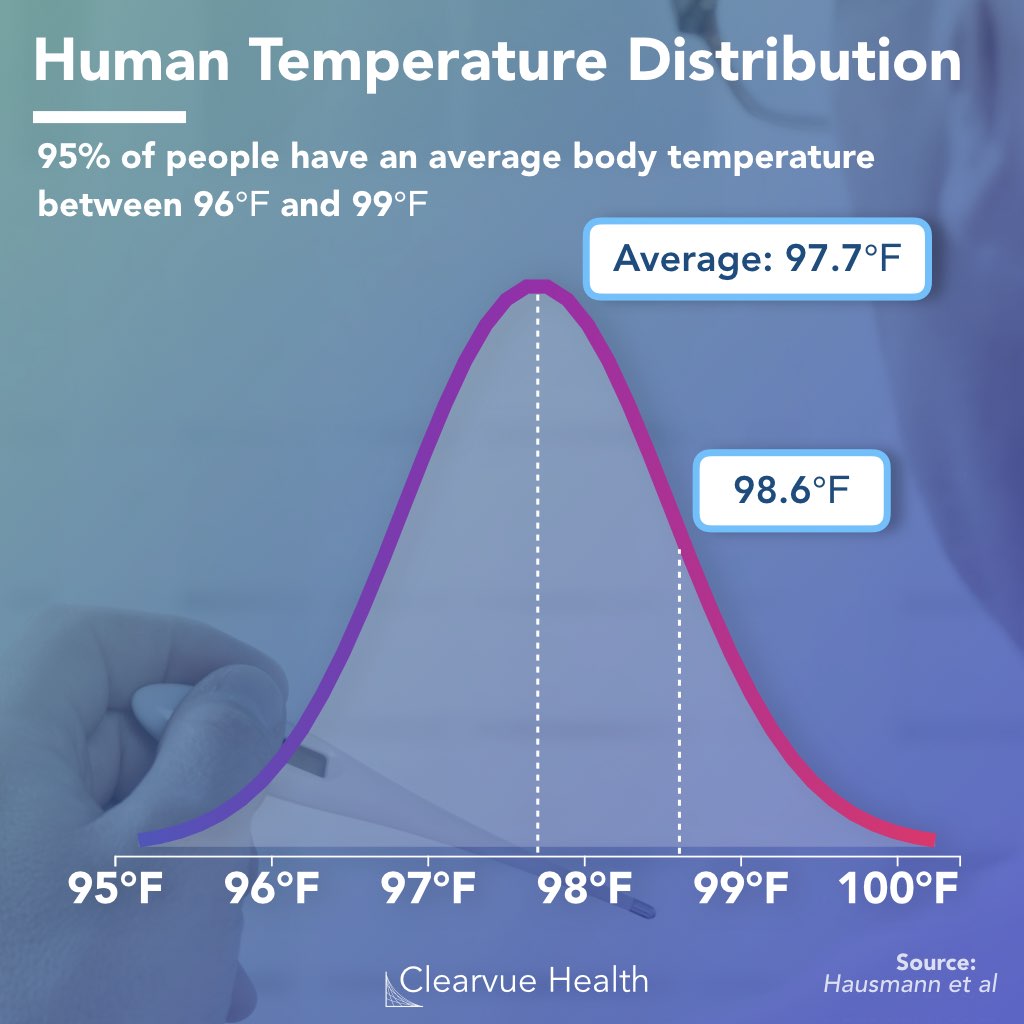
The human body, a marvel of biological engineering, operates within a delicate balance, and body temperature is a critical indicator of this equilibrium. While we often hear the benchmark of 98.6°F (37°C), the reality is far more nuanced. Understanding what constitutes a “normal” body temperature isn’t just about memorizing a number; it’s about appreciating the biological mechanisms at play and how modern technology and lifestyle choices might influence our perceptions and management of it.
In an era defined by rapid technological advancements, an increasing focus on personal branding, and the ever-present pursuit of financial well-being, how does our understanding of fundamental human physiology, like body temperature, intersect with these dominant themes? This article delves into the dynamic nature of normal body temperature, exploring the factors that can cause it to fluctuate, and how our tech-driven lives might be subtly altering this ancient biological constant.
The Ever-Shifting Thermostat: Defining Your “Normal”
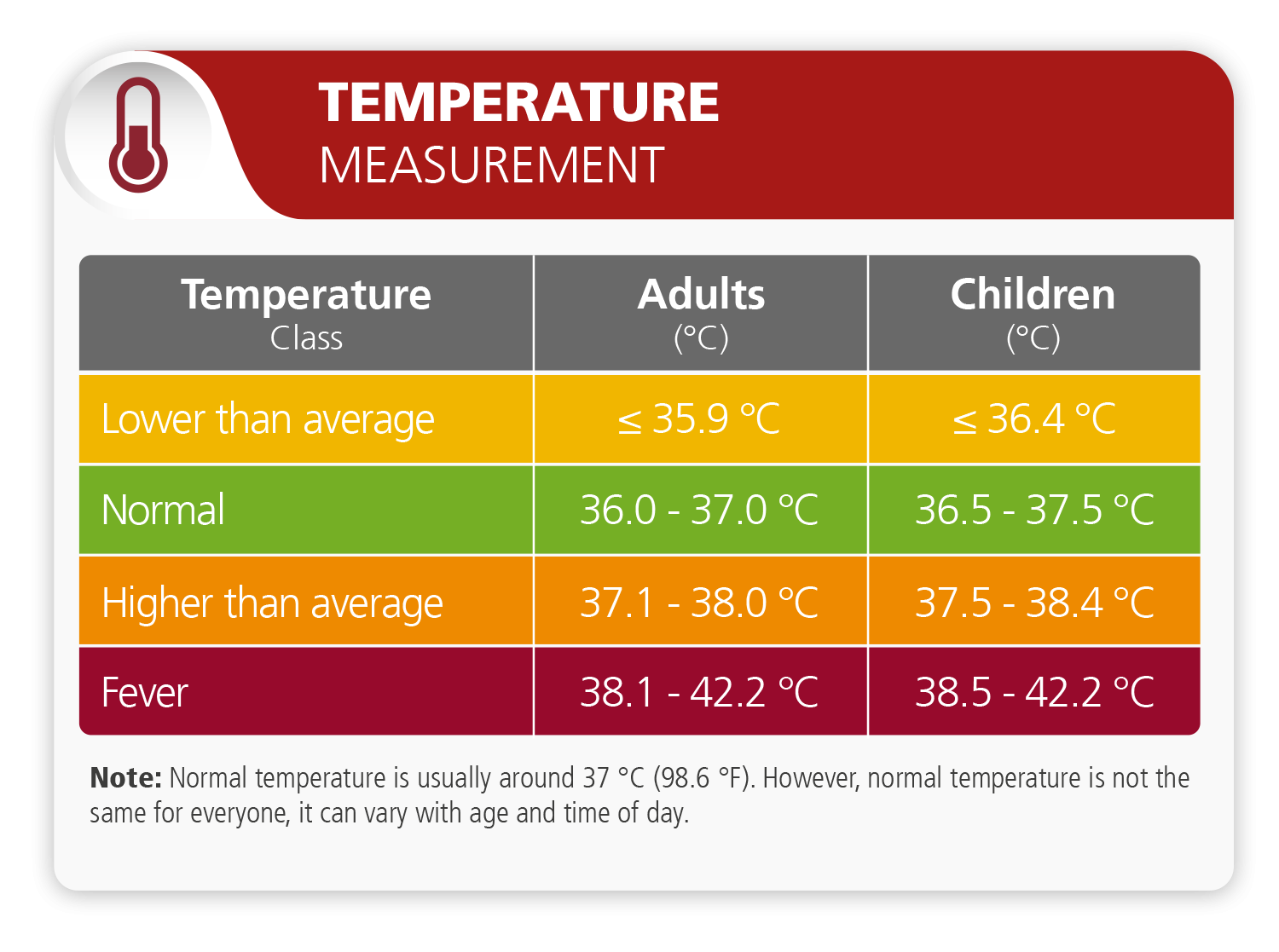
The concept of a single, universally “normal” body temperature is a simplification. In reality, body temperature is a range, and what’s healthy for one person might be slightly different for another. This variability is influenced by a complex interplay of internal and external factors.
Factors Influencing Your Basal Body Temperature
Before we even consider external influences, our inherent biology plays a significant role. Several key factors contribute to our individual baseline body temperature:
- Age: Infants and young children generally have slightly higher body temperatures than adults, reflecting their faster metabolic rates and less developed thermoregulation systems. As we age, our metabolic rate tends to slow down, which can lead to a slightly lower average body temperature. Elderly individuals might experience a decrease of around 0.1°C (0.2°F) per decade after age 60.
- Sex: There can be subtle differences in body temperature between men and women, particularly related to hormonal cycles. Women’s body temperature can fluctuate throughout their menstrual cycle, often rising slightly after ovulation due to an increase in progesterone. This is why basal body temperature tracking is sometimes used to monitor ovulation for fertility purposes.
- Activity Level: Physical exertion increases metabolic activity, generating heat and thus raising body temperature. Even moderate activity, like walking, can elevate your temperature by a degree or two. Conversely, periods of inactivity or sleep can lead to a slight dip in body temperature.
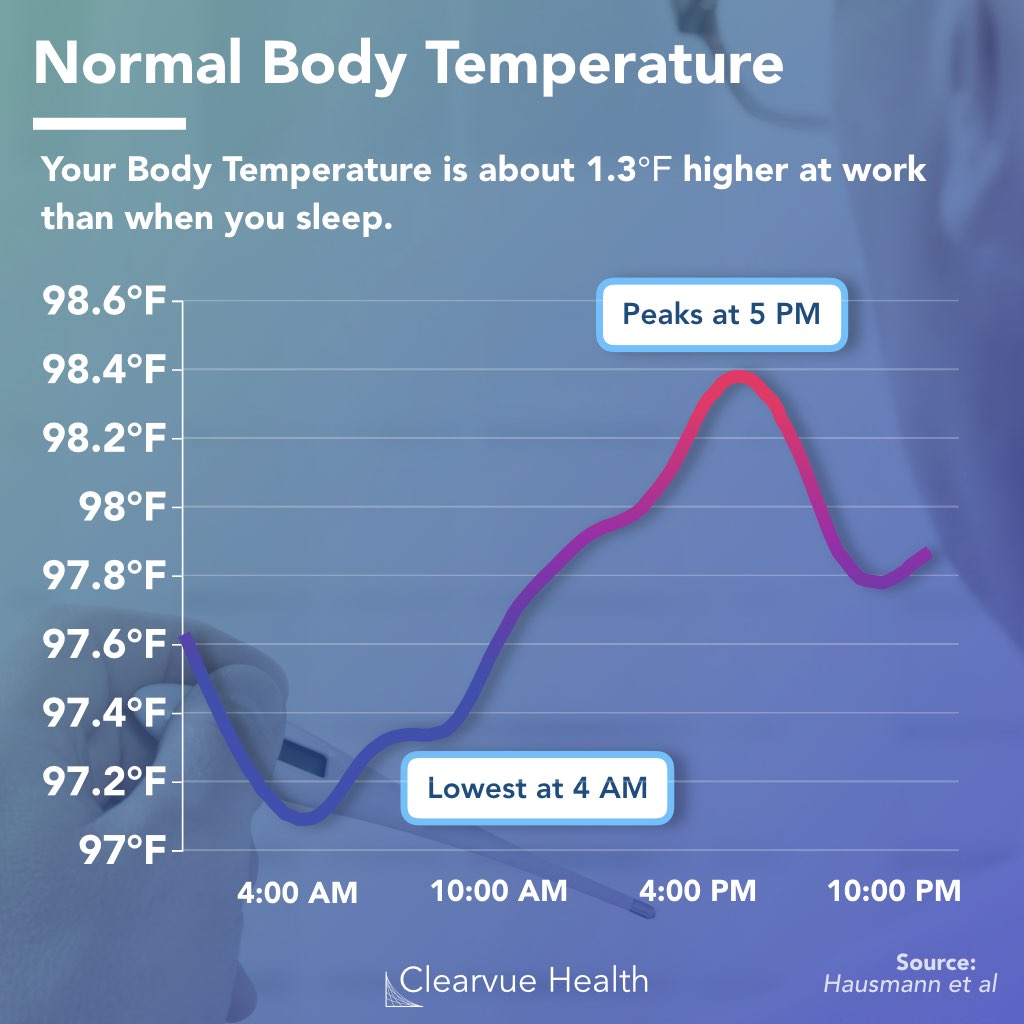
- Time of Day: Our body temperature follows a circadian rhythm, meaning it naturally fluctuates throughout a 24-hour period. Generally, body temperature is lowest in the early morning hours (around 4-6 AM) and peaks in the late afternoon or early evening (around 4-6 PM). This diurnal variation is a crucial aspect of our internal biological clock.
- Metabolism: Individuals with higher metabolic rates tend to have slightly higher body temperatures. Metabolism is influenced by genetics, muscle mass, and thyroid hormone levels.
The Environmental Gauntlet: External Influences on Temperature
Beyond our internal biological clock, our external environment and our immediate surroundings can significantly impact our body temperature.
- Ambient Temperature: This is perhaps the most obvious external factor. When we are in a very cold environment, our body works harder to conserve heat, potentially leading to a slightly lower core temperature if the exposure is prolonged and severe. In hot environments, our body attempts to dissipate heat through sweating and vasodilation (widening of blood vessels), which can help maintain a stable core temperature, but prolonged exposure to extreme heat can overwhelm these mechanisms.
- Food and Drink: Consuming hot food or beverages can temporarily increase oral temperature, leading to a slightly higher reading if measured in the mouth. Similarly, cold foods or drinks can temporarily lower oral temperature. The act of digesting food also generates metabolic heat.
- Clothing: The amount and type of clothing we wear play a crucial role in thermoregulation. Wearing layers in cold weather helps trap body heat, while lightweight, breathable fabrics in hot weather facilitate heat dissipation.
- Stress and Emotions: Strong emotions, particularly stress and anxiety, can trigger the body’s “fight or flight” response, leading to increased heart rate and metabolic activity, which in turn can raise body temperature.
Measuring Up: The Science and Technology of Temperature Taking
The accuracy and interpretation of body temperature readings are crucial, especially when deviations from the norm might signal a health concern. Technology has significantly evolved in how we measure and track this vital sign.
Traditional vs. Modern Measurement Methods
Historically, thermometers have been the go-to tool for measuring body temperature. These have evolved from mercury-based glass thermometers to safer and more sophisticated digital devices.
- Oral Thermometers: These are placed under the tongue and are a common and generally accurate method for adults and older children. They are sensitive to recent food or drink consumption, so a waiting period is often recommended.
- Rectal Thermometers: Considered the most accurate method, especially for infants and young children, as it provides a reading closest to the core body temperature. However, it is invasive and less convenient for routine use.
- Axillary (Armpit) Thermometers: These are less accurate than oral or rectal readings because the armpit is an external site, and readings can be influenced by ambient temperature and the accuracy of placement. They are often used for convenience, especially with very young children.
- Tympanic (Ear) Thermometers: These infrared thermometers measure the heat radiated from the eardrum and surrounding ear canal. They are quick and relatively easy to use but can be affected by earwax buildup or improper technique.
- Temporal Artery (Forehead) Thermometers: These non-contact infrared thermometers scan the temporal artery on the forehead. They are convenient and hygienic, making them popular for quick checks. Accuracy can be influenced by sweat or hair covering the forehead.
The Rise of Smart Health Tech: Wearables and AI
The advent of smart health technology has revolutionized how we monitor our health, including body temperature. Wearable devices like smartwatches and fitness trackers are increasingly incorporating temperature sensors.
- Continuous Monitoring: These devices can offer continuous or near-continuous body temperature tracking, providing a more comprehensive picture of temperature fluctuations throughout the day and night. This can be particularly useful for identifying subtle trends or patterns that might not be captured by sporadic manual readings.
- Data Analysis and AI: The data collected by these wearables can be integrated with mobile apps and analyzed using artificial intelligence (AI) algorithms. These AI tools can identify deviations from your personal baseline, flag potential anomalies, and even offer insights into what might be causing these changes. For instance, an AI could correlate a rise in body temperature with a lack of sleep or an increased activity level, helping you understand your body’s responses better.
- Early Detection: By providing continuous data and sophisticated analysis, smart health tech has the potential to aid in the early detection of illness. A sustained, unexplained rise in body temperature, even if within a traditionally “normal” range, could be an early warning sign that your body is fighting off an infection or undergoing some other physiological change.
- Personalized Insights and Brand Building: For individuals focused on personal branding and optimizing their performance, understanding their unique temperature fluctuations can be a valuable data point. By leveraging technology to track and analyze this data, they can gain deeper insights into their body’s responses to diet, exercise, stress, and sleep. This self-awareness can inform lifestyle choices, leading to improved well-being and potentially enhanced productivity – a key aspect of personal branding.
When “Normal” Becomes a Concern: Understanding Fever and Hypothermia
While fluctuations are normal, significant deviations from your baseline temperature warrant attention. These extremes can indicate underlying health issues.
The Significance of Fever
A fever is generally defined as a body temperature that is higher than the normal range, typically above 100.4°F (38°C). It’s important to remember that a fever is not an illness itself, but rather a symptom that the body is fighting an infection or illness.
- The Body’s Defense Mechanism: Fever is a natural immune response. When the body detects a pathogen (like a virus or bacteria), it raises its internal temperature. This elevated temperature can make it harder for these pathogens to survive and reproduce, while also enhancing the activity of certain immune cells.
- Causes of Fever: The most common cause of fever is infection, including viral infections like the common cold or flu, and bacterial infections such as strep throat or urinary tract infections. Other causes can include inflammatory conditions, certain medications, heatstroke, and even some types of cancer.
- Interpreting Fever: The height of the fever and its duration are important considerations. While a mild fever might resolve on its own, a high fever or a fever that persists for several days, especially in infants or individuals with underlying health conditions, should be evaluated by a healthcare professional.
The Dangers of Hypothermia
On the opposite end of the spectrum is hypothermia, a condition where the body loses heat faster than it can produce it, leading to a dangerously low body temperature.
- Causes of Hypothermia: The primary cause is prolonged exposure to cold temperatures without adequate protection. This can occur in extreme weather conditions, but also in less obvious scenarios like falling into cold water or being stranded in a cold environment. Certain medical conditions and substances can also impair the body’s ability to regulate temperature, increasing the risk of hypothermia.
- Symptoms and Risks: Symptoms of hypothermia include shivering, confusion, slurred speech, drowsiness, and loss of coordination. As body temperature drops, vital bodily functions slow down, and in severe cases, hypothermia can be life-threatening.
Technology, Finance, and the Quest for Well-being
Our modern lives, heavily influenced by technology and financial considerations, can subtly impact our approach to health, including our understanding of body temperature.
The Tech-Enabled Health Journey
As discussed earlier, technology offers unprecedented tools for monitoring and understanding our bodies. From smart thermometers to wearables and AI-powered health apps, we have more data at our fingertips than ever before. This data can empower us to make informed decisions about our health and well-being. For those focused on personal branding, this data can be leveraged to optimize performance and present a picture of a disciplined, health-conscious individual.
Financial Health and Body Temperature
While seemingly unrelated, there can be indirect links between financial health and body temperature. Chronic stress related to financial insecurity can manifest physically, potentially affecting body temperature regulation. Conversely, having the financial resources to access quality healthcare, nutritious food, and comfortable living environments can positively impact overall health and, by extension, thermoregulation. Investing in health-tracking technology, while an initial outlay, can be seen as a financial investment in preventive care.
The Brand of Health
In the realm of branding, both personal and corporate, a focus on health and well-being is increasingly prevalent. Companies are marketing health-conscious products, and individuals are curating their personal brands to reflect a healthy lifestyle. This can involve sharing fitness achievements, dietary choices, and even, in some cases, insights gleaned from personal health data. Understanding nuances like what constitutes a “normal” body temperature, and how to monitor it effectively, contributes to this broader narrative of health and self-optimization.
Conclusion: Embracing the Nuance of Your Body’s Thermostat
The question “what is a normal body temp” is not as simple as a single number. It’s a dynamic range influenced by a multitude of internal and external factors. As technology continues to advance, providing us with more sophisticated tools for monitoring our physiology, our understanding of these subtle variations will only deepen.
By embracing the complexity of our body’s natural thermostat, leveraging the power of technology for informed monitoring, and recognizing the interconnectedness of our physical, financial, and personal well-being, we can cultivate a more holistic approach to health. Ultimately, understanding and respecting the nuanced fluctuations of our body temperature is a vital step in appreciating the incredible biological system that sustains us.
aViewFromTheCave is a participant in the Amazon Services LLC Associates Program, an affiliate advertising program designed to provide a means for sites to earn advertising fees by advertising and linking to Amazon.com. Amazon, the Amazon logo, AmazonSupply, and the AmazonSupply logo are trademarks of Amazon.com, Inc. or its affiliates. As an Amazon Associate we earn affiliate commissions from qualifying purchases.