
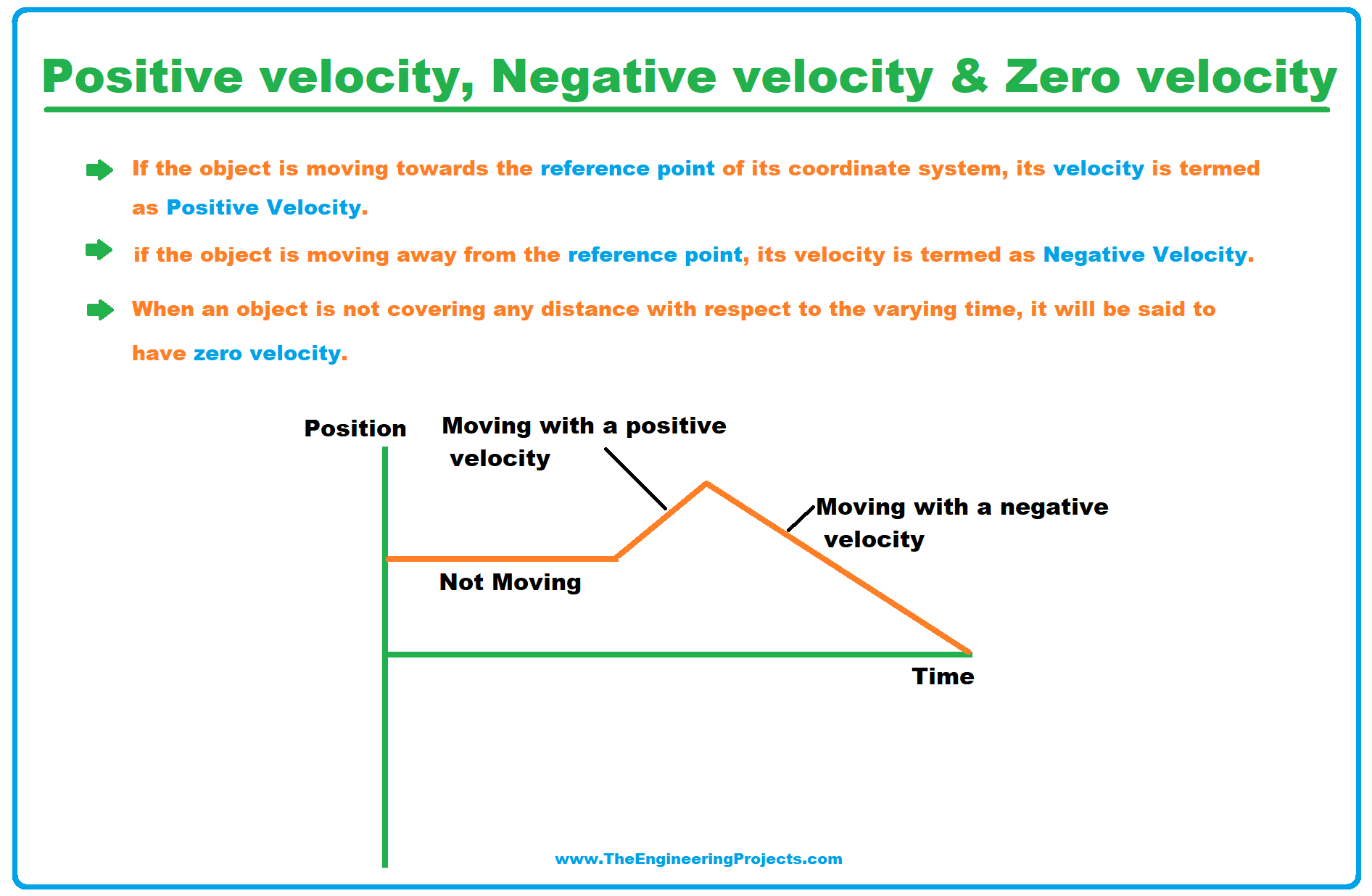
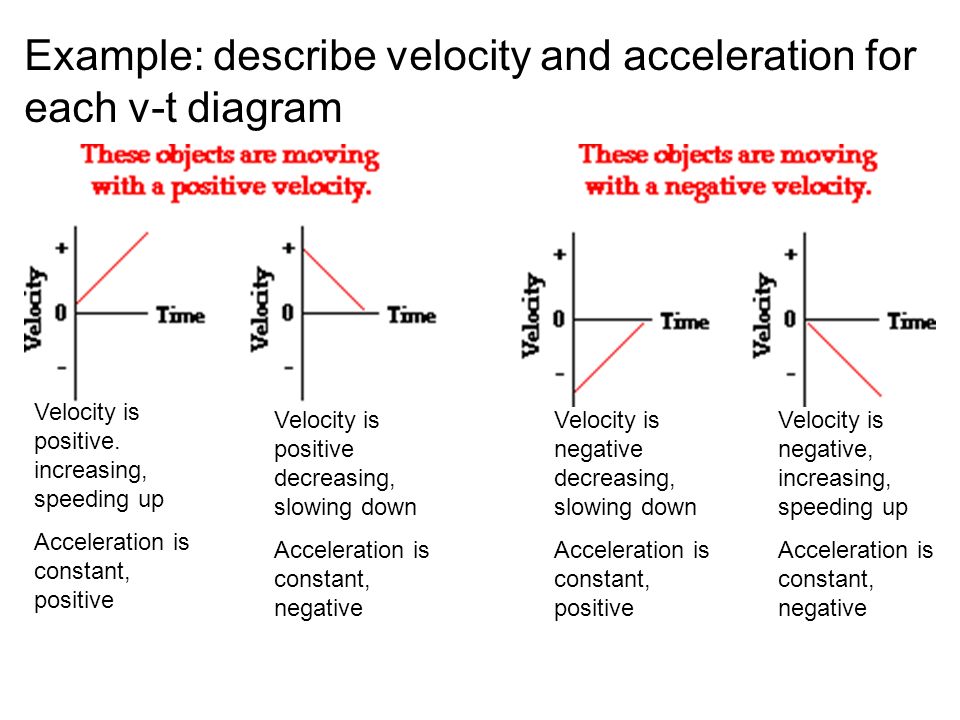
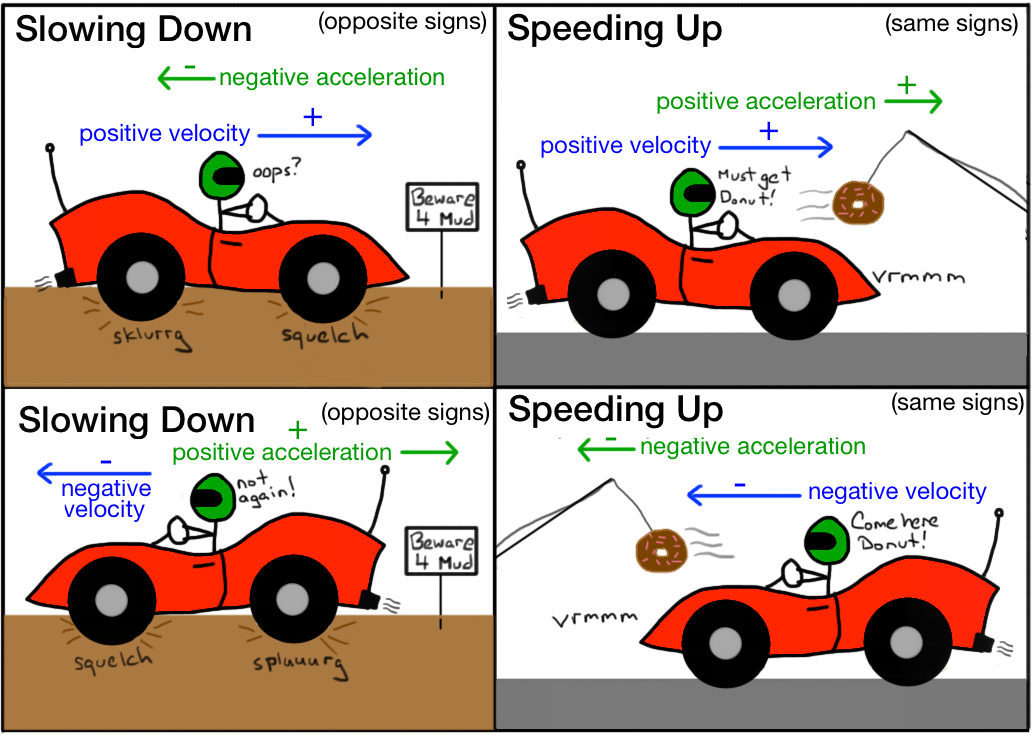
In the realm of physics, velocity is a fundamental concept that describes both the speed of an object and its direction. When we talk about “negative velocity,” we’re not implying something moving slower than stationary, nor are we referring to a speed less than zero. Instead, negative velocity signifies movement in the opposite direction of what has been defined as the positive direction within a given frame of reference. For instance, if moving forward is positive, then moving backward is negative. If upward is positive, then downward is negative. It’s a simple yet profound concept that extends far beyond the mechanics of motion, offering a powerful metaphor for decline, reversal, or adverse trends across an astonishing array of disciplines.
While its origins are rooted in scientific principles, the idea of negative velocity has permeated our understanding of dynamic systems in technology, brand management, and finance. Recognizing and interpreting these downward or opposing trends is crucial for innovation, strategic decision-making, and proactive problem-solving in today’s fast-paced world. This article delves into the core meaning of negative velocity and explores its multifaceted implications, providing insights into how its principles can be applied to understand and navigate challenges in the interconnected spheres of Tech, Brand, and Money.
The Physics of Negative Velocity: A Foundational Understanding
To truly grasp the broader implications of negative velocity, it’s essential to first establish a clear understanding of its scientific definition. In physics, velocity is a vector quantity, meaning it has both magnitude (speed) and direction. This distinction from speed, which is a scalar quantity and always positive, is critical.
Defining Direction and Magnitude
The concept of negative velocity hinges entirely on the establishment of a coordinate system or a defined frame of reference. When we set a particular direction as “positive,” any movement in the exact opposite direction will be represented with a negative sign. For example, if we consider a car moving along a straight road:
- If moving East is designated as positive (+), then moving West is negative (-).
- If moving forward is positive (+), then reversing is negative (-).
- If rising upwards is positive (+), then falling downwards is negative (-).
The magnitude of the velocity tells us how fast the object is moving, while the sign (positive or negative) tells us in which direction relative to our chosen origin. An object with a velocity of -10 m/s is moving just as fast as an object with a velocity of +10 m/s; they are simply moving in opposite directions. This seemingly straightforward principle forms the bedrock for analyzing more complex trends.
Real-World Examples in Motion
Consider a few classic examples:
- A Car Reversing: When a car backs out of a driveway, if “forward” motion along the street is defined as positive, then the car’s initial backward movement has a negative velocity.
- A Ball Thrown Upwards: If “up” is positive, a ball thrown into the air will initially have a positive velocity. As it reaches its peak, its velocity momentarily becomes zero, and then as it falls back down, its velocity becomes negative, even as its speed increases. The negative sign indicates its direction towards the ground.
- A Submarine Descending: If the sea surface is the reference point and “up” is positive, then a submarine diving deeper into the ocean experiences a negative velocity.
These physical examples highlight that “negative” doesn’t equate to “bad” or “slow” in an absolute sense, but rather indicates a directional reversal or opposition. This fundamental understanding allows us to draw powerful analogies when analyzing dynamic systems where directional changes, declines, or reversals are commonplace.
Navigating Negative Trajectories in Technology
The tech world is a dynamic landscape of innovation, rapid development, and constant change. Within this environment, “negative velocity” takes on several critical meanings, representing shifts that can range from concerning setbacks to opportunities for course correction. Understanding these negative trajectories is paramount for developers, product managers, data scientists, and cybersecurity professionals alike.
Software Development and Project Management
In the realm of software development, negative velocity can be a direct indicator of trouble. Agile methodologies, for instance, often track “velocity” as a measure of the amount of work a team can complete in a given iteration (sprint).
- Declining Velocity: If a team’s velocity consistently drops over several sprints, it signifies a “negative velocity” in their productivity. This could be due to increasing technical debt, team burnout, scope creep, or external blockers. Identifying this negative trend early allows project managers to intervene, address underlying issues, and get the team back on a positive trajectory.
- Bug Accumulation and Feature Regression: Another form of negative velocity is the rate at which new bugs are introduced or existing features regress in quality. If the rate of new bug discovery exceeds the rate of bug fixes, the overall quality and stability of the software are moving in a negative direction. This can lead to decreased user satisfaction and increased maintenance costs.
- User Engagement Dips: For applications and platforms, a negative velocity in user engagement metrics (e.g., daily active users, session duration, feature adoption) indicates that the product is losing its appeal or failing to meet user needs. Early detection through analytics is crucial for pivoting strategy and re-engaging the user base.
Data Analysis and AI: Detecting Downturns
Data is the lifeblood of modern technology, and AI tools are increasingly adept at processing it to identify trends, including those moving in a negative direction.
- Predictive Analytics for System Health: AI and machine learning algorithms are trained to monitor system performance metrics (server load, response times, error rates). A negative velocity in these metrics—a steady increase in errors or a decline in processing speed—can signal impending system failures or performance bottlenecks. Predictive analytics can flag these negative trends before they become critical.
- Anomaly Detection and Fraud Prevention: In cybersecurity and financial tech, AI-powered anomaly detection systems look for “negative velocity” in typical user behavior or transaction patterns. A sudden negative shift (e.g., unusually large withdrawals, access from an unknown location, or a decline in typical activity followed by a surge) can indicate fraudulent activity or a security breach.
- Sentiment Analysis for Product Feedback: AI-driven natural language processing (NLP) tools can analyze vast amounts of customer feedback, reviews, and social media mentions. A negative velocity in sentiment scores, where positive comments decline and negative ones rise, provides an early warning system for product dissatisfaction or reputational damage, allowing companies to respond proactively.
Cybersecurity: The Velocity of Threats
In cybersecurity, negative velocity often refers to the erosion of security posture or the acceleration of threats.
- Vulnerability Exploitation: The speed at which new vulnerabilities are discovered and subsequently exploited by attackers can be seen as a negative velocity for an organization’s security. If the patching velocity (the speed at which vulnerabilities are addressed) is slower than the exploitation velocity, the organization’s risk profile moves in a dangerously negative direction.
- Breach Containment: When a security breach occurs, the “negative velocity” refers to the speed at which the breach spreads within a network or the rate at which data exfiltration occurs. Rapid detection and containment efforts are crucial to reduce this negative impact.
- Dark Web Monitoring: Cybersecurity firms actively monitor the dark web for signs of compromised credentials or data breaches. An increase in the “velocity” of leaked data associated with a company signals a negative trend that requires immediate attention.
The Branding Imperative: Reversing Negative Velocity in Reputation and Market Share
For brands, the concept of negative velocity is acutely relevant, representing a decline in reputation, market standing, customer loyalty, or overall brand health. In an age of instant communication and social media, these negative trends can accelerate rapidly, making their identification and reversal a critical imperative.
Brand Perception and Sentiment Analysis
A brand’s perception is its most valuable asset, and it can experience negative velocity when public opinion or consumer sentiment shifts unfavorably.
- Social Media Backlash: A negative viral campaign, a poorly handled customer service interaction, or a misstep in marketing can trigger a swift and widespread negative reaction on social media. The “velocity” here is the speed at which negative sentiment propagates, potentially damaging the brand’s image in hours. Advanced sentiment analysis tools continuously monitor social media, news outlets, and review sites to detect these shifts in real-time, allowing brands to respond strategically before the negative velocity becomes irreversible.
- Declining Brand Affinity: Long-term negative velocity in brand perception can manifest as a decrease in brand loyalty, willingness to recommend, or general positive association. Surveys, focus groups, and brand tracking studies are essential for identifying these subtle but dangerous declines, prompting a re-evaluation of brand strategy or messaging.
- Competitor Gains: A competitor’s positive velocity in market share or innovation can translate into a negative velocity for your brand, as customers migrate or your market position erodes. Constant competitive analysis is crucial to understand these relative shifts.
Marketing Performance and Customer Churn
Effective marketing aims to drive positive growth; conversely, negative velocity here means a decline in campaign effectiveness or customer retention.
- Decreasing ROI on Marketing Spend: If the return on investment (ROI) for marketing campaigns begins to show a negative velocity, meaning each dollar spent yields fewer leads, conversions, or sales, it signals a problem with strategy, targeting, or messaging. Brands must analyze these trends to optimize their budget and tactics.
- Falling Engagement Rates: A negative velocity in engagement metrics across digital channels (e.g., website traffic, email open rates, click-through rates, social media interactions) indicates that content is losing its resonance or that target audiences are disengaging. This can be an early warning sign of broader customer disinterest.
- Customer Churn Velocity: Perhaps one of the most direct applications of negative velocity in branding is customer churn rate. If the rate at which customers are leaving or unsubscribing begins to increase (a negative velocity of retention), it poses a significant threat to long-term profitability. Understanding the “why” behind this churn—poor product experience, competitive offerings, pricing issues—is vital for developing effective retention strategies.
Crisis Management: Halting and Reversing Negative Momentum
When a brand faces a crisis, managing negative velocity becomes paramount. This involves not only stopping the spread of negative sentiment but also actively working to reverse it.
- Rapid Response: The speed of a brand’s response to a crisis can dictate the ultimate impact. A delayed or inadequate response can accelerate negative velocity, allowing rumors and misinformation to proliferate. Proactive crisis communication plans are designed to halt this negative momentum quickly.
- Strategic Communication: Reversing negative velocity requires carefully crafted and consistent communication. This might involve issuing apologies, taking corrective actions, transparently addressing issues, and actively engaging with stakeholders to rebuild trust. The goal is to shift the narrative from a negative downward spiral to a positive trajectory of recovery and redemption.
- Long-Term Reputation Rebuilding: Even after the immediate crisis subsides, a brand may experience lingering negative velocity in its reputation. Long-term strategies, including sustained public relations efforts, community engagement, and demonstrated commitment to values, are necessary to fully reverse these deeply entrenched negative perceptions.
Financial Flows and the Velocity of Money: Understanding Economic Downturns
In the world of money and finance, “negative velocity” is an intuitive concept, often manifesting as losses, depreciation, or economic contraction. From personal finances to global markets, identifying and responding to these downward trends is fundamental to wealth preservation and strategic investment.
Personal Finance: Guarding Against Negative Growth
For individuals, negative velocity describes situations where financial health is deteriorating, often slowly but surely.
- Debt Accumulation: If an individual’s debt grows faster than their income or ability to repay (a negative velocity in net worth), it leads to financial instability. This could be due to uncontrolled spending, unexpected expenses, or interest compounding. Monitoring debt-to-income ratios and actively working to reduce debt are crucial for reversing this negative trajectory.
- Asset Depreciation: While some assets (like real estate or stocks) typically appreciate over time, others, like vehicles or certain electronics, depreciate. If an investment portfolio experiences a sustained period of negative returns (e.g., during a market downturn), it signifies a negative velocity in wealth growth. Understanding these trends helps in making informed decisions about asset allocation and risk management.
- Savings Erosion: Inflation, high spending, or insufficient income can lead to a negative velocity in savings, where the purchasing power of money or the actual balance decreases over time. Regular budgeting, increasing income streams, and smart investing are key to converting this into positive growth.
Investing and Market Dynamics: Identifying Bearish Trends
In investment markets, negative velocity is a clear indicator of declining asset values, often signaling a bearish trend.
- Stock Market Declines: When major stock indices (like the S&P 500) experience sustained drops, it indicates a negative velocity across a broad swathe of the market. Investors look for technical indicators like “death crosses” (where a short-term moving average crosses below a long-term one) to confirm negative momentum, guiding decisions to sell, hedge, or short positions.
- Sector-Specific Downturns: A particular industry or sector might experience negative velocity due to changing consumer preferences, regulatory pressures, or technological disruption. For instance, a decline in demand for fossil fuels could create negative velocity for oil and gas stocks, even as renewable energy sectors show positive momentum.
- Currency Devaluation: A negative velocity in a currency’s value against other currencies (devaluation) can significantly impact international trade and investment. This can be driven by economic instability, high inflation, or central bank policies. Traders and businesses closely monitor these movements to manage foreign exchange risk.
Business Finance and Economic Indicators
Businesses and economists constantly track various metrics that can exhibit negative velocity, signaling challenges or broader economic shifts.
- Revenue and Profit Decline: A negative velocity in a company’s revenue growth or profit margins is a serious warning sign. This could be due to decreased sales volume, intensified competition, rising costs, or inefficient operations. Identifying the root cause is critical for implementing corrective strategies.
- Cash Flow Issues: Negative operational cash flow (where expenses exceed incoming cash from core activities) represents a critical negative velocity for any business, potentially leading to liquidity problems and even bankruptcy if not addressed swiftly.
- Macroeconomic Indicators: On a broader scale, economic indicators like negative GDP growth (recession), rising unemployment rates, or declining consumer spending signal a negative velocity for the overall economy. Governments and central banks monitor these trends closely to implement fiscal and monetary policies aimed at reversing the downturn and stimulating positive economic activity. For instance, a decrease in the velocity of money (how quickly money changes hands in an economy) can be a sign of economic contraction, as people save more and spend less.
Embracing the Awareness of Negative Velocity
From the precise movements of a particle in physics to the intricate dynamics of global markets, the concept of negative velocity offers an invaluable lens through which to understand change, decline, and reversal. It’s not merely an academic term but a practical framework for identifying adverse trends, enabling proactive intervention, and ultimately steering towards more desirable outcomes.
In technology, recognizing negative velocity in software development, data patterns, or cybersecurity threats empowers teams to debug, innovate, and secure. For brands, understanding negative velocity in sentiment, market share, or customer loyalty provides the foresight to protect reputation, adapt marketing strategies, and manage crises effectively. In finance, detecting negative velocity in personal investments, market trends, or economic indicators allows individuals and institutions to mitigate risk, optimize portfolios, and navigate challenging financial landscapes.
The awareness of negative velocity is not about succumbing to pessimism; it’s about embracing realism and strategic foresight. By defining our positive directions and constantly monitoring for movements in the opposite direction, we gain the crucial ability to anticipate problems, implement corrective actions, and transform potential setbacks into opportunities for resilience and growth. In a world characterized by constant flux, the ability to interpret and respond to negative velocity is a powerful tool for success, driving us to not just react to change, but to actively shape our trajectories towards a brighter, more stable future.
aViewFromTheCave is a participant in the Amazon Services LLC Associates Program, an affiliate advertising program designed to provide a means for sites to earn advertising fees by advertising and linking to Amazon.com. Amazon, the Amazon logo, AmazonSupply, and the AmazonSupply logo are trademarks of Amazon.com, Inc. or its affiliates. As an Amazon Associate we earn affiliate commissions from qualifying purchases.