
In the realm of technology, a “narrative format” refers to the structure and presentation of information that tells a story. It’s about organizing data, concepts, or processes in a way that unfolds logically, engages the user, and ultimately conveys a message or achieves a specific objective. This goes far beyond simple lists or dry technical manuals. Instead, it leverages storytelling principles to make complex technological subjects more accessible, memorable, and impactful. Whether it’s explaining a new AI capability, guiding a user through an app’s features, or detailing a cybersecurity threat, a narrative format aims to create a cohesive and compelling experience.
The Pillars of Narrative in Technology
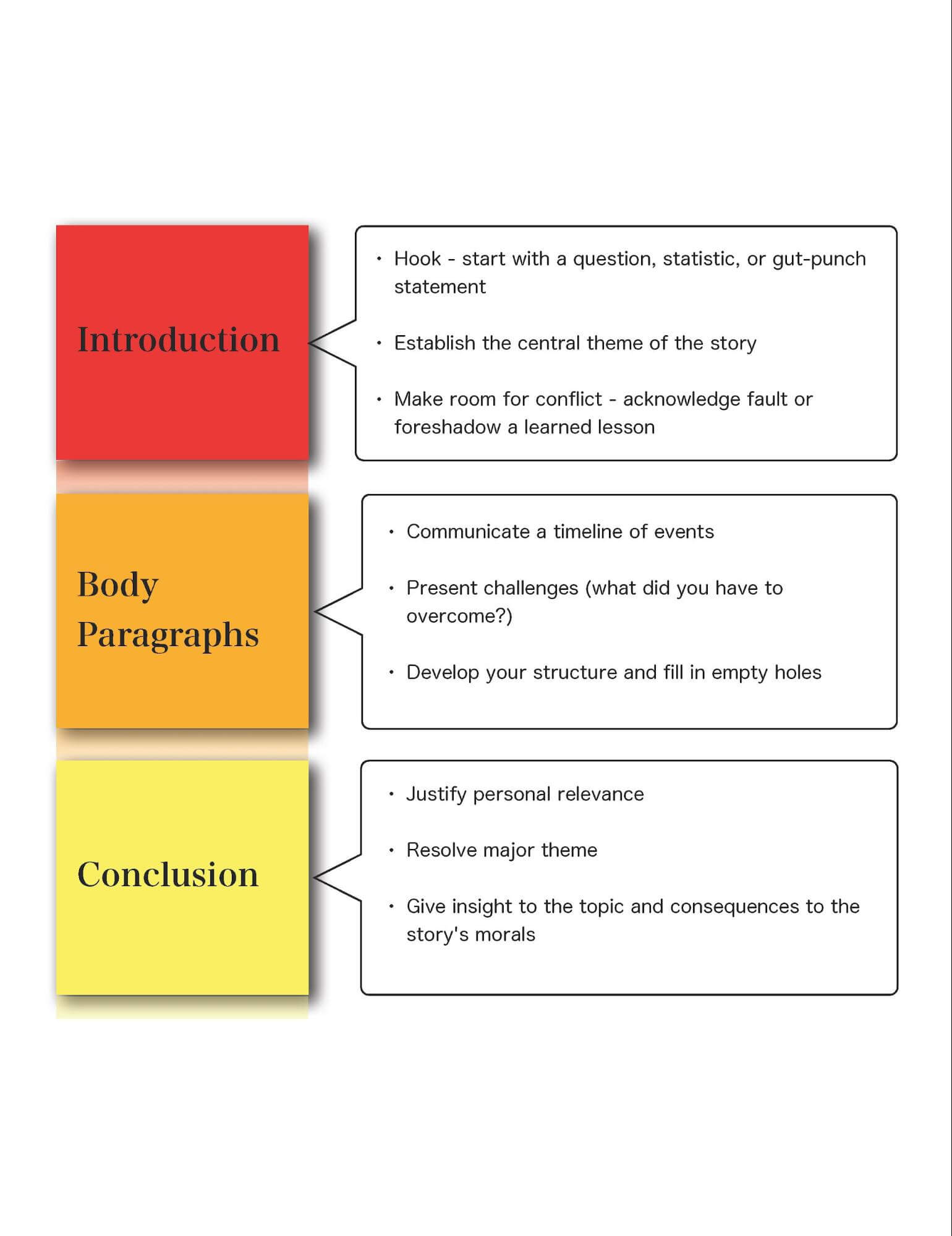
At its core, a narrative format in technology is built upon several fundamental pillars that work in concert to create a meaningful and engaging experience. These pillars ensure that the information presented isn’t just a collection of facts, but a coherent journey for the user.
Establishing Context and Purpose
Before any story can be told, the audience needs to understand why they should care and what they are being told. In a technological context, this translates to clearly defining the problem that a piece of technology solves or the opportunity it creates.
The “Why”: Addressing User Needs and Pain Points
The most effective narratives in tech begin by resonating with the user’s existing reality. This involves identifying the specific challenges, frustrations, or unmet desires that a particular technology aims to address. For instance, explaining a new productivity app? The narrative should start by acknowledging the common struggles of task management, information overload, or inefficient workflows. This immediately establishes relevance and draws the user in by promising a solution to their pain points. The “why” is the emotional anchor of the narrative, making the technical details that follow more meaningful.
The “What”: Introducing the Solution and its Core Value Proposition
Once the problem is established, the narrative pivots to introduce the technological solution. This isn’t just about listing features; it’s about articulating the core value proposition – what fundamental benefit does this technology offer? This could be increased efficiency, enhanced security, seamless integration, or democratized access to complex tools. The narrative should paint a clear picture of how the technology directly alleviates the previously identified pain points. For example, if the problem was fragmented communication, the solution might be a unified collaboration platform, and its core value is streamlined teamwork.
Structuring the Technological Journey
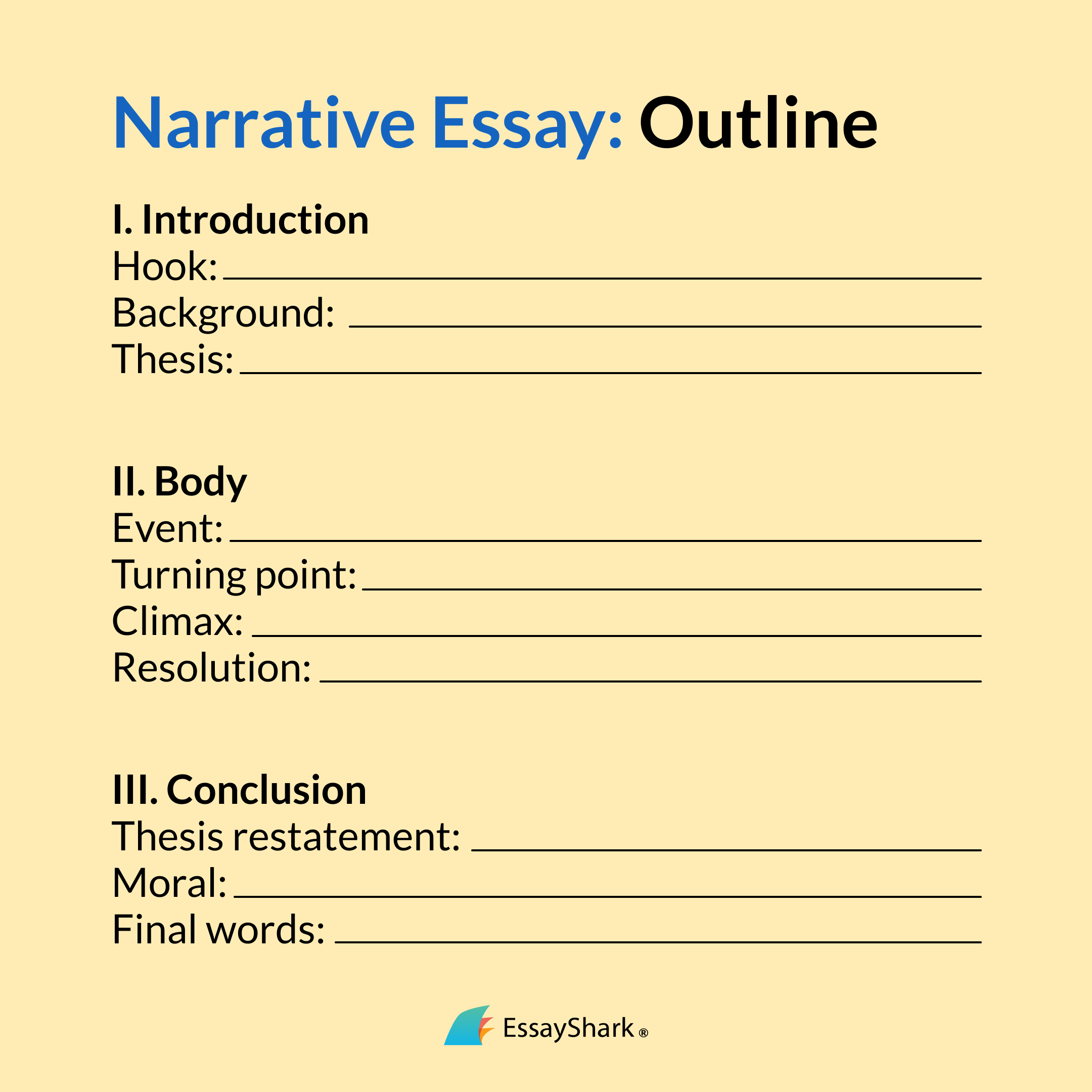
A compelling narrative isn’t static; it evolves and guides the user through a progression of understanding and interaction. This involves careful structuring of information to build knowledge and facilitate action.
The “How”: Detailing the Mechanics and Functionality
This section delves into the operational aspects of the technology. It’s where the “what” is broken down into its constituent parts and processes. In a narrative context, this means explaining how the technology works in a way that is understandable and logical. This could involve:
- Step-by-Step Processes: For software tutorials or setup guides, a clear, sequential breakdown of actions is crucial. Each step should build upon the last, creating a sense of progression.
- Cause and Effect: Explaining how user input leads to specific outputs, or how different components interact, creates a cause-and-effect chain that mimics a storyline.
- Problem-Solution Cycles: Within the broader narrative, smaller problem-solution cycles can be described, showcasing how specific features address particular sub-challenges.
- Metaphors and Analogies: Complex technical concepts can be made more digestible through relatable metaphors. For example, explaining cloud storage as a digital warehouse or an API as a waiter taking orders.
The key here is to avoid overwhelming the user with jargon and instead translate technical complexities into comprehensible actions and outcomes.
The “Impact”: Showcasing Outcomes and Future Possibilities
A truly effective narrative doesn’t end with functionality; it looks towards the results and the future. This section focuses on the tangible impact the technology has or will have.
Real-World Applications and Case Studies
Illustrating the narrative with real-world examples is paramount. This involves showcasing how the technology has been successfully implemented in diverse scenarios. Case studies are invaluable here, providing concrete evidence of the technology’s effectiveness. These stories demonstrate not just what the technology can do, but what it has done, offering compelling proof of its value. Highlighting various industries, user roles, and specific achievements adds depth and breadth to the narrative.
Future Trajectories and Innovations
A forward-looking perspective adds an aspirational element to the narrative. This involves discussing the potential for future development, upcoming features, and how the technology fits into broader technological trends. This not only keeps users engaged but also positions the technology as dynamic and evolving, fostering a sense of long-term partnership. It encourages users to envision themselves evolving alongside the technology, creating a more profound connection.
Narrative Formats in Action: Examples in Tech
The principles of narrative format are not theoretical; they are actively employed across a wide spectrum of technological applications, each with its unique storytelling approach.
User Interface and Experience (UI/UX) Design
The very design of software interfaces often follows a narrative. The flow of an app, from onboarding to completing a task, is a story designed to guide the user intuitively.
Onboarding Flows as the Inciting Incident
The initial experience a user has with a new application is akin to the “inciting incident” in a story. A well-designed onboarding flow doesn’t just present a series of screens; it introduces the core problem the app solves, hints at the protagonist (the user), and sets the stage for their journey. It might use short, engaging animations, interactive tutorials, or personalized setup wizards to establish context and the immediate value proposition. This narrative element is crucial for user retention, as a confusing or unengaging onboarding can lead to abandonment.
Feature Discovery as Plot Progression
As users delve deeper into an application, discovering and utilizing its features becomes the “plot progression.” Each feature, when presented within a logical workflow, contributes to the overall narrative arc of the user achieving their goals. For example, in a photo editing app, the progression might be from importing a photo (introduction), to adjusting brightness and contrast (rising action), to applying filters (climax), and finally saving and sharing (resolution). The UI elements and microcopy are crafted to guide this progression seamlessly, making each step feel natural and purposeful.
Technical Documentation and Training
Even seemingly dry technical documentation can benefit immensely from a narrative approach, transforming it from a chore into an educational experience.
Problem-Solution Structures in Troubleshooting Guides
Instead of a long list of error codes, a narrative troubleshooting guide would frame each issue as a mini-story. It would begin by describing the user’s experience of the problem (the “crisis”), then explain the underlying cause in simple terms (the “antagonist”), and finally provide clear, actionable steps to resolve it (the “hero’s journey” to fix). This makes the information more relatable and the solutions easier to implement under pressure.
Conceptual Explanations as Journey Maps
When explaining complex technological concepts, such as how a blockchain works or the intricacies of a machine learning algorithm, a narrative format can be transformative. This involves using analogies, historical context, and visual aids to create a “journey map” for the learner. The narrative might start with the origins of the problem the concept solves, introduce key figures or discoveries, and then guide the user through the logical evolution of the idea, culminating in its current application and future potential. This approach fosters deeper understanding and retention compared to abstract definitions.
Marketing and Product Launches
In the competitive tech landscape, narratives are essential for capturing attention and communicating the essence of a product.
Storytelling in Product Demos and Videos
Product demonstrations and promotional videos are prime examples of narrative formats in tech marketing. They often begin by establishing a relatable scenario or challenge faced by the target audience. The product is then introduced as the hero or the key to overcoming this challenge. The demo showcases the product’s features in action, demonstrating how it solves the initial problem and delivers tangible benefits. The narrative culminates in showcasing the positive impact on the user’s life or work, leaving a lasting impression.
The “Origin Story” of a Technology

Every successful technology often has an “origin story” – the narrative of its creation, the inspiration behind it, and the challenges overcome during development. This humanizes the technology and builds an emotional connection with the audience. Whether it’s the story of a startup founder’s eureka moment or the long research journey of a groundbreaking algorithm, these narratives tap into our natural inclination to connect with human endeavors and innovation. This can be presented through blog posts, interviews, or dedicated “about us” sections on a company’s website.
The Benefits of Narrative Format in Technology
Adopting a narrative format within the technology sector yields significant advantages, impacting everything from user engagement to product adoption and internal understanding.
Enhancing User Engagement and Comprehension
The primary benefit of a narrative format is its inherent ability to capture and maintain user attention. Human brains are wired for stories; they help us make sense of the world.
Making Complex Information Accessible
By framing technical details within a story, abstract concepts become grounded and relatable. Analogies, scenarios, and step-by-step progressions make even the most intricate software functions or hardware mechanisms easier to grasp. This accessibility is crucial for democratizing technology, allowing a wider audience to understand and utilize powerful tools without requiring deep technical expertise.
Fostering Emotional Connection and Memorability
Facts and figures alone are often fleeting. A narrative, however, can evoke emotions, create empathy, and build a sense of connection. When users experience a technological journey that resonates with their own needs or aspirations, they are more likely to remember the information and form a positive association with the technology itself. This emotional resonance can be the differentiator between a user who simply uses a tool and one who champions it.
Improving User Adoption and Retention
A well-crafted narrative directly influences how users perceive and interact with technology, leading to better adoption rates and sustained engagement.
Guiding Users Through Learning Curves
Onboarding processes and tutorials framed as narratives provide a clear path through the initial learning curve. Users feel guided rather than overwhelmed, reducing the frustration often associated with new software or hardware. This smoother transition encourages users to persist and discover the full capabilities of the technology.
Building Loyalty and Advocacy
When users feel understood, empowered, and connected to a technology through its narrative, they are more likely to become loyal users and even advocates. They understand not just how to use the technology, but why it matters, and they can articulate its value to others. This organic advocacy is invaluable for long-term growth and success.
Driving Effective Communication and Marketing
Beyond user-facing applications, narrative format is a powerful tool for internal communication and external marketing efforts.
Creating Compelling Brand Stories
For technology companies, the narrative of their brand – their mission, their values, their journey – is as important as the products they create. A compelling origin story, a clear vision for the future, and authentic tales of problem-solving can build a strong brand identity that resonates with customers, partners, and potential employees.
Enhancing Marketing Effectiveness
Marketing materials that employ narrative techniques are inherently more persuasive. Instead of just listing features, they tell stories of transformation, innovation, and success. This storytelling approach cuts through the noise, captures attention, and makes a lasting impression, ultimately driving interest and conversion.
The Future of Narrative in Technology
As technology continues to evolve at an unprecedented pace, the role of narrative format is poised to become even more critical, adapting to new mediums and user expectations.
The Rise of Immersive and Interactive Narratives
The advent of virtual reality (VR), augmented reality (AR), and other immersive technologies opens up new frontiers for narrative storytelling in tech. Imagine learning to operate complex machinery through a realistic VR simulation that guides you step-by-step, or troubleshooting a network issue by interacting with a holographic representation of the system. These interactive narratives promise an unparalleled level of engagement and experiential learning.
VR/AR for Training and Simulation
VR and AR can transform technical training by creating safe, simulated environments where users can practice skills without real-world consequences. The narrative would be built around a simulated scenario, guiding the user through a series of challenges and providing immediate feedback. This is particularly valuable for industries like aviation, medicine, and manufacturing, where hands-on experience is crucial but often costly and risky to replicate.
Gamification and Interactive Tutorials
The principles of gamification, which often involve narrative progression, leaderboards, and rewards, are increasingly being applied to technical tutorials and software onboarding. This approach turns the learning process into an engaging game, making complex tasks feel more like enjoyable challenges. Interactive tutorials that adapt to user input and progress can create personalized narratives of learning and mastery.
AI-Powered Narrative Generation and Personalization
Artificial intelligence is poised to play a significant role in both creating and delivering narrative experiences within technology. AI can analyze user behavior and preferences to dynamically tailor narratives, making them more relevant and impactful.
Personalized User Journeys
AI algorithms can track how a user interacts with a platform, identify areas of confusion or interest, and then dynamically adjust the narrative presented to them. This could mean offering more detailed explanations for a particular feature a user struggles with, or suggesting advanced content based on their demonstrated expertise. This level of personalization transforms a one-size-fits-all experience into a bespoke narrative tailored to each individual.
AI-Assisted Content Creation
AI tools can assist in the creation of narrative content for technical documentation, marketing materials, and even user interface copy. By analyzing vast datasets of successful narratives and technical information, AI can help generate drafts, suggest improvements, and ensure consistency in tone and style. This can significantly speed up the content creation process while maintaining a high standard of narrative quality.
Ethical Considerations in Technological Narratives
As narratives become more sophisticated and personalized, it is crucial to address the ethical implications of their use.
Transparency and Bias in AI-Generated Narratives
When AI is used to generate narratives, it’s essential to ensure transparency about its role and to actively mitigate any potential biases present in the training data. Biased narratives can perpetuate stereotypes or provide misleading information, which can have detrimental effects, especially in critical applications like education or healthcare.
Preventing Manipulation Through Narrative Design
The power of narrative can also be used for manipulation. It is crucial for technology developers and content creators to employ narrative design ethically, focusing on empowering users and providing accurate information rather than exploiting cognitive biases for undue influence. Building trust through honest and user-centric narratives is paramount.
In conclusion, the narrative format in technology is not merely a stylistic choice; it is a fundamental approach to communication that enhances understanding, engagement, and adoption. From the intuitive flow of an app’s interface to the persuasive power of a product launch video, storytelling principles are at the heart of effective technological design and delivery. As technology advances, embracing and evolving narrative formats will be key to building intuitive, impactful, and trusted digital experiences for all.
aViewFromTheCave is a participant in the Amazon Services LLC Associates Program, an affiliate advertising program designed to provide a means for sites to earn advertising fees by advertising and linking to Amazon.com. Amazon, the Amazon logo, AmazonSupply, and the AmazonSupply logo are trademarks of Amazon.com, Inc. or its affiliates. As an Amazon Associate we earn affiliate commissions from qualifying purchases.