
In the world of personal finance and asset management, we often focus on traditional investments like stocks, bonds, or real estate. However, one of the most overlooked aspects of a comprehensive financial plan involves the proper licensing and “endorsements” required for specialized assets. For those considering two-wheeled transportation, understanding what a motorcycle endorsement is—and the significant financial implications it carries—is essential.
A motorcycle endorsement is a legal authorization added to an existing driver’s license that permits an individual to operate a motorcycle on public roads. While it may appear to be a mere bureaucratic hurdle, it is actually a critical financial instrument. It acts as a gateway to lower insurance premiums, a shield against catastrophic legal liability, and a prerequisite for various high-demand side hustles in the gig economy.

The Economic Reality of the Motorcycle Endorsement
From a strictly financial perspective, the process of obtaining a motorcycle endorsement should be viewed as a cost-benefit analysis. While there are upfront costs associated with testing and licensing, the long-term savings and risk mitigation far outweigh the initial investment.
Understanding the Cost of Initial Acquisition
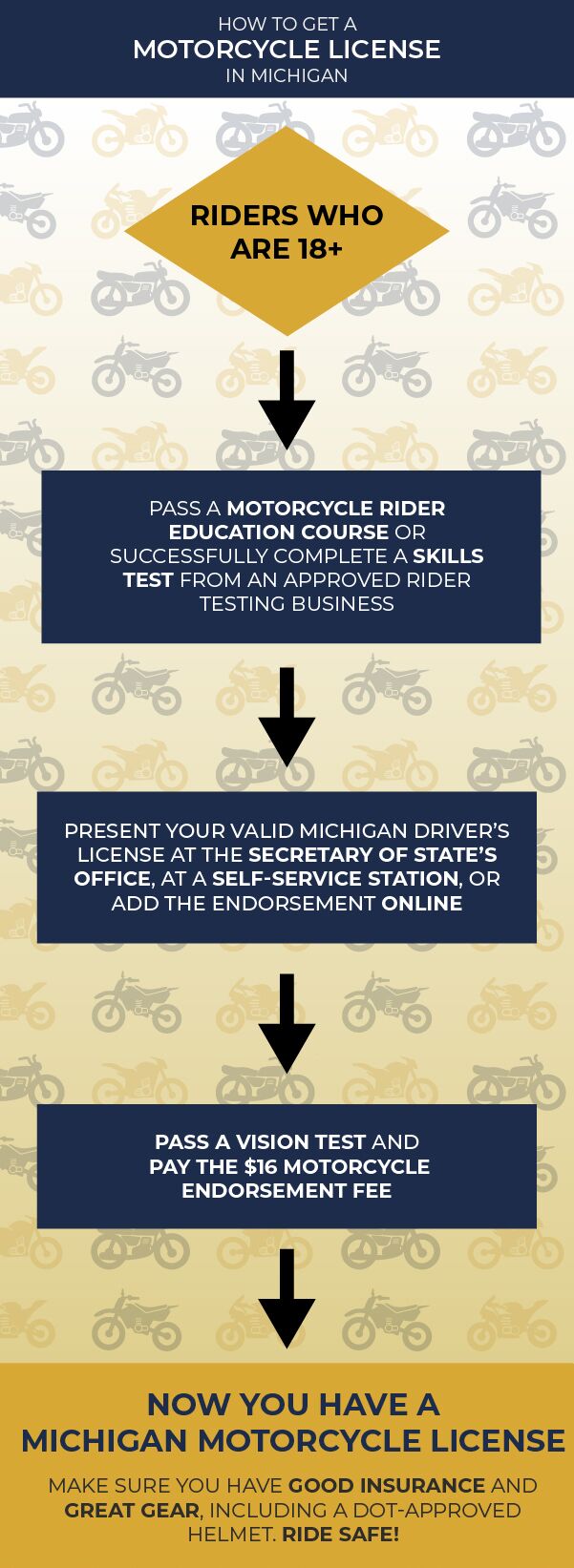
Obtaining an endorsement involves several tiers of expenditure. First, there are the administrative fees charged by the Department of Motor Vehicles (DMV) or equivalent regulatory body. These usually range from $20 to $50 depending on the jurisdiction. Second, many states require or strongly encourage the completion of a Motorcycle Safety Foundation (MSF) course. These courses typically cost between $150 and $350.
While these costs are out-of-pocket, they should be categorized as “preventative spending.” By investing in a certified safety course, you are not only satisfying the legal requirement for the endorsement but also potentially waiving the need for a state-administered skills test, which can save time—the most valuable financial asset.
Fines and Legal Penalties: The High Cost of Non-Compliance
Operating a motorcycle without the proper endorsement is a significant financial liability. In many regions, riding “out of class” (having a license but not the endorsement) is treated as a serious traffic violation. Fines can range from $100 to over $1,000 for a first offense.
Furthermore, the secondary financial consequences are even more severe. A citation for riding without an endorsement can lead to the immediate impounding of the vehicle. Impound fees, towing charges, and daily storage rates can easily exceed $500 in a single weekend. From a wealth management perspective, the “return on investment” for a $30 endorsement fee is massive when compared to the potential $1,500 loss associated with a single police interaction.
Insurance Optimization: How an Endorsement Lowers Your Premiums
In the realm of personal finance, insurance is one of the largest recurring expenses for vehicle owners. The presence of a motorcycle endorsement is one of the primary variables used by actuarial scientists to determine your risk profile and, subsequently, your monthly premium.
The Correlation Between Certification and Lower Risk Profiles
Insurance companies are in the business of pricing risk. Statistics show that riders who have gone through the formal process of obtaining an endorsement—particularly those who have completed a safety course—are significantly less likely to file a claim. Because of this, insurance providers offer substantial discounts to endorsed riders.
Without an endorsement, some insurance companies may refuse to cover you entirely. If they do offer coverage, the “unlicensed rider” premium can be double or triple the standard rate. Over a five-year period, an endorsed rider might save upwards of $2,000 in insurance costs compared to an unendorsed peer, making the endorsement a high-yield financial move.
Leveraging Safety Courses for Premium Discounts
Many financial advisors recommend looking for “stacked discounts” in insurance policies. Completing a safety course to get your endorsement often triggers a “Safety Course Discount” that can take an additional 10% to 15% off your liability and collision coverage. In the context of a high-end motorcycle where insurance might cost $100 a month, a 15% discount results in $180 of annual savings. This effectively pays for the cost of the endorsement and the safety course within the first two years of riding.

The Investment Value: Resale, Maintenance, and Asset Protection
A motorcycle is a depreciating asset, but the way it is managed determines the rate of that depreciation. The knowledge gained while pursuing a motorcycle endorsement has a direct impact on the physical and financial longevity of the vehicle.
Protecting Your Investment Through Proper Training
The “skills” portion of the endorsement process focuses heavily on low-speed maneuvers and emergency braking. From a financial standpoint, these are “accident avoidance” skills. A minor “tip-over” in a parking lot can result in $500 to $1,500 in cosmetic damage to fairings, mirrors, and handlebars. By obtaining the proper training required for an endorsement, a rider protects their capital investment from avoidable damage.
Furthermore, should a rider be involved in an accident without an endorsement, many insurance policies contain clauses that allow the provider to deny a claim. This means that even if you have been paying for “full coverage,” the lack of a legal endorsement could result in a total loss of the asset value of the bike, leaving you with a loan balance on a vehicle you can no longer ride or sell.
Marketability and Resale Value of Endorsed Riders
While the endorsement belongs to the rider and not the bike, the culture of “endorsed riding” tends to attract more meticulous owners. When it comes time to sell a motorcycle, being an endorsed rider with a documented history of safety training adds a layer of “soft value” to the transaction. It signals to a potential buyer that the vehicle was likely operated by someone who understood the mechanics and safety protocols of the machine, rather than a hobbyist who may have neglected maintenance or abused the engine.
Unlocking Income Streams: The Professional Value of an Endorsement
In the modern “gig economy,” a motorcycle endorsement is more than just a permit for recreation; it is a professional credential that can unlock unique side hustles and primary income streams.
Gig Economy Opportunities and Courier Services
The rise of delivery apps has created a niche for two-wheeled couriers. In densely populated urban environments, motorcycles and scooters are significantly more efficient than cars for delivering food, documents, and small packages. However, companies like Uber, DoorDash, and specialized courier firms require proof of a valid motorcycle endorsement to onboard contractors.
An endorsed rider can leverage their vehicle to generate $20 to $40 per hour in high-traffic areas where cars would be stuck in gridlock. Without the endorsement, these income-generating opportunities are legally and contractually inaccessible. Treating the endorsement as a “professional certification” allows a rider to transform their hobby into a profitable business venture.
Commercial Requirements for Two-Wheeled Logistics
Beyond the gig economy, many specialized logistics firms utilize motorcycles for “hot-shot” deliveries (extremely time-sensitive documents or medical supplies). These roles often pay a premium due to the skill required. For an individual looking to diversify their income streams, the small one-time cost of an endorsement provides a permanent “Plan B” for employment in the logistics sector.
Long-Term Financial Planning for the Motorcyclist
To view a motorcycle endorsement as merely a legal “must-have” is to miss its value as a tool for financial health. It is a fundamental component of risk management, cost reduction, and income potential.
When we aggregate the financial benefits—the avoidance of thousands of dollars in potential fines and impound fees, the long-term reduction in insurance premiums, the protection of the vehicle’s equity, and the ability to generate income—it becomes clear that the motorcycle endorsement is one of the most cost-effective “credentials” an individual can earn.
For any person looking to integrate a motorcycle into their lifestyle, the first step should not be choosing the bike, but rather securing the endorsement. It is the foundation upon which a safe, legal, and financially sound riding experience is built. By treating the endorsement as a strategic financial move, you ensure that your passion for the open road doesn’t become a drain on your net worth, but rather a well-managed part of your overall financial portfolio.
aViewFromTheCave is a participant in the Amazon Services LLC Associates Program, an affiliate advertising program designed to provide a means for sites to earn advertising fees by advertising and linking to Amazon.com. Amazon, the Amazon logo, AmazonSupply, and the AmazonSupply logo are trademarks of Amazon.com, Inc. or its affiliates. As an Amazon Associate we earn affiliate commissions from qualifying purchases.