
The world of investing can feel like a labyrinth, filled with jargon, complex strategies, and an overwhelming number of options. For many, navigating this landscape to make informed decisions about where to put their hard-earned money is a significant challenge. Amidst this complexity, certain tools and metrics emerge as beacons of clarity, helping investors discern quality and potential. One such influential tool is the Morningstar Rating.
If you’ve ever browsed investment prospectuses, financial news, or investment platform dashboards, you’ve likely encountered the distinctive star system associated with mutual funds and exchange-traded funds (ETFs). This is the Morningstar Rating, a widely recognized and respected measure of a fund’s past performance. But what exactly does this rating signify, how is it calculated, and what role should it play in your investment strategy? This article will delve deep into the Morningstar Rating, exploring its nuances and how it intersects with crucial areas of personal finance and investing.
Understanding the Core of the Morningstar Rating
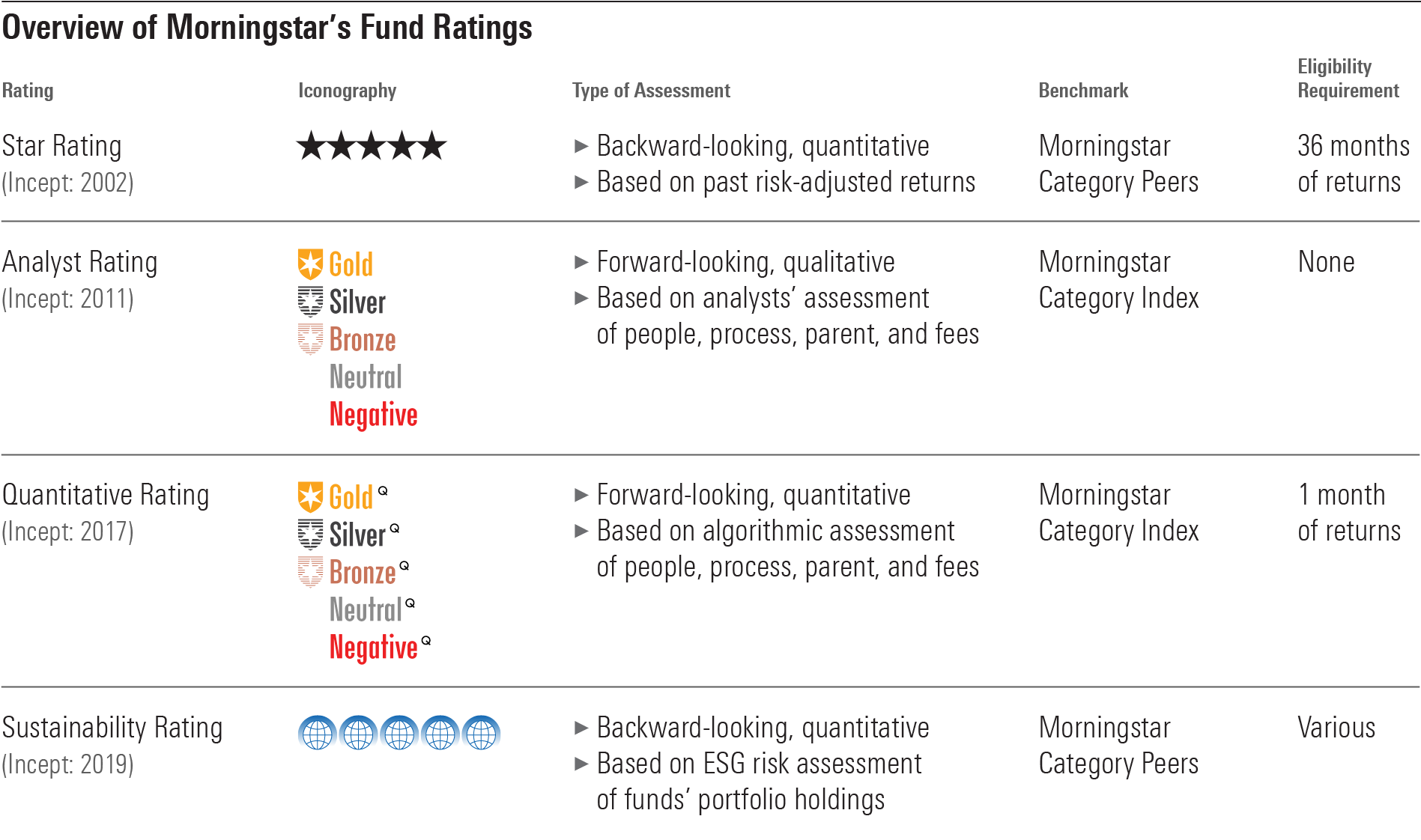
At its heart, the Morningstar Rating is a proprietary, quantitative measure designed to help investors identify funds that have performed well relative to their peers. It’s a system of stars, ranging from one to five, that assesses a fund’s risk-adjusted historical returns. While it is a backward-looking metric, it serves as a valuable tool for understanding a fund’s consistency and its ability to navigate different market conditions.
The Five-Star System Explained
The star rating system is straightforward in its presentation:
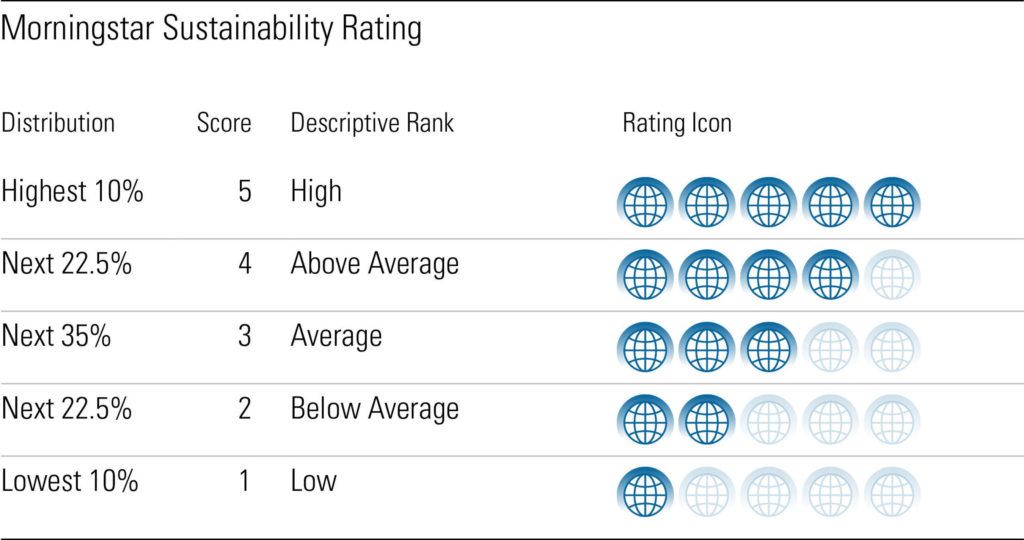
- Five Stars: This signifies that a fund has demonstrated superior performance compared to its peers.
- Four Stars: Indicates a fund with above-average performance.
- Three Stars: Represents an average performance within its category.
- Two Stars: Suggests below-average performance.
- One Star: Denotes poor performance.
It’s crucial to understand that these stars are not assigned in a vacuum. They are relative. A five-star fund in one category might still have underperformed a three-star fund in a completely different investment class. The rating is always benchmarked against other funds within the same investment category (e.g., large-cap growth, international equity, high-yield bond).
The Mechanics Behind the Stars: Risk-Adjusted Returns
The Morningstar Rating isn’t simply a measure of absolute returns. If it were, funds that took on immense risk to achieve high gains would consistently receive top marks, which isn’t necessarily desirable for all investors. Instead, Morningstar employs a sophisticated methodology that accounts for risk.
The primary metric used is risk-adjusted return. This concept is fundamental to understanding the rating. A fund’s raw return is important, but how much risk did it take to achieve that return? Risk-adjusted return aims to quantify the return generated per unit of risk taken. Morningstar’s approach considers factors like volatility (how much the fund’s value fluctuates) and downside risk (the potential for losses).
The calculation involves a complex statistical model that analyzes a fund’s performance over a trailing 36-month period. This period is then broken down into rolling three-year periods. Morningstar’s methodology assigns a “beta” to each fund, which measures its volatility relative to the overall market. They also consider other risk measures to create a comprehensive picture. The goal is to identify funds that have consistently delivered strong returns without taking on excessive risk.
The Role of Morningstar Ratings in Investment Decisions
While the Morningstar Rating is a powerful tool, it’s essential to understand its limitations and how it should be integrated into a broader investment strategy. It’s not a magic bullet, but rather one piece of the puzzle.
Beyond the Stars: What Else to Consider
The Morningstar Rating is an excellent starting point for fund research, but it should not be the sole determinant of your investment choices. Here are other critical factors to consider:
Investment Objectives and Your Personal Goals
Before diving into any fund’s rating, you must first clarify your own investment objectives and financial goals. Are you saving for retirement, a down payment on a house, or another long-term objective? What is your risk tolerance? Understanding your personal finance situation is paramount. A fund that has a five-star rating might not be suitable if its investment strategy or risk profile doesn’t align with your individual needs. For example, a highly aggressive growth fund, even with a five-star rating, might be too risky for a conservative investor nearing retirement.
Fund Category and Peer Group Performance
As mentioned, the Morningstar Rating is category-specific. A five-star rating means the fund outperformed 90% of its peers in that specific category. However, it’s vital to understand the category itself. What are the typical risks and return profiles associated with that investment universe? If you’re investing in a category that has generally struggled, even a top-rated fund within that category might not be delivering exceptional absolute returns. Conversely, in a booming market, many funds in a particular category might perform well, making it harder to achieve a truly standout rating.
Expense Ratios and Fees
This is where the “Money” aspect of our website’s focus truly comes into play. Even the best-performing fund can become a mediocre investment if its fees are too high. The expense ratio is the annual fee charged by a fund to cover its operating costs. Over time, high expense ratios can significantly erode your returns. Morningstar does factor in fees when calculating its ratings, but it’s always prudent to compare expense ratios of similar funds. Low-cost index funds, for instance, often have expense ratios that are a fraction of actively managed funds, and while they may not always boast five-star Morningstar ratings, their lower costs can lead to superior net returns for investors.
Investment Style and Strategy
Each fund has an underlying investment style and strategy. Is it growth-oriented or value-oriented? Does it focus on large-cap, mid-cap, or small-cap companies? Is it actively managed or passively managed (like an index fund)? Understanding these aspects will help you determine if the fund’s approach aligns with your own investment philosophy and market outlook. A fund that has a high Morningstar rating due to a specific market environment might not continue to perform well if market conditions shift and its strategy becomes less effective.
The Importance of Historical Data (and its Limitations)
The Morningstar Rating is built upon historical performance data. This is its primary strength: it provides a quantifiable, objective measure of how a fund has fared in the past. However, it’s also its most significant limitation.
Past Performance is Not Indicative of Future Results
This is a disclaimer you’ll see on virtually every investment-related document, and for good reason. The market is dynamic. Economic conditions change, management teams evolve, and investment strategies can become obsolete. A fund that was a star performer in the past might falter in the future, and vice-versa. The Morningstar Rating, being backward-looking, cannot predict future market movements or the future success of a fund’s strategy.
Identifying Consistency and Resilience
Despite the limitation of past performance, the Morningstar Rating can be valuable in identifying funds that have demonstrated consistency and resilience across various market cycles. A fund that has maintained a high rating over several years, through both bull and bear markets, suggests a manager who can adapt and perform under different conditions. This consistency can be a more valuable indicator than a one-time surge in performance.
Morningstar Ratings in the Context of Broader Investment Strategies
The Morningstar Rating is a tool within the larger framework of building a robust and personalized investment portfolio. It’s about more than just picking individual funds; it’s about creating a diversified and well-managed collection of assets that aligns with your financial blueprint.
Diversification and Asset Allocation
The principle of diversification – not putting all your eggs in one basket – is fundamental to managing investment risk. The Morningstar Rating can help you identify high-quality funds within different asset classes to build a diversified portfolio. For example, you might look for a five-star rated equity fund for growth, a solid bond fund for stability, and perhaps an international fund for global exposure.
Asset allocation, the process of deciding how to divide your investment capital among different asset classes, is often considered more important than individual security selection. The Morningstar Rating can inform your choices within each asset class, ensuring you’re selecting well-regarded funds that align with your target allocations.
Building a Personal Brand as an Investor
While not directly tied to the Morningstar Rating, understanding your investment philosophy and making informed decisions contributes to your “personal brand” as an investor. A consistent approach, informed by research and tools like Morningstar ratings, builds confidence and demonstrates a disciplined strategy. This disciplined approach can also extend to how you manage your finances in general, from online income streams to business finance.
Leveraging Technology and Digital Tools
The financial industry, like many others, has been transformed by technology. Investment platforms, financial news websites, and analytical tools all leverage technology to provide investors with more information and access than ever before. Morningstar itself is a prime example of a company that uses sophisticated technology and data analysis to generate its ratings. When researching funds, take advantage of online tools that allow you to filter funds by Morningstar rating, expense ratio, investment category, and other key metrics. This digital toolkit empowers you to conduct thorough research efficiently.
Conclusion: A Valuable Tool in Your Investment Arsenal
The Morningstar Rating is a powerful and widely respected metric that offers a standardized way to assess the historical risk-adjusted performance of mutual funds and ETFs. By assigning stars based on a fund’s track record relative to its peers, it provides investors with a quick and accessible way to identify potentially strong performers.
However, it’s crucial to remember that the Morningstar Rating is a backward-looking indicator. It should be used as a starting point for due diligence, not as the sole basis for investment decisions. A thorough understanding of your own financial goals, risk tolerance, the fund’s underlying strategy, expense ratios, and the importance of diversification is paramount. When used wisely, in conjunction with other analytical tools and a clear investment plan, the Morningstar Rating can be an invaluable asset in your journey towards building a successful and resilient investment portfolio. It empowers you to navigate the complexities of investing with greater confidence and clarity, contributing to your overall financial well-being.
aViewFromTheCave is a participant in the Amazon Services LLC Associates Program, an affiliate advertising program designed to provide a means for sites to earn advertising fees by advertising and linking to Amazon.com. Amazon, the Amazon logo, AmazonSupply, and the AmazonSupply logo are trademarks of Amazon.com, Inc. or its affiliates. As an Amazon Associate we earn affiliate commissions from qualifying purchases.