
In the landscape of modern residential and commercial infrastructure, the technology used to regulate internal environments has undergone a radical transformation. Gone are the days of bulky, inefficient window units or the rigid, energy-intensive constraints of traditional central HVAC systems. At the forefront of this evolution is the Mini Split AC System, more formally known as a ductless mini-split heat pump.
From a technological standpoint, the mini-split represents a paradigm shift in mechanical engineering and thermodynamic efficiency. By decoupling the cooling process from centralized ductwork, these systems leverage advanced inverter technology and sophisticated electronic controls to provide precision climate management. This guide explores the intricate engineering, hardware architecture, and smart integrations that define the mini-split ecosystem.
The Engineering Behind Ductless Innovation: Understanding Inverter Technology
To understand what a mini-split system is, one must first look at the “engine” that drives it. Unlike traditional air conditioners that operate on a binary “on or off” logic, modern mini-splits utilize advanced Inverter-Driven Compressors. This is the single most significant technological advancement in the field of residential climate control.
Inverter vs. Rotary Compressors
In a standard central AC system, the compressor runs at 100% capacity until the thermostat reaches its target temperature, then shuts off entirely. This “cycling” is inefficient and creates significant wear on the mechanical components. A mini-split’s inverter technology acts more like a dimmer switch than a standard light switch. It uses a variable-frequency drive to control the speed of the motor, allowing the system to modulate its output. If a room only requires a small amount of cooling to maintain a set point, the compressor slows down to a fraction of its total power, drastically reducing energy consumption and mechanical friction.
The Thermodynamics of Variable Refrigerant Flow
Mini-split systems are technically “Heat Pumps,” meaning they are capable of reversing the refrigeration cycle. Using a reversing valve, the system can extract heat from the outside air—even in sub-zero temperatures—and pump it indoors. This technical versatility makes the mini-split a year-round climate solution. The precision of the electronic expansion valve (EEV) ensures that the exact amount of refrigerant needed is delivered to the indoor coil, optimizing the heat exchange process based on real-time data from internal sensors.
Hardware Architecture: The Component Ecosystem
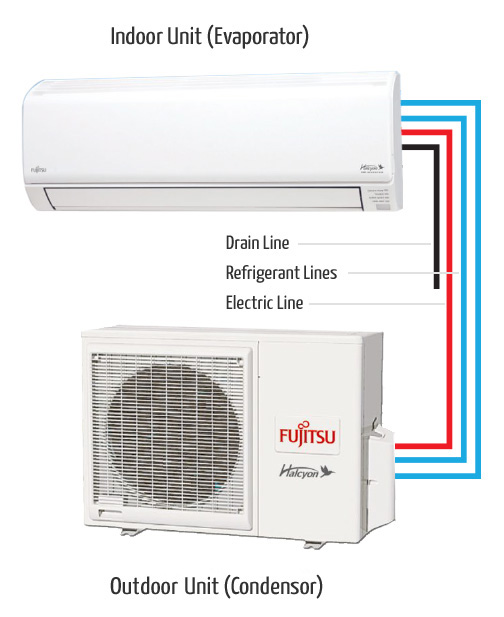
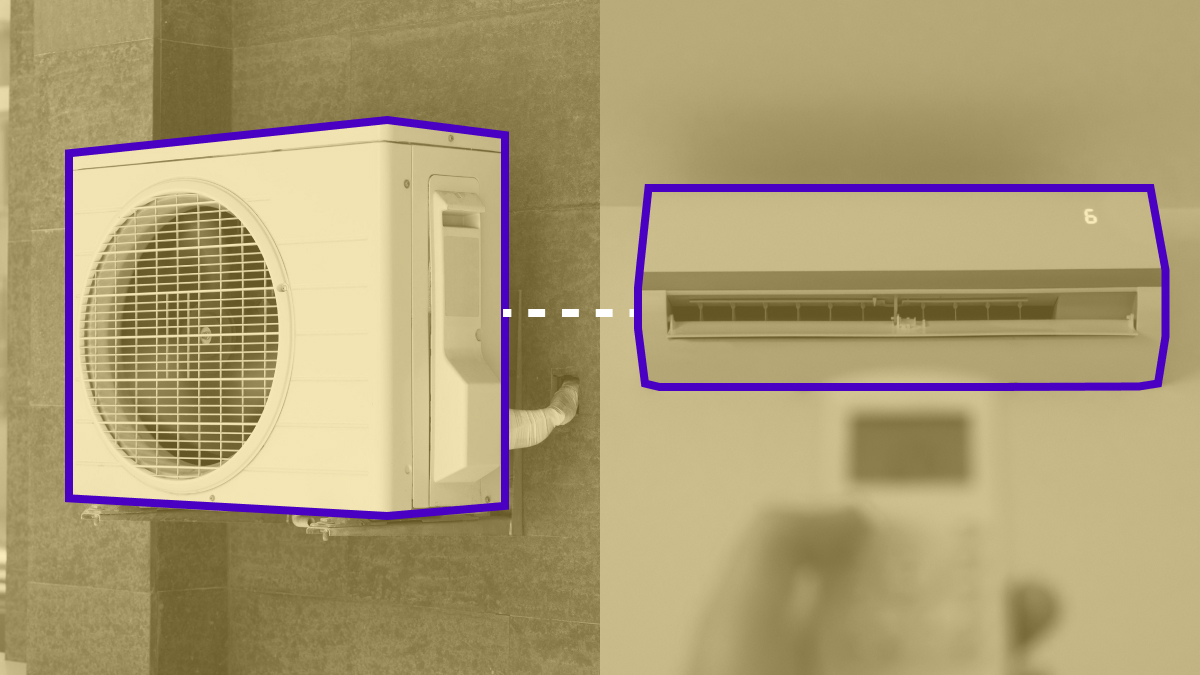
A mini-split system is defined by its decentralized architecture. By splitting the cooling components into two distinct units connected by a narrow conduit, the system eliminates the need for invasive ductwork, which is often a source of significant “duct loss”—energy wasted as cooled air travels through attic or crawlspace vents.
The Outdoor Condenser Unit
The outdoor unit is the powerhouse of the system. It houses the inverter compressor, the condenser coil, and the fan. In high-end technological models, these units are designed with “blue fin” or “gold fin” anti-corrosive coatings to protect the aluminum fins from oxidation. The outdoor unit’s logic board serves as the primary CPU, calculating load requirements based on the ambient temperature and the data received from the indoor air handlers.
Indoor Air Handling Units (AHUs)
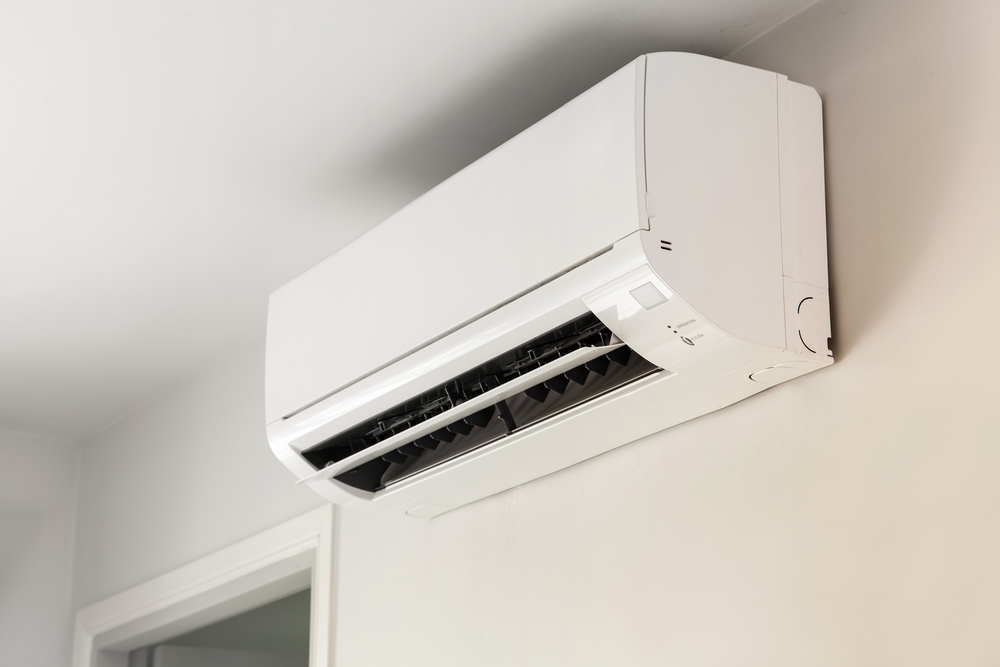
The indoor unit is the interface of the system. Usually wall-mounted, though also available in floor-mounted or ceiling-cassette configurations, the AHU contains the evaporator coil and a high-efficiency blower fan. These units are equipped with multi-stage filtration systems, including localized HEPA and carbon filters, to treat indoor air quality at the source. Because each indoor unit operates independently, a single outdoor condenser can support multiple AHUs, creating a “multi-zone” network where different rooms can be set to different temperatures simultaneously.
The Technical Conduit
Connecting the indoor and outdoor components is a small-diameter conduit (typically 3 inches). This bundle houses the suction line, the liquid line (refrigerant), the condensate drain line, and the power/communication cable. This communication cable is critical; it allows the indoor and outdoor units to “talk” to one another, ensuring that the compressor speed perfectly matches the demand from the indoor evaporators.
Smart Integration and IoT Connectivity
The modern mini-split is no longer a standalone appliance; it is an integrated node in the Internet of Things (IoT). The software layers built into contemporary systems allow for a level of control that was previously impossible in traditional HVAC setups.
Wi-Fi Modules and App-Based Control
Most mid-to-high-range mini-split systems now come equipped with integrated Wi-Fi modules. This allows users to interface with the hardware via smartphone applications. From a tech perspective, this enables features like “Sleep Curves,” where the user can program the system to adjust the temperature by 0.5-degree increments throughout the night to match the human body’s natural circadian rhythm. Furthermore, these apps provide real-time diagnostic data, notifying the user if there is a refrigerant leak or a sensor failure before a total system shutdown occurs.
AI-Driven Climate Regulation and Geofencing
Advanced manufacturers have integrated Artificial Intelligence (AI) and infrared “I-See” sensors into their indoor units. These sensors scan the room for thermal signatures to detect the presence of human beings. The system’s logic can then automatically redirect airflow toward or away from the occupants. Geofencing tech also allows the mini-split to sync with a user’s smartphone GPS; as the user moves within a certain radius of their home, the system “wakes up” and begins pre-cooling or pre-heating the space, ensuring maximum efficiency by only operating when actually needed.
Performance Metrics: Decoding SEER2 and HSPF
For tech enthusiasts and engineers, the value of a mini-split is found in the data. The efficiency of these systems is measured through standardized metrics that highlight their superiority over older cooling technologies.
SEER2 (Seasonal Energy Efficiency Ratio)
SEER2 is the updated standard for measuring cooling efficiency. It represents the ratio of cooling output divided by the total electric energy input during the same period. While a standard central AC might have a SEER2 rating of 14 or 15, high-tech mini-split systems frequently reach ratings of 25 to 33. This represents a massive leap in electrical efficiency, driven largely by the aforementioned inverter technology and the elimination of duct-related pressure drops.
HSPF (Heating Seasonal Performance Factor)
Because mini-splits are heat pumps, their heating efficiency is measured by HSPF. This rating measures the total heat output of the system compared to the total electricity consumed. High-performance mini-splits designed for “hyper-heating” or cold-climate performance can maintain 100% of their heating capacity down to 5°F and continue to operate efficiently at -13°F. This is achieved through “vapor injection” technology, which boosts the mass flow of refrigerant at low ambient temperatures.
The Future of Climate Tech: Refrigerants and Sustainability
As we look toward the future of mini-split technology, the focus is shifting toward the chemical composition of the refrigerants used and the integration of renewable energy sources.
The Transition to R-32 and Beyond
The HVAC industry is currently undergoing a shift from R-410A refrigerant to R-32. From a technical standpoint, R-32 has a much lower Global Warming Potential (GWP) and is more efficient at transferring heat. This means smaller refrigerant charges are required, allowing for more compact hardware designs. Engineers are also experimenting with CO2-based heat pumps (R-744), which could potentially offer even higher efficiency levels in specific industrial applications.
Solar-Hybrid Mini-Split Systems
One of the most exciting frontiers in ductless technology is the development of DC-powered solar mini-splits. These systems can plug directly into solar PV arrays without the need for an inverter to convert DC power to AC power. By running directly on DC voltage, these systems eliminate the 10-15% energy loss typically associated with power inversion. This represents the ultimate synergy between renewable energy tech and high-efficiency climate control.
In conclusion, a mini-split AC system is far more than a simple cooling device. It is a sophisticated piece of thermodynamic engineering that combines variable-speed mechanicals, IoT-enabled software, and high-efficiency hardware architecture. As smart homes become the standard and energy efficiency becomes a technical mandate, the mini-split stands as the most advanced solution for precision-controlled, sustainable indoor environments.
aViewFromTheCave is a participant in the Amazon Services LLC Associates Program, an affiliate advertising program designed to provide a means for sites to earn advertising fees by advertising and linking to Amazon.com. Amazon, the Amazon logo, AmazonSupply, and the AmazonSupply logo are trademarks of Amazon.com, Inc. or its affiliates. As an Amazon Associate we earn affiliate commissions from qualifying purchases.