
In an era where information is at our fingertips, understanding the nuances of healthcare products, including medications, is more crucial than ever. The question “what is a generic name of a drug” might seem straightforward, but its implications touch upon affordability, accessibility, and informed decision-making – concepts that resonate deeply within the domains of Money, Brand, and even Tech. As consumers navigate the complex world of pharmaceuticals, a clear grasp of generic drug names empowers them to make smarter choices, potentially saving money and ensuring they receive effective treatments.
This article delves into the core of what a generic drug name signifies, exploring its relationship with brand-name drugs, the regulatory landscape that governs them, and the significant impact they have on personal finances and healthcare accessibility. We’ll also touch upon how technological advancements are even playing a role in how we access and understand this vital information.
Understanding the Nomenclature: Generic vs. Brand-Name Drugs
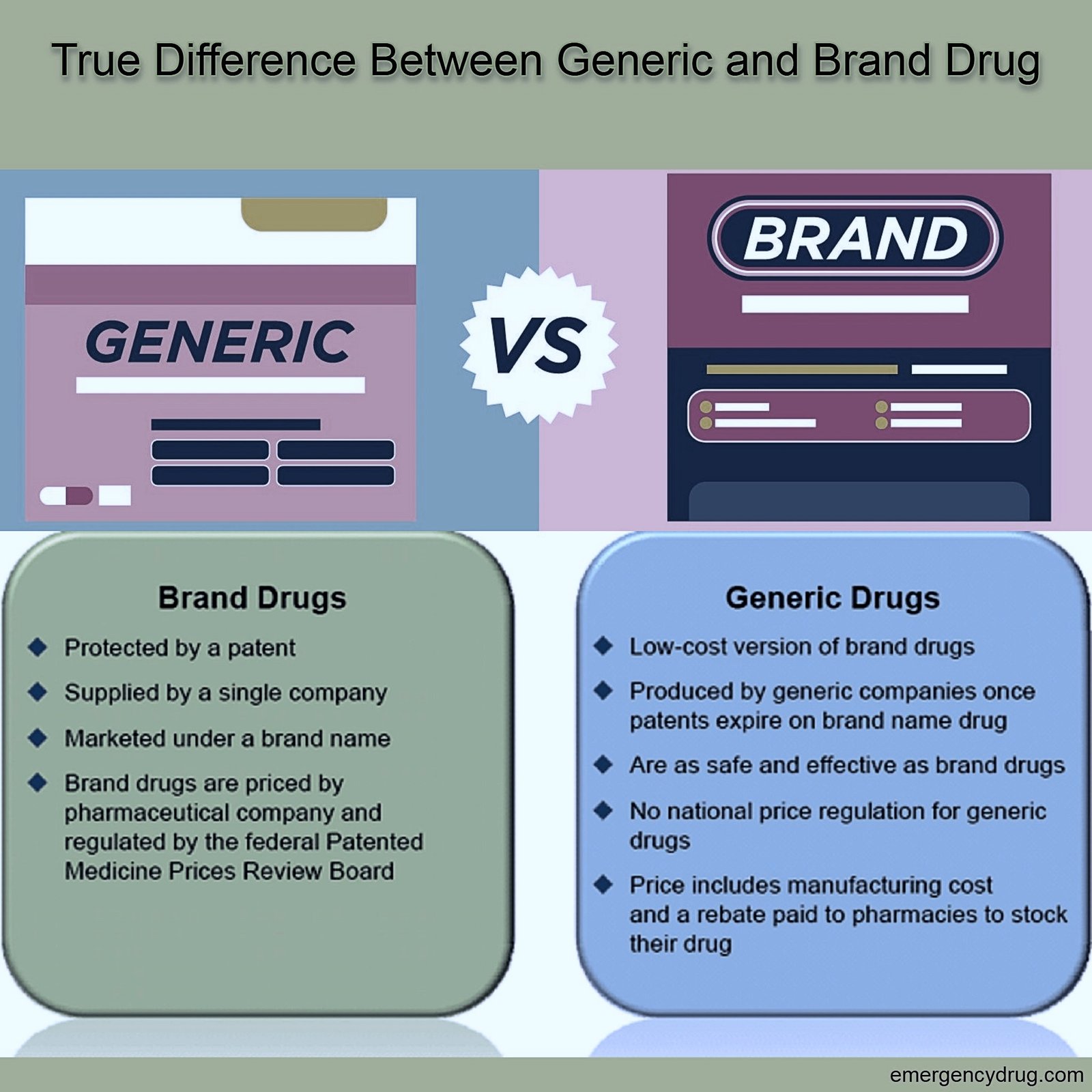
The journey to understanding generic drug names begins with differentiating them from their brand-name counterparts. When a pharmaceutical company develops a new drug, it is granted a patent, allowing it to be the sole manufacturer and marketer of that medication for a specific period. During this exclusive period, the drug is sold under a brand name, which is a trademarked name chosen by the company, often designed to be catchy and memorable. For example, when Advil was first introduced, “Advil” was its brand name.
The Science Behind the Name: Active Pharmaceutical Ingredients (APIs)
At the heart of any medication, whether brand-name or generic, lies its Active Pharmaceutical Ingredient (API). This is the component of the drug that produces the intended therapeutic effect – it’s the “stuff” that actually treats your condition. The API is the chemical entity responsible for the drug’s action.
While a brand-name drug has a unique, proprietary brand name, the generic name refers to the official, non-proprietary name assigned to the API. This name is typically derived from the chemical structure of the API and is recognized internationally. Using our previous example, the API in Advil is ibuprofen. Therefore, “ibuprofen” is the generic name for the drug.
Why Do Generic Names Matter? The Economics and Accessibility of Healthcare
The significance of generic drug names extends far beyond mere nomenclature. They are instrumental in fostering competition, driving down costs, and ultimately increasing access to essential medicines. This directly impacts the Money aspect of our lives, offering substantial savings for individuals and healthcare systems alike.
The Patent Expiration and the Rise of Generics
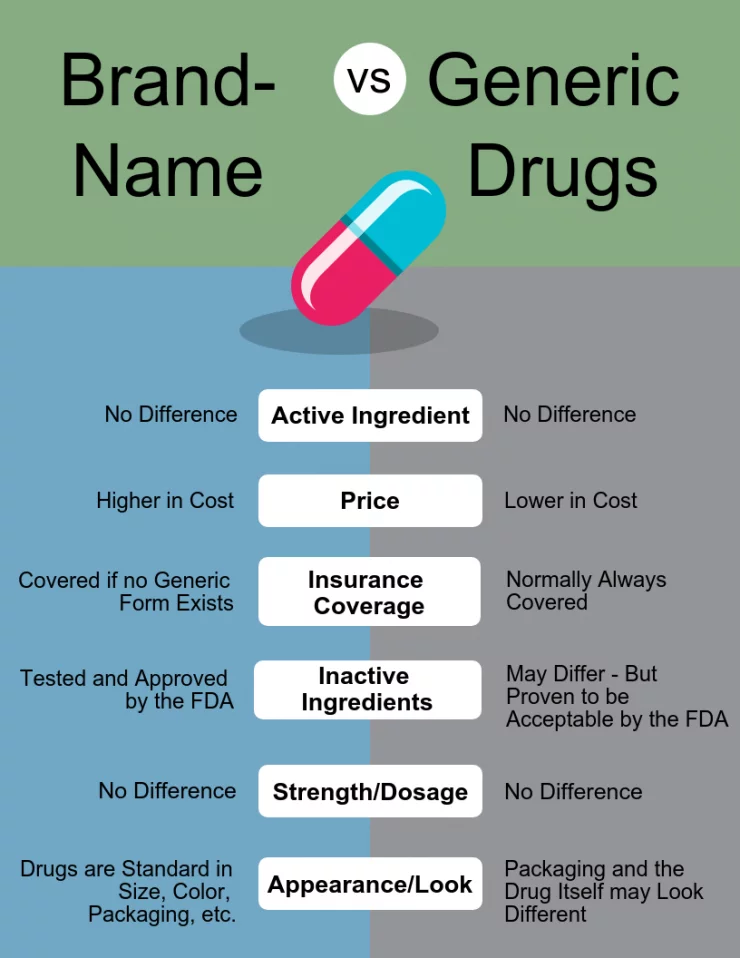
Once a drug’s patent expires, other pharmaceutical manufacturers are legally permitted to produce and sell generic versions of that medication. These generic drugs are designed to be bioequivalent to their brand-name counterparts. This means they contain the same API, in the same dosage form, route of administration, and strength, and they work in the same way in the body.
The introduction of generic drugs into the market creates a competitive environment. With multiple manufacturers producing the same API, prices naturally decrease. This price reduction can be substantial, often leading to savings of 50% to over 80% compared to the brand-name drug. For individuals managing chronic conditions that require daily medication, these savings can be life-changing, freeing up financial resources for other essential needs.
Ensuring Quality and Safety: The Role of Regulatory Bodies
The widespread adoption of generic drugs is underpinned by stringent regulatory oversight. In countries like the United States, the Food and Drug Administration (FDA) is responsible for ensuring that all generic drugs approved for market are safe and effective. This involves rigorous testing and review processes to confirm bioequivalence with the brand-name drug.
The FDA requires generic drug manufacturers to demonstrate that their product has the same API, same strength, and same dosage form as the brand-name drug. Furthermore, they must prove that the drug is absorbed into the bloodstream at the same rate and to the same extent. This meticulous process ensures that patients can have confidence in the quality and efficacy of generic medications. The Tech aspect plays a subtle but growing role here, with advanced analytical techniques and data management systems used in the quality control and approval processes.
Brand vs. Generic: Beyond the Price Tag
While the most significant difference between brand-name and generic drugs often lies in their price, there can be other distinctions, though they do not typically affect efficacy or safety.
- Inactive Ingredients: Generic drugs may use different inactive ingredients (excipients) compared to their brand-name counterparts. These are substances that do not have a therapeutic effect but are used for formulation, stability, or appearance. For example, a generic may use a different dye or binder. In rare cases, individuals might have sensitivities to specific inactive ingredients, which is why it’s always good practice to discuss any concerns with a healthcare provider.
- Appearance: Due to different manufacturing processes and the use of different inactive ingredients, generic drugs might look different from their brand-name counterparts. They may have a different shape, color, or imprint. However, they are required to be clearly labeled with their generic name and the manufacturer’s information.

It’s important to remember that the core of the medication – the API – is the same. The choice between a brand-name and generic drug often boils down to cost-effectiveness.
The Impact on Consumers: Empowering Informed Choices
Understanding generic drug names empowers consumers to become more active participants in their healthcare. This aligns with the broader trend towards Brand awareness and informed consumerism, where individuals seek transparency and value.
Navigating Your Pharmacy: The Role of Pharmacists
Your pharmacist is an invaluable resource in understanding generic drug options. They can:
- Inform you about generic alternatives: When you fill a prescription, your pharmacist can tell you if a generic version is available and discuss the cost savings.
- Explain the differences: They can clarify any questions you might have about inactive ingredients or appearance.
- Facilitate your choice: In many regions, pharmacists have the authority to dispense generic alternatives unless the prescribing physician specifically requests the brand-name drug. This is often referred to as “therapeutic interchange.”
The “Why” Behind Brand Loyalty
While generics offer significant advantages, some consumers may still opt for brand-name drugs. This can be due to a variety of factors, including:
- Perceived efficacy: A long-standing familiarity with a brand-name drug can create a sense of trust and a perception of superior effectiveness, even when scientific evidence points to bioequivalence.
- Marketing and branding: Powerful marketing campaigns can create strong emotional connections and brand loyalty.
- Doctor’s recommendation: Sometimes, a physician may recommend a specific brand-name drug for reasons related to a patient’s specific medical history or complex treatment regimen.
However, for the vast majority of medications, the generic version provides the same therapeutic benefit at a substantially lower cost.
The Technological Frontier: Enhancing Access and Understanding
The intersection of Tech and healthcare is continually evolving, influencing how we access and comprehend information about medications, including generic names.
Digital Health Platforms and Apps
Numerous health applications and online platforms are emerging that help consumers track their medications, understand dosages, and even compare prices for both brand-name and generic drugs. These digital tools can:
- Provide drug information: Access to detailed information about APIs, potential side effects, and drug interactions.
- Facilitate price comparisons: Some apps and websites aggregate pricing data from various pharmacies, allowing users to find the most affordable option.
- Offer reminders and adherence tools: Helping patients stay on track with their medication schedules, which is crucial for effective treatment.
AI and Personalized Medicine
While still in its early stages for widespread consumer adoption, Artificial Intelligence (AI) is beginning to influence drug discovery and development. AI algorithms can analyze vast datasets to identify potential drug targets and predict drug efficacy. In the future, AI-powered tools might even offer more personalized recommendations for medication choices, taking into account an individual’s genetic makeup, lifestyle, and treatment history. This could lead to a more nuanced understanding of which drug, brand or generic, might be most suitable for a particular patient.
Conclusion: The Power of Knowing the Generic Name
In essence, the generic name of a drug is the official, scientifically recognized name of its active ingredient. It is the name that is identical across all its versions, regardless of the manufacturer. Understanding this fundamental concept is not just about medical terminology; it’s about financial empowerment, improved healthcare access, and making informed decisions.
As consumers, we are increasingly taking charge of our well-being. By recognizing and asking for generic alternatives when appropriate, we can significantly reduce healthcare costs without compromising on the quality or effectiveness of our medications. The world of pharmaceuticals, like the worlds of Money, Brand, and Tech, is dynamic. Staying informed, asking questions of your healthcare providers, and leveraging the available resources – including the technological tools at our disposal – will continue to be key to navigating it successfully. The generic name of a drug is a simple yet powerful piece of knowledge that contributes to a healthier, more affordable future for everyone.
aViewFromTheCave is a participant in the Amazon Services LLC Associates Program, an affiliate advertising program designed to provide a means for sites to earn advertising fees by advertising and linking to Amazon.com. Amazon, the Amazon logo, AmazonSupply, and the AmazonSupply logo are trademarks of Amazon.com, Inc. or its affiliates. As an Amazon Associate we earn affiliate commissions from qualifying purchases.