
In the world of spirits and mixology, few stories are as compelling from a brand strategy perspective as that of the French Martini. While many classic cocktails claim origins shrouded in the mists of pre-prohibition history or the creative whims of nameless bartenders, the French Martini is a masterpiece of modern marketing. It is a textbook example of how a singular product—Chambord Liqueur—was able to engineer a global cultural phenomenon by piggybacking on established luxury tropes.
To understand what a French Martini is, one must look past the vodka and pineapple juice and see it for what it truly is: a calculated piece of brand positioning that redefined the “Martini” category for a new generation of consumers.

The Origin Story: How Chambord Engineered a Classic
The French Martini did not emerge organically from the underground bars of Paris. Instead, it was a strategic deployment used to invigorate the brand identity of Chambord, a black raspberry liqueur produced in the Loire Valley. In the late 1980s and early 1990s, the spirits market was undergoing a seismic shift. The “Cocktail Renaissance” was beginning to bloom, and brands were looking for ways to become indispensable to the modern bartender’s kit.
The Product-Driven Prototype
The core of the French Martini’s brand strategy was “product-first” innovation. Chambord needed a flagship vehicle—a “hero serve” that showcased its unique flavor profile, deep purple hue, and premium price point. By combining the liqueur with vodka and pineapple juice, the brand created a flavor profile that was accessible yet sophisticated. It solved a common marketing problem: how to make a specialized, sweet liqueur a staple in high-volume bars. The drink wasn’t just a recipe; it was a liquid billboard for Chambord.
Leveraging the “Martini” Moniker for Instant Status
From a brand architecture standpoint, the decision to name the drink a “Martini” was a stroke of genius. In the 1990s, the word “Martini” had moved away from its strict definition (gin and vermouth) and had become a shorthand for “sophisticated drink in a V-shaped glass.” By attaching the “Martini” name to their raspberry creation, the marketers behind Chambord bypassed years of brand-building. They instantly inherited the prestige, adult appeal, and glassware associations of the world’s most famous cocktail, while adding the “French” prefix to signify European luxury and refinement.
The Visual Identity: Aesthetics as a Marketing Moat
In modern brand strategy, the visual “thumbprint” of a product is often more important than its utility. The French Martini succeeded because it was designed to be noticed. Before the era of Instagram and digital marketing, the “eye-test” in a crowded bar was the primary driver of organic growth.
The “Raspberry Foam” Signature
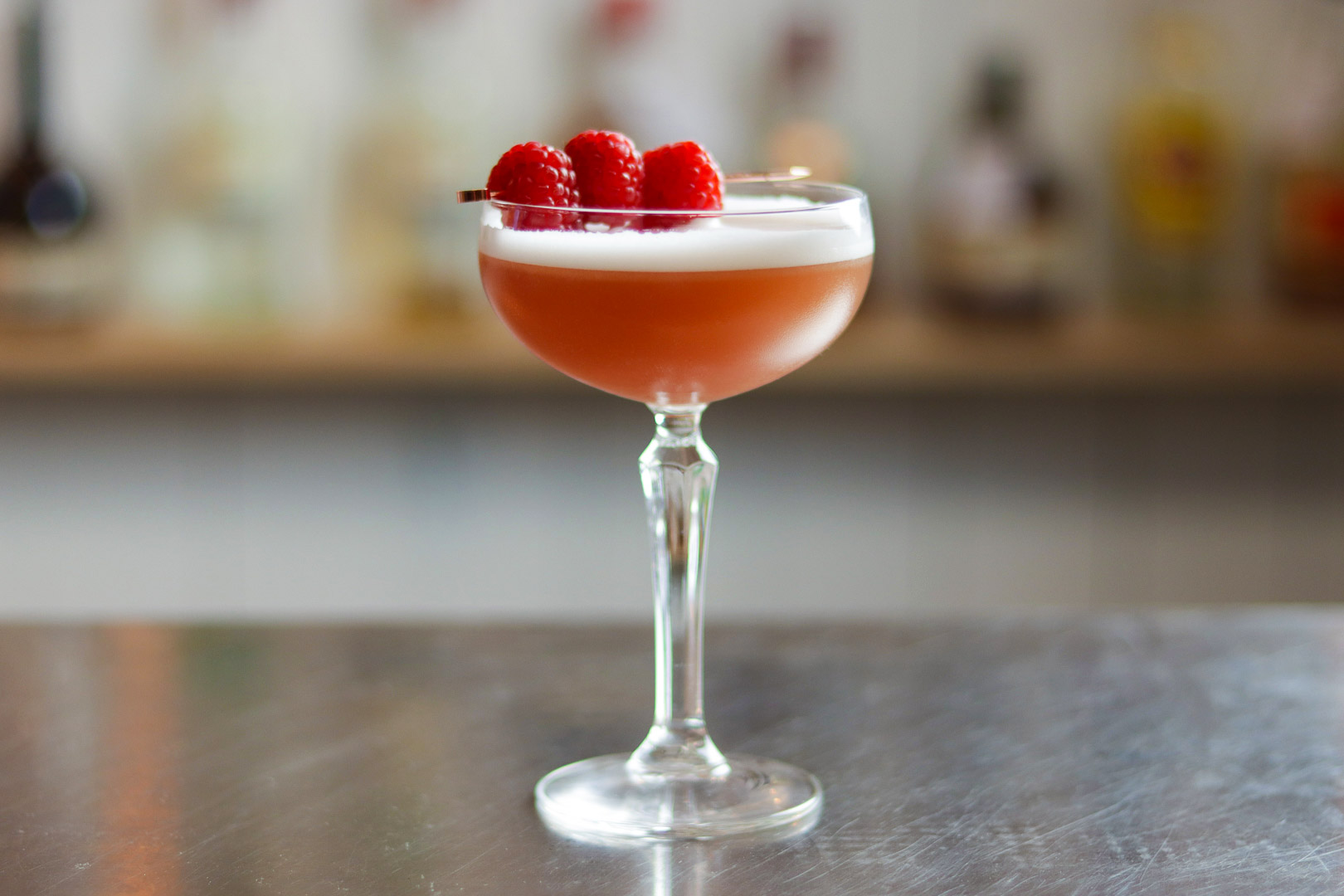
One of the most distinctive brand assets of the French Martini is the frothy, silken head that forms at the top of the glass when pineapple juice is shaken vigorously. This natural aeration creates a visual contrast against the deep pink liquid below. From a design perspective, this creates a “multi-sensory brand experience.” The consumer sees the luxury, feels the texture of the foam, and tastes the premium ingredients. This visual consistency ensured that whenever a French Martini was served, everyone else at the bar knew exactly what it was, creating a viral loop of “I’ll have what she’s having.”

The V-Shaped Glass and the Perception of Luxury
Brand strategy often relies on “borrowed equity.” By insisting that the French Martini be served in the iconic conical glass, the brand aligned itself with the high-society imagery of Hollywood and the jazz age. Even though the drink itself was a fruity, modern invention, the silhouette of the glass communicated to the consumer that they were engaging in an act of sophisticated consumption. This alignment with luxury glassware allowed bars to command a premium price, further solidifying the drink’s status as an aspirational purchase.
Market Penetration: The 1990s Cocktail Renaissance
The rise of the French Martini coincided with a specific era of corporate marketing where lifestyle association became the primary driver of sales. The brand was not just selling a drink; it was selling a piece of the “New York City lifestyle” to the rest of the world.
Strategic Placement in Cosmopolitan Hubs
The French Martini’s explosion in popularity can be traced to its presence in the “power bars” of New York City and London. By ensuring the drink was the house special in influential venues like Balthazar in SoHo, the brand owners utilized a “top-down” influence model. They targeted the tastemakers—fashion editors, stockbrokers, and celebrities—knowing that the trend would eventually trickle down to the suburban cocktail lounges and home bars. This is a classic “halo effect” strategy, where the prestige of the environment rubs off on the product.
The Power of Association with French Sophistication
The word “French” in the title is perhaps the most potent piece of branding in the drink’s history. In the global marketplace, “French” is a powerful brand modifier that evokes craftsmanship, history, and culinary excellence. Even though the cocktail was popularized in the United States, the brand leaned heavily into its French provenance. This geographic branding allowed it to stand out against the “Neon-colored” drinks of the 80s, positioning the French Martini as a more “mature” and “cultured” choice.
Brand Longevity and the Modern Mixology Movement
In the current landscape of craft cocktails and “speakeasy” culture, many 90s drinks have fallen out of favor. However, the French Martini has maintained a resilient brand presence. Its longevity is a testament to the strength of its original strategic foundation.
Maintaining Relevance in the Craft Era
As the cocktail industry moved toward fresh juices and artisanal spirits, the French Martini was able to adapt because its core components—quality vodka, real raspberry liqueur, and fresh pineapple—fit the “clean label” trend. While other “tinis” made with artificial syrups faded away, the French Martini’s reliance on a premium brand like Chambord allowed it to survive the scrutiny of the modern craft bartender. It transitioned from being a “trendy” drink to a “modern classic,” a rare feat in the fickle world of beverage branding.
Lessons for Modern Liquid Brands
The story of the French Martini offers several vital lessons for today’s brand strategists:
- Category Disruption: You don’t always need to invent a new category; sometimes, you just need to redefine an old one (e.g., the “Martini”).
- Visual Branding: Your product should be recognizable from across a crowded room.
- The Anchor Product: A brand is often most successful when it creates a specific “use case” or ritual for its consumption.
By understanding the French Martini through the lens of brand strategy, we see that it is much more than a combination of three ingredients. It is a masterfully executed campaign that leveraged nomenclature, visual design, and geographic prestige to turn a simple liqueur into a global icon. Whether enjoyed in a high-end lounge or a local bistro, the French Martini remains a shining example of how effective branding can turn a fleeting trend into a permanent fixture of cultural history.
aViewFromTheCave is a participant in the Amazon Services LLC Associates Program, an affiliate advertising program designed to provide a means for sites to earn advertising fees by advertising and linking to Amazon.com. Amazon, the Amazon logo, AmazonSupply, and the AmazonSupply logo are trademarks of Amazon.com, Inc. or its affiliates. As an Amazon Associate we earn affiliate commissions from qualifying purchases.