
For many, a dime is simply ten cents – a small coin used in everyday transactions. However, for those with an eye for history, an appreciation for tangible assets, or an interest in numismatics, certain dimes hold a value far exceeding their face worth. These are the silver dimes, relics of an era when U.S. circulating coinage was struck from precious metals. Understanding what a dime is worth in silver requires a journey through history, an understanding of market dynamics, and an appreciation for both intrinsic and collectible value.
At its core, the question “what is a dime worth in silver?” delves into the intrinsic metallic value of these coins, often referred to as “melt value.” This value fluctuates daily with the global price of silver, offering a dynamic perspective on these unassuming pieces of American monetary history. Beyond their silver content, some dimes possess an additional layer of worth, captivating collectors with their rarity, condition, or unique historical context. This article will unpack the multifaceted value of silver dimes, offering insights for investors, collectors, and anyone curious about the hidden wealth within these small, shining discs.
The Enduring Legacy of Silver Dimes
The United States Mints produced dimes with a significant silver content for over a century and a half. These coins served as the backbone of small transactions, their metallic composition a testament to a different monetary philosophy where currency had inherent material value. The shift away from silver coinage marked a significant pivot in the nation’s financial history, leaving a legacy of precious metal coins that continue to intrigue and hold value today.
The Transition from Silver to Clad
Until 1964, U.S. dimes, quarters, and half-dollars were struck from an alloy of 90% silver and 10% copper. This composition was standard practice for much of the nation’s history. However, rising silver prices in the early 1960s began to make the silver content of these coins worth more than their face value. This economic reality led to widespread hoarding of silver coinage, causing a severe shortage of circulating money. To combat this crisis, President Lyndon B. Johnson signed the Coinage Act of 1965, which dramatically altered the composition of U.S. coinage.
Under this act, dimes and quarters transitioned to a “clad” composition: a core of pure copper bonded between two layers of a copper-nickel alloy. Half-dollars retained some silver content (40%) for a few more years before also becoming fully clad in 1971. This legislative change marked the end of an era for widespread silver coinage in the United States, effectively rendering all dimes dated 1964 and earlier as “silver dimes” with intrinsic value beyond their ten-cent denomination.
Identifying a Silver Dime
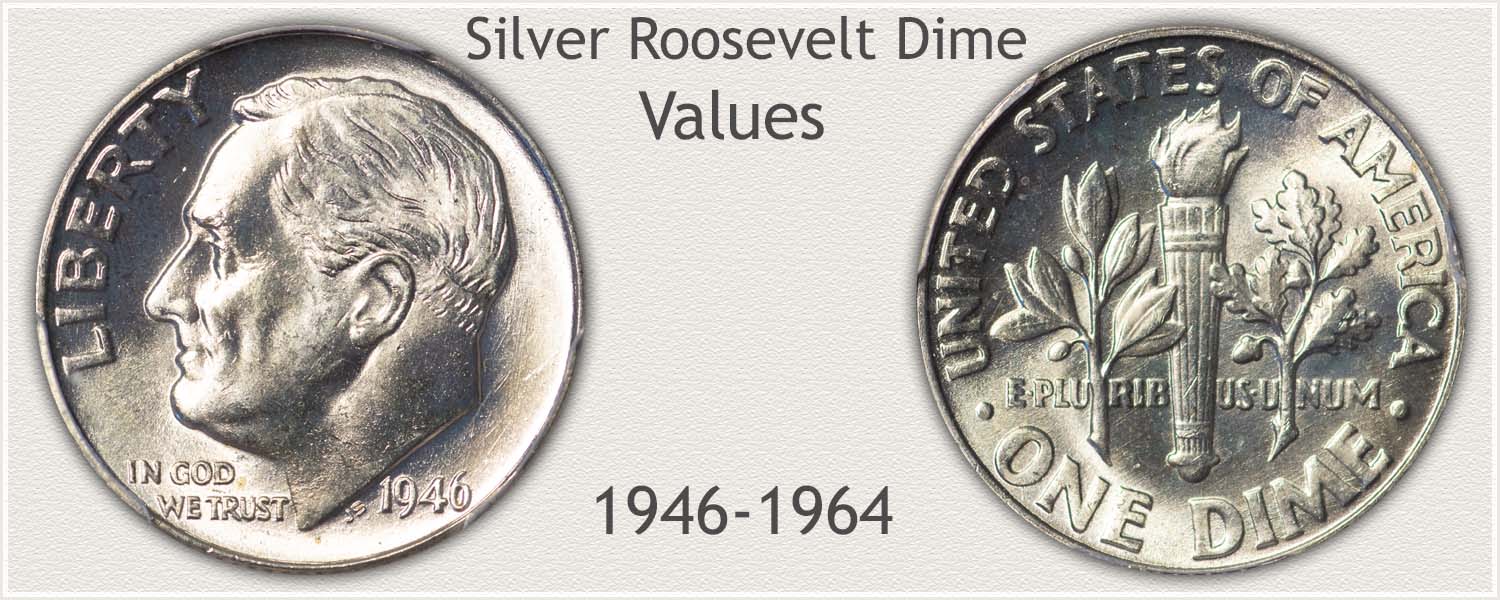
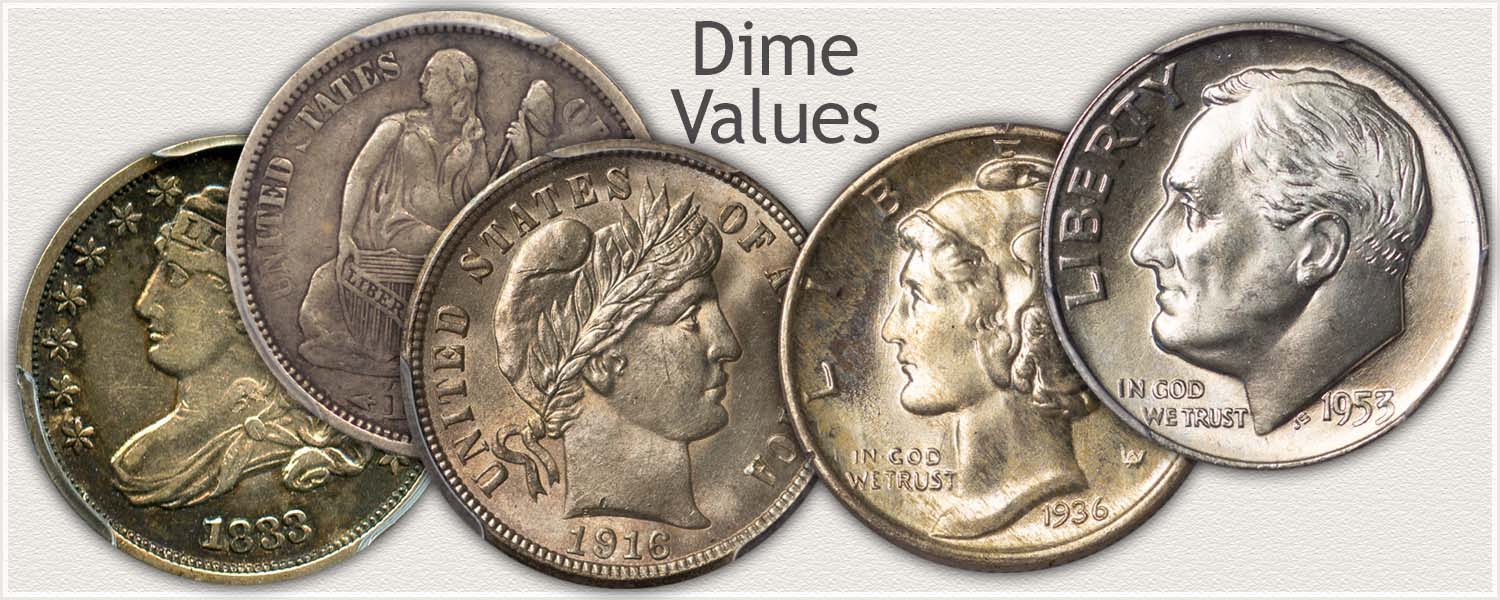
For the untrained eye, distinguishing a silver dime from a modern clad dime might seem challenging, but it’s relatively straightforward once you know what to look for. The primary indicator is the date: any U.S. dime minted in 1964 or earlier is composed of 90% silver. This includes Roosevelt Dimes (1946-1964), Mercury Dimes (1916-1945), and the earlier Barber Dimes (1892-1916).
Beyond the date, there are other visual cues. Silver dimes tend to have a uniform silvery appearance throughout their edge, whereas clad dimes reveal a distinct copper stripe between the two outer layers when viewed from the side. Silver dimes also have a slightly different sheen and often exhibit a distinct “ring” when dropped onto a hard surface, unlike the duller “clunk” of clad coins. Developing an eye for these differences is a valuable skill for anyone interested in identifying valuable coinage.
Deconstructing the Melt Value
The most fundamental answer to “what is a dime worth in silver?” lies in its “melt value.” This refers to the intrinsic value of the precious metal contained within the coin, determined by the current spot price of silver. For investors, particularly those interested in precious metals as a hedge against inflation or economic uncertainty, understanding melt value is paramount.
The Mathematics of Silver Content
A 90% silver U.S. dime, regardless of its design (Roosevelt, Mercury, or Barber), contains approximately 0.0723 troy ounces of pure silver. This standard weight and purity are critical for calculating its melt value. The precise weight of a U.S. dime is 2.5 grams, and 90% of that is silver. When converted to troy ounces (the standard unit for measuring precious metals, where 1 troy ounce = 31.1035 grams), this works out to roughly 0.07234 troy ounces of pure silver per dime. This consistency across all pre-1965 dimes makes them an easily quantifiable form of silver investment.
Understanding Silver Spot Price
The “spot price” of silver is the current market price at which silver can be bought or sold for immediate delivery. This price is determined by global supply and demand dynamics and fluctuates constantly throughout trading hours. It is typically quoted in U.S. dollars per troy ounce. Financial news outlets, precious metals dealer websites, and specialized apps provide real-time updates on the silver spot price.
The spot price is the foundation upon which melt value is built. When the spot price of silver rises, the melt value of a silver dime increases, and vice versa. Savvy investors monitor these fluctuations, as they directly impact the underlying value of their silver holdings.
Calculating the Intrinsic Worth
To calculate the melt value of a single silver dime, you multiply its pure silver content by the current spot price of silver per troy ounce.
Melt Value = (Silver Content per Dime in Troy Ounces) x (Current Silver Spot Price per Troy Ounce)
Using the approximate silver content of 0.0723 troy ounces:
Melt Value = 0.0723 oz x Current Silver Spot Price
For example, if the spot price of silver is $25.00 per troy ounce, a silver dime would have a melt value of approximately $1.81 (0.0723 x $25.00). It’s important to remember that this is a theoretical melt value. When buying or selling, dealers will typically factor in a premium or discount to account for their operating costs, profit margins, and the effort of processing “junk silver” (as common 90% silver coins are often called).
Beyond the Bullion: Numismatic Value and Collectibility
While melt value provides a baseline for silver dimes, it doesn’t tell the whole story. Many silver dimes, particularly older or rarer varieties, command a “numismatic value” that far exceeds their silver content. This additional value stems from their appeal to coin collectors, driven by factors like rarity, historical significance, and physical condition.
Factors Influencing Collectible Value
Several elements contribute to a silver dime’s collectible value:
- Rarity: Some mint marks or dates produced fewer coins, making them inherently rarer and more sought after. Low mintage figures translate to higher demand and price.
- Condition (Grade): This is paramount in coin collecting. A coin’s state of preservation, from heavily worn to perfectly uncirculated, drastically impacts its value. Finer details, luster, and lack of scratches or damage are highly prized.
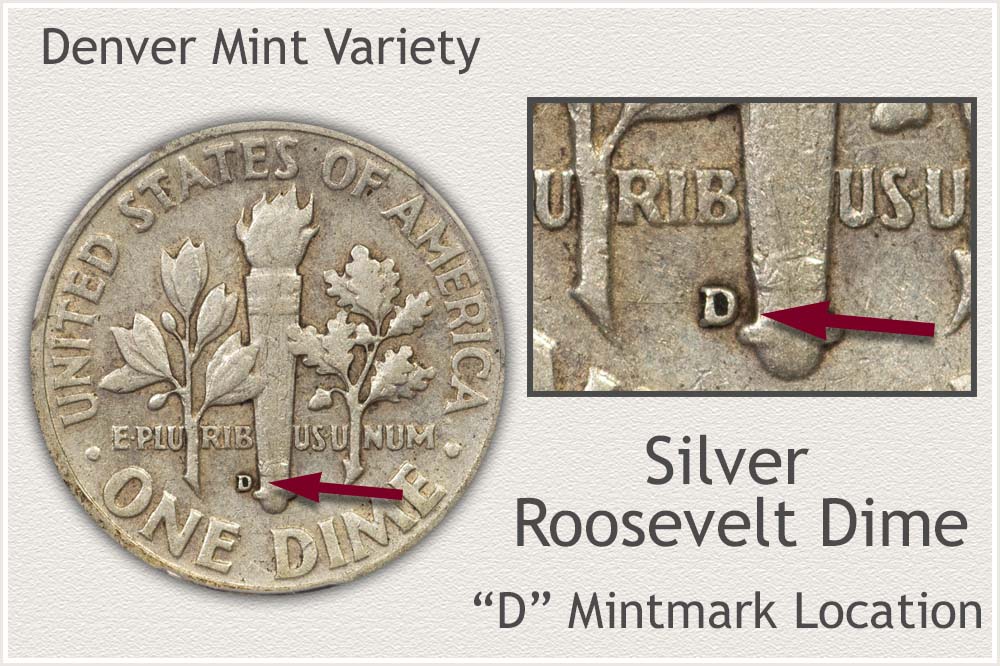
- Mint Mark: The small letter (or lack thereof) indicating where the coin was minted (e.g., “S” for San Francisco, “D” for Denver, no mark for Philadelphia) can significantly affect rarity and value for certain dates.
- Errors and Varieties: Coins struck with mistakes (e.g., doubled dies, off-center strikes) or intentional variations (e.g., overdates) are often unique and highly valuable to collectors.
- Historical Significance: Coins associated with pivotal historical moments or popular designs can hold extra appeal.
Key Series and Rare Finds
Within the realm of silver dimes, several series stand out for their historical appeal and potential for high collectible value:
- Barber Dimes (1892-1916): These older, more intricate designs are generally rarer, especially in higher grades. Key dates include 1895-O, 1905-O, and 1913-S.
- Mercury Dimes (1916-1945): Featuring the iconic Winged Liberty Head design, Mercury Dimes are highly popular. The 1916-D is a famous key date, as are the 1921 and 1921-D, and the 1942/1 Overdate. Even common dates in high grades can fetch significant premiums.
- Roosevelt Dimes (1946-1964): While generally more common, certain Roosevelt dimes in impeccable condition, especially early proof issues, can carry substantial numismatic value. There are also specific errors, like the 1964-D “Missing Mint Mark” varieties (though often debated if a true error or just a weak strike), that attract collector interest.
The Role of Coin Grading
For serious collectors, professional coin grading is essential. Services like the Professional Coin Grading Service (PCGS) and the Numismatic Guaranty Company (NGC) authenticate coins and assign them a numerical grade on the Sheldon Scale (from 1 to 70), indicating their condition. A certified grade provides assurance of a coin’s authenticity and state of preservation, significantly impacting its market value. While common “junk silver” dimes are rarely slabbed (professionally graded), rarer dates or those in exceptional uncirculated condition almost always benefit from professional grading to unlock their full numismatic potential.
Silver Dimes as a Tangible Asset
Beyond their historical and collectible allure, silver dimes serve a practical role as a tangible asset, appealing to investors looking to diversify their portfolios with physical precious metals. Often referred to as “junk silver” or “constitutional silver,” these coins offer an accessible and historically resilient form of silver ownership.
The Appeal of “Junk Silver” for Investors
“Junk silver” refers to pre-1965 U.S. silver coinage whose primary value is derived from its silver content rather than its numismatic rarity. Dimes, quarters, and half-dollars fall into this category. Their appeal to investors stems from several factors:
- Affordability: Dimes represent the smallest unit of “junk silver,” making them an entry point for investors with limited capital.
- Divisibility: Unlike a large silver bar, individual dimes can be easily bought or sold in smaller increments, offering liquidity and flexibility.
- Recognizability: These are U.S. coins, widely recognized and trusted. Their purity (90%) is standardized and generally accepted without complex assaying.
- Historical Performance: Precious metals, including silver, have historically acted as a hedge against inflation and currency devaluation, preserving purchasing power during economic uncertainty.
- Privacy: Unlike digital assets or stocks, physical silver can be held privately, offering a degree of financial independence outside the traditional banking system.
Advantages and Disadvantages of Physical Silver
Investing in physical silver, including silver dimes, comes with its own set of pros and cons:
Advantages:
- Tangible Asset: You physically own it; there’s no counterparty risk.
- Inflation Hedge: Traditionally performs well during inflationary periods.
- Universal Value: Recognized and valued globally.
- Portfolio Diversification: Reduces overall portfolio risk by providing exposure to a non-correlated asset class.
Disadvantages:
- Storage Costs/Security: Requires secure storage, which can incur costs or risks.
- Liquidity: May not be as liquid as stocks or ETFs; selling often involves dealer spreads.
- Premiums: Typically bought at a premium above spot price and sold at a discount, impacting profit margins.
- Not Income-Generating: Does not pay dividends or interest.
- No Growth Potential (beyond price appreciation): Unlike a business, silver itself doesn’t grow or produce anything.
Integrating Silver Dimes into a Portfolio
For many investors, silver dimes serve as a component of a diversified portfolio, often alongside other precious metals like gold, and traditional assets such as stocks, bonds, and real estate. The decision to invest in silver dimes often aligns with a strategy to preserve wealth, hedge against economic instability, or achieve long-term capital appreciation driven by rising silver prices. They are typically considered a long-term hold, rather than a short-term speculative play, due to the transaction costs involved in buying and selling.
Practical Guidance for Buying and Selling Silver Dimes
Navigating the market for silver dimes requires a practical approach, whether you’re looking to acquire them as an investment, for a collection, or to liquidate existing holdings. Understanding where to buy, how to sell, and what to watch out for is crucial for a successful experience.
Sourcing Silver Dimes
- Reputable Precious Metals Dealers: Both online and brick-and-mortar dealers are primary sources. They offer a range of products, from bulk “junk silver” bags to individually graded coins. Look for dealers with established reputations, clear pricing, and secure shipping.
- Coin Shows and Expos: These events offer an opportunity to see coins in person, compare prices from multiple dealers, and network with other collectors and investors.
- Online Marketplaces and Auctions: Platforms like eBay can be sources, but require extreme caution. Verify seller reputation, scrutinize images, and be wary of deals that seem too good to be true. Professional online auction houses specializing in coins offer more security for higher-value items.
- Local Coin Shops: Smaller, independent shops can be excellent places to find individual pieces and get personalized advice, often with a community feel.
- Estate Sales and Flea Markets: Occasionally, hidden gems can be found, but this requires significant knowledge and an ability to spot fakes.
Strategies for Selling Your Silver
When it’s time to sell, similar channels are available:
- Precious Metals Dealers: Most dealers who buy also sell. They offer the quickest and easiest way to liquidate, but typically at a lower price than you might get from a private sale (the “buy-sell spread” is their profit margin).
- Coin Shows: Selling directly to dealers at shows can sometimes yield better prices as competition may be higher, and you avoid shipping costs.
- Online Auction Sites: For rarer, graded coins, an auction can sometimes achieve the highest price, but it comes with fees, shipping risks, and the uncertainty of a successful bid. For common junk silver, it’s generally not worth the effort for small quantities due to fees and logistics.
- Private Sales: Selling directly to another collector or investor can yield better prices for both parties, as it cuts out the dealer’s margin. However, it requires finding a buyer and handling the transaction securely.
Avoiding Common Pitfalls
- Beware of Fakes: Especially with older, rarer dates, counterfeits exist. Buy from reputable sources only.
- Understand Premiums: Always know the current spot price of silver and understand that you will pay a premium when buying and receive less than spot when selling. Factor this into your investment strategy.
- Condition Matters: For collectible dimes, condition is everything. Learn the basics of coin grading or seek professional advice for valuable pieces.
- Secure Storage: Whether in a home safe, a bank safe deposit box, or a third-party vault, ensure your silver is protected from theft and damage.
- Don’t Clean Coins: Cleaning a collectible coin, even gently, can significantly reduce its numismatic value by damaging its natural patina.
In conclusion, a dime’s worth in silver is a dynamic figure, rooted in the fluctuating global spot price of the precious metal. While all pre-1965 dimes share this intrinsic value, some transcend it through their numismatic appeal, becoming prized possessions for collectors. Whether viewed as an accessible entry into precious metals investment, a historical artifact, or a collectible treasure, the silver dime undeniably holds a special place in the financial and cultural landscape, far surpassing its humble ten-cent face value.
aViewFromTheCave is a participant in the Amazon Services LLC Associates Program, an affiliate advertising program designed to provide a means for sites to earn advertising fees by advertising and linking to Amazon.com. Amazon, the Amazon logo, AmazonSupply, and the AmazonSupply logo are trademarks of Amazon.com, Inc. or its affiliates. As an Amazon Associate we earn affiliate commissions from qualifying purchases.