
The digital age has fundamentally reshaped how businesses operate, and at the heart of this transformation lies data. Every transaction, customer interaction, and operational process generates a cascade of information. However, this raw data is often meaningless without proper organization, accuracy, and accessibility. This is where the Data Entry Specialist emerges as a crucial, albeit often behind-the-scenes, professional. Far from being a mere typist, a data entry specialist is a vital cog in the machinery of modern commerce, ensuring that the fuel of business – information – is clean, reliable, and readily usable.

The role of a data entry specialist has evolved significantly from its rudimentary beginnings. In an era defined by digital workflows and advanced analytical tools, their importance is amplified. They are the gatekeepers of accurate information, the architects of organized databases, and the silent facilitators of informed decision-making. While technology has introduced automation, the nuanced task of ensuring data integrity and handling complex entry requirements remains a human-centric skill, making the data entry specialist an indispensable asset for organizations across all sectors.
The rise of big data, the increasing reliance on cloud-based systems, and the growing demand for real-time analytics have all contributed to the enduring relevance of the data entry specialist. They bridge the gap between the physical or unstructured world and the digital realm, meticulously transforming various forms of input into structured, usable data. Understanding what a data entry specialist does, the skills they possess, and the value they bring is essential for anyone looking to navigate the modern business landscape, whether as a potential employer seeking efficiency or an individual considering a career path.
The Evolving Role of the Data Entry Specialist
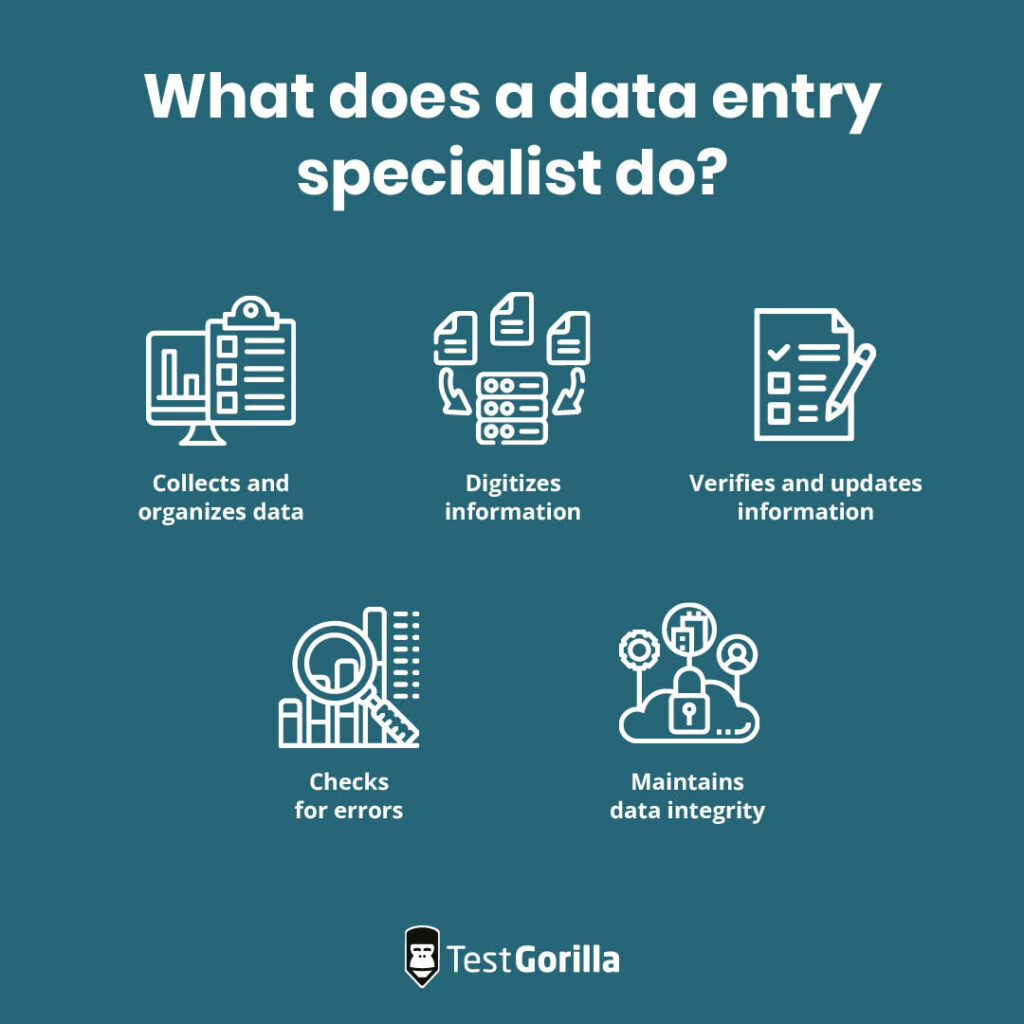
The core function of inputting data has remained consistent, but the context and complexity have dramatically changed. Gone are the days of solely manual transcription from paper to basic spreadsheets. Today’s data entry specialist operates within a sophisticated technological ecosystem, often interacting with a variety of software and platforms. Their role has transformed from a purely transactional task to one that requires a deeper understanding of data management principles, quality control, and the overall business objectives that the data supports.
From Manual Transcription to Digital Integration
Historically, data entry primarily involved physically transcribing information from paper documents into digital formats. This could include invoices, forms, customer records, and inventory lists. The process was largely manual, time-consuming, and prone to human error. As technology advanced, optical character recognition (OCR) software began to automate some aspects of this process, but human oversight remained critical for accuracy, especially with handwritten or complex documents.
Today, the landscape is far more integrated. Data entry specialists are increasingly tasked with inputting data into specialized Customer Relationship Management (CRM) systems, Enterprise Resource Planning (ERP) software, databases, and sophisticated online platforms. They might be involved in digitizing scanned documents, migrating data between systems, or updating existing records within complex software suites. This shift demands a greater familiarity with digital interfaces, data validation rules, and the specific functionalities of the software being used. The focus is no longer just on getting the data in, but on ensuring it’s entered correctly and in a format that maximizes its utility for downstream processes.
The Importance of Data Accuracy and Integrity
The foundational principle of data entry, regardless of the technological era, is accuracy. Inaccurate data can lead to flawed analysis, poor business decisions, increased operational costs, and significant reputational damage. For example, an incorrect product price entered into an e-commerce system can lead to financial losses and customer dissatisfaction. An erroneous customer address can result in undelivered mail and missed sales opportunities. Therefore, the data entry specialist acts as a crucial quality control point, ensuring that the information entered is a true and precise reflection of the source.
Data integrity refers to the overall accuracy, completeness, and consistency of data. This involves not just correct transcription but also adhering to defined data standards, identifying and correcting errors, and ensuring that data remains consistent across different systems or records. A data entry specialist plays a proactive role in maintaining this integrity by following established protocols, double-checking entries, and flagging any discrepancies or anomalies they encounter. Their diligence directly impacts the reliability of reports, the effectiveness of marketing campaigns, and the overall efficiency of business operations.
Essential Skills and Qualifications for a Data Entry Specialist
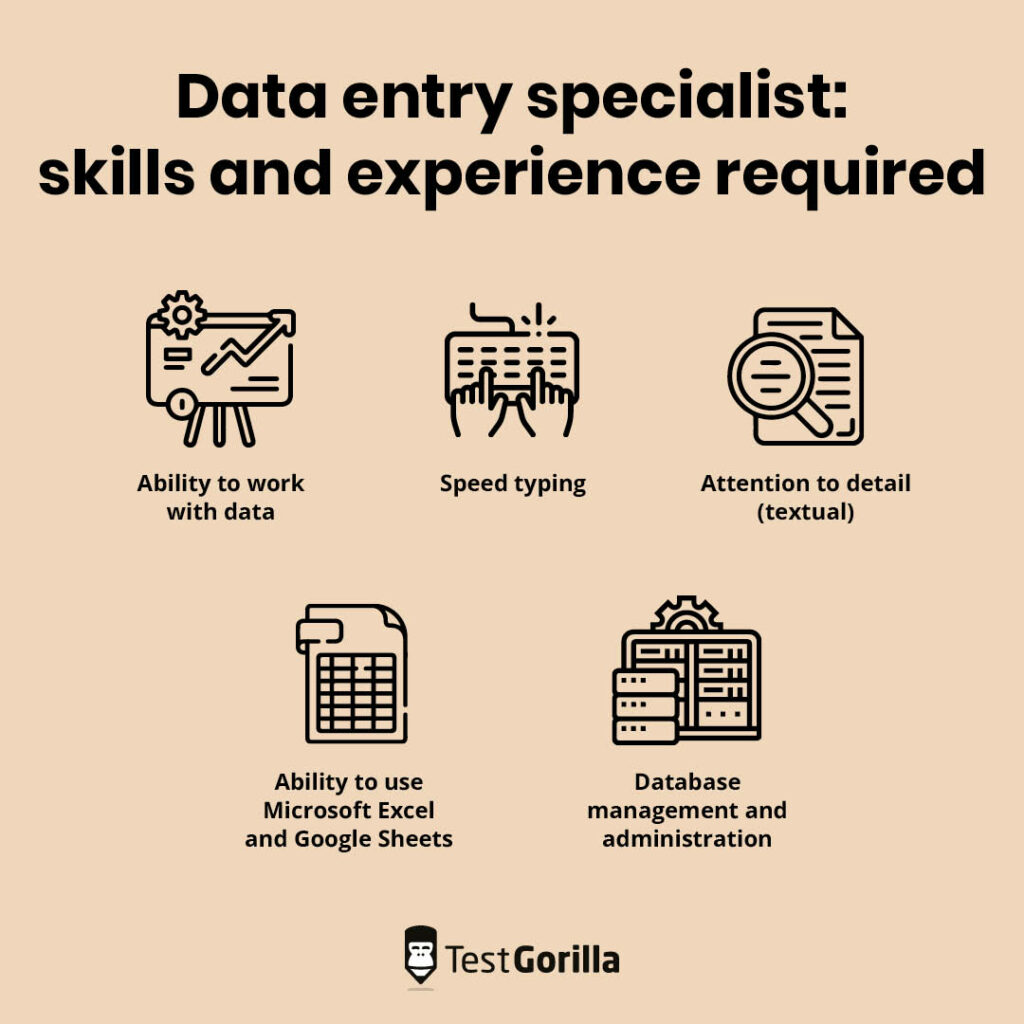
The role of a data entry specialist demands a specific set of skills that go beyond basic typing proficiency. While speed and accuracy are paramount, a modern data entry professional also requires a degree of technical aptitude, attention to detail, and an understanding of data management principles. These skills are honed through a combination of innate abilities, training, and practical experience.
Technical Proficiency and Software Aptitude
In today’s digital environment, a data entry specialist must be comfortable navigating a variety of software applications. This typically includes proficiency with:
- Microsoft Office Suite: Particularly Excel for data organization, manipulation, and basic analysis. Word is also often used for document processing and formatting.
- Database Management Systems: While not always requiring in-depth SQL knowledge, familiarity with entering and updating information in database interfaces is common. This might include SQL Server, Oracle, or cloud-based database solutions.
- CRM and ERP Software: Many roles involve inputting data into specialized business software like Salesforce, SAP, or NetSuite. Understanding the structure and requirements of these systems is crucial.
- Cloud-based Platforms: Experience with cloud storage and collaboration tools (e.g., Google Workspace, Dropbox) is often necessary, especially for remote or distributed teams.
- Typing Speed and Accuracy: This remains a cornerstone. A minimum typing speed (often 50-60 WPM) with a high degree of accuracy is generally expected. Regular practice and the use of typing tutors can help maintain and improve these skills.
- Data Entry Software: Some specialized software exists for data entry and validation, and familiarity with these tools can be an advantage.
Beyond specific software, a general aptitude for learning new technologies is highly valued. As businesses adopt new tools and platforms, data entry specialists need to be able to adapt quickly and efficiently.
Attention to Detail and Analytical Thinking
The most critical attribute for a data entry specialist is an exceptional attention to detail. This means noticing subtle discrepancies, recognizing patterns of errors, and ensuring that every piece of data is entered precisely as intended. This trait is not merely about spotting typos; it’s about understanding the context of the data and its implications. For instance, recognizing that a seemingly minor variation in a product code could lead to it being miscategorized and impacting inventory management.
Complementing attention to detail is a degree of analytical thinking. While not necessarily a complex analytical role, data entry specialists often need to:
- Identify inconsistencies: Recognize when data doesn’t align with established patterns or rules.
- Problem-solve minor issues: Troubleshoot simple data entry errors or formatting problems.
- Understand data relationships: Grasp how different data points relate to each other within a system.
- Follow complex instructions: Interpret and adhere to specific guidelines for data input and categorization.
This ability to think critically about the data they are handling elevates the role from simple input to active data management, contributing to a more robust and reliable dataset.
The Technology Ecosystem and Tools for Data Entry
The modern data entry specialist operates within a sophisticated technological ecosystem, leveraging a variety of tools to enhance efficiency, accuracy, and workflow. These tools range from fundamental office software to more specialized applications designed to streamline the data entry process. Understanding these technologies is crucial for both specialists and employers seeking to optimize data management.
Standard Productivity Software and Tools
At the base level, proficiency with standard productivity software is non-negotiable.
- Spreadsheet Software (e.g., Microsoft Excel, Google Sheets): These are the workhorses for organizing, categorizing, and manipulating data. Data entry specialists use them for creating new datasets, updating existing ones, performing basic calculations, and implementing validation rules to prevent errors. Features like data validation, conditional formatting, and pivot tables are often utilized.
- Word Processors (e.g., Microsoft Word, Google Docs): While not directly used for structured data input, word processors are often employed for creating reports, documenting processes, or managing unstructured text that may eventually be converted into data.
- Email and Communication Platforms (e.g., Outlook, Gmail, Slack, Microsoft Teams): Effective communication is vital for clarifying data requirements, reporting errors, and coordinating with team members or stakeholders.
These tools form the bedrock of most data entry tasks, providing the flexibility and functionality to manage information effectively.
Specialized Data Entry and Management Software
Beyond general productivity tools, the market offers a range of specialized software designed to improve the speed and accuracy of data entry.
- Optical Character Recognition (OCR) Software: OCR technology converts images of text into machine-readable text. This is invaluable for digitizing documents, scanned forms, or handwritten notes, significantly reducing the manual transcription effort. While OCR has advanced, human review is often still necessary to correct errors and ensure accuracy, especially with varied font styles or poor-quality scans.
- Database Management Systems (DBMS): Professionals will frequently interact with DBMS interfaces to input, update, and retrieve data. This can range from simple table-based systems to more complex relational databases. Understanding database structures, primary keys, and data types can be beneficial.
- Customer Relationship Management (CRM) Systems: CRM software is used to manage customer interactions and data. Data entry specialists often populate and update customer profiles, sales leads, contact information, and service requests within these systems. Popular examples include Salesforce, HubSpot, and Zoho CRM.
- Enterprise Resource Planning (ERP) Systems: ERP systems integrate core business processes like finance, HR, manufacturing, and supply chain management. Data entry specialists may be involved in inputting inventory data, financial transactions, employee information, or project details into these comprehensive platforms. SAP and Oracle are prominent examples.
- Data Validation and Cleaning Tools: These tools help to identify and correct errors in datasets. They can flag duplicate entries, inconsistent formatting, or missing information, significantly improving data quality.
- Form Builders and Survey Tools (e.g., Google Forms, SurveyMonkey, Typeform): For collecting structured data directly from users or customers, these tools are efficient. Data entry specialists might be responsible for inputting responses from physical forms or for managing and verifying the data collected through online forms.
The strategic application of these specialized tools allows organizations to harness the power of their data more effectively, and for data entry specialists to perform their roles with greater efficiency and precision.
Career Pathways and Opportunities in Data Entry
The role of a data entry specialist, while sometimes perceived as entry-level, can serve as a valuable stepping stone into various career paths within the tech and business sectors. The skills acquired in data entry are transferable and foundational to many roles that involve information management, analysis, and digital operations. Understanding these potential pathways can illuminate the long-term value of this profession.
Entry-Level Positions and Career Progression
The most common entry point is as a Data Entry Clerk or Operator. In this capacity, individuals focus on the core tasks of inputting, verifying, and organizing data according to established procedures. As they gain experience and demonstrate proficiency, opportunities for growth emerge:
- Senior Data Entry Specialist: This role often involves handling more complex data sets, training new team members, or taking on more responsibility for data quality assurance.
- Data Quality Analyst: This position focuses on identifying, investigating, and resolving data inaccuracies and inconsistencies. It requires a deeper understanding of data governance and analytical techniques.
- Database Administrator Assistant/Junior Database Administrator: With additional training and experience in database management systems, a data entry specialist can progress towards roles involving database maintenance, design, and optimization.
- Data Clerk/Administrator in Specialized Departments: Many departments within a company require specific data management expertise. A data entry specialist might find opportunities in roles like:
- Medical Records Clerk: Handling patient information in healthcare settings.
- Legal Assistant/Paralegal Assistant: Managing case files and legal documents.
- Accounts Payable/Receivable Clerk: Processing invoices and financial transactions.
- Inventory Clerk/Warehouse Administrator: Managing stock levels and product information.
These roles build upon the core data entry skills but add domain-specific knowledge, leading to more specialized and often higher-paying positions.
Transferable Skills and Future Roles
The skills honed as a data entry specialist are highly transferable and are valuable in a wide array of contemporary roles. The emphasis on accuracy, attention to detail, and familiarity with technology makes individuals well-suited for positions that require meticulous handling of information.
- Data Analyst: This is a natural progression for those with strong analytical aptitude and a solid understanding of data integrity. Data analysts interpret data to provide insights, build reports, and inform business strategy.
- Business Analyst: These professionals bridge the gap between business needs and technology solutions. Their understanding of data flows and system requirements, developed through data entry, can be invaluable.
- Quality Assurance (QA) Tester: The meticulous nature of data entry translates well into software testing, where identifying bugs and ensuring system functionality is paramount.
- Technical Writer: Individuals who can clearly document processes and data structures can excel in creating user manuals, guides, and technical documentation.
- Project Coordinator/Manager: The ability to organize, track, and manage information is crucial for project management. Data entry specialists often develop these organizational skills early in their careers.
- Virtual Assistant: Many virtual assistant roles involve data entry, database management, and general administrative tasks that directly leverage the skills of a data entry specialist.
As the volume of data continues to grow exponentially, the demand for professionals who can manage and interpret it accurately will only increase. The role of the data entry specialist, with its foundational emphasis on precision and technological engagement, provides a robust starting point for a successful and evolving career in the digital economy.
aViewFromTheCave is a participant in the Amazon Services LLC Associates Program, an affiliate advertising program designed to provide a means for sites to earn advertising fees by advertising and linking to Amazon.com. Amazon, the Amazon logo, AmazonSupply, and the AmazonSupply logo are trademarks of Amazon.com, Inc. or its affiliates. As an Amazon Associate we earn affiliate commissions from qualifying purchases.