
In the realm of personal finance and long-term estate planning, few topics are as inevitable—yet as frequently overlooked—as the “death care” industry. When we ask the question “what is a cremation,” we are often looking for a biological or ceremonial definition. However, from a financial and business standpoint, cremation represents a seismic shift in the global economy of mortality. It is a transition from high-overhead, land-intensive traditional burials to a streamlined, service-oriented model that reflects modern values of efficiency, liquidity, and fiscal responsibility.
As the “Silver Tsunami” (the aging Baby Boomer generation) approaches, the funeral industry is undergoing a massive transformation. Understanding the financial mechanics of cremation is no longer just a matter of funeral planning; it is a critical component of comprehensive wealth management and estate preservation.

Understanding the Financial Mechanics of Cremation
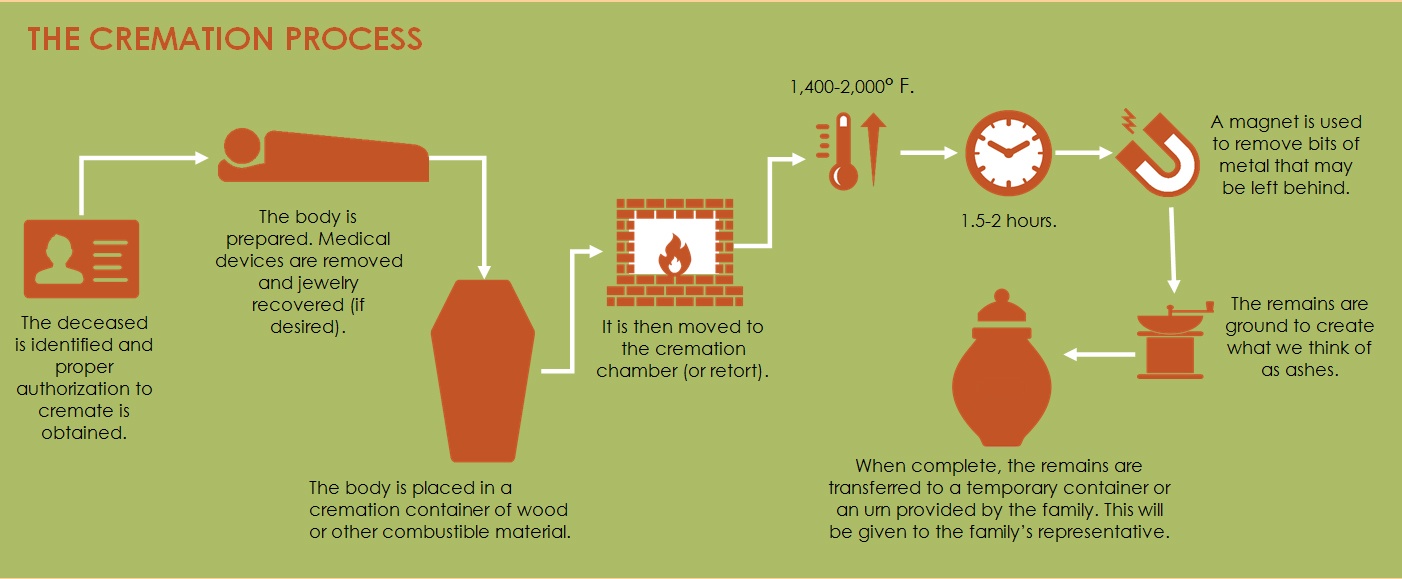
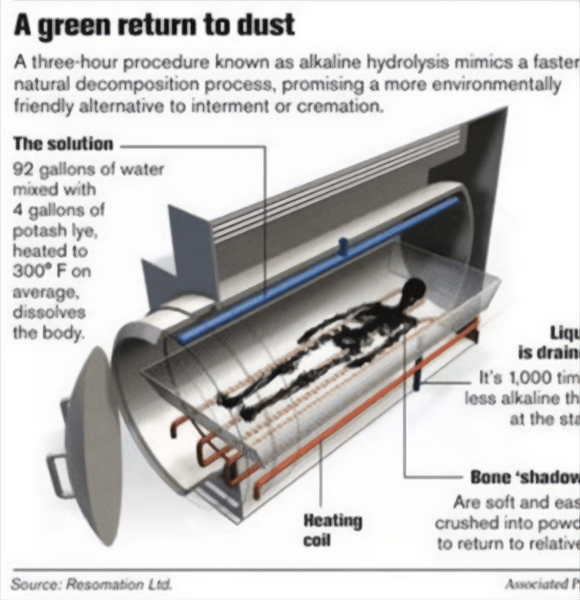
At its core, cremation is the process of reducing the human body to bone fragments using high-heat combustion or, more recently, chemical alkaline hydrolysis. From a business finance perspective, this process is an industrial service that removes the need for several high-cost physical products associated with traditional interments.
Direct Cremation vs. Traditional Services
The most significant financial distinction within this sector is the rise of “Direct Cremation.” In the world of personal finance, this is the “budget” or “low-cost provider” model. A direct cremation involves the removal and cremation of the body shortly after death, bypassing the embalming process, expensive caskets, and formal viewing services.
From a cost-benefit analysis, the difference is staggering. A traditional funeral with burial often ranges between $7,000 and $12,000, factoring in the casket, vault, and cemetery plot. In contrast, a direct cremation can cost as little as $800 to $2,500. For families looking to preserve the value of an estate for heirs, the choice of cremation is often a strategic decision to minimize “leakage” of wealth during the final transition.
The Hidden Costs of the Death Care Industry
While the base price of cremation is lower, consumers must navigate the “upselling” strategies of the corporate funeral industry. Business finance in the funeral sector relies heavily on margins from peripheral services. These include:
- Urn Retail: Much like the markup on jewelry, urns can range from $50 utility containers to $5,000 artisanal pieces.
- Permit and Documentation Fees: Administrative costs that vary by jurisdiction.
- Professional Service Fees: The overhead charged by funeral homes to cover their facilities and staff time.
By understanding these line items, individuals can treat end-of-life planning like any other major procurement, ensuring they are paying for value rather than emotional convenience.
Cremation as a Personal Finance Strategy
Incorporating the cost of cremation into a financial plan is an exercise in risk management and capital allocation. When we view “what is a cremation” through the lens of a side hustle or personal finance management, we see it as a tool to protect the net worth of a family unit.
Pre-Need Planning and Inflation Hedging
One of the most effective financial tools in the death care space is the “Pre-Need” contract. This allows an individual to pay for their cremation services at today’s prices, effectively locking in the rate and hedging against future inflation.
From an investment standpoint, this functions similarly to a prepaid commodity contract. If funeral costs rise at a rate of 3–5% annually, a pre-paid cremation plan can offer a “guaranteed return” by preventing the family from paying significantly higher prices twenty years down the line. However, the financial savvy consumer must ensure these funds are held in a protected trust or a specialized insurance product to mitigate the risk of the funeral home going out of business.
Liquidity and Estate Settlement
When a person passes away, their assets often enter probate—a legal process that can freeze bank accounts and properties for months. A traditional burial requires immediate liquidity, often forcing heirs to take out high-interest “funeral loans” or sell off assets at a loss to cover the $10,000+ bill.
Cremation offers a superior liquidity profile. Because the costs are lower, they can often be covered by a small life insurance policy or even a modest savings account. This keeps the larger estate intact, allowing for a more orderly distribution of assets and preventing the “fire sale” of family investments to cover burial costs.
The Business Landscape: Investing in the Death Care Sector
For those interested in market trends and corporate strategy, cremation is the primary driver of growth in the death care industry. The shift toward cremation is not just a cultural preference; it is a market disruption that has changed how publicly traded companies in this space operate.
Consolidation and Market Trends
In the mid-20th century, the funeral industry was dominated by “mom and pop” family-owned businesses. Today, we see massive consolidation. Companies like Service Corporation International (SCI) have leveraged the efficiency of cremation to scale their operations.
Investors look at the “cremation rate” as a key performance indicator (KPI). In North America, the cremation rate has surpassed 55% and is projected to reach 80% by 2035. For a business, cremation requires less land (real estate) and lower inventory costs (no expensive caskets sitting in a showroom). This shift improves the profit margins of large-scale operators, making death care stocks a common defensive play in many diversified portfolios.
Disruptors in the Digital Funeral Space
Just as “FinTech” disrupted banking, “DeathTech” is disrupting how we handle cremation. New startups are emerging that offer online-only cremation arrangements, removing the brick-and-mortar overhead entirely. These companies use digital marketing and automated logistics to provide a transparent, fixed-price model.
For the modern investor or entrepreneur, this niche represents a “Blue Ocean” strategy. By utilizing AI tools for logistics and digital security for sensitive records, these companies are catering to a tech-savvy generation that values price transparency and digital convenience over traditional grief rituals.
Comparative Analysis: Cremation vs. Burial ROI
In any business case, we must look at the Return on Investment (ROI) or, in this case, the total cost of ownership. The financial disparity between burial and cremation becomes even more apparent when looking at long-term maintenance.
Land Scarcity and Real Estate Costs
Burial is essentially a real estate transaction. You are purchasing or leasing a specific plot of land in perpetuity. In metropolitan areas like New York, London, or San Francisco, the price of a burial plot has skyrocketed due to land scarcity, often costing more than a small car.
Cremation eliminates this real estate requirement. Even if a family chooses to inter the ashes in a “columbarium” (a wall of niches for urns), the square footage required is a fraction of a traditional grave. From a land-use economics perspective, cremation is the only sustainable model for high-density urban environments.
Long-term Maintenance and Perpetual Care Funds
When you buy a burial plot, you often pay into a “Perpetual Care Fund.” This is an endowment intended to fund the mowing, landscaping, and upkeep of the cemetery forever. However, the financial viability of these funds is often precarious, especially if the cemetery runs out of new plots to sell.
Cremation offers a cleaner “exit strategy” from a financial liability standpoint. Once the cremation is complete, there are no ongoing maintenance fees, property taxes, or upkeep costs unless the family chooses a formal resting place. This “one-and-done” financial model appeals to those who prioritize simplicity and do not want to leave a trail of recurring expenses for their descendants.
Conclusion: The Bottom Line on Cremation
When we redefine “what is a cremation” through the lenses of Money, Personal Finance, and Business Strategy, it emerges as more than a choice of disposition—it is a sophisticated financial decision. It represents a move toward asset protection, estate liquidity, and market efficiency.
For the individual, choosing cremation is a way to ensure that their hard-earned wealth is passed down to their loved ones rather than being absorbed by the high overhead of the traditional funeral industry. For the investor, it represents a stable, growing sector backed by demographic certainties and improving corporate margins.
In the modern economy, being “fiscally responsible” extends to the very end of one’s life. By understanding the economics of cremation, we can make informed decisions that honor our legacy while protecting our financial future. Whether you are looking at it from the perspective of a side hustle to save money, a corporate identity shift in the industry, or a pure investing play, cremation is the future of the business of death.
aViewFromTheCave is a participant in the Amazon Services LLC Associates Program, an affiliate advertising program designed to provide a means for sites to earn advertising fees by advertising and linking to Amazon.com. Amazon, the Amazon logo, AmazonSupply, and the AmazonSupply logo are trademarks of Amazon.com, Inc. or its affiliates. As an Amazon Associate we earn affiliate commissions from qualifying purchases.