
In the complex landscape of personal finance, the credit card is one of the most versatile tools available to consumers. However, as you browse the plethora of card options—ranging from entry-level “no-fee” cards to elite, metal-plated premium cards—you will inevitably encounter the concept of the “annual fee.” To many, an annual fee feels like an unnecessary hurdle or a penalty for spending money. To others, it is a strategic investment that unlocks thousands of dollars in value.
Understanding what a credit card annual fee is, why it exists, and how to determine if it’s worth the cost is essential for anyone looking to master their financial health. In this guide, we will dissect the mechanics of these fees, the psychology behind the banks that charge them, and the mathematical approach you should take to ensure your wallet stays in the black.
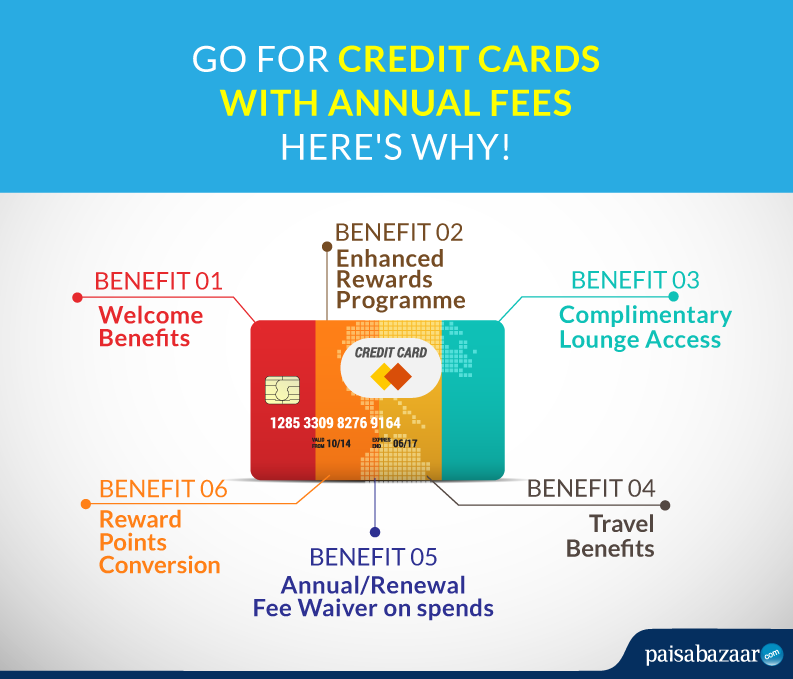
Understanding the Basics: What Exactly Is an Annual Fee?
At its simplest, a credit card annual fee is a once-a-year charge that a card issuer levies on a cardholder for the privilege of maintaining an active account. Think of it as a subscription fee, much like you would pay for Netflix or a gym membership, but for access to a specific financial product.
How Annual Fees Work
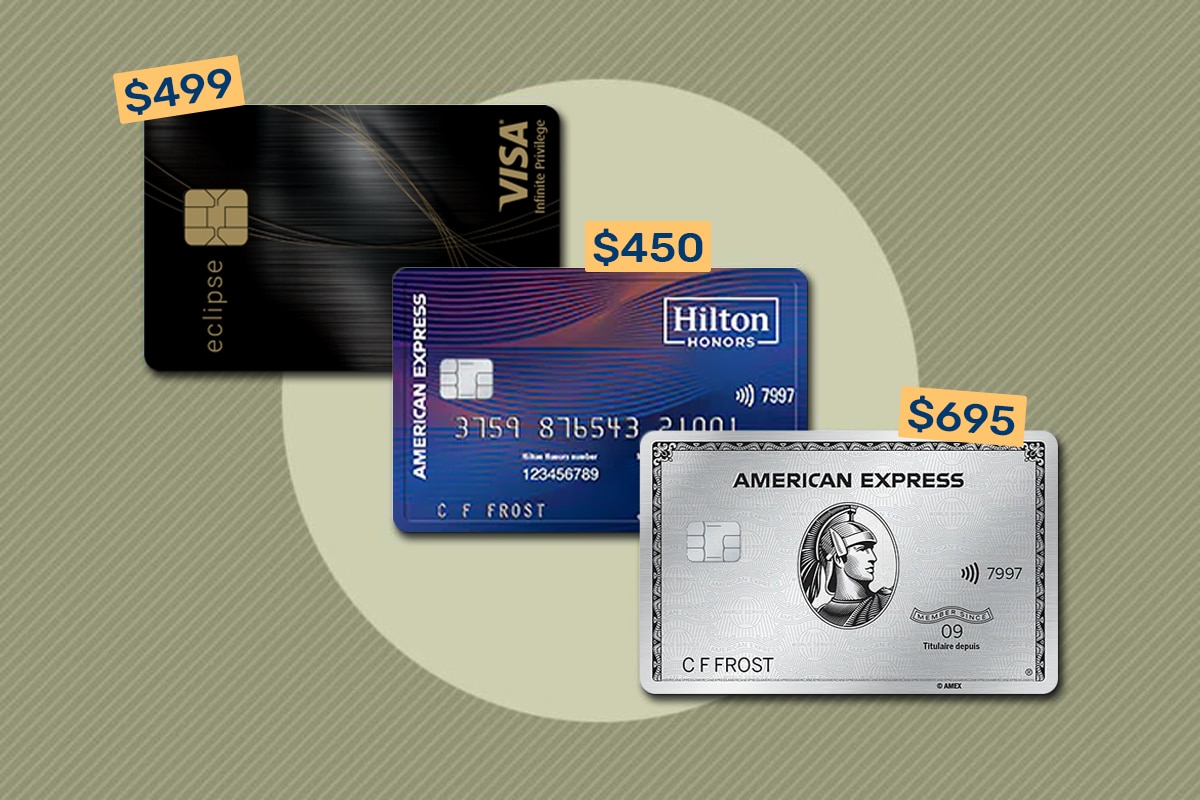
The fee is typically charged on your first billing statement after opening the account and then once a year thereafter on your “account anniversary.” The amount can range significantly—from a modest $39 for basic cards to upwards of $695 or even $2,500 for invitation-only luxury cards.
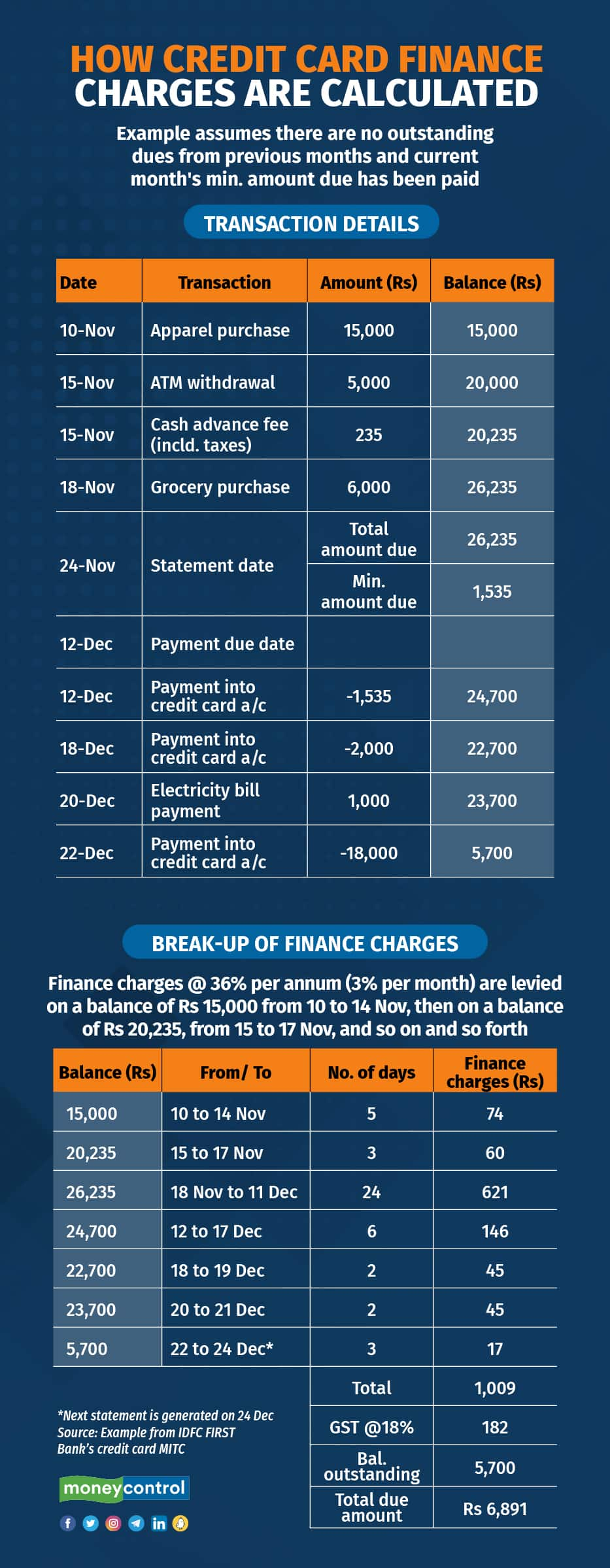
It is important to note that the annual fee is separate from your monthly balance. Even if you pay your bill in full every month and never incur a penny of interest, the annual fee will still be charged. It is a cost of ownership, not a cost of borrowing.
The Difference Between Annual Fees and Interest Rates
A common misconception among financial novices is conflating the annual fee with the Annual Percentage Rate (APR). The APR is the interest you pay on balances carried month-to-month. In contrast, the annual fee is a fixed cost. You can have a high-interest card with no annual fee, or a low-interest card with a high annual fee. From a wealth-management perspective, the annual fee is often more predictable and manageable than interest, provided you practice disciplined spending habits.
Why Do Banks Charge Annual Fees? The Value Proposition
It might seem counterintuitive to pay a bank for the right to use a card, especially when so many “no-annual-fee” cards exist. However, the financial industry operates on a value-exchange model. Banks charge annual fees to subsidize the high-cost benefits, rewards programs, and protections that come with premium credit products.
Unlocking Premium Rewards and Cash Back
The most common reason a card carries a fee is to offer a higher “earn rate.” For example, a no-fee card might offer 1% cash back on all purchases, while a card with a $95 annual fee might offer 3% or 4% on groceries and gas. For high spenders, the extra rewards earned by the premium card can easily eclipse the cost of the fee.
Furthermore, premium cards often grant access to proprietary points systems (like Chase Ultimate Rewards or Amex Membership Rewards). these points can be transferred to airline and hotel partners at a value far exceeding the standard “one cent per point” rate, turning a $250 fee into thousands of dollars worth of international business-class travel.
Access to Luxury Benefits and Protections
Beyond points, annual fees pay for “soft benefits” and insurance policies that would be expensive to purchase independently. These include:
- Airport Lounge Access: Membership to networks like Priority Pass can cost hundreds of dollars, but many premium cards include it for “free.”
- Statement Credits: Many cards offer “offsetting” credits, such as $200 for hotel stays, $100 for Saks Fifth Avenue, or monthly Uber credits.
- Travel Insurance: High-fee cards often include primary rental car insurance, trip cancellation/interruption insurance, and lost luggage reimbursement.
- Concierge Services: Dedicated 24/7 assistants who can book difficult restaurant reservations or find event tickets.
Calculating the Break-Even Point: Is the Fee Worth It?
Determining whether to pay an annual fee requires a cold, hard look at your spending habits. A card is only a “good deal” if the value you extract from it exceeds the fee you pay. This is what financial experts call the “Break-Even Analysis.”
Evaluating Your Spending Patterns
To calculate your personal ROI (Return on Investment), look at your previous 12 months of bank statements. If a card offers 6% back on groceries but has a $95 fee, you need to spend at least $1,584 on groceries annually just to cover the fee. Anything spent above that is pure profit. If you are a single person who rarely cooks and spends only $100 a month on groceries, that “premium” card is actually costing you money compared to a standard 2% no-fee card.
Factoring in Welcome Bonuses
In the first year of card ownership, the annual fee is almost always “worth it” because of the welcome bonus (or sign-up bonus). If a card charges $95 but gives you 60,000 points (valued at roughly $600 to $900) for spending a certain amount in the first three months, you are coming out hundreds of dollars ahead. However, the real test comes in Year Two, when the bonus is gone but the fee remains. This is when you must re-evaluate if your organic spending justifies the recurring cost.
The “Effective” Annual Fee
Savvy financial planners look at the “Effective Annual Fee.” If a card has a $550 annual fee but provides a $300 annual travel credit and a $100 credit for Global Entry/TSA PreCheck, your effective fee is only $150. If you already spend money on travel and Global Entry, the card is essentially “pre-selling” you those services at a discount.
Strategies to Manage, Avoid, or Negotiate Your Annual Fee
Just because a card has a listed annual fee doesn’t mean you are always stuck paying it. In the competitive world of finance, banks are often willing to negotiate to keep a loyal customer.
The Art of the Retention Call
Before your annual fee is due, or shortly after it hits your statement, you can call the issuer’s customer service line. Inform them that you are considering closing the account because the annual fee is too high. Often, the bank will offer a “retention offer.” This could be a direct statement credit to cover the fee, or a “spend challenge” (e.g., “Spend $1,000 in the next 30 days and we will give you 20,000 points”). These offers can effectively nullify the cost of the fee for another year.
Downgrading to No-Fee Alternatives
If a retention offer isn’t available and you no longer find value in a premium card, you should rarely just “close” the account. Closing an account can hurt your credit score by reducing your total available credit and shortening your average age of accounts. Instead, ask for a “Product Change” or a “Downgrade.” Most banks allow you to move from a premium fee-paying card to a basic no-fee card within the same “family” of products. This preserves your credit history while eliminating the annual cost.
Waiving Fees for Special Groups
It is also worth noting that some financial institutions waive annual fees for specific demographics. For example, under the Military Lending Act (MLA) and the Servicemembers Civil Relief Act (SCRA), many major banks (like American Express and Chase) waive annual fees on all their credit cards for active-duty military members and their spouses. This can result in thousands of dollars in annual savings for military families.
Final Thoughts: The Cost of Doing Business
In the world of money, an annual fee is rarely a black-and-white “bad” thing. It is a tool. For a frugal spender who prefers simplicity, a no-annual-fee card is the peak of financial efficiency. For a frequent traveler or a high-spending business owner, paying a $600 annual fee might be the smartest financial move they make all year, providing thousands in travel savings and insurance protections.
The key to mastering the credit card annual fee is transparency with yourself. Audit your cards annually. Do the math. If the perks, points, and protections aren’t outweighing the price of admission, don’t be afraid to downgrade or negotiate. By treating your credit cards as a portfolio of investments rather than just pieces of plastic, you can turn a simple annual fee into a powerful engine for building personal wealth and enjoying luxury experiences.
aViewFromTheCave is a participant in the Amazon Services LLC Associates Program, an affiliate advertising program designed to provide a means for sites to earn advertising fees by advertising and linking to Amazon.com. Amazon, the Amazon logo, AmazonSupply, and the AmazonSupply logo are trademarks of Amazon.com, Inc. or its affiliates. As an Amazon Associate we earn affiliate commissions from qualifying purchases.