
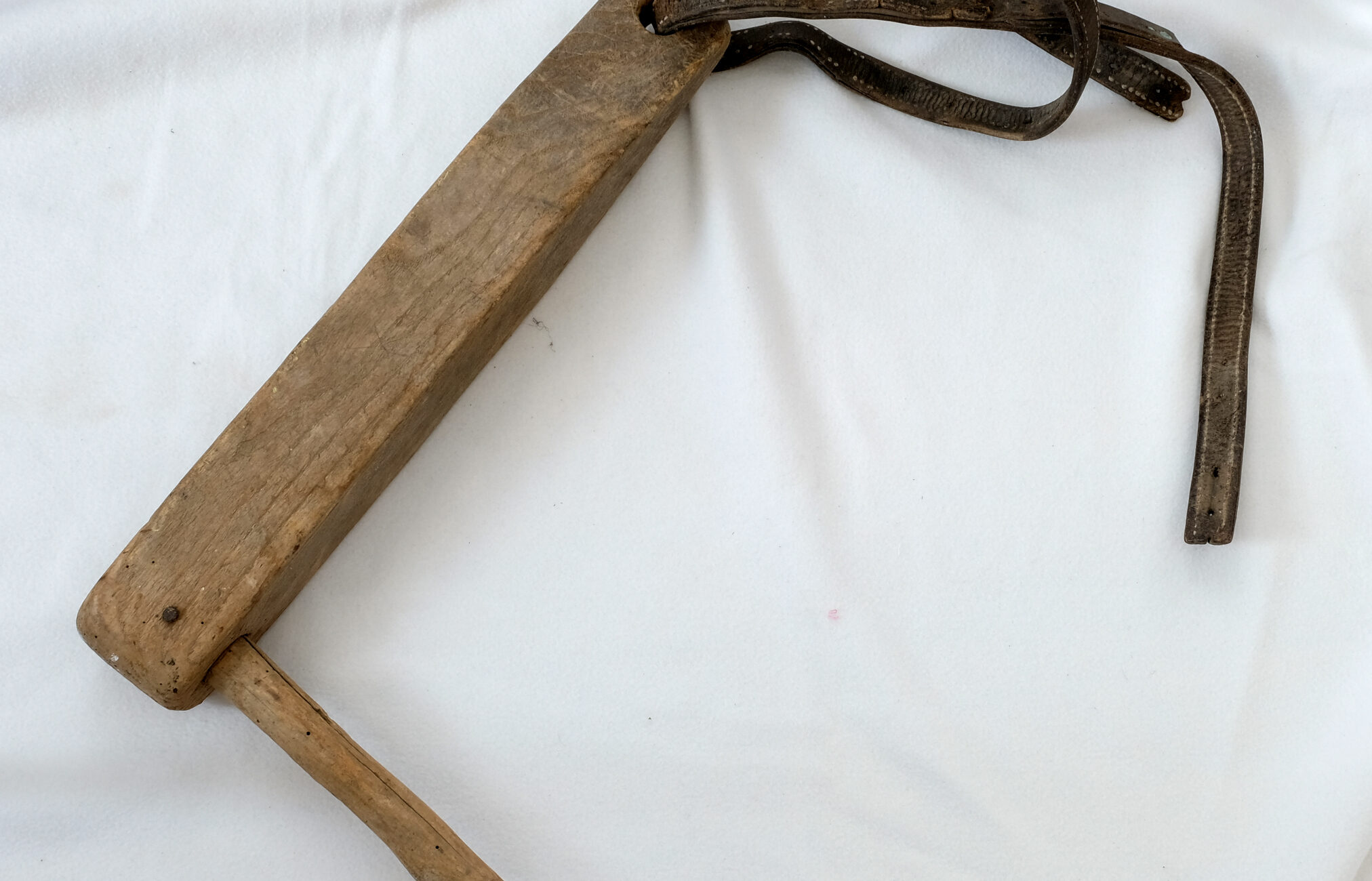
In the lexicon of the American West, the term “cowpoke” carries a specific, gritty weight. Unlike the cinematic “cowboy” who might spend more time in a saloon than on the trail, a cowpoke is defined by the work. The term originally referred to those who used long poles to prod cattle into train cars—a job of physical labor, precision, and unyielding persistence. In the modern marketplace, however, “cowpoke” has transcended its vocational roots to become a powerful brand archetype.
To ask “What is a cowpoke?” in a business context is to inquire about the power of rugged authenticity, self-reliance, and the “Outlaw” or “Explorer” personas that dominate contemporary marketing. This article explores how the cowpoke identity has been distilled into a strategic framework for brands seeking to build a legacy of trust, independence, and heritage in a crowded, often artificial, digital landscape.
The Cultural Semiotics of the Cowpoke Persona
Branding is essentially the management of meaning. To understand the cowpoke as a brand identity, we must first deconstruct the cultural semiotics—the signs and symbols—that the term evokes. Unlike the “Explorer” who seeks the new, or the “Hero” who seeks to win, the cowpoke represents a specific blend of the “Creator” and the “Everyman.”
From History to Iconography
The cowpoke identity is rooted in the late 19th century, a time of expansion and survival. For a brand, this history provides a “foundation story” that signals longevity. When a company adopts cowpoke-inspired branding, they are not just selling a product; they are selling a connection to a timeline that predates the internet and the ephemeral nature of modern trends. Iconography like weathered leather, wide-brimmed hats, and vast horizons serves as a visual shorthand for a product that is built to last.
The Core Values: Independence and Resilience
In brand strategy, the cowpoke archetype appeals to the consumer’s desire for autonomy. In an era of algorithmic recommendations and corporate homogenization, the “cowpoke” stands alone. This persona values the “DIY” spirit. Brands that utilize this niche often focus their messaging on resilience—the idea that their product can withstand the harshest environments, just as a cowpoke endured the elements on the open range. This creates a psychological bond with consumers who view themselves as independent thinkers.
Authenticity as Currency: Why Modern Brands are Going West
In the current marketing climate, “authenticity” is the most valuable—and most elusive—currency. As consumers become increasingly skeptical of “corporate gloss,” the cowpoke archetype offers an antidote. It represents a return to the tangible.
The Rejection of “Corporate Gloss”
Many modern brands, particularly in the direct-to-consumer (DTC) space, are moving away from the minimalist, “millennial pink” aesthetic of the 2010s. Instead, they are embracing the “cowpoke” aesthetic—raw, unpolished, and honest. This shift is a strategic move to appear more human and less like a faceless conglomerate. By highlighting the “scars” on a leather bag or the natural patina on a tool, a brand signals that it values the truth of its materials over the perfection of its image.
Narrative-Driven Marketing
The cowpoke identity is inherently narrative. Every cowpoke has a story of a long trail, a difficult herd, or a night under the stars. Strategic branding leverages this by centering the “worker” or the “maker” in their marketing materials. This is not about the CEO in a boardroom; it is about the craftsman in the workshop or the farmer in the field. By positioning the brand as a “cowpoke,” the company tells the consumer: “We work as hard as you do.” This peer-to-peer level of communication is far more effective at building brand loyalty than traditional top-down advertising.
The Mechanics of a Cowpoke Brand Strategy
Implementing a cowpoke-inspired brand strategy requires more than just adding a Western font to a logo. It requires a deep integration of specific visual and linguistic cues that resonate with the target audience’s subconscious.
Visual Identity: Earth Tones and Grit
The visual palette of a cowpoke brand is dictated by the landscape of the West. This includes ochre, burnt sienna, dusty sage, and deep indigo. The goal is to create a visual experience that feels “grounded.”
- Typography: Brands often use slab serifs or woodblock-style lettering that feels tactile and heavy.
- Photography: High-contrast, natural lighting is preferred over studio lighting. Images often feature “grit”—dust in the air, sweat on a brow, or wear and tear on equipment—to emphasize the functionality of the brand.
Brand Voice: Minimalist and Direct
The “voice” of a cowpoke brand is characterized by brevity and honesty. A cowpoke doesn’t use five words when one will do. In branding, this translates to minimalist copy that avoids “marketing speak” and jargon. Instead of saying “Our revolutionary paradigm-shifting footwear optimizes your ambulatory experience,” a cowpoke brand says “These boots won’t quit before you do.” This directness builds trust because it feels like a promise rather than a sales pitch.
Sector Applications: Beyond the Frontier
While the cowpoke archetype is a natural fit for apparel and outdoor gear, its principles are being successfully applied in sectors far removed from the ranch.
Tech and the “Digital Pioneer”
Interestingly, some of the most effective uses of the cowpoke persona are found in tech. Startups often position themselves as “digital cowpokes”—pioneers who are taming the “Wild West” of data, AI, or decentralized finance. By using the language of the frontier, these companies can frame their disruptive technology as a form of courageous exploration rather than a threat to the status quo. They are the “pokes” driving the industry forward through sheer force of will and innovation.
Lifestyle and Heritage Retail
In the lifestyle sector, the cowpoke identity is used to sell “Heritage.” Brands like Filson, Stetson, and Lucchese have mastered the art of maintaining a consistent brand identity for over a century. They do this by refusing to chase trends. They understand that their value lies in their consistency. For these brands, being a “cowpoke” means being a steward of tradition. They provide a sense of stability in an ever-changing world, which is a powerful psychological draw for consumers.
Risks and Pitfalls of the Cowpoke Archetype
While the cowpoke strategy is powerful, it is not without its risks. If executed poorly, it can devolve into parody or alienate modern audiences.
Avoiding Caricature
The most significant risk in “Western” branding is falling into the trap of “costume.” If a brand feels like it is merely wearing a cowboy hat to sell a product, consumers will immediately sense the lack of authenticity. To avoid this, the cowpoke identity must be rooted in the brand’s actual values. If a company claims to be “rugged” but has a fragile supply chain or poor customer service, the brand will collapse under the weight of its own hypocrisy.
Balancing Tradition with Inclusivity
The historical “cowpoke” was a diverse figure; many were Black, Indigenous, or Vaqueros of Mexican descent. However, traditional Western branding has often focused on a very narrow, Hollywood-influenced version of the cowboy. Modern brand strategy requires a more inclusive approach. Brands that succeed in this niche today are those that honor the true, diverse history of the West. They celebrate the spirit of the cowpoke—the hard work and the independence—while ensuring that their “frontier” is welcoming to everyone.
Conclusion: The Enduring Legacy of the Cowpoke
So, what is a cowpoke in the world of branding? It is a symbol of the enduring human spirit. It is a strategic choice to value the practical over the pretentious, the durable over the disposable, and the authentic over the artificial.
By adopting the cowpoke archetype, brands can tap into a deep-seated cultural desire for a simpler, more honest way of living. Whether a company is selling premium denim, enterprise software, or a personal brand, the lessons of the cowpoke remain the same: stand your ground, do the work, and let the quality of your output speak for itself. In a world of noise, the quiet, steady presence of the cowpoke brand is often the loudest voice in the room.
aViewFromTheCave is a participant in the Amazon Services LLC Associates Program, an affiliate advertising program designed to provide a means for sites to earn advertising fees by advertising and linking to Amazon.com. Amazon, the Amazon logo, AmazonSupply, and the AmazonSupply logo are trademarks of Amazon.com, Inc. or its affiliates. As an Amazon Associate we earn affiliate commissions from qualifying purchases.