
In the evolving landscape of global real estate, the search for affordable, sustainable, and high-yield housing solutions has led investors and homeowners alike to a surprising source: the intermodal shipping container. Once the backbone of global trade, these steel giants are being repurposed into sophisticated, modern dwellings. But what is a container home from a financial and strategic perspective? Beyond the aesthetic of industrial chic, container homes represent a significant shift in how we approach capital expenditure in the housing market, offering a unique intersection of low entry costs and high potential for return on investment (ROI).
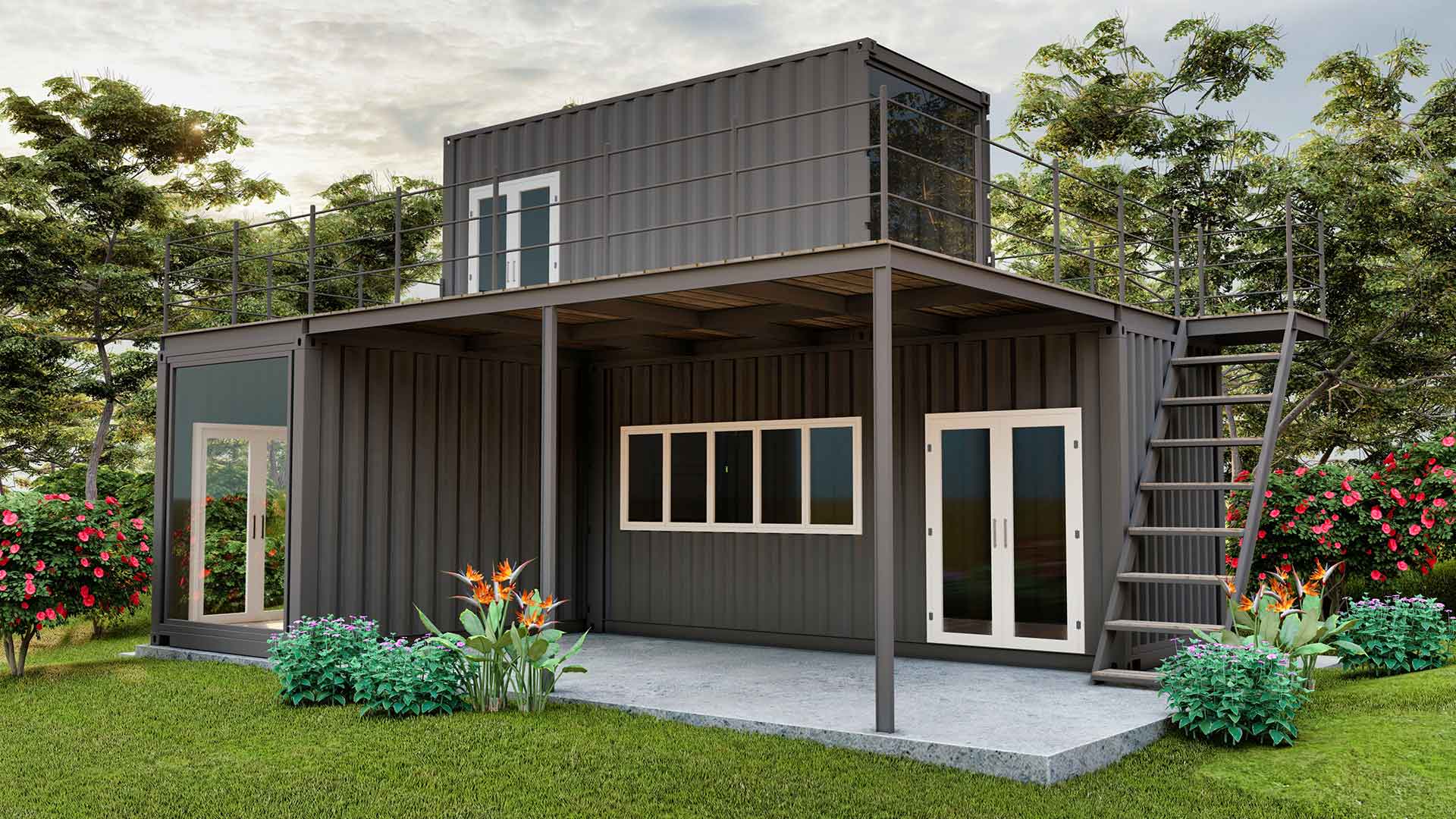
The Financial Blueprint: Why Container Homes are Disrupting the Real Estate Market
To understand the container home movement, one must look at the bottom line. Traditional stick-built construction has become increasingly expensive due to rising labor costs, supply chain volatility for timber, and the slow pace of on-site builds. Container homes offer a “modular” alternative that treats housing more like a manufactured product than a bespoke construction project.
Cost-Efficiency vs. Traditional Construction
The primary financial appeal of a container home lies in its base structure. A standard 20-foot or 40-foot shipping container provides a ready-made, weather-tight shell for a fraction of the cost of framing a traditional house. In many markets, the cost per square foot for a container home ranges from 20% to 30% lower than conventional residential builds. This lower barrier to entry allows first-time investors to enter the real estate market with significantly less capital, or allows seasoned developers to maximize their “yield per acre” by placing multiple units on a single plot of land.
Time is Money: The Speed of Construction
In the world of finance, the time-value of money is a critical metric. Traditional home construction can take anywhere from six months to two years, during which capital is tied up without generating any income. Container homes, however, can be fabricated off-site in a controlled environment while land preparation occurs simultaneously. This “parallel processing” of construction can reduce the move-in or rental-ready timeline to as little as 8 to 12 weeks. For an investor, this means a faster transition from capital outlay to cash flow.
Analyzing the ROI: Container Homes as Income-Generating Assets
From a “Money” niche perspective, a container home is not just a place to live; it is a high-yield asset class. The “Tiny Home” movement, coupled with the rise of experiential travel, has created a lucrative niche for unique architectural stays.
Short-Term Rental Potential (Airbnb and VRBO)
The data from platforms like Airbnb suggests that “unique stays”—which include yurts, treehouses, and container homes—often command higher nightly rates than standard apartments. A container home provides a “story” and an aesthetic that attracts high-value tourists looking for an Instagram-worthy experience. Because the initial investment is lower than a traditional cottage or condo, the “Cap Rate” (Capitalization Rate) is often significantly higher. It is not uncommon for a well-placed container home in a high-demand tourist area to pay for its initial construction costs within three to five years.
Scalability and the Multi-Unit Model
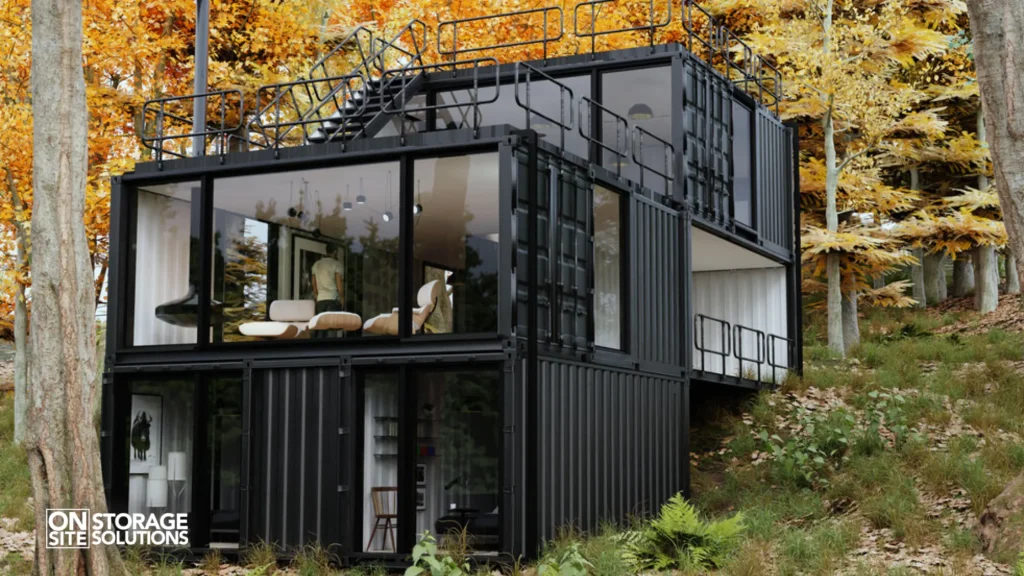
For those looking to build wealth through rental portfolios, container homes offer unparalleled scalability. Because they are modular, they can be stacked or joined to create multi-family dwellings or “container hotels.” This allows an investor to start small with a single 20-foot unit and reinvest the profits into additional units, effectively building a mini-complex with a cohesive brand and lower overhead. The predictability of the container’s dimensions also makes it easier to estimate costs for future expansions, reducing the risk of budget overruns.
Navigating the Hidden Costs and Financial Risks
While the financial upside of container homes is compelling, a professional financial analysis must include a rigorous assessment of risks and “hidden” costs. Entering this market without a clear understanding of these variables can quickly turn a lean investment into a sunk cost.
Permitting, Zoning, and Land Acquisition
The most significant hurdle in container home development isn’t the steel; it’s the bureaucracy. Many municipal zoning laws have not yet caught up with modular housing. An investor may find a “cheap” piece of land only to discover that the cost of bringing utilities (water, sewage, electricity) and obtaining specialized permits for “alternative structures” exceeds the cost of the container itself. Before capital is deployed, it is essential to conduct a feasibility study on local building codes to ensure the project is legally viable.
Financing Challenges: Mortgages for Non-Traditional Structures
Traditional lending institutions are often conservative. Obtaining a standard 30-year fixed-rate mortgage for a container home can be difficult because banks struggle to appraise their value using traditional “comps” (comparable sales). Many container home projects require alternative financing, such as personal loans, construction loans that convert to mortgages, or specialized “green” energy loans. Investors must often have more “skin in the game”—higher down payments—to satisfy the risk appetites of lenders in this niche.
Strategic Tax Advantages and Long-Term Wealth Building
Smart money looks beyond the initial build and considers the long-term tax and maintenance implications. Container homes offer several strategic advantages in this regard, particularly for those focusing on sustainable finance.
Depreciation and Maintenance Costs
From an accounting perspective, container homes can sometimes be classified differently than permanent real estate, depending on their foundation. If the unit is technically “movable,” it may be subject to different depreciation schedules which can offer significant tax shields in the early years of an investment. Furthermore, the inherent durability of Corten steel means that the structural integrity of the home often requires less maintenance than traditional wood-frame houses, which are susceptible to rot, termites, and fire. Lower long-term maintenance costs equate to higher net operating income (NOI) over the life of the asset.
Sustainability as a Financial Hedge
As carbon taxes and energy costs rise, the “green” aspect of container homes becomes a financial hedge. Repurposing a steel container reduces the carbon footprint of the build, which can qualify the owner for various “Green Building” tax credits and incentives. Additionally, the compact nature of container homes makes them inherently more energy-efficient to heat and cool. For the forward-thinking investor, building with sustainability in mind isn’t just an ethical choice; it’s a way to future-proof the asset against rising utility costs and evolving environmental regulations.

Conclusion: Is a Container Home a Sound Investment?
In the final analysis, a container home is a versatile financial tool. For the homeowner, it offers a path to debt-free living and a reduced cost of overhead. For the investor, it provides a high-ROI asset that taps into the growing demand for unique, sustainable, and affordable housing.
However, success in the container home market requires more than just buying a box. It requires a strategic approach to land acquisition, a clear-eyed view of local regulations, and a creative marketing strategy to maximize rental yields. As the housing market continues to face affordability crises, those who can master the economics of modular, container-based living are well-positioned to build significant equity in a rapidly changing world. Whether you are looking to diversify your real estate portfolio or build your first home, the container home represents a modern, efficient, and financially savvy frontier in property ownership.