
The Chef’s Salad is a culinary classic, a hearty and satisfying creation that has graced menus for decades. Its enduring popularity stems from its robust composition, offering a symphony of textures and flavors in every bite. Far from being a simple toss of greens, the Chef’s Salad is a carefully constructed dish, a testament to the art of balance and the bounty of the kitchen.
The Genesis and Evolution of the Chef’s Salad
The origins of the Chef’s Salad are somewhat shrouded in culinary folklore, with several establishments and individuals laying claim to its creation. What is clear, however, is that its emergence in the early to mid-20th century marked a significant development in the evolution of the composed salad. Prior to this, salads were often simpler affairs, often featuring a singular star ingredient. The Chef’s Salad, in contrast, was designed to be a more complex and substantial meal in itself, reflecting a growing appreciation for diverse ingredients and a desire for more filling lunchtime options.
Early American Salad Culture
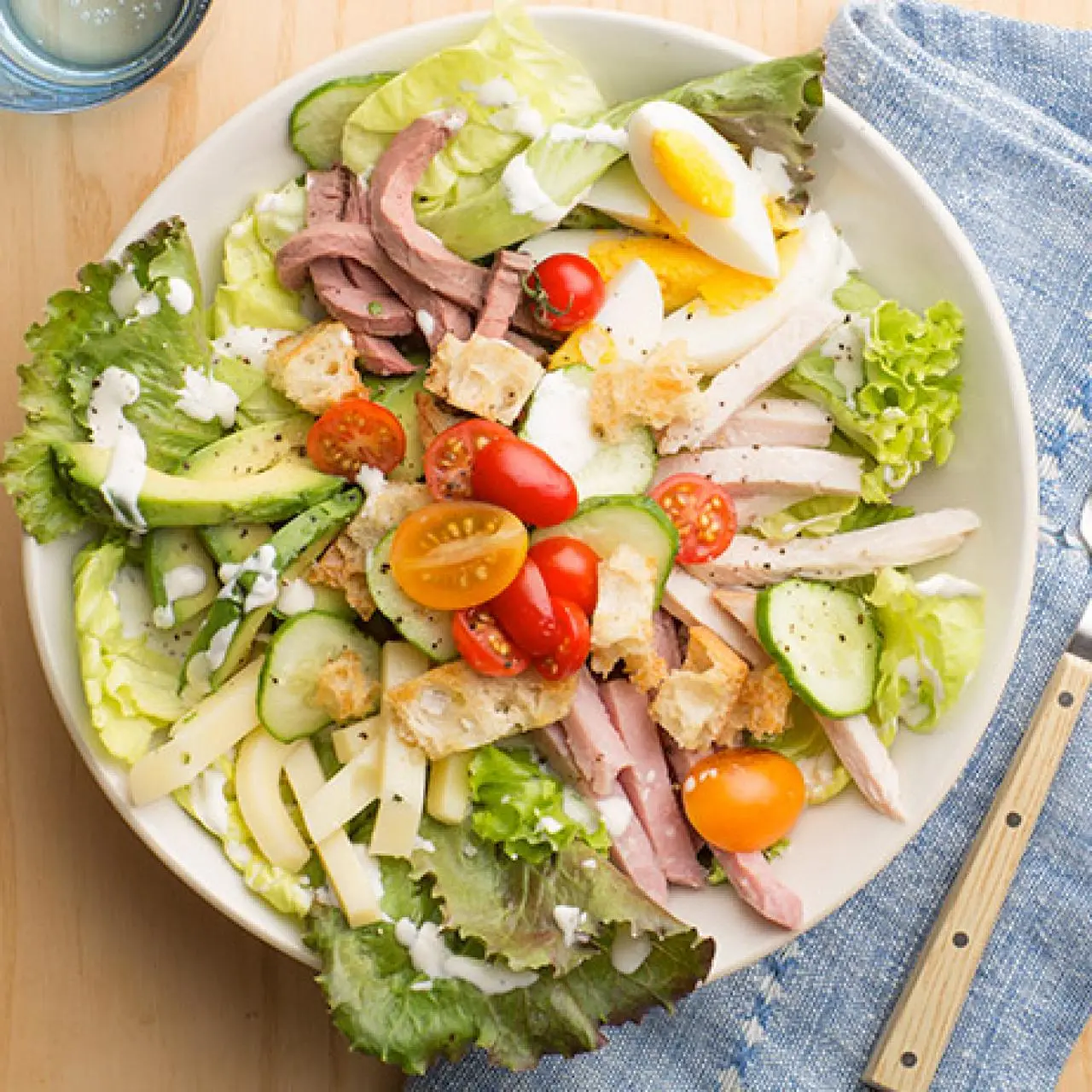
To understand the Chef’s Salad, we must first consider the context of early 20th-century American dining. Salads were gaining traction, moving beyond mere garnishes to become accepted components of a meal. However, they often lacked the protein and substance to stand alone as a main course. The burgeoning hospitality industry, with its demand for innovative and appealing dishes, provided fertile ground for the development of more elaborate salads. The idea of a salad that could be both visually appealing and thoroughly nourishing began to take root.
The “Chef” as Creator
The very name “Chef’s Salad” suggests its genesis. It implies that a culinary professional, a chef, conceptualized and assembled this particular combination of ingredients. This wasn’t a spontaneous backyard barbecue creation, but rather a thoughtful arrangement by someone with an understanding of how different flavors and textures could harmonize. The choice of ingredients, the precision of the cuts, and the overall presentation were all deliberate decisions made by a skilled hand. This elevates the Chef’s Salad beyond a mere assembly of ingredients, positioning it as a deliberate culinary creation.
The Rise of the Composed Salad
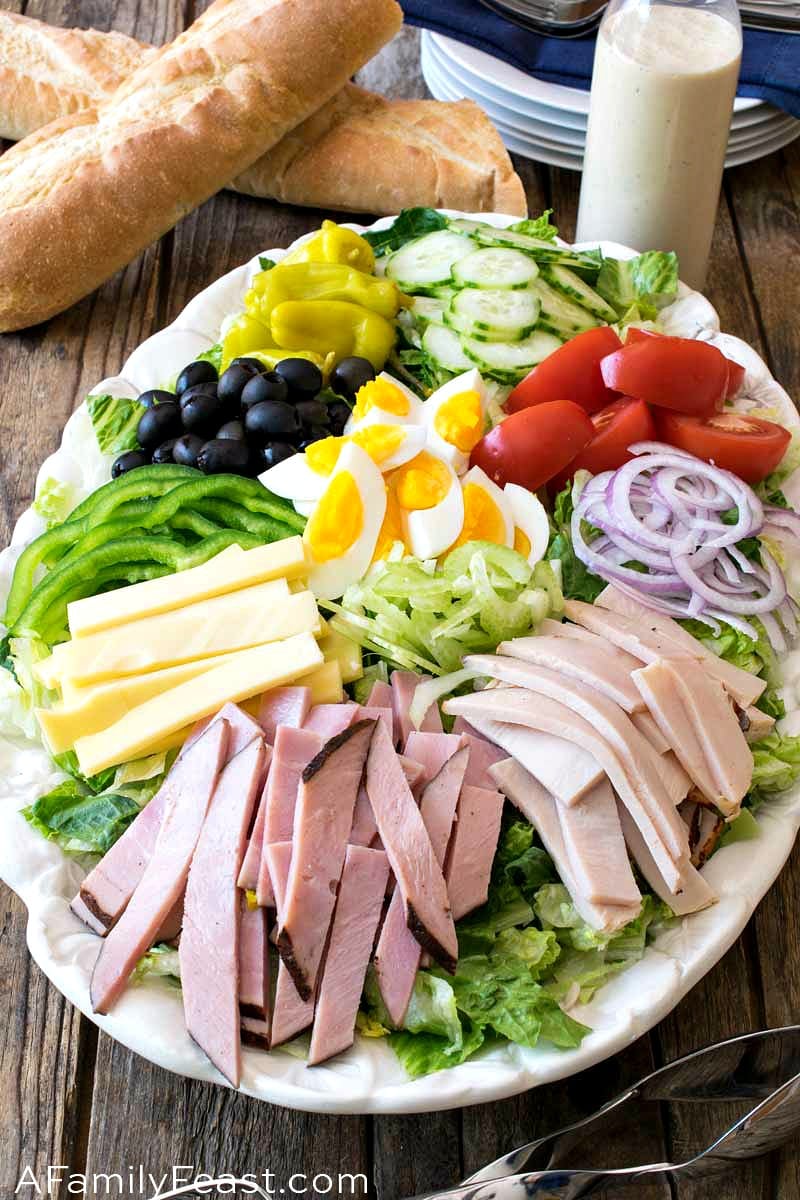
The Chef’s Salad is a prime example of a “composed” salad. Unlike a tossed salad where all ingredients are mixed together, a composed salad involves arranging ingredients artfully on the plate. This allows each component to maintain its individual integrity and visual appeal. The distinct layers and sections of a Chef’s Salad create an engaging dining experience, inviting the diner to explore the different elements before combining them with each bite. This method of preparation also ensures that the dressing is applied in a way that complements, rather than overwhelms, the individual ingredients.
The Quintessential Components of a Chef’s Salad
While variations exist, the classic Chef’s Salad adheres to a specific set of core ingredients that define its identity. These components are not chosen randomly; they are selected for their complementary flavors, textures, and nutritional value, creating a balanced and deeply satisfying dish.
The Foundation: Crisp Greens
The base of any great salad, and the Chef’s Salad is no exception, is its greens. Typically, a mix of crisp and tender lettuces forms the foundation. Romaine lettuce, with its sturdy crunch and slightly bitter notes, is a common choice, providing a substantial base. Iceberg lettuce, known for its refreshing crispness, can also be included, adding a lighter texture. Sometimes, a touch of softer greens like leaf lettuce or even a small amount of spinach might be incorporated to add complexity and visual appeal. The key is a fresh, vibrant base that offers a satisfying crunch with every bite.
The Protein Powerhouses: Meats and Cheeses
The true heart of the Chef’s Salad lies in its generous inclusion of premium proteins. This is where the “meal” aspect of the salad truly shines.
Turkey and Ham: The Classic Duo
The quintessential protein pairing for a Chef’s Salad is thinly sliced roasted turkey and ham. These cured and roasted meats offer distinct but complementary flavors. The turkey, often mild and lean, provides a clean protein base, while the ham, with its slightly saltier and richer profile, adds depth. The thin slicing is crucial, allowing the meats to be easily incorporated into each forkful without being overpowering.
Swiss and Cheddar Cheese: Tangy and Sharp Companions
Accompanying the meats are classic cheeses, typically Swiss and Cheddar. Swiss cheese, with its distinctive nutty flavor and characteristic holes, brings a mild tang and a smooth texture. Sharp Cheddar cheese, on the other hand, offers a bolder, more assertive flavor and a firmer texture. Both are usually cut into julienne strips or small cubes, mirroring the preparation of the meats and ensuring a harmonious integration of flavors and textures.
The Essential Garnish: Eggs and Vegetables
Beyond the primary proteins and cheeses, a Chef’s Salad is adorned with a few key garnishes that add further layers of flavor, texture, and color.
Hard-Boiled Eggs: A Creamy Contrast

Hard-boiled eggs are a non-negotiable element of the classic Chef’s Salad. Typically sliced or quartered, the creamy yolk and firm white of the egg provide a rich, comforting contrast to the other ingredients. They add a valuable source of protein and a smooth texture that balances the crispness of the greens and the chewiness of the meats.
Tomatoes and Cucumbers: Freshness and Acidity
For a burst of freshness and a touch of acidity, ripe tomato wedges and crisp cucumber slices are almost always present. The juicy sweetness of the tomatoes and the cool, refreshing crunch of the cucumbers cut through the richness of the meats and cheeses, brightening the overall flavor profile of the salad. These vibrant additions also contribute to the salad’s appealing visual presentation.
The Dressing: A Tangy Vinaigrette
The final, crucial element that ties all the components together is the dressing. While a creamy dressing like ranch can be used, the traditional and most fitting choice for a Chef’s Salad is a tangy vinaigrette. A classic vinaigrette, made with olive oil, vinegar (such as red wine or white wine vinegar), and seasonings like Dijon mustard, salt, and pepper, provides the perfect acidic counterpoint to the rich ingredients. It enhances the flavors of the meats, cheeses, and vegetables without masking them, creating a cohesive and delicious whole.
Variations and Modern Interpretations
While the classic Chef’s Salad remains a beloved staple, its adaptable nature has led to numerous variations and modern interpretations. Chefs and home cooks alike have embraced the core concept of a substantial, protein-rich composed salad, while introducing new ingredients and flavor profiles to keep it fresh and exciting.
Regional Twists and Ingredient Swaps
Across different regions and culinary traditions, the Chef’s Salad has undergone subtle transformations. In some areas, for instance, a different assortment of cured meats might be favored, such as salami or prosciutto, offering a more Italian-inspired flavor profile. Similarly, the cheese selection can be broadened to include gouda, provolone, or even a sharp blue cheese for those with a more adventurous palate. The inclusion of pickled elements, such as pickled onions or radishes, can also add a welcome tang and a contrasting crunch.
The “Healthy” Chef’s Salad
In response to evolving dietary trends, the Chef’s Salad has also been adapted to cater to health-conscious diners. This often involves using leaner protein sources, such as grilled chicken breast or even firm tofu for a vegetarian option. The amount of cheese might be reduced, and a lighter, homemade vinaigrette with less oil can be employed. Furthermore, the green base might be expanded to include more nutrient-dense options like kale or arugula, boosting the salad’s vitamin and mineral content.
The Vegetarian and Vegan Chef’s Salad
The concept of a substantial, composed salad is also easily translatable to vegetarian and vegan diets. A “Vegetarian Chef’s Salad” might feature grilled halloumi cheese, roasted vegetables like bell peppers and zucchini, and hearty legumes such as chickpeas or lentils as its protein sources. For a vegan rendition, plant-based proteins like marinated and grilled tofu or tempeh, alongside a generous assortment of colorful vegetables, nuts, and seeds, can create a similarly satisfying and flavorful dish. The dressing can be easily adapted with an oil-based vinaigrette.
The Enduring Appeal of the Chef’s Salad
The Chef’s Salad has transcended its initial role as a simple lunchtime meal to become a culinary icon. Its enduring appeal lies in its inherent versatility, its satisfying heartiness, and its ability to cater to a wide range of tastes and dietary preferences. It’s a testament to the power of a well-balanced composition, where each ingredient plays a vital role in creating a harmonious and delicious whole.
A Complete Meal in a Bowl
One of the primary reasons for the Chef’s Salad’s lasting popularity is its ability to function as a complete meal. The generous inclusion of multiple protein sources, combined with fresh vegetables and a flavorful dressing, provides a satisfying and nutritionally balanced option that doesn’t require additional side dishes. This makes it an ideal choice for busy individuals seeking a quick yet substantial lunch or a lighter dinner.
Customization and Personalization
The Chef’s Salad also excels in its adaptability. While the classic formulation is well-loved, it serves as a robust template for personalization. Whether you prefer a richer cheese, a different type of meat, or an added crunch from croutons or nuts, the Chef’s Salad can be easily tweaked to suit individual preferences. This inherent flexibility ensures that the salad remains engaging and can be enjoyed in countless ways, preventing culinary monotony.
A Celebration of Classic Flavors
At its core, the Chef’s Salad is a celebration of classic, comforting flavors. The savory notes of cured meats, the sharp tang of cheese, the creamy richness of egg, and the crisp freshness of vegetables all combine to create a familiar and deeply satisfying taste experience. It’s a dish that evokes a sense of nostalgia for many, reminding them of classic diners, family gatherings, and simpler times. This emotional connection, coupled with its delicious taste, solidifies its place in the culinary landscape.
The Art of Composed Presentation
Beyond its taste and substance, the visual appeal of a well-prepared Chef’s Salad cannot be understated. The artful arrangement of distinct ingredients, creating a visually appealing mosaic of colors and textures, enhances the dining experience. This composed presentation elevates the salad from a mere mixture of ingredients to a thoughtfully crafted dish, making it as pleasing to the eye as it is to the palate. It’s a dish that invites you to explore its components, appreciate the individual elements, and savor the delightful interplay of flavors and textures with every forkful.