
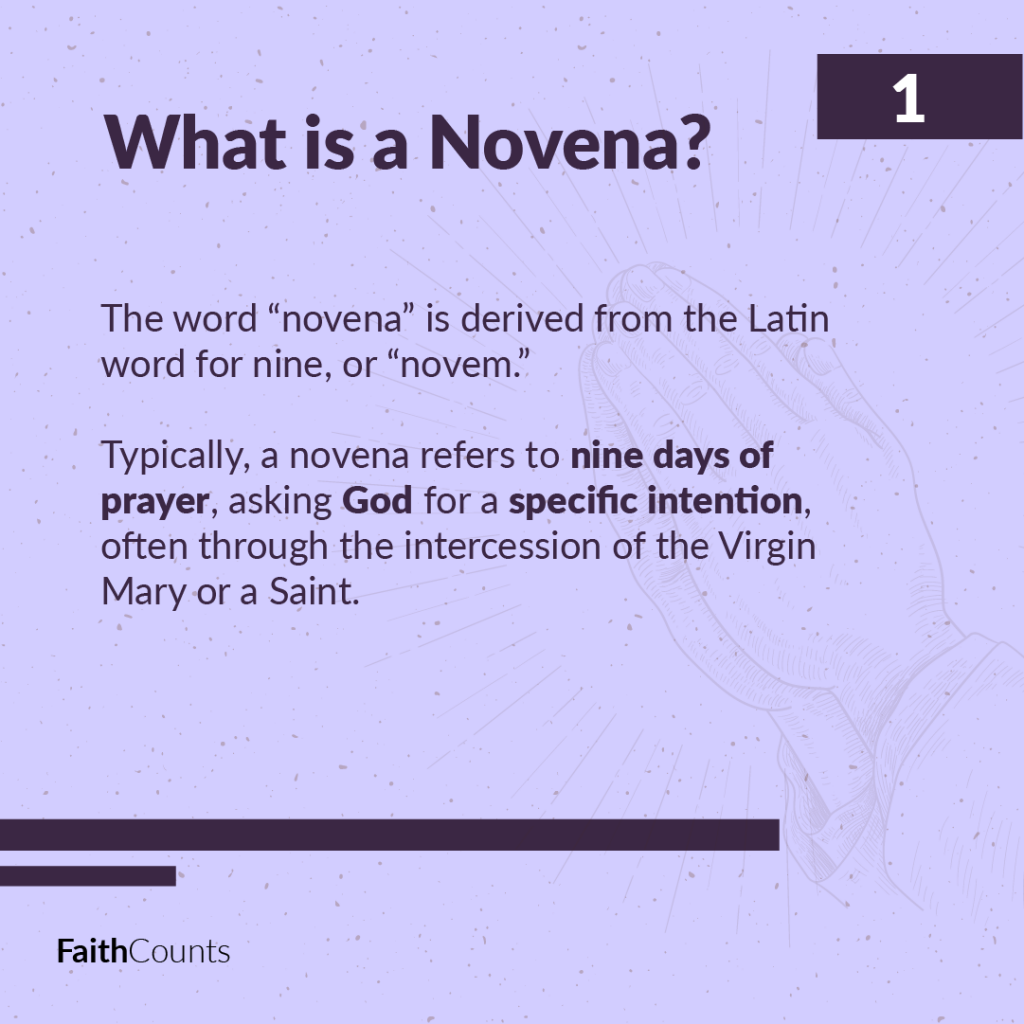
The concept of a “novena” is deeply embedded within the rich spiritual tradition of Catholicism, representing a specific form of prayer that has been practiced for centuries. While the term itself might sound arcane to some, its essence is quite straightforward: a novena is a series of prayers or petitions recited for nine consecutive days, typically with a specific intention or for a particular feast day. This practice is not merely a rote recitation of words; it is a structured period of devoted prayer, intended to foster a deeper connection with God, the Blessed Virgin Mary, or the saints, and to seek their intercession in a time of need or for a significant grace. Understanding the origins, structure, and significance of novenas can offer valuable insights into Catholic devotional life and its enduring appeal.
The Historical Roots and Theological Underpinnings of the Novena
The practice of reciting prayers for a specific period, culminating in a significant event or intention, has ancient roots that predate Christianity itself. However, within the Catholic Church, the nine-day structure of the novena has a specific theological and historical basis, often linked to significant events in salvation history.
Tracing the Origins to Ancient Practices and Scriptural Echoes
The concept of a nine-day period of prayer is not explicitly codified in Scripture in the same way as other sacraments or doctrines. However, the number nine itself carries symbolic weight in biblical contexts, often representing completion, gestation, or a period of waiting before a significant manifestation. For instance, the traditional understanding of the period between Jesus’ Ascension into heaven and the descent of the Holy Spirit upon the Apostles at Pentecost is fifty days, divided into seven weeks, with the novena of prayer in preparation for the Holy Spirit being a significant devotional practice. This period of waiting and fervent prayer is seen as a precursor to the outpouring of divine grace.
Furthermore, some scholars suggest that the practice may have roots in ancient Roman customs, where nine days of mourning (the triduum novenale) were observed after a death, culminating in a final farewell. This idea of a period of sustained prayer or commemoration before a significant outcome can be seen as a pre-Christian parallel that may have influenced early Christian devotional practices.
Theological Significance: Seeking Divine Intercession and Spiritual Growth
Theological justifications for novenas are rooted in the Catholic understanding of prayer, intercession, and the communion of saints.
The Power of Persistent Prayer and Trust in God’s Providence
At its core, a novena is an exercise in persistent prayer, reflecting the biblical admonition to “ask, and it will be given to you; seek, and you will find; knock, and it will be opened to you” (Matthew 7:7). The nine-day duration is not a magical formula but a deliberate commitment to sustained petition, demonstrating faith and trust in God’s willingness to hear and respond to the prayers of His faithful. It signifies a deep-seated belief that God, in His infinite love and providence, desires to grant good things to His children.
The Role of the Saints and the Blessed Virgin Mary as Intercessors
A significant aspect of many Catholic novenas involves the intercession of the Blessed Virgin Mary or various saints. Catholics believe that the saints, now in heaven, are close to God and can pray for us. This doctrine of the communion of saints means that there is a spiritual solidarity between the Church on earth and the Church triumphant in heaven. By praying a novena to a particular saint, a devotee is asking that saint to join their prayer and present their intentions to God. Similarly, novenas to Mary are particularly popular due to her unique role as the Mother of God and her profound love for humanity. Her intercession is considered exceptionally powerful, as she is seen as a compassionate advocate for those on earth.
The Structure and Practice of Reciting a Novena
While the core principle of a nine-day prayer cycle remains constant, the specific structure and content of a novena can vary, offering flexibility and personalization within a devotional framework.
Components of a Typical Novena Prayer
Most novenas are structured to include a combination of prayers, meditations, and reflections, often tailored to the specific intention or saint being invoked.
Daily Prayers and Petitions
Each day of a novena typically involves a set of prayers. This can include the Our Father, the Hail Mary, the Glory Be, or specific prayers dedicated to the saint or intention of the novena. For example, a novena to St. Jude, the patron saint of lost causes, might include prayers invoking his patronage and asking for his intercession in difficult situations. The repetition of these prayers over nine days reinforces the intention and helps to cultivate a prayerful disposition.
Scriptural Readings and Meditations
Many novenas incorporate daily scripture readings or reflections that are relevant to the theme of the novena. These passages serve to deepen understanding of the faith and to connect the prayed intentions with God’s Word. Meditations might focus on the life, virtues, or specific teachings of the saint to whom the novena is directed, encouraging imitation and spiritual growth.
Specific Intentions and Thanksgiving

A crucial element of any novena is the explicit articulation of intentions. Before or during the prayer, the individual or group will offer their specific needs, concerns, or thanksgiving to God. This personalizes the novena and ensures that the prayer is directed towards concrete aspects of life. It is also common to include prayers of thanksgiving, acknowledging God’s blessings even before the desired outcome is realized, fostering a spirit of gratitude.
Variations in Novena Practices and Adaptations
While the nine-day structure is a defining characteristic, the Catholic Church offers a variety of novena forms, catering to different needs and preferences.
Traditional and Modern Novena Formats
Traditionally, novenas were often recited communally in churches or in homes, with printed prayer books guiding the devotion. Today, this communal practice continues, but there has also been a significant rise in digitally-accessible novenas. Many Catholic websites, apps, and social media platforms now offer daily novena prayers, reflections, and even opportunities to join virtual novena groups. This adaptation allows for greater accessibility and can be particularly beneficial for individuals who are homebound or live in areas with limited access to regular church services.
The “Running Novena” and Other Adaptations
Beyond the standard nine-day cycle, some devotional practices have emerged that are sometimes referred to as “running novenas” or other adaptations. These might involve praying a novena repeatedly for a longer duration or incorporating novena prayers into other devotional practices. While these may not adhere to the strict historical definition, they often stem from a genuine desire for sustained prayer and can be a meaningful way for individuals to deepen their prayer life. The key is the spirit of consistent petition and reliance on God’s grace.
The Spiritual and Practical Benefits of Praying a Novena
The practice of reciting a novena offers a wealth of spiritual enrichment and can provide tangible support in navigating life’s challenges.
Fostering Spiritual Growth and Personal Transformation
The sustained prayer and focus inherent in a novena contribute significantly to an individual’s spiritual development.
Cultivating Patience, Perseverance, and Faith
The nine-day commitment requires patience and perseverance. In a world accustomed to instant gratification, a novena teaches the virtue of waiting and trusting in God’s timing. It is an act of faith, believing that God hears and will answer, even if the answer is not immediately apparent or in the form we expect. This process of sustained prayer can strengthen one’s overall faith and reliance on divine providence.
Deepening one’s Relationship with God and the Saints
By dedicating specific time each day to prayer and reflection, individuals can experience a profound deepening of their relationship with God. The act of presenting intentions, meditating on scripture, and seeking the intercession of Mary or the saints creates a more intimate connection. It is a time set aside to actively listen for God’s voice, to discern His will, and to grow in love and understanding of His divine plan.
Seeking Guidance and Strength During Life’s Challenges
Novenas are often undertaken during times of significant need, offering a structured approach to seeking divine assistance.
Petitioning for Specific Needs and Graces
Whether facing a difficult decision, a health crisis, financial hardship, or a desire for spiritual renewal, individuals often turn to novenas to petition God for specific graces and interventions. The focused intention, coupled with the collective prayers of the Church (if prayed communally), can be a powerful source of hope and comfort.
Finding Consolation, Peace, and Direction
The act of entrusting one’s concerns to God through prayer can bring a profound sense of peace and consolation, even before the outcome is known. The spiritual discipline of a novena can quiet anxieties, foster a sense of hope, and help individuals to find clarity and direction amidst uncertainty. It is a tangible way to manifest one’s faith and to actively engage with the spiritual dimension of life’s challenges.

Conclusion: The Enduring Relevance of the Catholic Novena
In conclusion, the Catholic novena stands as a testament to the enduring power of prayer and the deep-seated human desire to connect with the divine. Its origins are rooted in ancient practices and biblical symbolism, and its theological underpinnings are firmly established within Catholic doctrine, emphasizing persistent petition and the intercession of the saints. The structured yet flexible nature of novena practice allows for both individual devotion and communal participation, adapting to the rhythms of modern life while retaining its spiritual efficacy. Ultimately, the benefits of praying a novena extend far beyond the immediate intention, fostering spiritual growth, cultivating virtues like patience and faith, and providing a steadfast source of strength, guidance, and consolation in the journey of life. The novena remains a vibrant and accessible tool for Catholics seeking to deepen their spiritual lives and to experience the transformative power of God’s grace.
aViewFromTheCave is a participant in the Amazon Services LLC Associates Program, an affiliate advertising program designed to provide a means for sites to earn advertising fees by advertising and linking to Amazon.com. Amazon, the Amazon logo, AmazonSupply, and the AmazonSupply logo are trademarks of Amazon.com, Inc. or its affiliates. As an Amazon Associate we earn affiliate commissions from qualifying purchases.