
In the modern era of global connectivity, the definition of a “carry-on” has undergone a radical transformation. Once viewed simply as a compact vessel for clothing and toiletries, the carry-on has evolved into a sophisticated piece of travel hardware. For the tech-savvy professional, the digital nomad, and the gear enthusiast, a carry-on is no longer just luggage; it is a mobile docking station, a secure vault for expensive electronics, and a critical component of one’s personal tech ecosystem.
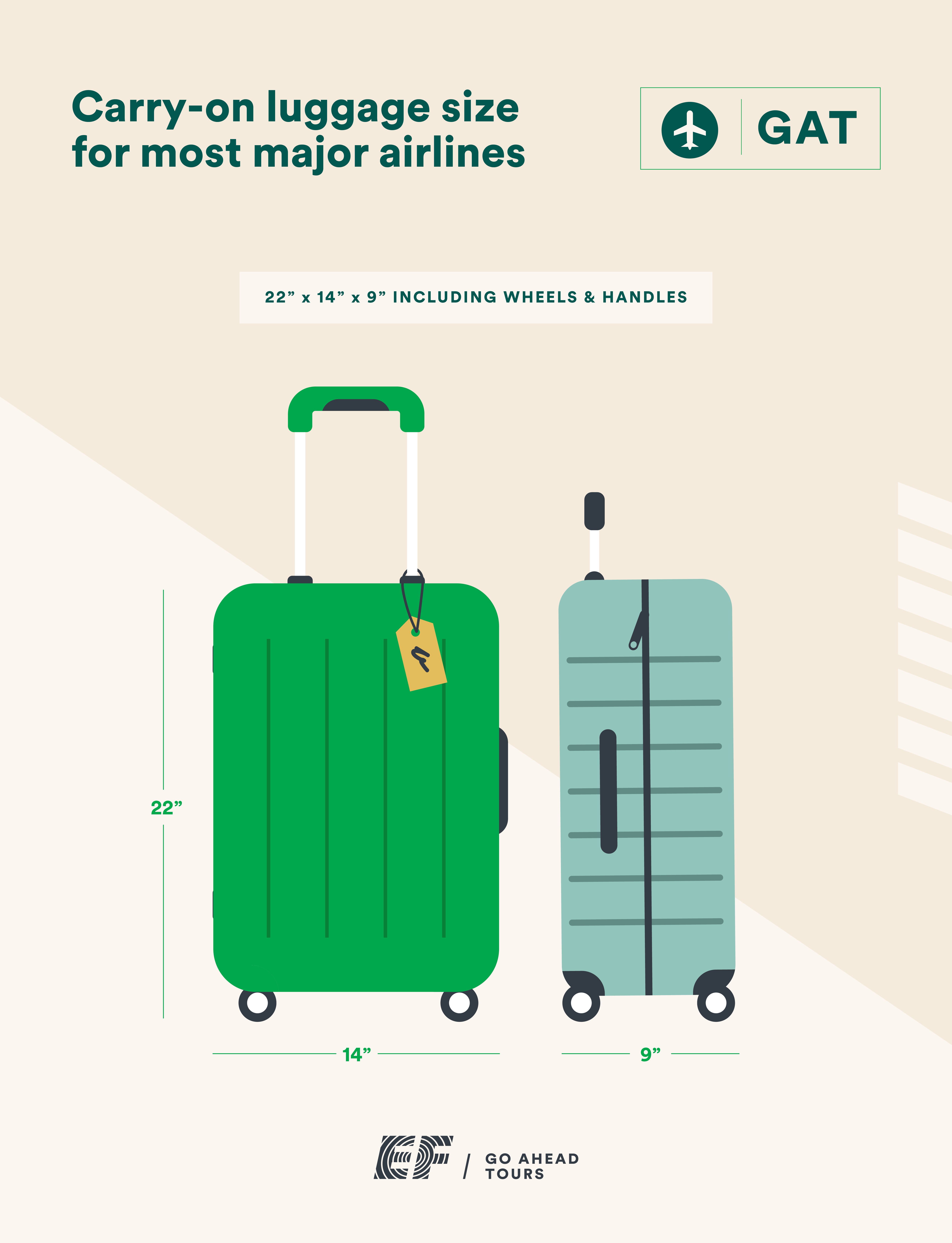
To understand what a carry-on is today, we must look beyond the dimensions enforced by airlines and examine the engineering, materials science, and integrated technologies that define the modern travel experience.
Redefining the Carry-On: From Canvas Bags to High-Tech Mobility Solutions
At its most basic level, a carry-on is a piece of luggage designed to be kept in the aircraft cabin rather than the cargo hold. However, in the context of modern technology, the “what” of a carry-on is defined by its ability to protect and facilitate the use of our digital tools. The shift from soft-sided duffels to hard-shell, high-performance enclosures marks the first major technological leap in this category.
The Rise of Advanced Materials Science
The primary function of a modern carry-on is the protection of hardware. Today’s premium carry-ons utilize aerospace-grade materials such as Makrolon polycarbonate, aeronautical-grade aluminum, and carbon fiber. These materials are selected not just for their aesthetic appeal, but for their strength-to-weight ratios. Polycarbonate, for instance, is engineered to flex under pressure and return to its original shape, providing a kinetic buffer for laptops, tablets, and cameras stored within.
Optimization for the Digital Workflow
A carry-on is now designed around the “tech stack” of the traveler. Unlike legacy luggage, modern tech-focused carry-ons feature dedicated, padded compartments specifically calibrated for 13-inch to 16-inch laptops. These compartments are often external-facing or equipped with “quick-access” mechanisms, allowing travelers to clear security checkpoints or resume work during a layover without disrupting the internal organization of the bag.
The Anatomy of a Modern Smart Carry-On
As we move deeper into the 2020s, the “smart carry-on” has emerged as a distinct category within the Internet of Things (IoT) landscape. A carry-on is now an active device, capable of providing power, data, and security.
Integrated Power Solutions
One of the most significant technological additions to the carry-on is the integrated power bank. Modern carry-ons often feature built-in lithium-ion battery housing with external USB-C and USB-A ports. This transforms the luggage into a portable charging station, solving the “power anxiety” prevalent in crowded airports. High-end models now support Power Delivery (PD) standards, capable of charging not just smartphones, but high-drain devices like MacBooks and iPads.
Digital Biometric and Smart Security
The traditional padlocks of the past are being replaced by sophisticated electronic security measures. Many high-tech carry-ons now feature TSA-approved biometric fingerprint scanners, allowing for keyless access. Furthermore, Bluetooth-enabled proximity alarms are becoming standard. These systems sync with a smartphone app, alerting the owner if the luggage moves beyond a certain radius, effectively acting as a digital tether.
Global Tracking and Connectivity
Losing a carry-on containing thousands of dollars in tech equipment is a nightmare scenario. Consequently, the definition of a carry-on now includes location-tracking capabilities. While some manufacturers integrate proprietary GPS modules with cellular connectivity, others have designed dedicated internal pockets for Airtags or Tile trackers. This integration allows for real-time monitoring of the luggage’s coordinates via global Find My networks, ensuring that the hardware is never truly “lost.”
The Impact of Airline Tech Regulations on Luggage Design
The evolution of the carry-on is not just driven by innovation but also by the regulatory environment. Technology and safety standards, particularly those involving batteries, have shaped the physical architecture of modern luggage.
The FAA and EASA Battery Dilemma
In late 2017, major airlines began banning “smart bags” with non-removable lithium-ion batteries due to fire safety concerns in the cabin and cargo hold. This regulatory shift forced a massive redesign in the tech-luggage industry. Today, a “true” smart carry-on must feature a “one-click” removable battery system. This design allows the traveler to quickly pop the battery out if the bag needs to be gate-checked, demonstrating how tech regulations directly dictate industrial design.
Weight Sensors and Digital Precision
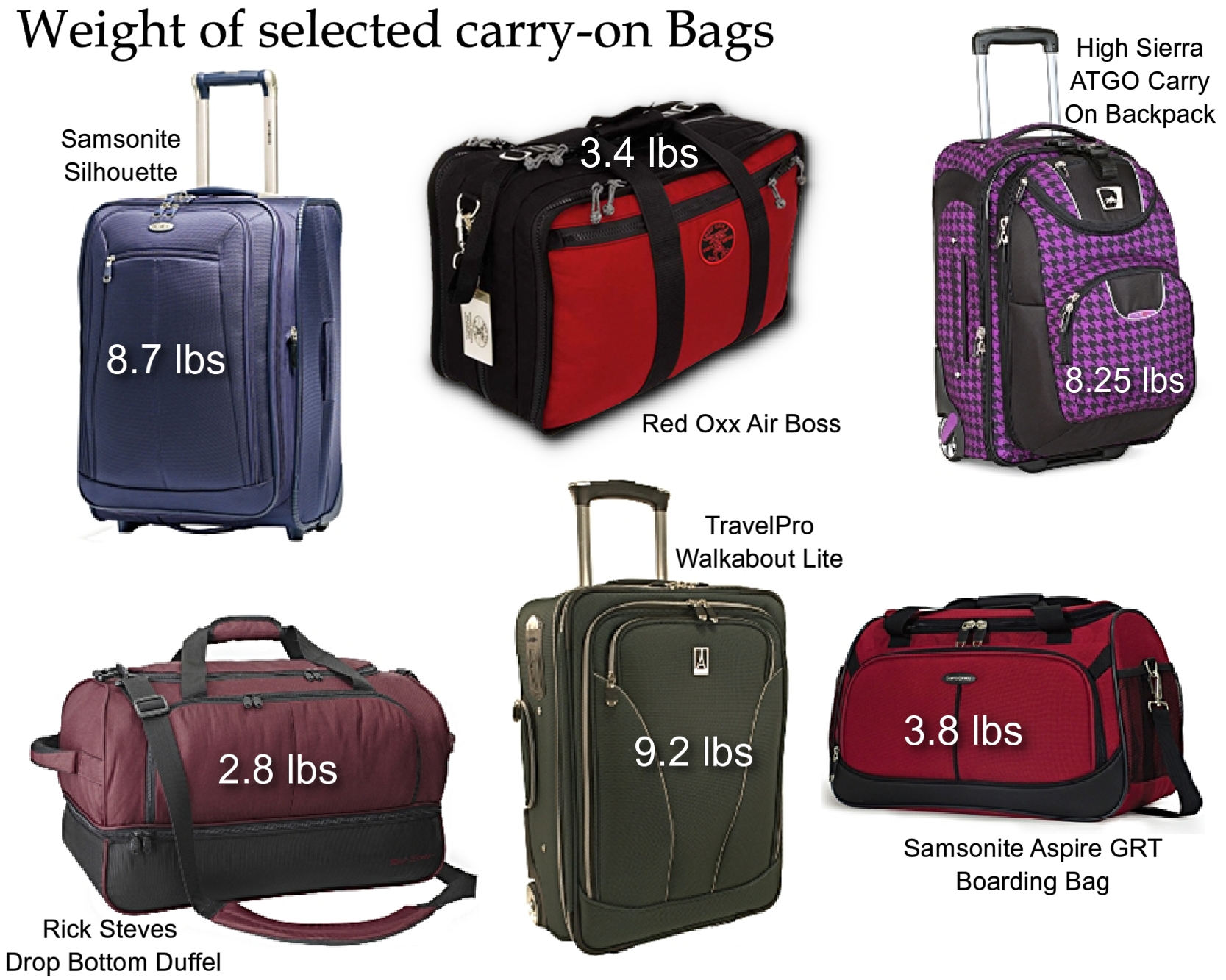
Airlines are increasingly strict about weight limits for carry-on items. To combat this, tech-focused luggage brands have integrated digital weight sensors into the handle of the bag. By lifting the carry-on, an onboard LCD screen or a synced smartphone app displays the exact weight. This use of strain-gauge technology ensures that travelers can optimize their gear loadout without the risk of being forced to check their sensitive electronics at the gate.
Standardization and IATA Guidelines
The International Air Transport Association (IATA) provides guidelines that influence the dimensions of a carry-on. Tech manufacturers must work within these rigid constraints while maximizing internal volume for gadgets. This has led to the development of “space-optimized” interiors, using vacuum-compression technology and ultra-thin shell walls, proving that the modern carry-on is a feat of precision engineering.
Software Integration: The Ecosystem of the Tech-Savvy Traveler
A carry-on is no longer a “dumb” object; it is increasingly a node in a larger digital ecosystem. The hardware is supported by software that enhances the travel experience and streamlines logistics.
Companion Apps and Firmware Updates
Leading smart luggage brands offer dedicated apps that serve as a control center for the bag. These apps allow users to check battery levels, lock or unlock the suitcase remotely, and view a history of the bag’s location. In some advanced cases, the luggage hardware can even receive firmware updates to improve battery management or security protocols, much like a smartphone or a smart home device.
Digital Packing Lists and Inventory Management
Some tech-integrated carry-ons are experimenting with RFID (Radio Frequency Identification) tags. By tagging individual pieces of gear—such as a camera body, a drone, or a specific lens—the carry-on’s internal sensors can “inventory” the bag. A quick check of the app can confirm that every essential piece of tech is inside the bag before the traveler leaves for the airport, reducing the risk of leaving critical components behind.
NFC and Contactless Interaction
Near Field Communication (NFC) is being integrated into the exterior of carry-on shells. This allows a traveler to tap their phone against the bag to instantly open a digital business card, access travel itineraries, or initiate a customer support chat with the luggage manufacturer. It is a seamless bridge between the physical object and the digital services the traveler relies on.
The Future of Carry-On Tech: Robotics and AI
Looking forward, the definition of a carry-on will likely expand to include autonomous capabilities. We are already seeing the first generation of “robot suitcases” that use AI and computer vision to follow their owners through the terminal.
Autonomous Following and Obstacle Avoidance
Using a combination of ultrasonic sensors, LIDAR, and camera-based “follow-me” technology, the next generation of carry-ons eliminates the need to pull a bag entirely. These units use complex algorithms to navigate through crowded environments, maintaining a set distance from the user while avoiding pedestrians and obstacles. This represents the ultimate convergence of travel gear and robotics.
Predictive Packing and AI Assistance
As AI becomes more integrated into our daily lives, we can expect carry-on ecosystems to offer predictive packing advice. By analyzing the user’s calendar, the weather at the destination, and the duration of the trip, an AI assistant could suggest the optimal configuration of tech gear and accessories, ensuring that the traveler has exactly what they need for their specific professional requirements.

Conclusion: The Carry-On as an Essential Tech Asset
So, what is a carry-on? In the context of today’s technological landscape, it is much more than a box with wheels. It is a sophisticated, engineered enclosure designed to protect, power, and track the digital tools that define modern life. From the materials science of its shell to the software that monitors its location, the carry-on has become an indispensable piece of technology in its own right.
As we move toward a future of autonomous movement and deeper AI integration, the carry-on will continue to evolve, staying at the forefront of the intersection between physical mobility and digital necessity. For the professional traveler, choosing a carry-on is no longer a matter of style—it is a critical decision in building a high-performance mobile tech stack.
aViewFromTheCave is a participant in the Amazon Services LLC Associates Program, an affiliate advertising program designed to provide a means for sites to earn advertising fees by advertising and linking to Amazon.com. Amazon, the Amazon logo, AmazonSupply, and the AmazonSupply logo are trademarks of Amazon.com, Inc. or its affiliates. As an Amazon Associate we earn affiliate commissions from qualifying purchases.