
The term “calico cat” often conjures images of a distinctive patchwork of colors, a vibrant mosaic adorning a feline companion. However, when delving into the world of cat genetics and nomenclature, the question arises: is “calico” a breed in the traditional sense? The answer, for those seeking a definitive, pedigreed lineage, is nuanced. While not a breed recognized by major cat registries like the Cat Fanciers’ Association (CFA) or The International Cat Association (TICA), the calico pattern represents a powerful and instantly recognizable “brand” within the feline world. This unique visual identity, rooted in genetic phenomena, has allowed calico cats to carve out a distinct niche in popular culture and pet ownership, transcending the need for formal breed classification.
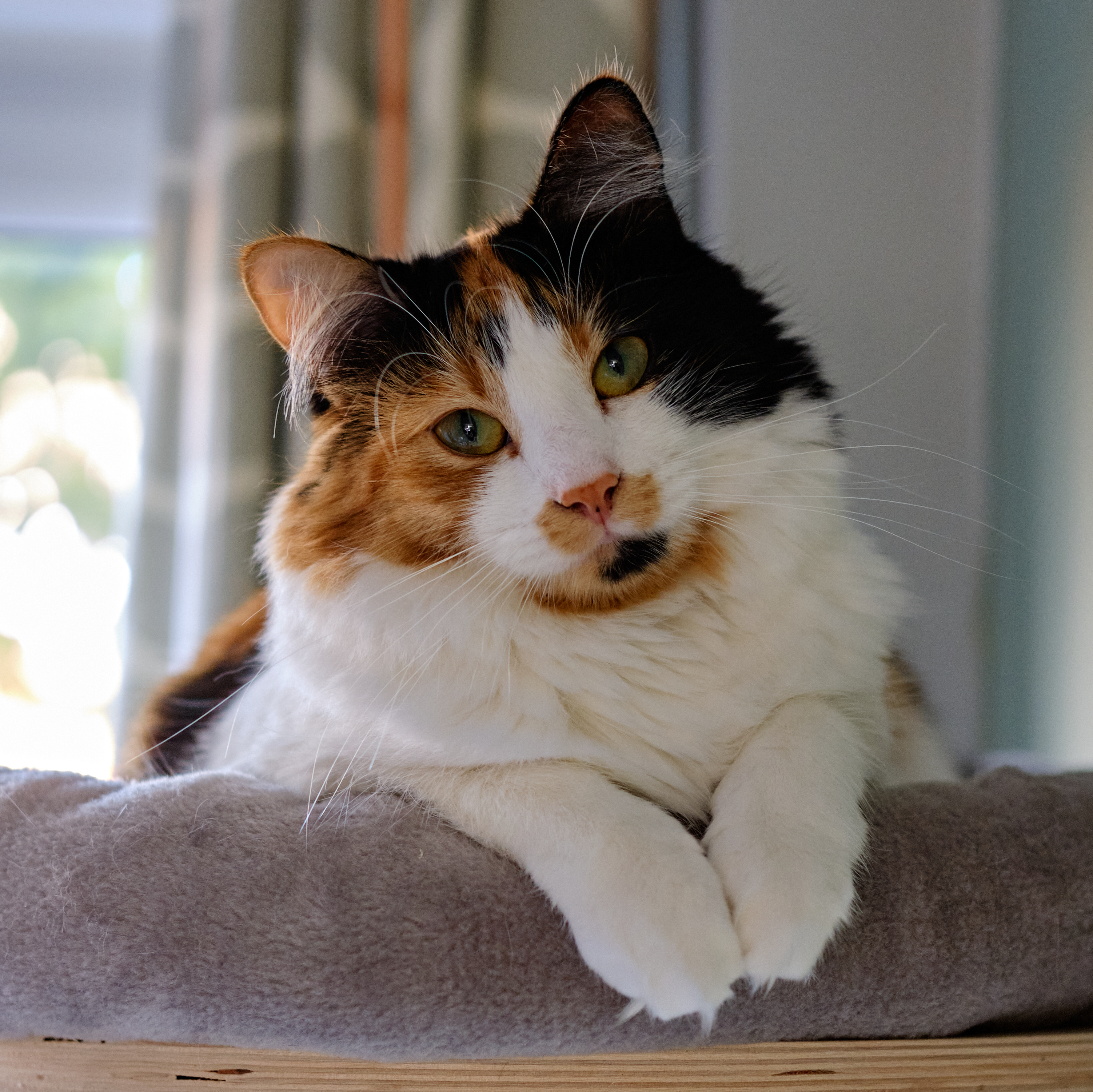
The fascination with calico cats lies in their inherent uniqueness, a quality that brands strive to cultivate. Their distinctive coloring isn’t a result of selective breeding for specific temperaments or physical traits, but rather a fascinating quirk of genetics, primarily linked to sex chromosomes. This genetic origin story further enhances their allure, presenting them not just as pets, but as living embodiments of biological marvels. Understanding the genetic underpinnings of the calico pattern is key to appreciating why it stands out, why it’s so sought after, and how this inherent visual signature functions as a powerful, albeit informal, brand.
The Genetic Canvas: Understanding the Calico’s Distinctive “Brand”
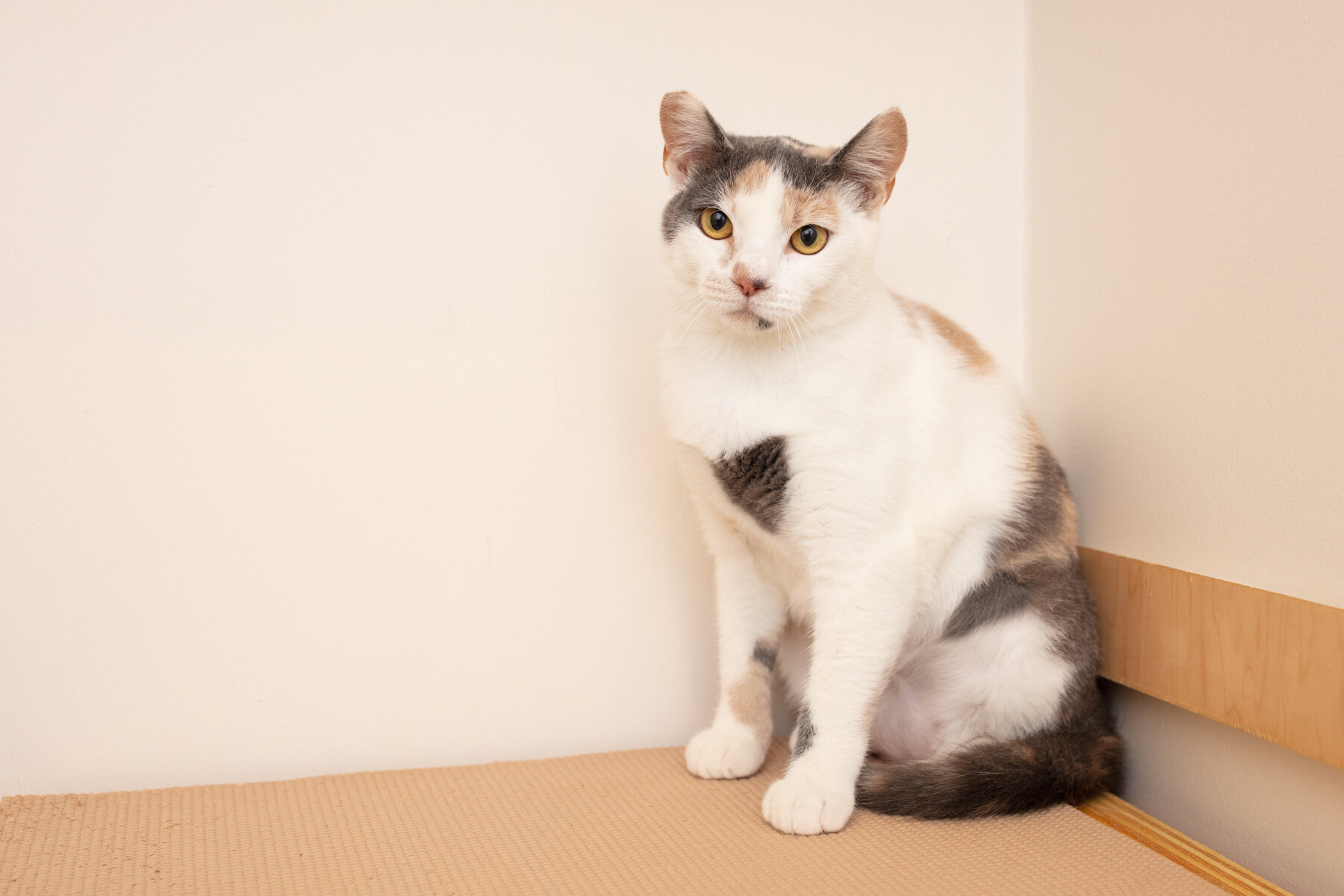
The captivating tri-coloration of calico cats – typically white, black, and orange or cream and grey – is a direct consequence of a specific genetic mechanism. This isn’t a deliberate choice by breeders to create a specific look, but rather a natural phenomenon that results in a striking and consistent visual signature. This inherent visual distinctiveness is precisely what allows the “calico” to function as a powerful, albeit informal, brand. When people think of calico cats, they instantly visualize this characteristic pattern, creating an immediate association and recognition.
The Role of X Chromosomes in Color Expression
The key to understanding the calico’s genetic “brand” lies in the X chromosome. In mammals, females have two X chromosomes (XX), while males have one X and one Y chromosome (XY). The genes responsible for orange and black fur coloration are located on the X chromosome. Crucially, these genes are mutually exclusive; an X chromosome can carry the gene for orange fur OR the gene for black fur, but not both.
For a cat to exhibit both orange and black (or their diluted versions, cream and grey) in its coat, it needs to possess both of these X-linked color genes. This is where the XX chromosome configuration of female cats becomes paramount. A female cat can inherit one X chromosome carrying the orange gene and another X chromosome carrying the black gene. During embryonic development, a process called X-inactivation occurs. In each cell, one of the two X chromosomes is randomly deactivated. This random deactivation is what leads to the mosaic pattern of coloration.
In patches where the X chromosome carrying the orange gene remains active, the fur will be orange. In patches where the X chromosome carrying the black gene remains active, the fur will be black. The white patches, common in many calico cats, are due to a separate gene called the piebald spotting gene, which causes areas of the coat to be devoid of pigment. This interplay of X-inactivation and spotting genes creates the characteristic random distribution of colors that defines the calico’s visual brand.
The Rarity of Male Calicos: Enhancing the Brand’s Exclusivity
The genetic basis for the calico pattern also explains why male calico cats are exceedingly rare. For a male cat to be calico, he would need to possess two X chromosomes and one Y chromosome (XXY). This chromosomal abnormality, known as Klinefelter syndrome in humans, is rare in cats and often results in sterility. The rarity of male calicos further amplifies their unique “brand” appeal. Their scarcity makes them stand out even more, contributing to a sense of specialness and desirability. This exclusivity, akin to limited edition releases in product branding, enhances their perceived value and distinctiveness in the eyes of cat enthusiasts. The “male calico” becomes a collector’s item, a conversation starter, and a symbol of exceptional genetic fortune, solidifying its place as a highly coveted, if unintentional, brand.
The Calico’s “Brand” Identity: Beyond Breed Standards
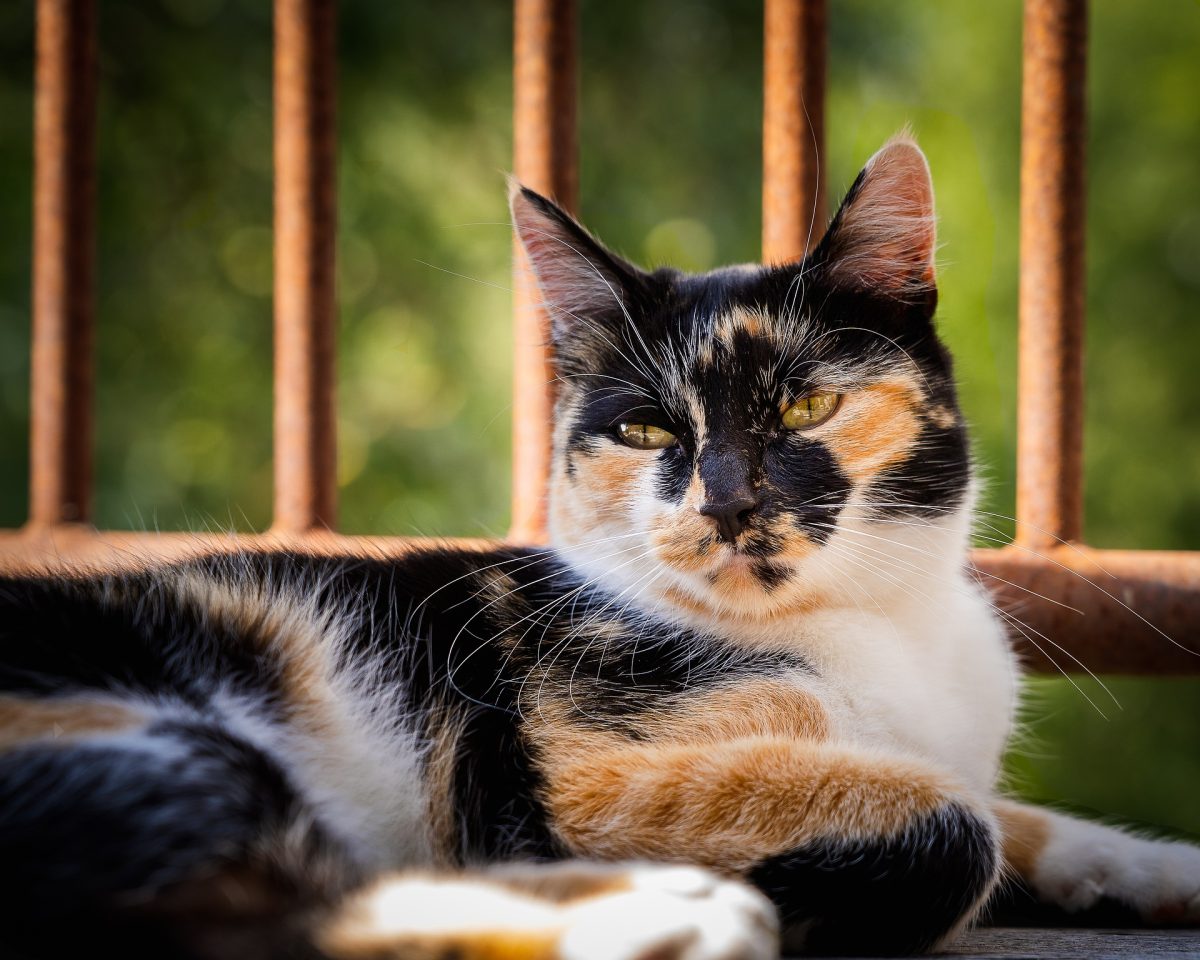
While not a breed defined by breed standards or pedigrees, the calico cat has cultivated an incredibly strong and universally recognized “brand” identity. This identity is not built on a lineage of performance or specific physical attributes, but rather on its undeniable visual appeal and the positive associations it evokes. This is a brand built on intrinsic characteristics, marketed by nature itself.
Visual Recognition: An Instantaneous Brand Identifier
The most significant aspect of the calico’s brand is its immediate visual recognition. Unlike many purebred cat breeds that require a keen eye for subtle differences in head shape, ear set, or body conformation, the calico’s tri-color pattern is unmistakable. This instant recognizability is a marketer’s dream. It bypasses the need for extensive explanation or education; the visual itself communicates the identity. This has led to calico cats being widely adopted in popular culture, from children’s books and cartoons to beloved pets in countless households. This widespread positive imagery reinforces their brand, making them a symbol of good luck, affection, and charm in many cultures.
Cultural Associations: Luck, Charm, and Affection
Across different cultures, calico cats are often imbued with special meanings, further solidifying their positive brand association. In Japan, for instance, the “maneki-neko,” or beckoning cat, is often depicted as a calico and is believed to bring good luck and fortune to businesses. In the United States, calico cats are frequently referred to as “money cats,” also signifying good luck and prosperity. These cultural affirmations, deeply ingrained in societal beliefs, contribute to a perception of calico cats as auspicious and desirable companions. This intrinsic cultural capital provides a powerful emotional connection that transcends mere physical appearance, a crucial element in effective brand building. The “brand” of the calico cat is therefore intertwined with positive omens and a sense of well-being.
Marketing the “Calico Brand”: Natural Appeal and Consumer Desire
The “brand” of the calico cat thrives on its natural appeal and the inherent desire it sparks in potential owners. While no formal marketing campaigns are orchestrated by an organization, the collective fascination and demand create a self-sustaining ecosystem of promotion. The unique genetic lottery that produces a calico cat, combined with their endearing personalities, makes them highly sought after.
The “Adopt, Don’t Shop” Ethos and the Calico’s Allure
In the realm of pet adoption, the “adopt, don’t shop” ethos often highlights the unique beauty and charm of mixed-breed cats. Calico cats, while not necessarily mixed breeds in the traditional sense (as they are still Felis catus), perfectly embody the allure of a one-of-a-kind companion. When prospective owners visit animal shelters, the striking patterns of calico cats often draw immediate attention and affection. This organic appeal within the adoption community ensures a continuous demand. The serendipitous discovery of a calico cat at a shelter creates an emotional bond, further reinforcing the positive brand perception for these unique felines. It’s a form of “experiential marketing” where the consumer directly encounters and falls in love with the product.
Breeder Interest and the Unpredictable “Product”
While many calico cats find their homes through shelters, those interested in specific breed lines might seek out breeders who, by chance or design, produce calico kittens within those breeds. For instance, a breeder of American Shorthairs might occasionally have calico kittens. These kittens, while belonging to a recognized breed, still carry the strong “calico brand” that can increase their desirability and, potentially, their price point. However, it’s crucial to understand that breeders cannot guarantee calico coloration, as it is a genetic outcome rather than a selectively bred trait. This unpredictability, in a way, adds to the “brand’s” mystique – the joy of receiving this unique coloration is often seen as a special gift. The market for these cats, while not about producing a uniform product, is driven by the inherent desire for this specific, visually captivating characteristic.
In conclusion, while the question “what is a calico cat breed” might lead one to seek a formal breed classification, the reality is that the calico cat has established a far more powerful and pervasive “brand” identity. This identity is rooted in its fascinating genetics, its striking visual appeal, and the positive cultural associations it has garnered. The calico cat’s “brand” is a testament to how unique, inherent qualities can create universal recognition and enduring desirability, proving that a powerful identity doesn’t always require a pedigree. They are, in essence, nature’s own perfectly branded feline, a living testament to the captivating power of genetic artistry.
aViewFromTheCave is a participant in the Amazon Services LLC Associates Program, an affiliate advertising program designed to provide a means for sites to earn advertising fees by advertising and linking to Amazon.com. Amazon, the Amazon logo, AmazonSupply, and the AmazonSupply logo are trademarks of Amazon.com, Inc. or its affiliates. As an Amazon Associate we earn affiliate commissions from qualifying purchases.