
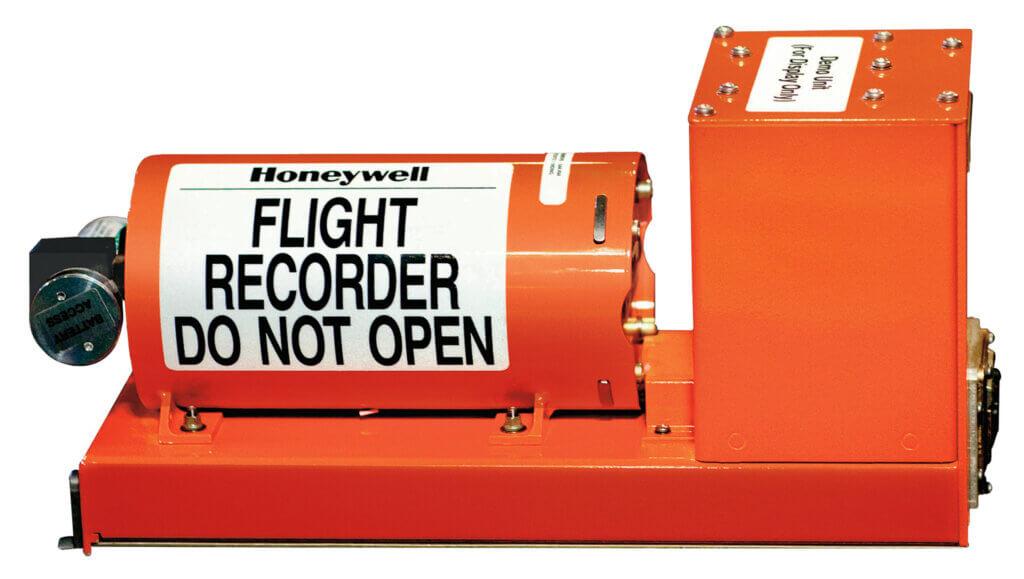
The term “black box” is intrinsically linked with aviation and, more specifically, with the investigation of aircraft incidents. While often referred to as a “black box,” these vital pieces of equipment are, in reality, painted in bright orange or yellow to maximize their visibility in wreckage. Their primary purpose is to provide crucial data that can help investigators understand the sequence of events leading up to an accident, thereby contributing to enhanced aviation safety. Understanding what a black box is, how it functions, and its significance within the technological framework of aviation is essential for appreciating the robust safety measures in place for air travel. This article delves into the technological intricacies of flight recorders, exploring their components, data recording capabilities, and the pivotal role they play in the advancement of aerospace technology.
The Dual Nature of Flight Recorders: CVR and FDR
Contrary to the singular term “black box,” aircraft are equipped with two distinct types of flight recorders: the Cockpit Voice Recorder (CVR) and the Flight Data Recorder (FDR). While both are housed within robust, survivable casings and serve the common goal of accident investigation, they capture different types of information. Understanding the individual functions of each recorder is key to comprehending the comprehensive data picture they provide.
Cockpit Voice Recorder (CVR): Capturing the Auditory Narrative
The Cockpit Voice Recorder (CVR) is designed to capture audio from the flight deck. Its primary function is to record ambient sounds within the cockpit, as well as direct communications. This includes the voices of the pilots, any intercom conversations between flight crew members, radio transmissions to and from air traffic control, and potentially sounds indicative of system malfunctions or unusual events within the aircraft. Modern CVRs typically record the last 30 minutes to 2 hours of audio, depending on their design and regulatory requirements. Some older models might have a shorter recording duration, while newer ones are being developed with even longer recording capabilities.
How the CVR Captures Sound
The CVR employs a series of microphones strategically placed within the cockpit. These microphones are typically located near the pilot and co-pilot seats, as well as on the overhead panel. These microphones feed audio signals into the CVR unit. The unit then digitizes these audio streams and stores them on a solid-state memory module. The continuous recording process means that the oldest audio data is overwritten as new audio is captured, ensuring that the most recent sounds are always preserved. The audio is typically stored in a compressed format to maximize storage capacity, but the data is designed to be decompressed and analyzed with specialized software. The audio quality, while not studio-grade, is generally sufficient for investigators to discern pilot conversations, understand command structures, identify alarms, and recognize sounds that might correspond to mechanical failures or environmental changes.
Flight Data Recorder (FDR): The Digital Blueprint of Flight
The Flight Data Recorder (FDR) is the counterpart to the CVR, focusing on capturing a comprehensive digital record of the aircraft’s performance and operational parameters. This data provides a detailed, objective account of how the aircraft was being flown and the status of its various systems throughout the flight. The parameters recorded by an FDR can be extensive and vary depending on the aircraft type, its age, and regulatory mandates.
The Wide Array of Recorded Data
An FDR can record hundreds of parameters, painting a meticulous picture of the flight. These parameters typically include:
- Altitude: Both indicated airspeed and true airspeed.
- Heading: The direction the aircraft is pointing.
- Vertical Acceleration: The rate of change in vertical speed, indicating climbs and descents.
- Pitch and Roll: The aircraft’s orientation relative to the horizon.
- Engine Performance: Thrust settings, engine temperatures, and fuel flow.
- Control Surface Positions: The angles of the ailerons, elevators, rudder, and flaps.
- Autopilot Status: Whether the autopilot is engaged and in what mode.
- Navigation Data: Information from navigation systems, including GPS coordinates.
- System Status: Indications of various aircraft system statuses, such as hydraulic pressure, electrical power, and landing gear deployment.
Modern FDRs, often referred to as “modernized” FDRs, are capable of recording a significantly larger number of parameters than their predecessors, often capturing upwards of 1,000 parameters. This evolution reflects the increasing complexity of modern aircraft and the desire for ever more granular data for accident investigation. The data is typically sampled at different rates, with critical parameters like altitude and airspeed sampled more frequently than others.
The Engineering of Survivability: Design and Construction
The primary distinguishing characteristic of black boxes, beyond their function, is their remarkable resilience. They are engineered to withstand extreme conditions that would obliterate most other aircraft components. This survivability is not accidental; it is a deliberate and highly engineered aspect of their design, ensuring that the critical data they hold is retrievable even from catastrophic accidents.
Materials and Construction for Extreme Environments
Black boxes are constructed from high-strength materials, typically stainless steel or titanium. These casings are designed to be incredibly robust, capable of withstanding immense impact forces. The internal components, including the memory modules for the CVR and FDR, are shock-mounted to absorb vibrations and impacts. The recorders are subjected to rigorous testing to ensure they meet stringent survivability standards set by aviation authorities worldwide.

Withstanding the Unimaginable: Impact, Fire, and Immersion
The survivability tests that black boxes undergo are extreme, simulating the most devastating scenarios encountered in aviation accidents. These tests include:
- Impact Resistance: The recorders must survive an impact of up to 1,000 Gs. This is equivalent to experiencing forces a thousand times the force of gravity. To put this into perspective, humans can typically withstand only a few Gs before losing consciousness or suffering severe injury.
- Fire Resistance: They must endure intense fires at temperatures up to 1,100 degrees Celsius (2,000 degrees Fahrenheit) for extended periods, typically 30 to 60 minutes. This simulates the intense heat generated in a post-crash fire.
- Immersion in Water: The recorders must remain waterproof and functional when submerged in seawater at depths of up to 20,000 feet (6,000 meters) for at least 30 days. This addresses the possibility of the aircraft crashing into the ocean.
- Crush Resistance: They must also withstand static crush forces, ensuring they remain intact under immense pressure.
These demanding standards are crucial because even if the aircraft itself is severely damaged or destroyed, the flight recorders are designed to remain largely intact, preserving the invaluable data they contain.
The Underwater Locator Beacon (ULB): Guiding the Search
A critical component of the black box system, particularly for accidents involving water landings, is the Underwater Locator Beacon (ULB), often referred to as an ” αυτό-ping.” This device is attached to the exterior of the flight recorder and activates upon immersion in water, emitting a distinct acoustic signal that can be detected by specialized sonar equipment.
How the ULB Facilitates Recovery
The ULB is a small, battery-powered transmitter. When it comes into contact with water, a water-activated switch triggers its operation. It then begins to emit a series of ultrasonic pulses, typically at a frequency of 37.5 kHz. This frequency is specifically chosen because it travels well through water and is beyond the range of human hearing, preventing auditory annoyance. The beacon is designed to operate for at least 30 days, providing a vital window for search and rescue teams to locate the wreckage. Sophisticated sonar equipment, deployed from vessels or submersibles, can detect these pings and guide search teams to the approximate location of the downed aircraft. The reliability of the ULB is paramount, as it significantly increases the chances of recovering the black boxes from the ocean floor, a task that can otherwise be incredibly challenging due to the vastness and depth of marine environments.
The Indispensable Role in Aviation Safety and Technological Advancement
The data retrieved from black boxes is more than just historical information; it is the cornerstone of aviation safety improvements and the driving force behind technological advancements in aircraft design and operation. The insights gained from analyzing these recorders have led to a profound understanding of accident causes and the implementation of preventative measures.
Learning from the Past: Accident Investigation and Prevention
When an aircraft accident occurs, the recovery and analysis of the black boxes are among the highest priorities for investigators. The data from the CVR and FDR, when meticulously pieced together, can reveal the sequence of events, pilot actions, system failures, or environmental factors that contributed to the incident. This detailed understanding allows accident investigation boards to:
- Identify Root Causes: Pinpoint the fundamental reasons behind the accident, going beyond immediate triggers.
- Determine Contributing Factors: Understand all elements that played a role, including human error, mechanical issues, weather, and air traffic control.
- Issue Safety Recommendations: Propose specific changes to aircraft design, pilot training, operational procedures, air traffic control protocols, and maintenance practices to prevent similar accidents from happening again.
These recommendations are not merely suggestions; they are often implemented by regulatory bodies worldwide, leading to tangible improvements in aviation safety. The vast majority of aviation safety enhancements in the past several decades can be directly or indirectly attributed to the information gathered from black box analysis.

Driving Innovation: Future-Proofing Flight
The data collected by FDRs also serves as a valuable resource for ongoing research and development in aerospace engineering. By analyzing flight data from routine operations, as well as from incidents, engineers can identify areas for improvement in aircraft performance, fuel efficiency, and overall reliability. This includes:
- Aerodynamic Refinements: Understanding how aircraft perform under various conditions can lead to design modifications that improve stability and maneuverability.
- System Optimization: Data on engine performance and system behavior can inform the development of more efficient and robust aircraft systems.
- Human Factors Research: Analyzing CVR data provides insights into pilot decision-making and crew resource management, contributing to more effective training programs and cockpit designs that minimize the potential for human error.
In essence, black boxes are not just recorders of the past; they are active contributors to the future of flight, ensuring that aviation continues to be one of the safest modes of transportation. Their robust design, comprehensive data recording capabilities, and the critical role they play in accident investigation and technological advancement solidify their position as indispensable tools in the pursuit of global aviation safety.
aViewFromTheCave is a participant in the Amazon Services LLC Associates Program, an affiliate advertising program designed to provide a means for sites to earn advertising fees by advertising and linking to Amazon.com. Amazon, the Amazon logo, AmazonSupply, and the AmazonSupply logo are trademarks of Amazon.com, Inc. or its affiliates. As an Amazon Associate we earn affiliate commissions from qualifying purchases.