
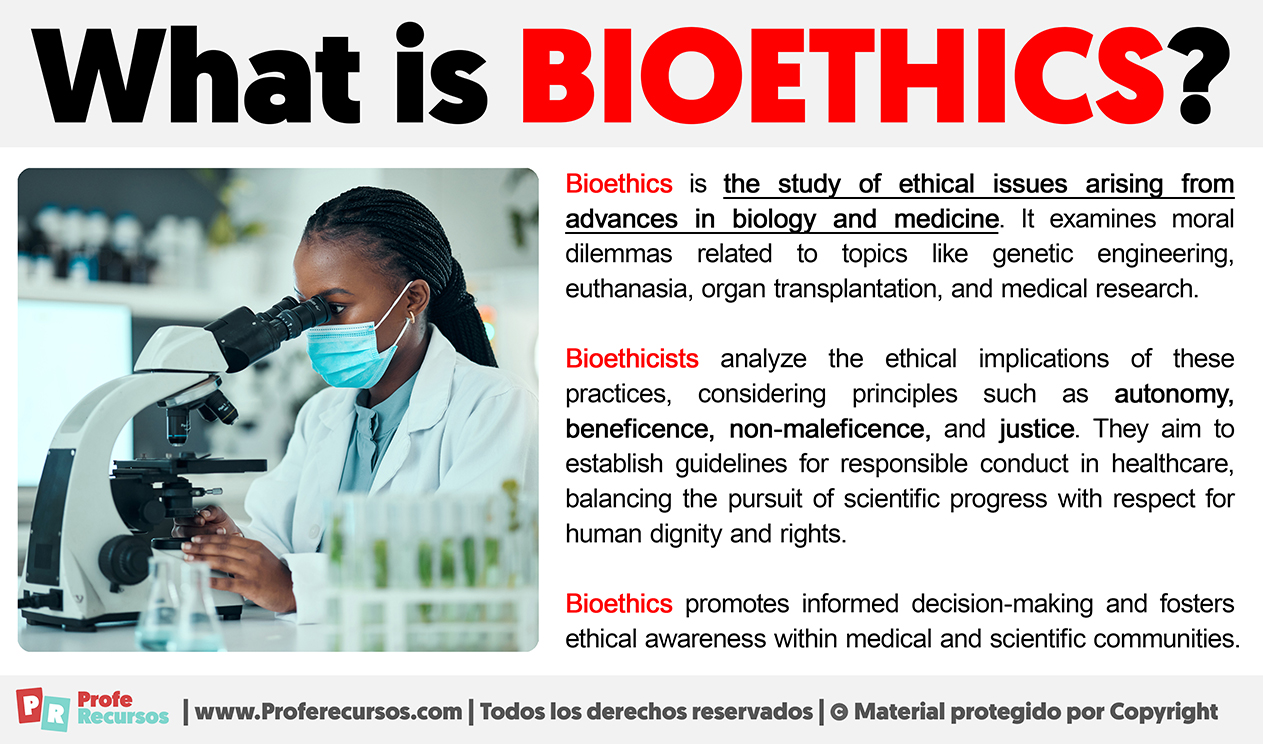
In an era defined by the rapid convergence of biology and technology, the traditional boundaries of healthcare, computer science, and engineering are blurring. As we develop tools that can edit the human genome, algorithms that can predict medical outcomes, and neural interfaces that connect the brain directly to the internet, we encounter a host of unprecedented moral dilemmas. At the heart of these challenges stands the bioethicist.
While the term historically referred to professionals who mediated life-and-death decisions in hospital settings, the modern bioethicist has evolved into a critical figure in the technology sector. Today, they are the architects of the “guardrails” that ensure innovation serves humanity without compromising our fundamental rights, privacy, or biological integrity.
The Evolution of Bioethics in the Digital Age
To understand what a bioethicist is today, one must look beyond the sterile halls of a clinical environment. Bioethics is an interdisciplinary field that combines philosophy, law, medicine, and—increasingly—advanced technology. It is the study of the ethical implications of biological research and applications. However, in the 21st century, “biological research” is no longer confined to a Petri dish; it is lived out through data points, silicon chips, and software code.
From Clinical Settings to Silicon Valley
In the mid-20th century, bioethics emerged as a response to medical experimentation and the advent of life-support technologies. Bioethicists helped doctors and families navigate the complexities of organ transplants and end-of-life care. Fast forward to the present, and the “patient” is often a user of a health app, and the “doctor” might be a diagnostic AI.
As a result, bioethicists are increasingly being hired by tech giants and startups. Their role has shifted from a purely reactive one—analyzing what went wrong—to a proactive one: working alongside software engineers and data scientists to anticipate ethical friction before a product is ever launched.
Defining the Modern Bioethicist
A modern bioethicist in the tech niche is a strategist who bridges the gap between “can we build it?” and “should we build it?” They possess a deep understanding of technological capabilities, such as Large Language Models (LLMs) or CRISPR-Cas9, and apply ethical frameworks to evaluate their impact. They are responsible for ensuring that innovation does not outpace our moral responsibility to protect human dignity, autonomy, and equity.
The Bioethicist’s Role in Artificial Intelligence and Machine Learning
Artificial Intelligence (AI) is perhaps the most significant disruptor in modern medicine and biology. As AI systems become more integrated into diagnostic and treatment processes, the bioethicist’s role becomes essential in ensuring these “black box” systems remain transparent and fair.
Algorithmic Bias and Patient Data
One of the primary concerns for a bioethicist in the AI space is algorithmic bias. Machine learning models are trained on historical data, which often contains systemic biases related to race, gender, and socioeconomic status. If an AI used by a health tech company is trained on data that underrepresents a certain demographic, the resulting medical advice could be inaccurate or even harmful for those groups.
Bioethicists work with data scientists to audit datasets for inclusivity. They ask the hard questions: Is the data representative? How do we define “fairness” in a mathematical model? By identifying these biases early, bioethicists prevent tech companies from scaling inequality under the guise of objective automation.
Autonomous Systems in Healthcare
The rise of autonomous surgical robots and AI-driven triage systems introduces complex questions of accountability. If an AI misdiagnoses a patient, who is responsible? The developer who wrote the code? The hospital that deployed the software? Or the bioethicist who approved its implementation?
In this context, bioethicists help design “Human-in-the-Loop” (HITL) systems. They ensure that technology enhances human decision-making rather than replacing it entirely. They advocate for transparency, demanding that AI systems provide “explainable” results so that human practitioners can understand the logic behind a machine’s recommendation.
Engineering Life: Bioethics in Biotech and Genetic Innovation
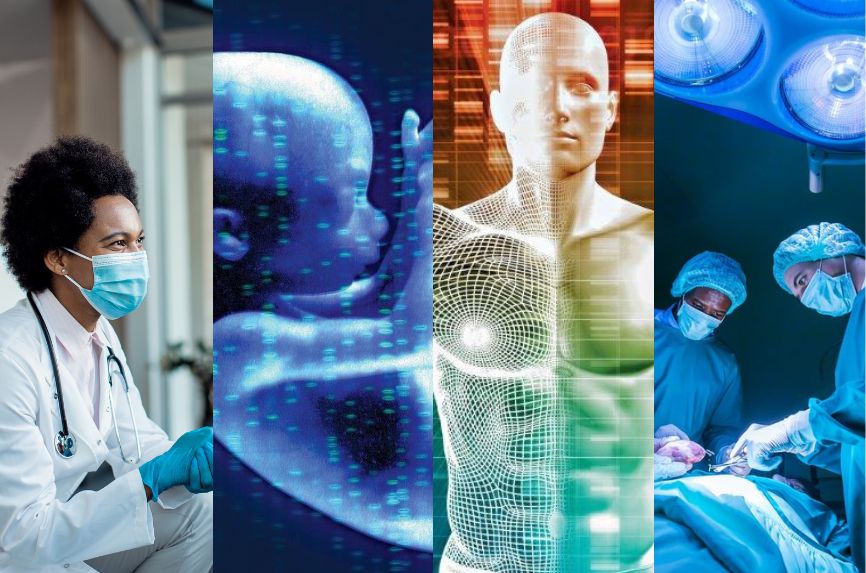
The field of biotechnology has moved from the realm of science fiction into the commercial tech sector. With the advent of gene-editing technologies like CRISPR, we now have the capability to “program” biological organisms much like we program computers. This “Bio-IT” crossover is a primary focus for today’s bioethicists.
CRISPR and the Power of Gene Editing
Gene editing offers the potential to cure hereditary diseases, but it also opens the door to “germline” editing—changes that are passed down to future generations. A bioethicist in a biotech firm evaluates the long-term societal impacts of these tools. They navigate the “slippery slope” between therapeutic intervention (curing a disease) and enhancement (designing specific traits).
The bioethicist ensures that the tech remains accessible and does not create a “genetic divide” where only the wealthy can afford biological upgrades. They help companies establish internal ethics boards that vet research projects against international human rights standards.
Synthetic Biology and Intellectual Property
As we move toward synthetic biology—creating entirely new biological parts and systems—the question of “ownership” arises. Bioethicists analyze the implications of patenting life forms. Can a sequence of synthetic DNA be proprietary? If so, what does that mean for the future of biodiversity and global health equity? Bioethicists work with legal teams to ensure that intellectual property rights in the tech-bio space do not stifle innovation or prevent life-saving treatments from reaching those in need.
Data Sovereignty and the Ethics of Digital Health
In the tech world, “data is the new oil,” but in the bio-tech world, data is the person. Digital health platforms, wearables, and direct-to-consumer genetic testing kits collect the most intimate information possible: our genetic code, our heart rates, and our neurological patterns.
Cybersecurity and Medical Privacy
A bioethicist’s expertise is vital in the realm of digital security. Unlike a compromised credit card, you cannot “reset” your genetic blueprint if it is leaked in a data breach. Bioethicists work with cybersecurity teams to implement “Privacy by Design.” They advocate for de-identification protocols and robust encryption, ensuring that the convenience of health tech does not come at the cost of permanent biological exposure.
The Rise of Wearable Tech and Predictive Analytics
Modern wearables can now predict potential health crises before they happen. While this is a technological marvel, it presents a bioethical minefield regarding “predictive privacy.” If a tech company’s algorithm predicts that a user will develop a chronic condition in ten years, who owns that information? Could it be sold to insurance companies or employers?
Bioethicists help tech companies draft “End User License Agreements” (EULAs) that are actually readable and ethical. They ensure that informed consent is not just a checkbox, but a meaningful understanding of how biological data will be stored, shared, and utilized.
The Future: Integrating Ethics into the Tech Development Lifecycle
As we look toward the future, the role of the bioethicist will only become more integrated into the tech ecosystem. We are moving away from a model where ethics is an afterthought—a hurdle to be cleared at the end of production—to a model where ethics is a core feature of the product itself.
Ethical-by-Design Frameworks
Forward-thinking tech companies are now adopting “Ethical-by-Design” frameworks. This means that a bioethicist is present at the first whiteboard session of a new project. Whether it is a new neural-link interface or a decentralized bio-database using blockchain, the bioethicist ensures that the technology’s architecture prioritizes human well-being and autonomy from the ground up.

Why Every Tech Giant Needs a Bioethics Department
The financial and reputational risks of ethical failures in the tech sector are massive. A single biased algorithm or data leak can lead to billions in lost market value and devastating social consequences. Therefore, hiring a bioethicist is no longer just a “feel-good” PR move; it is a strategic business necessity.
Bioethicists provide the “moral intelligence” that complements artificial intelligence. They help tech leaders navigate the “uncanny valley” of innovation, ensuring that as we build more powerful tools, we do not lose sight of what it means to be human.
In conclusion, a bioethicist is the essential navigator of our technological future. They are the individuals tasked with ensuring that our rapid ascent into the digital and biological unknown remains grounded in the values of justice, safety, and respect for life. As tech continues to rewrite the rules of existence, the bioethicist ensures those rules are written with a conscience.
aViewFromTheCave is a participant in the Amazon Services LLC Associates Program, an affiliate advertising program designed to provide a means for sites to earn advertising fees by advertising and linking to Amazon.com. Amazon, the Amazon logo, AmazonSupply, and the AmazonSupply logo are trademarks of Amazon.com, Inc. or its affiliates. As an Amazon Associate we earn affiliate commissions from qualifying purchases.