
The allure of the Bengal kitten is undeniable. Their striking spotted coats, athletic physiques, and spirited personalities often evoke a sense of the exotic, a whisper of their wild ancestors. But beyond the captivating visual, what truly defines a Bengal kitten as a unique entity in the world of domestic felines? Understanding this breed requires a deep dive into its origin story, its distinctive characteristics that form its “brand identity,” and the careful breeding practices that have shaped its temperament and appearance. This exploration isn’t just about identifying a pet; it’s about understanding a meticulously cultivated lineage and the established reputation that precedes it.
The Genesis of a Distinctive Brand: From Wild Ancestors to Domestic Companions
The story of the Bengal is intrinsically linked to its hybridization, a key element in establishing its unique brand. This pioneering crossbreeding effort, initiated with specific goals in mind, set the stage for the breed’s future. Understanding this foundational process is crucial to appreciating the Bengal’s present-day standing in the feline world.
The Pioneering Cross: Foundation and Early Development
The Bengal breed’s inception can be traced back to the 1960s, a period marked by experimental crossbreeding efforts. The core of the Bengal’s brand lies in its direct lineage to the Asian Leopard Cat (Prionailurus bengalensis). This wild ancestor imbues the breed with its signature spotted coat and a certain untamed spirit. Early breeders, driven by a desire to capture the visual splendor of the wild cat in a domesticated form, embarked on a journey that would redefine what was possible in cat breeding.
The initial crosses, often referred to as F1 (first generation) and F2 (second generation) Bengals, were the most direct links to their wild heritage. These early generations exhibited more pronounced wild traits, including a more robust build, distinct vocalizations, and often, a more independent nature. The goal was not to create a wild animal, but to harness specific desirable traits – the exotic look, the intelligence, and the athletic prowess – and integrate them into a companionable domestic cat. This careful, deliberate process of selection and breeding is what laid the groundwork for the Bengal’s established brand as a “miniature leopard.”
Establishing the “Bengal” Identity: From Hybrid to Breed Standard
As the breed progressed through subsequent generations (F3, F4, and beyond), breeders focused on refining the desirable traits while ensuring the cats were well-suited for domestic life. This involved selecting for temperament, health, and consistency in appearance. The establishment of breed standards by organizations like The International Cat Association (TICA) was a pivotal moment. These standards codified the characteristics that defined a Bengal, solidifying its unique brand identity and distinguishing it from other domestic cats and even from its own early hybrid ancestors.
The development of the Bengal breed is a case study in brand building through intentional differentiation. Breeders worked to isolate and amplify specific traits – the mesmerizing rosette patterns, the “glitter” coat that shimmers, the muscular build, and the curious, engaging personality. This deliberate process of selection and refinement, guided by a vision of creating a visually stunning and behaviorally sound companion, is what has elevated the Bengal kitten from a mere hybrid to a recognized and sought-after breed with a distinct market presence. The brand wasn’t accidental; it was meticulously engineered.
The Distinctive Brand Attributes: What Makes a Bengal Kitten Stand Out
The Bengal kitten’s brand is built upon a constellation of unique physical and behavioral attributes. These characteristics are not just features; they are the core components of its market appeal, the elements that define its desirability and set it apart in the crowded landscape of pet ownership.
The Visual Signature: Coat Patterns and Colors
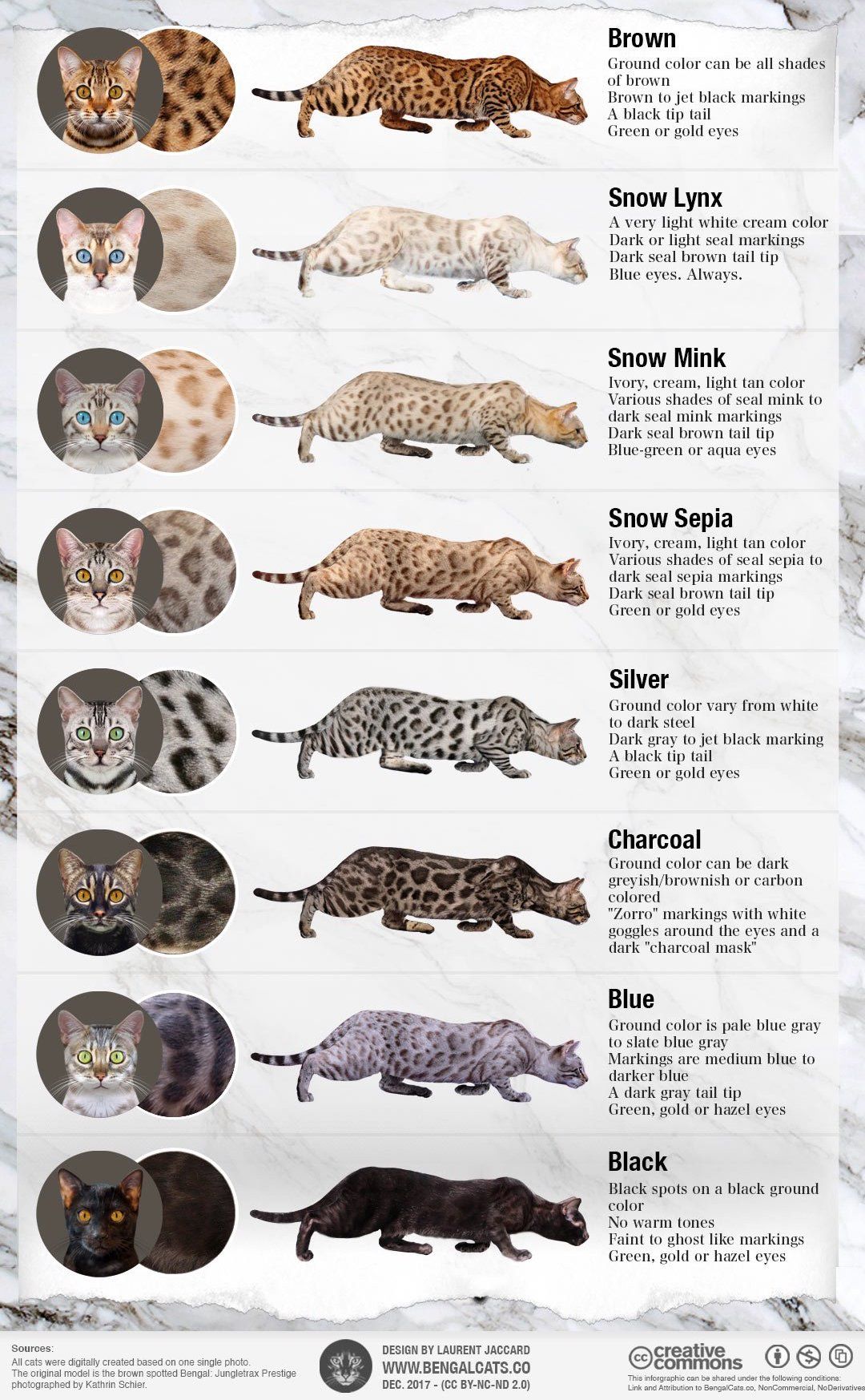
Perhaps the most immediately striking aspect of the Bengal kitten’s brand is its coat. The Asian Leopard Cat’s influence is most evident in the stunning patterns that adorn its fur. These are not simply spots; they are often intricate rosettes, resembling those found on larger wild cats like jaguars and leopards. The term “rosette” itself carries a certain prestige, evoking images of natural artistry.
Rosettes, Marbles, and the All-Important “Glitter”
The most prized coat patterns are the rosettes, which are characterized by a darker outline around a lighter or reddish center. These can range from solid “doughnut” rosettes to more complex “feathered” rosettes. Equally desirable are marbled patterns, which feature swirling, distinct lines reminiscent of ink spilled on paper, often with horizontal flow. These marbled patterns are a recognized variation within the breed, contributing to the diversity of the Bengal brand.

Beyond the patterns, a key element that truly elevates the Bengal’s visual brand is the phenomenon known as “glitter.” This natural iridescence gives the coat a subtle shimmer, catching the light and making the spots and marbles appear to glow. This unique characteristic is a hallmark of the breed and significantly contributes to its exotic and luxurious appeal. It’s a visual trademark that instantly differentiates a Bengal from other spotted or marbled domestic cats.
Athleticism and Expressive Behavior: A Brand of Active Intelligence
The Bengal kitten’s brand extends beyond its striking appearance to encompass its dynamic personality and physical prowess. These are not sedentary cats; they are energetic and intelligent beings with a distinctive way of interacting with their environment and their human companions.
The “Miniature Leopard”: A Breed of Energy and Play
The athletic build of the Bengal, inherited from its wild ancestors, translates into a breed that is highly active and agile. They possess remarkable jumping abilities, often scaling furniture and reaching high perches with ease. This inherent athleticism is a key part of their brand as a “miniature leopard,” a cat that embodies grace and power.
Their playful nature is also a significant brand attribute. Bengal kittens are known for their intelligence and curiosity, often engaging in interactive play, solving puzzle toys, and even enjoying games of fetch. This active engagement makes them highly entertaining companions and appeals to owners who desire an interactive pet experience. Their intelligence can also mean they are more prone to finding “creative” solutions to everyday problems, which is part of their charm for many enthusiasts.
The Bengal “Talk”: Vocalizations and Social Interaction
While not as overtly vocal as some breeds, Bengals have a unique range of vocalizations. They may “chirp,” “trill,” or produce other distinct sounds that are part of their expressive communication. This individuality in their vocal repertoire adds another layer to their distinct brand, setting them apart from the more standard “meow.” Their social interaction is often characterized by a confident and engaging demeanor, often forming strong bonds with their human families. They are not aloof; rather, they are keen participants in household activities.
The “Brand Management” of a Bengal Kitten: Responsible Breeding and Ownership
The continued success and positive reputation of the Bengal kitten brand rely heavily on responsible breeding practices and informed ownership. Maintaining the integrity of the breed and ensuring the well-being of these animals are paramount to preserving their esteemed status.
The Ethics of Hybridization: Generations and Temperament
The journey from a wild ancestor to a beloved domestic companion is a carefully managed process. Understanding the generational designations (F1, F2, F3, etc.) is crucial for prospective owners and for breeders in managing the brand’s reputation. Early generations (F1 and F2) will retain more pronounced wild traits and may require more specialized care and environments. As the generations progress (F3 and beyond), the cats become increasingly more domesticated, exhibiting temperaments more in line with traditional companion animals.
Responsible breeders prioritize the ethical treatment of both the wild and domestic cats involved in the breeding program. They are committed to producing healthy kittens with predictable temperaments, ensuring that the Bengal’s brand as a desirable pet is upheld. This includes careful genetic selection to avoid inheritable health issues and a deep understanding of feline behavior to match kittens with appropriate homes.
Building a Strong Brand Through Informed Ownership
The Bengal kitten’s brand is amplified and sustained through the actions of its owners. Educating potential owners about the breed’s unique needs and characteristics is a vital component of responsible brand management. This involves transparency about their energy levels, their need for mental stimulation, and their potential for unique vocalizations and behaviors.
Owners who embrace and understand these traits become ambassadors for the breed, sharing positive experiences and highlighting the joys of living with a Bengal. This organic marketing, driven by satisfied customers and a deep appreciation for the breed’s distinctive qualities, is instrumental in solidifying the Bengal kitten’s place as a truly special and captivating companion. The brand is not just about the cat; it’s about the entire experience of owning and loving one.
aViewFromTheCave is a participant in the Amazon Services LLC Associates Program, an affiliate advertising program designed to provide a means for sites to earn advertising fees by advertising and linking to Amazon.com. Amazon, the Amazon logo, AmazonSupply, and the AmazonSupply logo are trademarks of Amazon.com, Inc. or its affiliates. As an Amazon Associate we earn affiliate commissions from qualifying purchases.