
The term “toiletries” is deceptively simple, yet its precise definition, especially when considering the financial implications, can be surprisingly nuanced. Often perceived as a minor expense, the cumulative cost of toiletries can significantly impact personal and household budgets. Understanding what constitutes toiletries, beyond the most obvious items, is crucial for effective financial planning, smart shopping, and avoiding unnecessary expenditure. This article delves into the expansive world of toiletries, exploring their financial significance, categories, and strategies for managing their associated costs.
The Financial Footprint of Personal Care
While not typically categorized alongside major financial outlays like housing or transportation, the expenditure on toiletries represents a consistent and often underestimated component of personal finance. For individuals and families, these items are necessities that require regular replenishment, creating a predictable yet persistent drain on disposable income.
Defining the Scope: Beyond the Bathroom Cabinet
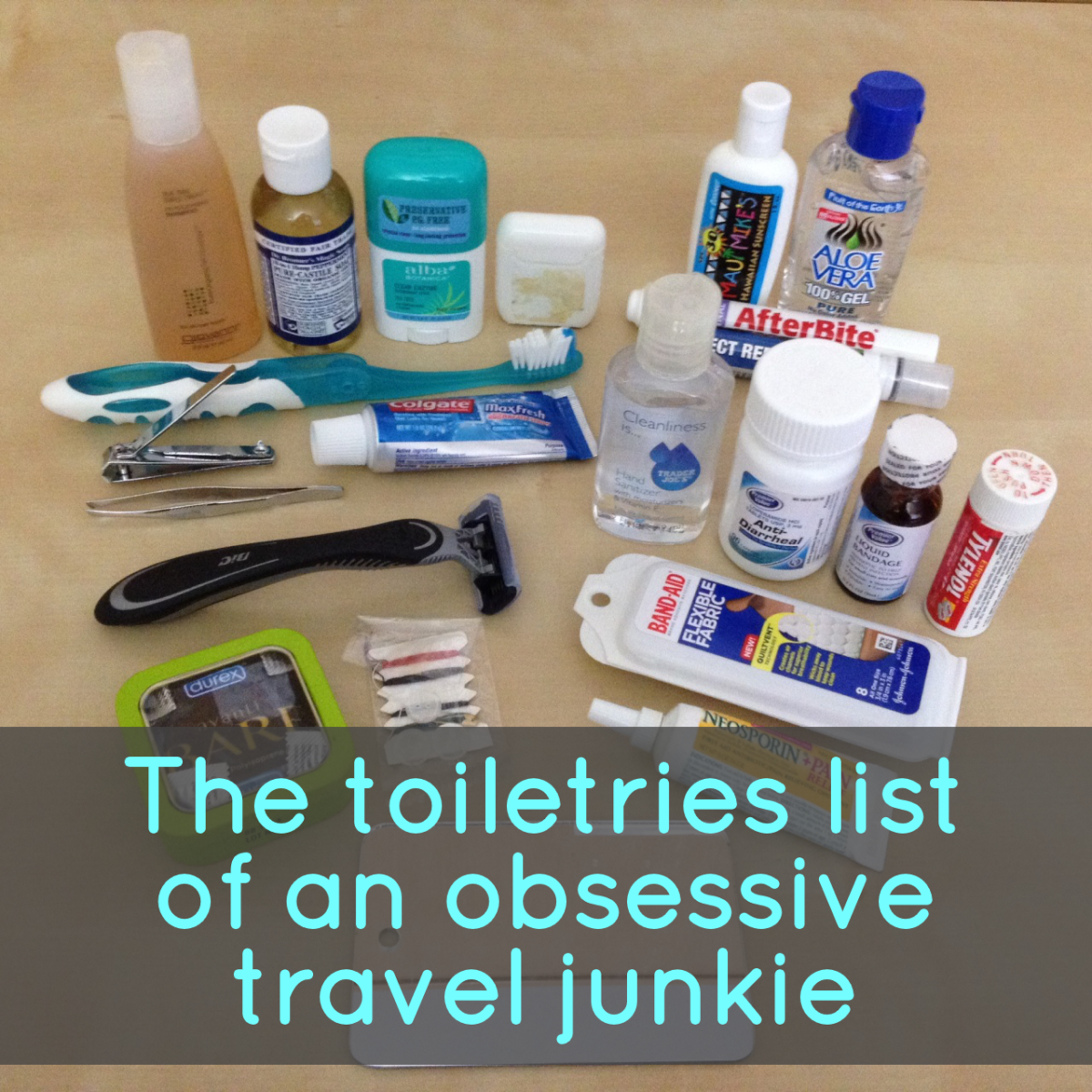
At its core, toiletries refer to articles used in washing and taking care of one’s body. However, this definition can expand considerably when considering modern personal care routines and the diverse range of products available. The financial impact is often amplified by the sheer variety and specialized nature of these items.
-
Basic Hygiene Essentials: The foundation of toiletries includes items directly related to cleaning and maintaining bodily hygiene. This is the most universally recognized category and forms the bedrock of any toiletries budget.
- Cleansing Agents: Soaps (bar and liquid), body washes, and facial cleansers are primary examples. Their cost can vary dramatically from budget-friendly options to premium, dermatologically formulated products.
- Oral Care: Toothbrushes, toothpaste, mouthwash, and dental floss are essential for oral hygiene. The recurring nature of toothbrush replacement and the specialized needs for toothpaste (whitening, sensitivity, fluoride) add to the financial outlay.
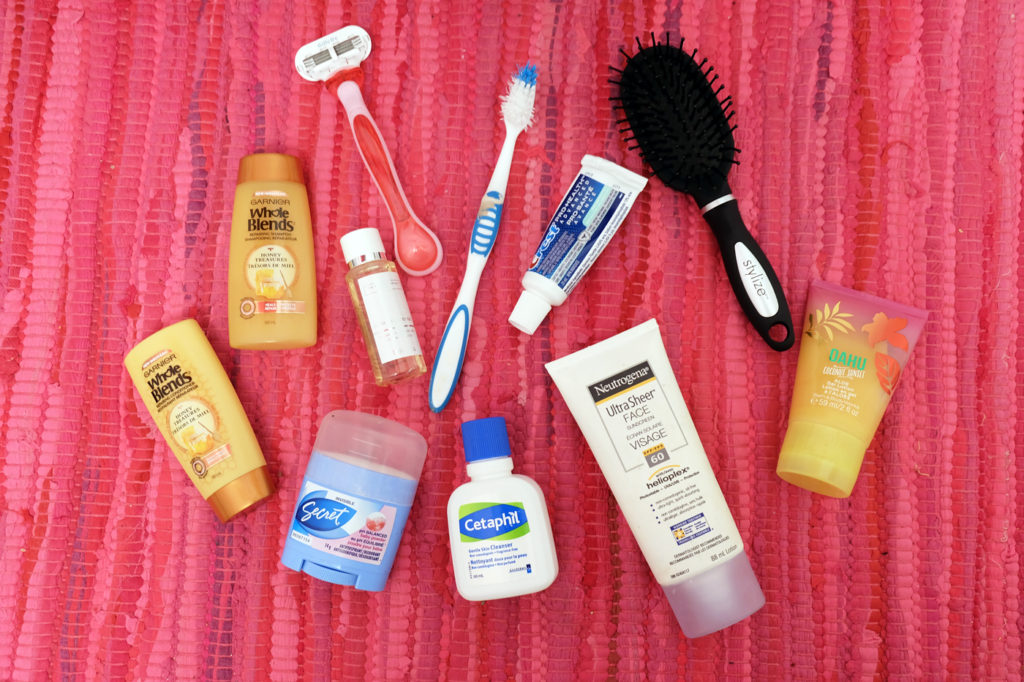
- Hair Care: Shampoos and conditioners are fundamental. The market offers a vast array, catering to different hair types, concerns (dandruff, color-treated, thinning), and desired results (volume, shine). This diversification directly impacts price points and consumer choices.
- Deodorants and Antiperspirants: Essential for odor control, these products come in various forms (sticks, sprays, roll-ons) and formulations, influencing cost.
-
Grooming and Appearance: This category encompasses items used to maintain a neat appearance and enhance personal grooming. While some might consider these “non-essential,” for many, they are integral to daily routines and professional presentation, hence their inclusion in a comprehensive toiletries budget.
- Shaving and Hair Removal: Razors, shaving cream, shaving gel, aftershave, and depilatory creams represent a significant recurring cost. The choice between disposable razors, electric shavers, or professional waxing services drastically alters the financial commitment.
- Skincare: Moisturizers, lotions, sunscreens, serums, and specialized treatments for specific skin concerns (acne, aging) are increasingly becoming standard. The rise of multi-step skincare routines has significantly inflated the financial impact of this sub-category.
- Hair Styling and Treatments: Hair gels, mousses, sprays, waxes, hair masks, and styling tools (though the tools themselves might be a one-time purchase, their upkeep or replacement could be considered) fall under this umbrella.
- Cosmetics and Makeup: While not universally used, for a significant portion of the population, makeup (foundation, lipstick, eyeshadow, mascara) and its associated applicators (brushes, sponges) are considered part of their personal grooming regimen. The cost of these items can range from very affordable to extremely high-end.
The Hidden Costs and Financial Planning Implications
The financial impact of toiletries extends beyond the initial purchase price. Factors like brand loyalty, perceived necessity, bulk purchasing strategies, and even impulse buys can all influence the overall expenditure. Effective financial planning requires a realistic assessment of these costs.
- Brand Perception vs. Value: Many consumers develop brand loyalties, often driven by marketing, perceived quality, or habit. While premium brands can offer superior performance or sensory experiences, a thorough comparison of ingredients and efficacy can reveal that more affordable alternatives provide comparable value, leading to significant savings. This requires informed decision-making rather than blind brand adherence.
- Bulk Buying and Storage: Purchasing toiletries in bulk or during sales events can offer substantial savings per unit. However, this strategy is only financially prudent if the products are used before their expiry dates and if adequate storage space is available. Over-buying perishable or infrequently used items can lead to waste and negate potential savings.
- Subscription Services and Auto-Replenishment: The rise of subscription boxes and auto-replenishment services for toiletries offers convenience but also requires careful financial management. While these services can sometimes provide discounts, they can also encourage consumers to purchase items they might not need as frequently, leading to overspending if not actively managed.
- The “Little and Often” Trap: Small, frequent purchases of toiletries can feel insignificant, but they add up rapidly. A €3 shampoo bought weekly amounts to over €150 annually, a figure that can be considerably reduced through strategic planning and larger, less frequent purchases.
Optimizing Your Toiletries Budget: Smart Shopping Strategies
Managing the financial impact of toiletries is not about deprivation but about intelligent consumption. By adopting smart shopping strategies, individuals can ensure they have access to the products they need without overspending.
Strategic Acquisition: Where and When to Buy

The point of purchase and the timing of acquisition are critical for maximizing value. Different retailers and promotional periods offer varying price points and opportunities for savings.
- Retailer Diversification: Comparing prices across different types of retailers is essential. Supermarkets, drugstores, discount stores, and online retailers all have distinct pricing structures and often run their own promotions. A simple price comparison before making a purchase can reveal significant differences.
- Leveraging Sales and Promotions: Keeping an eye on seasonal sales, holiday discounts, and loyalty program offers can lead to substantial savings. Many retailers offer “buy one, get one free” deals or percentage discounts on personal care items, which can be excellent opportunities for stocking up on staples.
- Couponing and Loyalty Programs: Utilizing coupons, whether digital or physical, and actively participating in store loyalty programs can provide ongoing discounts and rewards. These small savings accumulate over time and contribute to a healthier toiletries budget.
- Understanding Unit Pricing: When faced with different sizes or multi-packs, always compare the unit price (price per ounce, per liter, or per item) to determine the true best value. A larger package is not always cheaper per unit.
Informed Product Selection: Quality vs. Cost
The market is flooded with toiletries at every conceivable price point. Navigating this landscape requires a discerning eye to find products that meet individual needs and quality expectations without breaking the bank.
- Generic vs. Brand Name: For many common toiletries, generic or store-brand products offer a significantly lower price point without a noticeable compromise in quality. These are often manufactured by the same companies that produce brand-name items, differing primarily in packaging and marketing.
- Ingredient Analysis: Understanding key ingredients and their benefits can empower consumers to make informed choices. Instead of relying on brand marketing, research what ingredients are essential for your needs (e.g., salicylic acid for acne, hyaluronic acid for hydration) and look for affordable products that contain them.
- Multi-Purpose Products: Opting for multi-purpose products can reduce the number of individual items needed, thereby saving money and space. For example, a tinted moisturizer can serve as both skincare and light foundation.
- DIY Alternatives (with Caution): For some very basic items, such as simple sugar scrubs or certain hair masks, DIY alternatives can be cost-effective. However, this requires careful research into safe and effective recipes and should be approached with caution, especially for products intended for sensitive skin or specialized treatments.
The Psychological and Behavioral Aspects of Toiletries Spending
Beyond the purely financial, the way we purchase and use toiletries is influenced by psychological and behavioral factors. Recognizing these can further enhance our ability to manage spending effectively.
The Influence of Marketing and Consumer Psychology
The toiletries industry is a master of marketing, employing sophisticated strategies to influence purchasing decisions. Understanding these tactics can help consumers resist impulsive buys and make more rational choices.
- Perceived Necessity and Social Norms: Many toiletries are marketed as essential for social acceptance, professional success, or overall well-being. This creates a perceived necessity that can drive purchases even when existing products are adequate. Social norms around hygiene and appearance also play a significant role.
- The Power of Scent and Texture: The sensory experience of toiletries – pleasant fragrances, luxurious textures – is a powerful marketing tool. While these aspects contribute to enjoyment, they can also lead to overspending on products that offer little functional advantage over more affordable alternatives.
- Fear of Missing Out (FOMO) and Trend Chasing: The rapid introduction of new products, often marketed with buzzwords like “innovative,” “revolutionary,” or “must-have,” can create a sense of urgency and FOMO, leading to unnecessary purchases of items that quickly become obsolete or are replaced by newer iterations.
- Impulse Buying and Impulse Control: The placement of toiletries near checkout counters, often featuring attractive packaging and small sizes, encourages impulse purchases. Developing strategies for impulse control, such as creating shopping lists and sticking to them, is crucial.
Building Sustainable Habits for Long-Term Financial Health
Ultimately, managing toiletries expenditure is about building sustainable habits that align with one’s financial goals. This involves a shift from reactive purchasing to proactive planning.
- Inventory Management: Regularly taking stock of current toiletries can prevent duplicate purchases and highlight items that are nearing their expiry dates. This also provides a clear picture of what is truly needed.
- Setting a Realistic Budget: Allocating a specific portion of the monthly budget for toiletries, based on past spending and future needs, provides a clear financial framework. This budget should be reviewed and adjusted periodically.
- Prioritizing Needs Over Wants: Differentiating between essential toiletries and discretionary upgrades is key. While indulging in a premium product occasionally might be permissible within a budget, the foundation should always be on meeting basic needs affordably.
- Mindful Consumption: Adopting a mindset of mindful consumption, where each purchase is considered for its necessity, value, and impact on the overall budget, is the most effective long-term strategy. This fosters a sense of control and prevents toiletries from becoming an unchecked financial burden.
In conclusion, understanding “what includes toiletries” is more than just knowing the names of products. It’s about recognizing their diverse categories, their cumulative financial impact, and employing strategic financial planning and smart shopping habits to manage their associated costs effectively. By moving beyond superficial perceptions and embracing informed decision-making, individuals can ensure their personal care routines are both well-maintained and financially sound.
aViewFromTheCave is a participant in the Amazon Services LLC Associates Program, an affiliate advertising program designed to provide a means for sites to earn advertising fees by advertising and linking to Amazon.com. Amazon, the Amazon logo, AmazonSupply, and the AmazonSupply logo are trademarks of Amazon.com, Inc. or its affiliates. As an Amazon Associate we earn affiliate commissions from qualifying purchases.