
Blood circulation is a fundamental aspect of human health, directly impacting how efficiently our bodies receive oxygen and nutrients. While lifestyle choices like diet and exercise are commonly cited as key to improving circulation, the technological advancements of our era are increasingly playing a significant, and often underappreciated, role. This article will delve into the technological innovations that are actively contributing to enhanced blood flow, empowering individuals with new tools and insights to optimize their circulatory health.
Smart Wearables and Real-time Monitoring
The proliferation of smart wearables has revolutionized personal health tracking, and blood circulation is no exception. These devices offer unprecedented opportunities for continuous, non-invasive monitoring and provide actionable data that can inform lifestyle adjustments and prompt professional consultation.
Activity Trackers and Heart Rate Monitoring
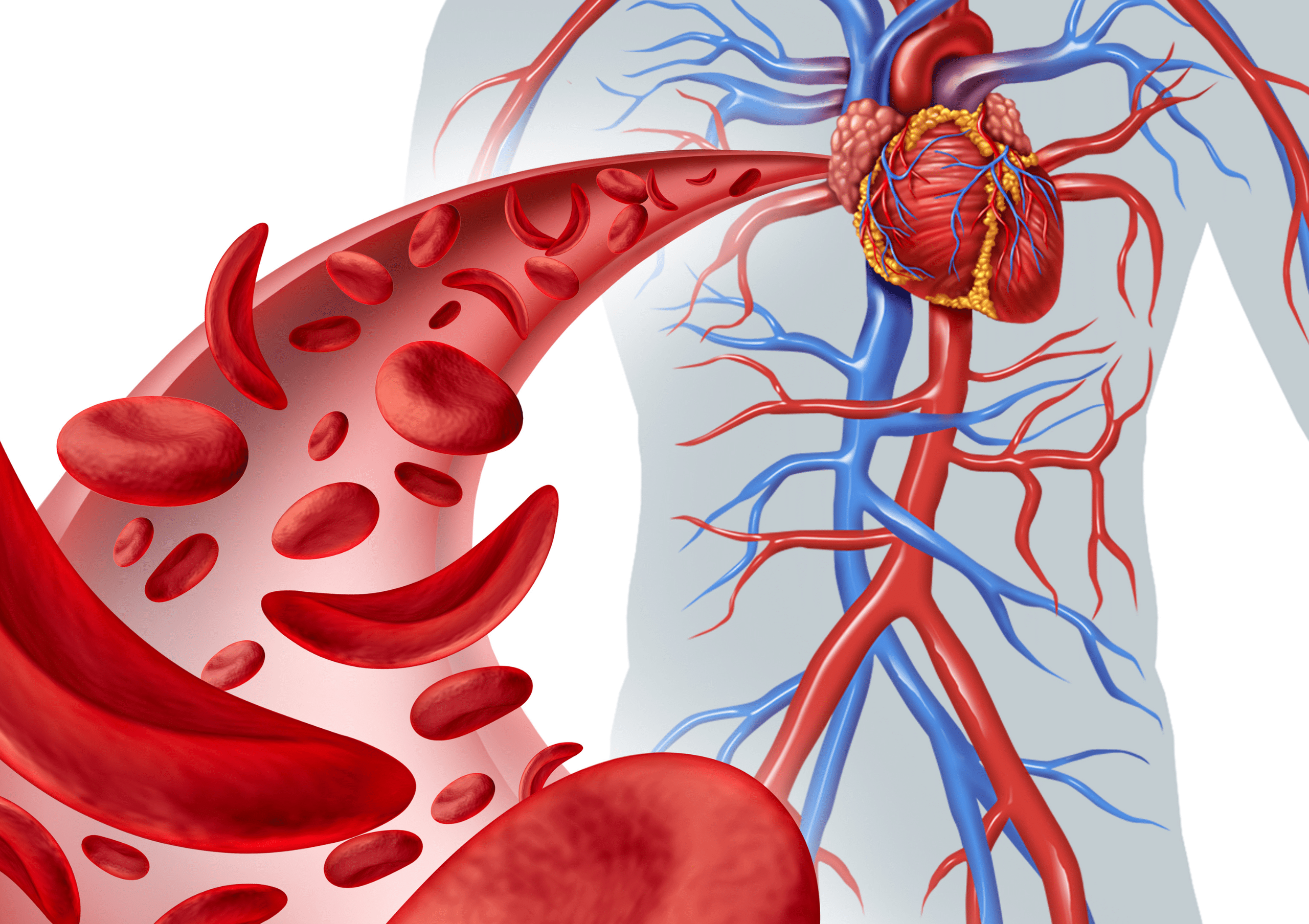
At the forefront of this technological wave are activity trackers and smartwatches. Beyond simply counting steps, these devices are equipped with sophisticated sensors that can monitor heart rate variability (HRV) and resting heart rate. Elevated HRV and a lower resting heart rate are generally indicative of a well-conditioned cardiovascular system, suggesting efficient blood circulation. Algorithms within these devices can analyze this data over time, identifying trends and anomalies that might signal suboptimal circulation. For instance, a sudden and sustained increase in resting heart rate without a clear cause could prompt an individual to investigate potential underlying issues.
Furthermore, some advanced wearables can estimate blood oxygen levels (SpO2). While not a direct measure of circulation, low SpO2 can indicate impaired oxygen transport, which is intrinsically linked to effective blood flow. By providing users with this data in an accessible format, these devices empower them to become more aware of their physiological state.
Blood Pressure Monitoring Innovations
Accurate and convenient blood pressure monitoring is crucial for managing circulatory health. While traditional cuff-based devices remain prevalent, newer technologies are emerging. Some smartwatches are now incorporating optical sensors that can estimate blood pressure, offering a more integrated and potentially less intrusive monitoring experience. Although these technologies are still evolving and may not yet replace clinical-grade devices for diagnosis, they provide valuable trend data for individuals seeking to understand their blood pressure fluctuations throughout the day. Continuous or frequent spot checks facilitated by these devices can help identify patterns associated with hypertension or hypotension, both of which significantly affect circulation.
Biofeedback and Stress Management Tools
Stress is a known vasoconstrictor, meaning it can narrow blood vessels and impede blood flow. Technology is now offering innovative solutions for stress management that directly benefit circulation. Many smartwatches and dedicated biofeedback devices can measure physiological indicators of stress, such as heart rate, HRV, and even electrodermal activity. By providing real-time feedback on stress levels, these tools enable users to implement mindfulness techniques, breathing exercises, or other stress-reduction strategies more effectively. Some apps integrate guided meditation or relaxation programs that are synchronized with biometric data, creating a personalized approach to stress management and, by extension, circulatory improvement.
Advanced Diagnostic and Therapeutic Technologies
Beyond personal monitoring devices, sophisticated medical technologies are playing an increasingly vital role in diagnosing and treating circulatory issues, offering more precise interventions and personalized care.
Wearable ECG and Arrhythmia Detection
Irregular heart rhythms, or arrhythmias, can significantly disrupt blood circulation by affecting the heart’s ability to pump blood efficiently. Wearable electrocardiogram (ECG) devices, increasingly integrated into smartwatches and dedicated patches, can detect and record heart rhythm abnormalities. These devices can identify conditions like atrial fibrillation (AFib), a common cause of stroke, by analyzing the electrical activity of the heart. Early detection through these accessible technologies allows for timely medical intervention, preventing serious complications and ensuring more stable blood flow.
Smart Compression Garments
Compression garments have long been a staple in managing circulatory issues, particularly venous insufficiency. The advent of smart technology has elevated these garments to a new level. Smart compression wear can now incorporate sensors to monitor pressure distribution, garment fit, and even physiological responses like skin temperature and hydration. This data can inform healthcare professionals about the effectiveness of the compression therapy and allow for adjustments to optimize its benefits. For athletes and individuals recovering from surgery or injury, smart compression can help accelerate recovery by improving blood and lymphatic fluid return, reducing swelling, and minimizing muscle soreness.
Non-Invasive Circulatory Assessment Tools
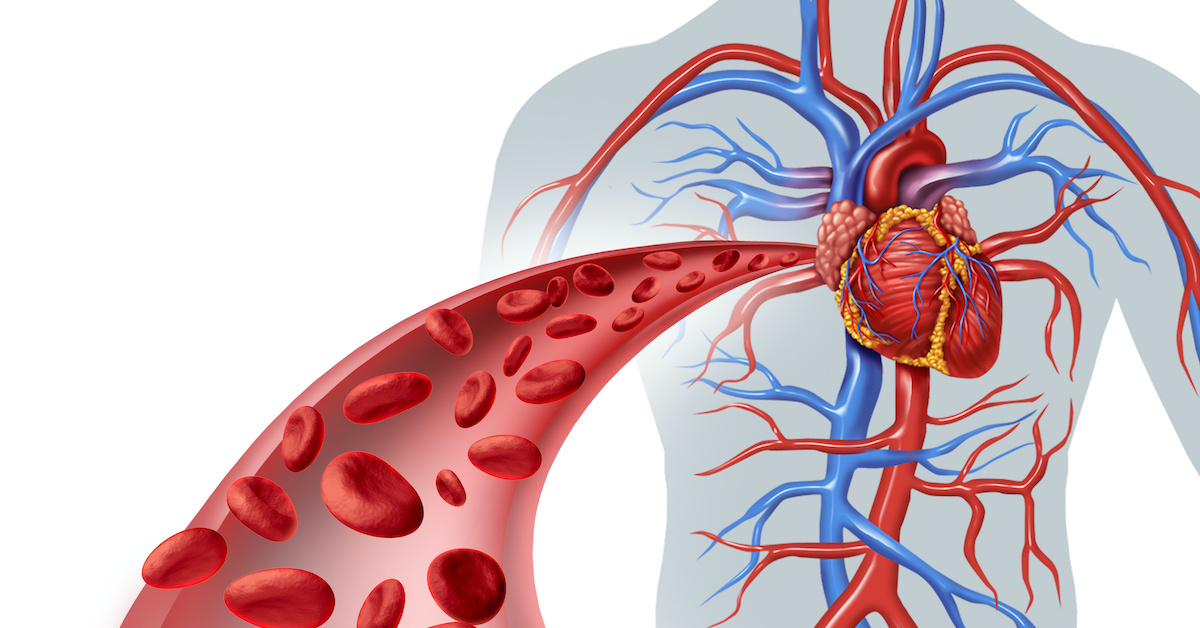
In clinical settings, technology is continuously refining non-invasive methods for assessing blood circulation. Techniques like Doppler ultrasound, while not new, are becoming more sophisticated and portable, allowing for quicker bedside assessments of blood flow in various parts of the body. Emerging technologies are also exploring advanced optical imaging and biosensor arrays to provide more detailed insights into microcirculation and tissue perfusion without the need for invasive procedures. These advancements enable earlier and more accurate diagnoses of peripheral artery disease, deep vein thrombosis, and other conditions that compromise blood flow.
Personalized Health Platforms and AI Integration
The convergence of wearable data, diagnostic technologies, and artificial intelligence is creating a powerful ecosystem for personalized health management, with a direct impact on improving blood circulation.
AI-Powered Health Insights and Recommendations
Artificial intelligence (AI) is transforming how we interpret health data. AI algorithms can analyze vast datasets from wearables, electronic health records, and even genetic information to identify complex patterns and predict potential health risks related to circulation. For individuals, this translates into personalized recommendations for diet, exercise, and sleep, tailored to their unique physiology and lifestyle. AI-powered platforms can offer proactive health management, flagging potential issues before they become serious and guiding users towards more effective circulatory health strategies.
Digital Therapeutics for Circulatory Health
The concept of “digital therapeutics” (DTx) is gaining traction, offering evidence-based therapeutic interventions delivered through software. For circulatory health, DTx platforms might include guided exercise programs designed to improve vascular function, cognitive behavioral therapy modules to manage stress, or personalized nutrition coaching. These programs are often integrated with wearable devices for progress tracking and can be prescribed by healthcare professionals, ensuring they are aligned with individual treatment plans. The accessibility and scalability of DTx make them a promising avenue for improving circulation on a population level.
Telehealth and Remote Monitoring Integration
Telehealth platforms have become indispensable, and their integration with circulatory health monitoring technologies offers significant advantages. Patients can share real-time data from their wearables and home-based diagnostic devices with their doctors remotely. This allows for more frequent check-ins, early detection of deteriorating conditions, and timely adjustments to treatment plans without the need for in-person visits. For individuals with chronic circulatory conditions, this continuous remote oversight can be life-changing, providing peace of mind and ensuring ongoing optimal management.
The Future of Circulatory Health Technology
The trajectory of technological innovation suggests an even more integrated and personalized future for managing and improving blood circulation.
Advanced Biosensors and Continuous Monitoring
Future innovations will likely focus on even more sophisticated and unobtrusive biosensors capable of continuously monitoring a wider range of circulatory biomarkers. This could include direct measurement of blood viscosity, endothelial function, and even the inflammatory markers that impact vascular health. Miniaturization and implantable or near-invisible sensors could offer unparalleled insights into an individual’s circulatory system.
Personalized Interventions Driven by Machine Learning
Machine learning will continue to refine personalized interventions. By analyzing individual responses to various stimuli – from specific foods to exercise regimens to environmental factors – AI can predict the most effective strategies for improving circulation for each person. This could lead to highly dynamic and adaptive health plans that evolve with the individual.
Integration with Smart Home and Environmental Systems
The concept of a “smart health home” is on the horizon. Imagine environments that automatically adjust lighting, temperature, and even air quality to optimize physiological conditions for circulation. Integrated systems could use data from personal wearables to create an optimal living and working environment, passively supporting cardiovascular well-being.
In conclusion, while the principles of good health remain constant, the tools and methodologies for achieving optimal blood circulation are undergoing a profound technological transformation. From the smartwatches on our wrists to the sophisticated AI guiding our health decisions, technology is empowering us with unprecedented insights and interventions. By embracing these advancements, individuals can proactively manage their circulatory health, leading to a healthier, more vibrant life.
aViewFromTheCave is a participant in the Amazon Services LLC Associates Program, an affiliate advertising program designed to provide a means for sites to earn advertising fees by advertising and linking to Amazon.com. Amazon, the Amazon logo, AmazonSupply, and the AmazonSupply logo are trademarks of Amazon.com, Inc. or its affiliates. As an Amazon Associate we earn affiliate commissions from qualifying purchases.