
Market crashes are often depicted in popular media as chaotic events characterized by shouting traders, flashing red screens, and a sense of impending doom. While the reality is often less cinematic, the economic implications are profound. For investors, a market crash represents a pivotal moment that can either devastate a portfolio or provide the foundation for generational wealth. Understanding exactly what happens when the market crashes—from the technical mechanics of the exchange to the psychological shifts in the investor collective—is essential for anyone looking to navigate the world of personal finance and investing.

The Anatomy of a Market Crash: Mechanics and Triggers
To understand a crash, one must first distinguish it from the normal “noise” of the financial markets. Markets fluctuate daily, but a crash is a sudden, dramatic, and often unexpected drop in stock prices across a significant cross-section of the market.
Defining the Crash: Correction vs. Bear Market
In financial terminology, these events are categorized by their severity. A “correction” is typically defined as a decline of 10% or more from a recent peak. This is often seen as a healthy part of a market cycle, trimming excess valuations. A “bear market,” however, occurs when prices drop 20% or more over a sustained period. A “crash” is the more violent cousin of the bear market—a double-digit percentage drop that occurs within days or even hours. When a crash happens, the primary driver is a total imbalance between buyers and sellers; when everyone wants to exit at once and there are no buyers at the current price, the “floor” falls out.
The Catalyst: Economic Indicators and Sentiment Shifting
Crashes rarely happen in a vacuum. They are usually triggered by a “black swan” event—an unpredictable incident that has potentially severe consequences—or the bursting of a speculative bubble. Whether it is a sudden geopolitical conflict, a banking failure, or a sharp rise in interest rates by the Federal Reserve, the catalyst shifts investor sentiment from “greed” to “fear.” Once this shift occurs, the selling becomes reflexive. Automated trading algorithms often exacerbate this; when certain price levels are breached, these programs trigger sell orders, creating a feedback loop that accelerates the downward momentum.
The Psychological and Physical Impact on Portfolios
The most immediate effect of a market crash is the rapid erosion of paper wealth. For the individual investor, seeing a retirement account lose 20% of its value in a single week can trigger a biological “fight or flight” response.
The Erosion of Paper Wealth
It is important to remember that until an asset is sold, these losses are “unrealized.” However, the physical reality of a crash is felt in the tightening of credit and the reduction of household net worth. When equity values drop, consumer confidence usually follows. People feel less wealthy, leading to reduced spending, which can then trickle down into the broader economy, potentially triggering a recession. For those nearing retirement, a crash can be particularly devastating if they do not have a “bucket” of cash or bonds to draw from, forcing them to sell equities at the worst possible time.
Liquidity Crises and the Margin Call Trap
For more aggressive investors, a market crash introduces the danger of a liquidity crisis. Many professional and retail traders use “margin”—borrowed money from a broker—to increase their buying power. When the value of the collateral (the stocks) drops below a certain level, the broker issues a “margin call,” demanding that the investor deposit more cash or sell their positions immediately. This forced selling adds more fuel to the fire. During a crash, liquidity—the ability to buy or sell an asset without affecting its price—often dries up. This means that even “good” stocks can see their prices plummet simply because they are the only things investors can sell to raise cash.
Institutional Responses and Regulatory Safeguards
Because a total market collapse can threaten the stability of the global economy, various institutional safeguards are in place to prevent a complete “free fall.”
Circuit Breakers: The Market’s Emergency Brake
Following the “Black Monday” crash of 1987, stock exchanges implemented “circuit breakers.” These are automated systems that temporarily halt trading when the market drops by a certain percentage. For example, in the United States, a 7% drop in the S&P 500 triggers a Level 1 circuit breaker, which halts trading for 15 minutes. A 13% drop triggers Level 2 (another 15-minute halt), and a 20% drop triggers Level 3, which suspends trading for the remainder of the day. These pauses are designed to give investors time to digest information, curb panic, and allow for a more orderly price discovery process.
Central Bank Intervention and Monetary Policy
When a market crash threatens the wider financial system, central banks like the Federal Reserve often step in. Their primary tool is the manipulation of interest rates. By lowering rates, the Fed makes borrowing cheaper, which can stimulate economic activity and make stocks look more attractive compared to low-yielding bonds. Additionally, central banks may engage in “Quantitative Easing” (QE), injecting liquidity directly into the financial system by purchasing government securities. While these measures can stabilize the market, they also carry long-term risks, such as inflation or the creation of new asset bubbles.
Strategic Navigating: Surviving and Thriving in Volatility
While a crash feels like an ending, for the disciplined investor, it is often a beginning. History has shown that every single market crash in history has eventually been followed by a recovery and new all-time highs.
Asset Allocation as a Defensive Shield
The best time to prepare for a crash is before it happens. Diversification is the only “free lunch” in investing. By spreading investments across different asset classes—stocks, bonds, real estate, and cash—an investor ensures that a crash in one sector doesn’t wipe out their entire net worth. During a stock market crash, high-quality government bonds often increase in value as investors seek a “safe haven,” providing a buffer for the overall portfolio. A well-allocated portfolio doesn’t stop the loss, but it makes the loss manageable enough to prevent panic selling.
Tax-Loss Harvesting and Rebalancing Opportunities
Proactive investors use a crash to optimize their tax situation and their portfolio structure. “Tax-loss harvesting” involves selling investments that are at a loss to offset capital gains in other areas, thereby reducing the investor’s tax bill. Furthermore, a crash often throws a portfolio’s target allocation out of balance. If your goal was to have 60% stocks and 40% bonds, a crash might leave you with 40% stocks and 60% bonds. “Rebalancing” involves selling some of the bonds that have held their value and buying more stocks at discounted prices. This forces the investor to “buy low,” which is the fundamental tenet of successful investing.
Long-Term Outlook: The Recovery Phase
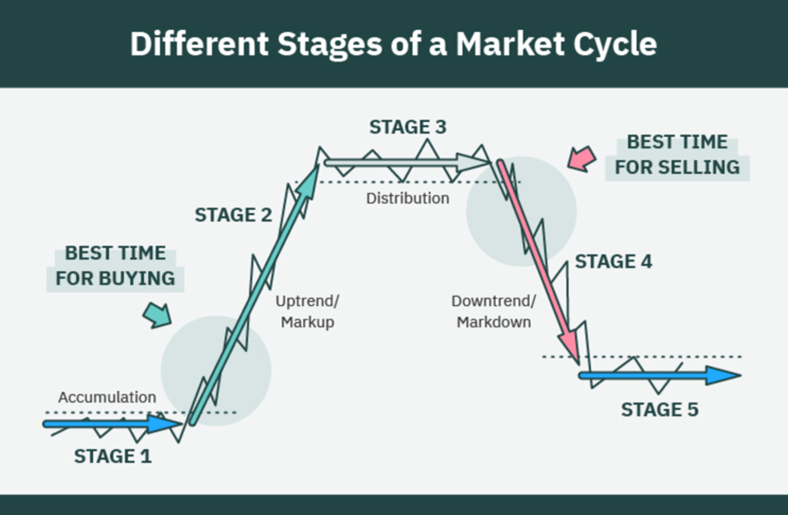
The period following a crash is often characterized by a “bottoming” process. This is a time of low volume and high skepticism, where the market moves sideways as it gathers the strength to climb again.
Historical Precedents of Resilience
If we look at the Great Depression, the 1987 crash, the Dot-com bubble of 2000, the 2008 Financial Crisis, and the 2020 COVID-19 crash, a clear pattern emerges: the market is resilient. Recovery times vary; the 2020 recovery was remarkably swift, while the recovery from the 1929 crash took decades. However, the trajectory of the market over long horizons (10+ years) has historically been upward, driven by corporate earnings growth, innovation, and global economic expansion. Understanding this history is the antidote to the fear that a crash generates.

The Role of Compounding During Bottoming Periods
One of the most powerful things that happens during a market crash is the increase in dividend yields. As stock prices fall, the dividend paid by a company (if maintained) represents a higher percentage of the stock’s price. For investors who reinvest their dividends, a crash allows them to accumulate significantly more shares for every dollar of dividend income received. Over time, these extra shares contribute heavily to the “compounding effect.” When the market eventually recovers, the investor doesn’t just return to their original balance; they often find themselves in a much stronger position because they owned more shares during the rebound.
In conclusion, a market crash is a test of both financial preparation and psychological fortitude. While it results in an immediate loss of valuation and triggers intense market volatility, it also activates systemic safeguards and creates unique opportunities for disciplined rebalancing. By understanding the mechanics of why markets fall and the historical certainty of their eventual rise, investors can move from a state of fear to a state of strategic readiness. The market crash is not the end of the journey; it is a volatile chapter in a much longer story of wealth creation.
aViewFromTheCave is a participant in the Amazon Services LLC Associates Program, an affiliate advertising program designed to provide a means for sites to earn advertising fees by advertising and linking to Amazon.com. Amazon, the Amazon logo, AmazonSupply, and the AmazonSupply logo are trademarks of Amazon.com, Inc. or its affiliates. As an Amazon Associate we earn affiliate commissions from qualifying purchases.