
The notion of a leadership transition in a country as geopolitically significant as Russia inevitably sparks intense speculation. While the political and military ramifications are often the primary focus of international discourse, the ripple effects extend far beyond traditional statecraft. For individuals, businesses, and indeed, the very fabric of the global economy, such an event would trigger profound shifts across technology landscapes, brand perceptions, and financial markets. This article delves into these less-explored, yet equally crucial, dimensions, examining how the eventual departure of Vladimir Putin from power could reshape the worlds of tech, brand, and money. We aim not to predict political outcomes, but to explore the predictable impacts on the interconnected systems that define our modern existence, offering insights for preparedness and strategic thinking.
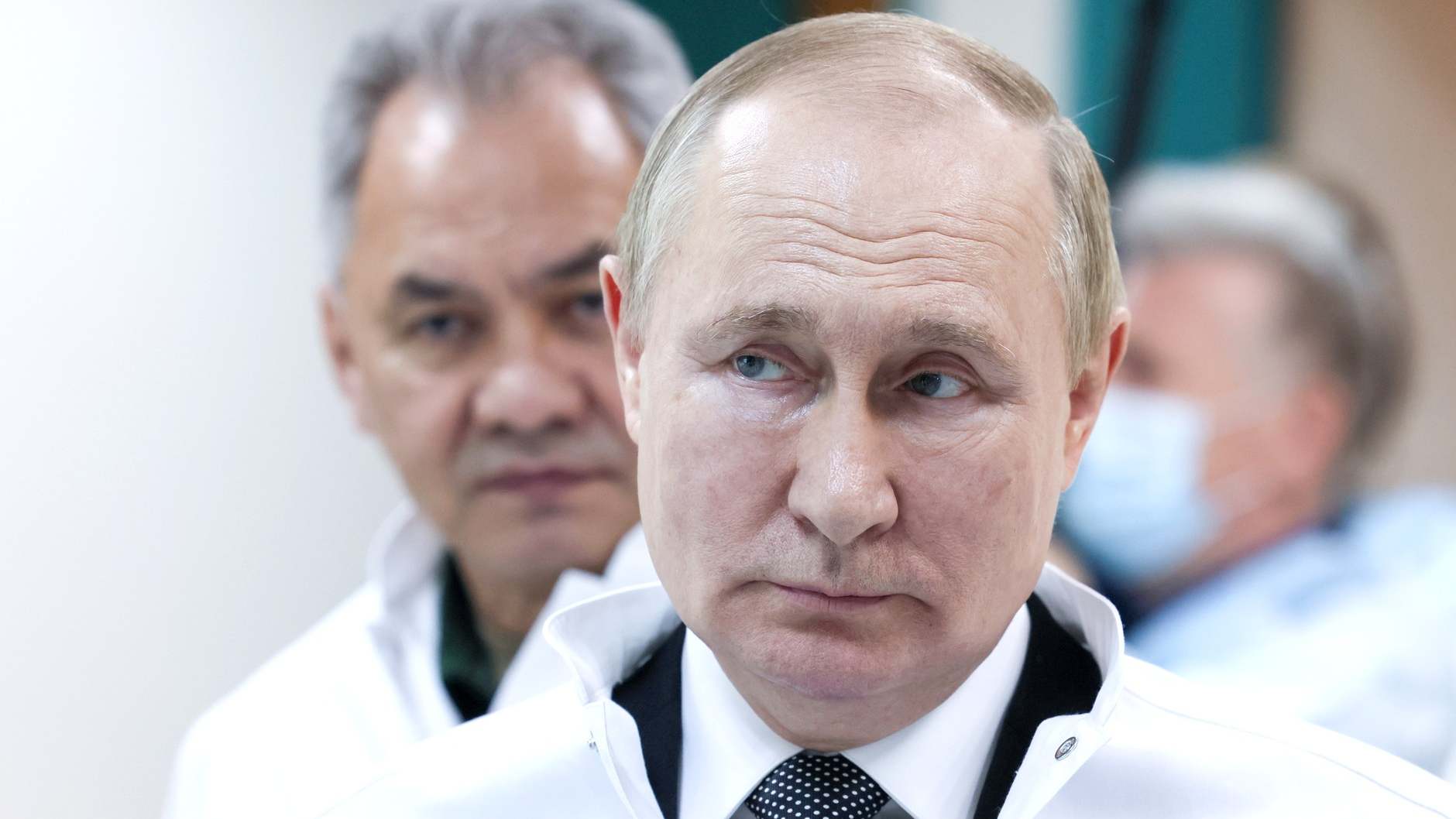
The Digital Fallout: Tech’s Resilience and Vulnerability
A sudden vacuum at the top of a major nation-state, especially one with a sophisticated cyber capability and a significant role in global energy and commodity markets, would send tremors through the digital realm. From the integrity of data networks to the stability of critical infrastructure, technology would be both a battleground and a potential stabiliser. The immediate aftermath could see heightened cyber activity, testing the resilience of digital security infrastructure worldwide, while longer-term shifts might reshape global tech supply chains and accelerate the adoption of new digital tools for governance and security.
Cyberwarfare and Digital Defense: A Post-Putin Paradigm
The specter of state-sponsored cyberattacks has loomed large in recent years, with Russia often implicated in various high-profile incidents targeting critical infrastructure, democratic processes, and corporate entities. In the event of a leadership transition, the immediate concern would be a potential surge in cyberwarfare. Various scenarios could unfold: a power struggle within Russia might see factions using digital means to gain an advantage or sow disinformation; external actors might test the new regime’s resolve; or a period of internal instability could lead to a less controlled proliferation of cyber tools and capabilities.
For governments and corporations globally, this necessitates a robust emphasis on digital security. Investments in advanced threat detection, AI-driven cybersecurity tools, and immutable ledger technologies for critical data authentication would become paramount. The focus would shift from reactive defense to proactive cyber resilience, simulating worst-case scenarios and establishing redundant systems. Companies developing enterprise security software, incident response platforms, and AI-powered anomaly detection tools would likely see increased demand. Furthermore, the push for digital sovereignty could accelerate, with nations investing more in their own national digital infrastructures and reducing reliance on foreign-controlled systems, fostering new opportunities for local tech ecosystems.
Tech Supply Chains Under Strain: Rethinking Global Dependencies
Russia, while not a dominant player in high-tech manufacturing, holds significant sway over the supply of critical raw materials essential for the tech industry, including rare earth elements, palladium, and nickel. Any major political instability could disrupt these supply chains, causing price spikes and production delays for everything from smartphones and electric vehicles to advanced semiconductors. This would accelerate existing trends towards diversification and regionalisation of supply chains, initially spurred by geopolitical tensions and the COVID-19 pandemic.
Companies would intensify efforts to “de-risk” their operations by identifying alternative sources, investing in domestic production capabilities, and exploring circular economy models to reduce reliance on newly extracted materials. This presents a dual challenge and opportunity for the tech sector. On one hand, it could drive up costs and slow innovation if critical components become scarce. On the other hand, it could spur a new wave of innovation in material science, recycling technologies, and automated manufacturing, potentially leading to more resilient and sustainable tech production ecosystems. AI tools for supply chain optimization, predictive analytics for risk assessment, and blockchain for transparent material tracking would become indispensable.
The Role of AI and Data in Information Control
In a period of significant political flux, information becomes a critical commodity. Artificial intelligence, particularly in areas like natural language processing, deepfakes, and automated content generation, could play a dual role. It could be used by those seeking to control narratives, spread disinformation, or suppress dissent within Russia, or by external actors attempting to influence the transition. The ethical implications of AI’s use in information warfare would intensify, pushing for greater global cooperation on AI governance and the development of robust AI ethics frameworks.
Conversely, AI could also be a tool for transparency and verification. AI-powered fact-checking algorithms, open-source intelligence (OSINT) platforms, and citizen journalism apps could help counter misinformation and provide real-time insights into unfolding events. This duality highlights the urgent need for both defensive and offensive strategies related to AI in the information sphere, making investments in trustworthy AI, explainable AI, and ethical AI development not just a corporate responsibility but a geopolitical imperative.
Branding Russia, Rebranding Power: Identity in Transition
The “brand” of a nation, like that of a corporation or an individual, is meticulously constructed and fiercely protected. For decades, Russia under Putin has projected a specific image on the global stage – one of strong leadership, geopolitical assertiveness, and often, defiance. A leadership change would necessitate a complete re-evaluation, and potentially, a radical transformation of this national brand. This re-branding exercise would not only affect Russia itself but also influence corporate identities, personal brands of new leaders, and the broader landscape of global marketing and reputation management.
Russia’s National Brand: From Autocracy to… What?
The national brand of Russia has been significantly shaped by Vladimir Putin’s long tenure, defined by a narrative of restoring national pride, military strength, and a rejection of Western liberal norms. When he exits the stage, the vacuum created would prompt an intense internal and external struggle over Russia’s future identity. Will it lean towards greater openness and integration with the West, or double down on its Eurasian identity? The direction chosen by the new leadership, and how effectively they communicate it, will define the “new Russia” brand.
This rebranding process would be a monumental undertaking, involving strategic communication, public diplomacy, and potentially, significant policy shifts. International relations firms, PR agencies, and digital marketing strategists would find themselves in a unique position to either facilitate or counter the narratives emerging from a transitional Russia. The success or failure of this rebranding would have profound implications for its attractiveness as an investment destination, a cultural partner, and an international actor. Brands that have previously exited or reduced their presence in Russia would face complex decisions about potential re-entry, weighing ethical considerations against market opportunities, depending on the evolving national brand.
Corporate Identity and Geopolitical Risk: Navigating the Brand Minefield
For multinational corporations, operating in or interacting with Russia has become a high-stakes brand management challenge, particularly since 2022. The departure of Putin would introduce a fresh layer of complexity. Depending on the nature of the succession and subsequent policy shifts, companies might face renewed pressure regarding their ethical positioning. A more open Russia could present opportunities for re-engagement, but also risks if the transition is unstable or if Western sanctions remain in place or are intensified.
Corporate identity and reputation management strategies would need to be exceptionally agile. Businesses would require sophisticated intelligence gathering and risk assessment tools to monitor the evolving political and social landscape within Russia. Brand strategists would advise on how to navigate potential consumer boycotts, investor scrutiny, and employee morale, ensuring that corporate values align with market actions. The ability to adapt brand messaging rapidly, demonstrating both empathy and strategic foresight, would be crucial. Case studies emerging from this period would undoubtedly become foundational texts in future brand strategy curricula.
The Personal Brand of Succession: Crafting a New Image
Any successor to Putin would face the immediate and daunting task of establishing their own personal brand, both domestically and internationally. This isn’t just about PR; it’s about projecting legitimacy, authority, and a clear vision for the future. The new leader would need to differentiate themselves from the past while potentially reassuring elements of the old guard. Their communication style, public appearances, social media presence, and policy pronouncements would be meticulously scrutinised to discern their character and intentions.
Personal branding experts, digital strategists, and speechwriters would be at the forefront, crafting narratives designed to build trust, inspire confidence, and articulate a coherent strategic direction. This process would involve leveraging modern communication channels, understanding global media landscapes, and potentially engaging in extensive personal diplomacy. The contrast or continuity with Putin’s own carefully cultivated strongman image would be a central element of this branding exercise, influencing everything from market reactions to international alliances.
Money Matters: Financial Aftershocks and Investment Strategies
The financial world is inherently sensitive to geopolitical shocks, and the demise of a long-serving leader in a major resource-rich nation like Russia would undoubtedly trigger significant market volatility. Investors, businesses, and individuals would need to navigate a landscape of uncertainty, where traditional safe havens might be tested, and new opportunities, or risks, could emerge. The implications for personal finance, global investment strategies, and the future of financial tools would be profound.
Global Markets on Edge: Volatility and Investor Response
The initial reaction of global financial markets to news of Putin’s death would likely be one of heightened volatility. Energy markets, particularly crude oil and natural gas, would be especially susceptible to sudden price swings due to Russia’s critical role as a supplier. Similarly, commodity markets for metals and grains could experience significant fluctuations. Equity markets, especially those with exposure to emerging markets or sectors heavily reliant on Russian resources, would likely see sharp movements.
Investors would flock to traditional safe-haven assets like gold, certain government bonds (e.g., US Treasuries, German Bunds), and potentially cryptocurrencies perceived as uncorrelated to traditional finance, though the latter’s stability in extreme shocks remains debated. Financial institutions would activate contingency plans, stress-testing portfolios for geopolitical risk and advising clients on defensive strategies. Algorithmic trading systems would be challenged to process the sudden influx of news and adjust to unprecedented market conditions, highlighting the need for robust AI models that can distinguish genuine structural shifts from short-term panic.
Energy Futures and Commodity Prices: The Geopolitical Premium
Russia is a primary global supplier of oil, natural gas, wheat, palladium, and other critical commodities. Any period of instability following a leadership change could lead to disruptions in supply, either through internal upheaval, changes in export policy by a new regime, or a reassessment of international sanctions. This would inject a significant “geopolitical premium” into commodity prices, impacting everything from manufacturing costs to consumer energy bills globally.
Businesses heavily reliant on these commodities would need to hedge against price volatility using financial derivatives, and explore supply diversification. Personal finance planning would need to account for potential inflationary pressures, as higher energy and food costs trickle down to consumers. The shift towards renewable energy and energy independence could accelerate further, driven by the desire to reduce vulnerability to geopolitical shocks in traditional energy markets. This would present substantial investment opportunities in green tech, sustainable infrastructure, and alternative energy solutions.
Navigating Personal Finance: Safeguarding Wealth Amid Uncertainty
For the average individual, the direct impacts on personal finance might seem distant, but they are real. Inflationary pressures from commodity price increases, potential interest rate hikes by central banks to combat inflation, and stock market volatility could erode savings and investment returns. Those with international portfolios or investments in emerging markets would need to be particularly vigilant.
Financial advisors would recommend reviewing asset allocations, ensuring diversification, and maintaining adequate emergency funds. Investing in resilient sectors, companies with strong balance sheets, and those less exposed to geopolitical risk would be prudent. Digital financial tools offering real-time market analysis, automated portfolio rebalancing, and robust security features for online banking would become even more critical for managing personal wealth effectively in turbulent times. Opportunities in online income generation might also shift, with greater demand for skills that support remote work, digital security, and supply chain resilience.
The Future of Financial Tools: From Sanctions to Reconstruction
The existing sanctions regime against Russia has already spurred innovation in financial technology, particularly concerning digital currencies and cross-border payment systems. A post-Putin era, depending on its trajectory, could either see a gradual unwinding of these sanctions, leading to reintegration into global financial networks, or an intensification if the new regime proves equally hostile.
Regardless, the experience of managing a sanctioned economy has highlighted the potential of decentralised finance (DeFi) and central bank digital currencies (CBDCs) as alternatives to traditional SWIFT-based systems. A transition period could accelerate the development and adoption of these tools, both for circumvention of potential new sanctions and for building new, more resilient financial infrastructures. Fintech companies focusing on secure digital transactions, blockchain-based financial instruments, and transparent auditing tools would be at the forefront of these developments, shaping the future of global finance.
In conclusion, while the immediate political succession following Vladimir Putin’s death is inherently unpredictable, its reverberations through the domains of technology, brand, and money are certain. A world already grappling with rapid digitisation, evolving brand narratives, and complex financial interdependencies would be forced to adapt to a new geopolitical reality. From securing digital perimeters and reimagining national brands, to recalibrating investment strategies and fostering resilient financial ecosystems, the responses to such an event would define a new chapter in global affairs. Preparedness, foresight, and an acute understanding of these interconnected forces will be essential for navigating what promises to be a period of significant transformation.
aViewFromTheCave is a participant in the Amazon Services LLC Associates Program, an affiliate advertising program designed to provide a means for sites to earn advertising fees by advertising and linking to Amazon.com. Amazon, the Amazon logo, AmazonSupply, and the AmazonSupply logo are trademarks of Amazon.com, Inc. or its affiliates. As an Amazon Associate we earn affiliate commissions from qualifying purchases.