
In the realm of modern marketing, few things are as unpredictable as the intersection of pop culture and corporate reputation. For decades, brands have fought for “product placement”—the chance to have their logo seen in a hit movie or television show. However, in early 2018, the legacy brand Crock-Pot found itself at the center of a PR nightmare it didn’t ask for and certainly didn’t pay for. When the NBC hit drama This Is Us revealed that the beloved patriarch, Jack Pearson, met his demise due to a fire caused by a faulty, vintage slow cooker, the brand’s equity was suddenly up in flames.
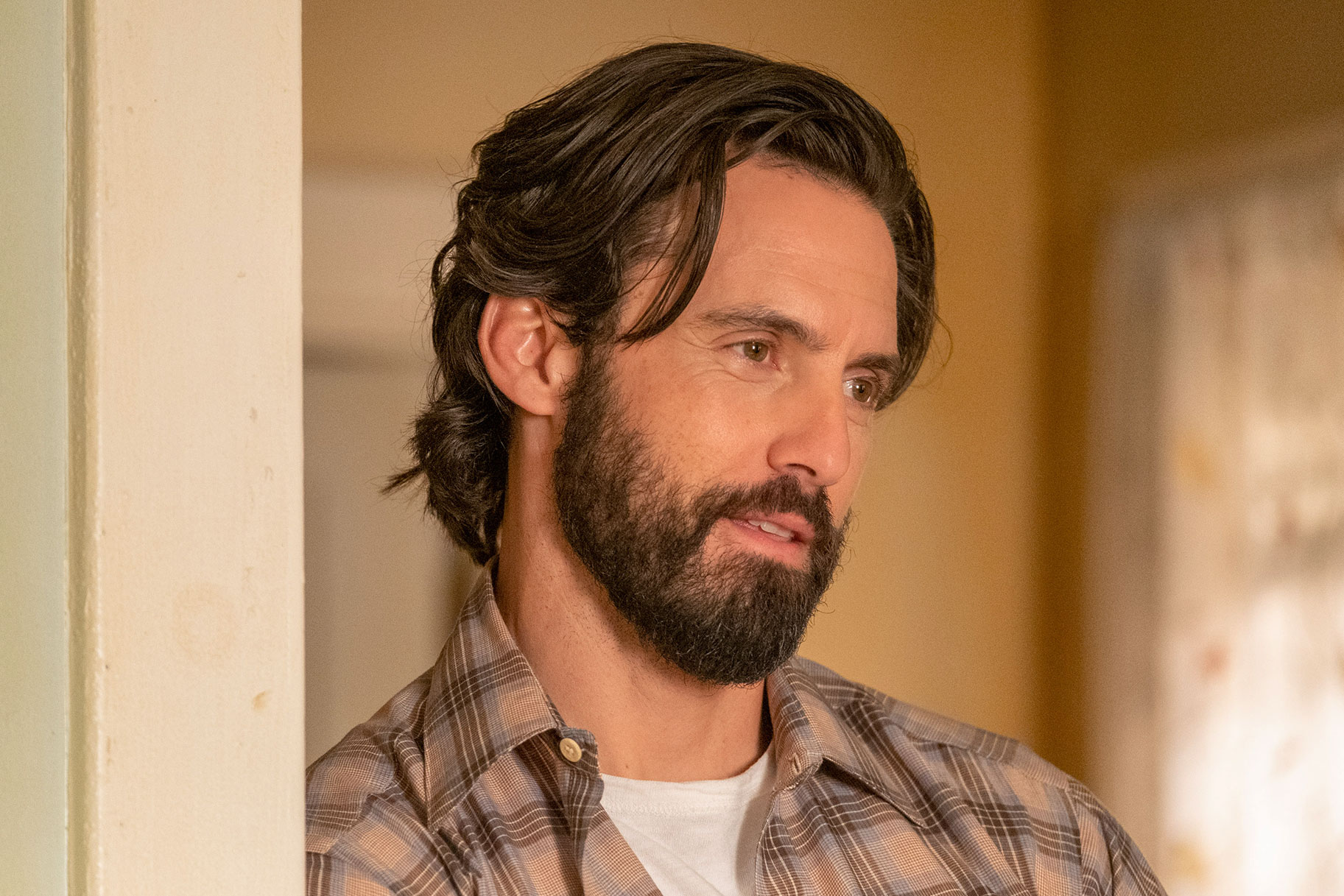
What happened to Jack Pearson became a defining moment for the television show, but it also became a landmark case study in brand strategy and crisis management. This article explores how a fictional narrative nearly derailed a multi-million-dollar brand and the strategic maneuvers that allowed Crock-Pot to not only survive the firestorm but emerge with a modernized brand identity.
The Intersection of Fiction and Reality: How “This Is Us” Challenged a Legacy Brand
For the uninitiated, the mystery of Jack Pearson’s death was the driving narrative engine of This Is Us for nearly two seasons. When the reveal finally happened—a faulty switch on a decades-old slow cooker sparked a house fire—the audience’s reaction was visceral. Within minutes of the episode airing, the brand name “Crock-Pot” was trending globally, but for all the wrong reasons.
The Narrative Power of Jack Pearson’s Exit
Jack Pearson was more than just a character; he was a cultural symbol of the “perfect father.” Because the audience had such a deep emotional investment in his journey, the tool of his destruction was immediately vilified. This is a phenomenon known as “narrative transportation,” where viewers become so immersed in a story that their real-world attitudes and intentions are influenced. In this case, the emotional weight of Jack’s death translated into a tangible fear of the appliance sitting on the viewers’ kitchen counters.
When Storytelling Becomes a PR Nightmare
Immediately following the episode, Crock-Pot’s stock price and social media sentiment plummeted. Consumers began posting photos of themselves throwing away their slow cookers. The brand was facing a unique challenge: they weren’t defending themselves against a real product recall or a manufacturing defect, but against a fictional event. In the eyes of the consumer, the distinction between the “fictional” faulty switch and the “real” product in their kitchen had blurred. This necessitated a brand strategy that addressed emotional logic rather than just technical facts.
Crisis Management in the Social Media Age
The speed at which the “Crock-Pot Gate” unfolded meant that the brand could not afford a traditional, slow-moving corporate response. They had to pivot from a legacy manufacturing mindset to a digital-first communication strategy.
Immediate Response: The Art of De-escalation
Crock-Pot’s first move was to join the conversation where it was happening: Twitter (now X). Interestingly, prior to this crisis, the brand’s social media presence was relatively quiet. They quickly created an account and began responding to individual concerns with a blend of empathy and technical reassurance. Their messaging was clear: “Jack Pearson is a fictional character, but our commitment to safety is real.” By addressing individuals directly, they humanized a faceless corporation and began to lower the collective heart rate of their consumer base.
Leveraging Transparency to Rebuild Trust
To combat the fear, the brand’s strategy shifted toward radical transparency. They released technical data regarding the safety of their heating elements and the rigorous testing their products undergo. However, they realized that facts alone wouldn’t win back the hearts of grieving fans. They worked closely with NBC to ensure that the show’s creators also spoke out. When Dan Fogelman, the creator of This Is Us, tweeted a reminder that the slow cooker in the show was “an ancient version” and that “we all love our Crock-Pots,” it provided the third-party validation the brand desperately needed.

Reclaiming the Narrative: Brand Strategy Lessons from Crock-Pot
The recovery of Crock-Pot serves as a masterclass in how to handle a “black swan” brand event. The brand didn’t just play defense; they eventually moved to offense, turning the crisis into a moment of brand revitalization.
Humanizing the Corporate Voice
One of the most successful elements of their strategy was the “Crock-Pot is Innocent” campaign. This campaign utilized a tone that was lighthearted yet respectful of the show’s impact. By adopting the hashtag #CrockPotIsInnocent, the brand signaled that they were “in on the joke” while still taking safety concerns seriously. This approach helped bridge the gap between a corporate entity and a fan community, transforming the brand from a villain into a fellow fan of the show.
Turning a Threat into a Marketing Opportunity
The pinnacle of this strategy was the Super Bowl commercial featuring Milo Ventimiglia, the actor who played Jack Pearson. In the ad, Ventimiglia is seen scooping chili from a Crock-Pot, offering a metaphorical “olive branch” to the appliance. This was a brilliant move in personal branding and corporate partnership. By having the “victim” of the fictional fire endorse the product in real life, the brand effectively closed the loop on the crisis. It was a high-stakes move that required significant investment, but it successfully neutralized the negative sentiment just as the “crock-pot season” (winter) was at its peak.
The Long-Term Impact on Consumer Perception
Years after the “Jack Pearson” incident, the lessons learned continue to influence how brands approach product placement and narrative risk. The event proved that a brand’s identity is not just what the company says it is, but what the culture decides it is.
Data-Driven Brand Recovery
Following the crisis, Crock-Pot saw an eventual rebound in sales, proving that their proactive strategy worked. They began to use social listening tools more aggressively to monitor sentiment in real-time. This shift from a reactive to a proactive brand posture is essential for any legacy company operating in an era where a single viral tweet or TV plot point can shift market value overnight. They learned that a brand must be a living participant in the cultural conversation, not just a spectator.
Ensuring Product Safety as a Brand Pillar
Finally, the “This Is Us” incident forced Crock-Pot to make safety a more visible part of its brand DNA. While the products were always safe, the perception of safety became a marketing priority. This included updated manuals, clearer safety labeling, and digital content focused on the longevity and durability of modern appliances versus vintage ones. By reinforcing the “Brand Pillar” of safety, they insulated themselves against future narrative shocks.

Conclusion: The Resilience of a Well-Managed Brand
What happened to Jack in This Is Us was a tragedy for television fans, but for the Crock-Pot brand, it was a trial by fire—literally and figuratively. The crisis highlighted the volatile nature of brand reputation in the 21st century, where the lines between entertainment and reality are increasingly porous.
Through a combination of rapid social media engagement, transparent communication, and a clever partnership with the very creators who “caused” the problem, Crock-Pot managed to save its reputation. They proved that even when a brand is cast as the villain in a national narrative, it can rewrite the ending of its own story through strategic action and authentic engagement. Today, the case remains a definitive example of how brand strategy must be agile, empathetic, and, above all, deeply connected to the cultural pulse of the audience.
aViewFromTheCave is a participant in the Amazon Services LLC Associates Program, an affiliate advertising program designed to provide a means for sites to earn advertising fees by advertising and linking to Amazon.com. Amazon, the Amazon logo, AmazonSupply, and the AmazonSupply logo are trademarks of Amazon.com, Inc. or its affiliates. As an Amazon Associate we earn affiliate commissions from qualifying purchases.