
Lois Lowry’s seminal dystopian novel, The Giver, concludes with one of the most debated and profoundly ambiguous endings in young adult literature. Far from providing a neat resolution, the final chapters thrust protagonist Jonas, and by extension the reader, into a chilling journey toward an uncertain future, challenging our perceptions of utopia, memory, and what it truly means to be human. This conclusion, while leaving many questions unanswered, serves as a powerful commentary on the trade-offs between comfort and freedom, a theme that resonates deeply in our modern world, particularly when viewed through the lenses of technology, branding, and economic structures.
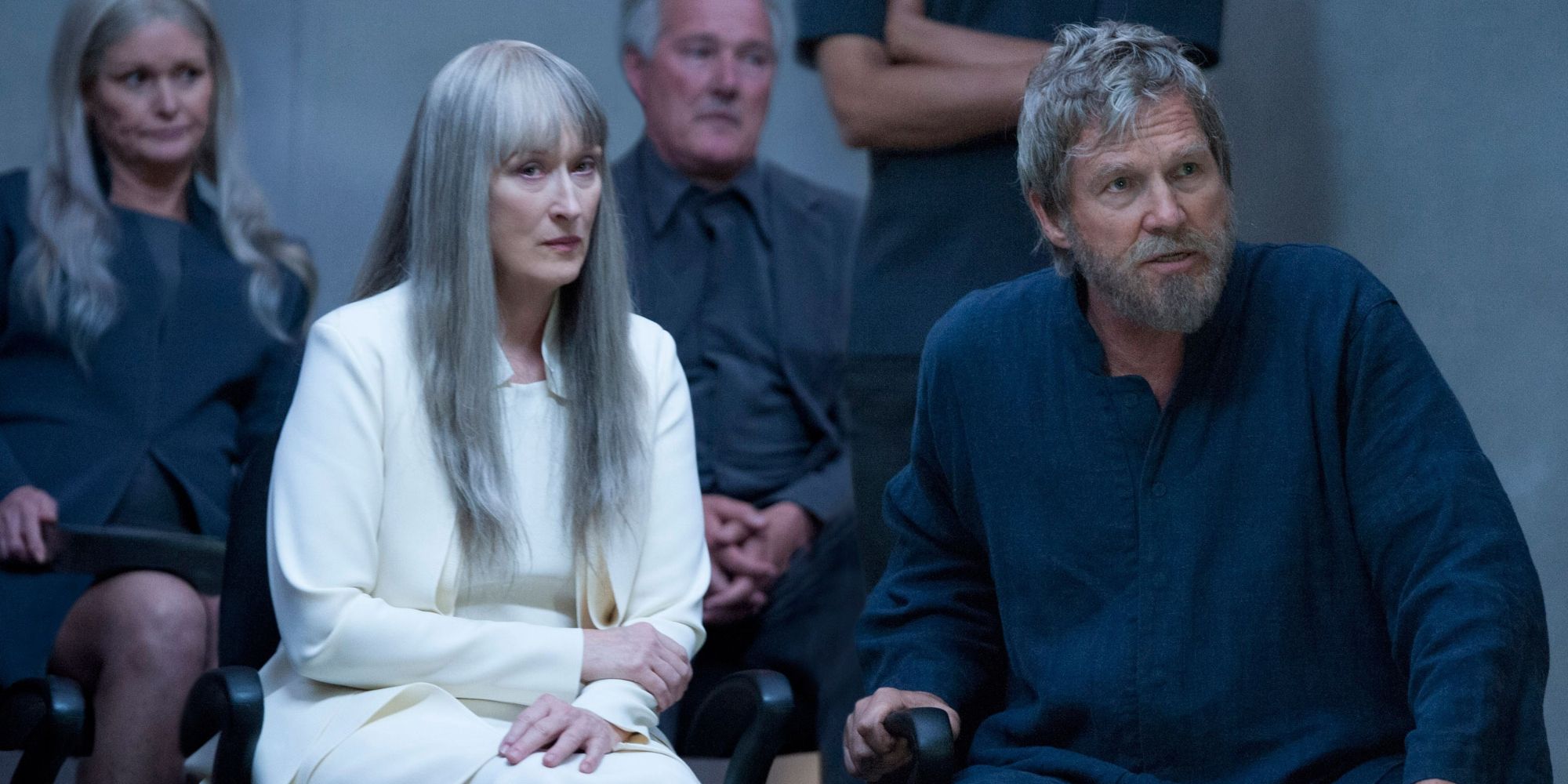
The Community in The Giver is meticulously designed to eliminate pain, conflict, and individuality, achieving what it perceives as perfect “Sameness.” Citizens live in a state of controlled ignorance, devoid of strong emotions, personal choice, and historical memory. Jonas, designated as the new Receiver of Memory, is tasked with holding the collective memories of humanity – both joyful and painful – for the community, a burden too great for ordinary citizens. This unique role, combined with his burgeoning capacity for feeling, sets him on a collision course with the very foundations of his society. The ending details his desperate escape, clutching baby Gabriel, toward an unknown place called “Elsewhere,” an act of rebellion against a system that has stifled genuine human experience for generations.
The Climax of Conformity: Jonas’s Flight to Elsewhere
The final act of The Giver is a breathtaking and perilous flight, symbolizing a desperate struggle for autonomy against an oppressive, albeit benignly intended, system. Jonas’s journey is not just a physical one; it is a profound philosophical and emotional exodus from a world that has exchanged the rich tapestry of human experience for sterile safety.
A World Stripped of Memory: The Burden of the Receiver
Jonas’s awakening begins as he receives memories from the Giver, the previous Receiver. These memories reveal the vibrant, chaotic, and beautiful world that existed before “Sameness” – a world of color, music, love, and profound suffering. He learns about war, starvation, loneliness, but also about intense joy, the warmth of family, and the exhilaration of individual choice. This knowledge is a heavy burden, as it isolates him from his unfeeling community and reveals the horrifying truth of their existence, including the practice of “release” – a euphemism for euthanasia – and the deliberate suppression of all genuine emotion. He discovers that his society’s comfort is predicated on a profound sacrifice: the essence of humanity itself. This realization is the catalyst for his ultimate decision to flee. He cannot unsee what he has seen, nor unfeel what he has felt, and the prospect of returning to a life of numb conformity is unbearable.
The Desperate Escape: Seeking True Humanity
Jonas’s plan is daring and dangerous. He intends to escape the Community, taking with him baby Gabriel, who is scheduled for “release” due to his failure to thrive in the regulated environment. Jonas understands that by leaving, he will release all the memories he carries back into the Community, potentially awakening its citizens to the truth of their past and the emotional depth they have lost. The journey is arduous, marked by hunger, cold, and constant fear of pursuit. He shares the memories of warmth and sustenance with Gabriel, a testament to the power of shared human experience and empathy that his former community lacked. Their survival becomes a metaphor for the resilience of the human spirit and the inherent need for connection and genuine emotion, even in the face of overwhelming odds. Every step away from the Community is a step toward embracing the full spectrum of life, pain and joy included.
The Ambiguous Horizon: A Glimmer of Hope or Illusion?
The ending of The Giver is famously open-ended, leaving readers to ponder the fate of Jonas and Gabriel. As they near starvation and freezing, Jonas perceives lights in the distance and hears music, a phenomenon unknown in his former sterile world. He recognizes the music, recalling a memory the Giver had transmitted to him, suggesting he has reached a place where such things exist. He finds a sled, reminiscent of his first transmitted memory, and rides it down towards the lights, filled with hope and a sense of arriving “home.” This final scene is both poignant and enigmatic. Did Jonas and Gabriel truly find “Elsewhere,” a place of genuine human connection and emotion? Or, on the brink of death, did Jonas experience a final, vivid hallucination, a beautiful illusion before succumbing to the elements? Lowry deliberately leaves this unresolved, inviting readers to consider the powerful human need for hope, even when facing the unknown, and to question the nature of utopia itself.
The Giver’s Enduring Legacy in a Tech-Driven World
The dystopian vision of “Sameness” in The Giver finds unsettling parallels in our modern, technologically advanced society. While not as overtly controlled, the subtle influences of AI, algorithms, and digital information shape our perceptions, behaviors, and even our memories, prompting us to consider the ethical implications of technological “progress.”
AI, Algorithmic Control, and the “Sameness” of Information
In The Giver, society is governed by an unseen hand that meticulously controls every aspect of life, from careers to emotions. Today, we witness a different, often invisible, form of control through artificial intelligence and algorithms. Social media feeds are curated to show us content that reinforces our existing beliefs, creating echo chambers and filter bubbles that limit our exposure to diverse perspectives – a digital “Sameness” of information. AI-driven recommendations in shopping, entertainment, and even news can subtly nudge us towards conformity, shaping our tastes and opinions without our conscious awareness. This raises questions: Are we, like the citizens of Jonas’s community, unknowingly relinquishing our individuality and critical thinking skills for the sake of convenience and perceived comfort? The relentless pursuit of optimizing user experience can lead to a homogenization of thought and culture, effectively ‘releasing’ dissent and unique viewpoints by simply making them less visible. The fear isn’t of an explicit government banning books, but of algorithms subtly deprioritizing them to the point of irrelevance.
Preserving Memory in the Digital Age: From The Giver’s Role to Digital Archiving
The Giver’s role as the sole keeper of historical memory highlights the critical importance of remembering the past, both good and bad, to inform the present and future. In our digital age, the concept of memory is undergoing a radical transformation. We have unprecedented abilities to record, archive, and access vast amounts of information – digital photos, videos, documents, and online interactions. Yet, this digital abundance also presents challenges. Digital memory is fragile, susceptible to data loss, technological obsolescence, and deliberate manipulation. Who controls these archives? What gets preserved, and what is discarded or forgotten in the digital noise? The potential for historical revisionism, “deepfakes,” and the erosion of truth through misinformation mirrors the selective memory suppression in Jonas’s community. Just as the Giver bore the burden of truth, we collectively bear the responsibility of critically evaluating and preserving our digital heritage to ensure a genuine and complete understanding of our past, rather than a curated, sanitized version.
The Ethical Dilemmas of Technological “Utopia” and Human Autonomy
The Community in The Giver represents a technologically advanced society that has engineered a form of “utopia” by eliminating suffering, disease, and conflict. However, this comes at the cost of love, joy, individuality, and personal autonomy. In our quest for technological solutions to societal problems – from genetic engineering to extend life and eliminate disease, to AI-driven systems designed to optimize public safety or resource allocation – we face similar ethical dilemmas. How much human choice and natural variability are we willing to sacrifice for a perfectly optimized, comfortable existence? Technologies like CRISPR can alter human genes, potentially eradicating inherited diseases but also raising concerns about “designer babies” and a new form of “Sameness” dictated by genetic perfection. The promise of an AI-managed society that could eliminate poverty or crime is alluring, but at what point does such a system infringe upon individual freedoms and the right to make one’s own mistakes and learn from them? The Giver serves as a cautionary tale, urging us to question whether the pursuit of a technologically perfect world might inadvertently strip away the very essence of what makes us human.

Branding Sameness: The Corporate Identity of a Controlled Society
The concept of “Sameness” in The Giver is not merely a social construct but a meticulously crafted brand strategy, an omnipresent corporate identity designed to ensure conformity, stability, and the complete absence of distinguishing individual characteristics. It illustrates how an entire society can be “branded” for a specific outcome, with profound implications for personal identity and reputation.
The Brand of “Community”: Selling Conformity and Eliminating Choice
The Community in The Giver effectively sells itself as the ultimate brand of security, comfort, and order. Its core “brand values” are precision of language, uniformity of dress, predictable routines, and the eradication of pain and conflict. Every aspect of life, from the dwelling units to the transportation, the designated careers, and even the carefully chosen “family units,” reinforces this brand of collective harmony. There is no individual branding, no competition, no need for personal expression because the overarching brand of “Community” subsumes all individual identity. Children are not born but “assigned”; parents are not chosen but “matched.” This eliminates the messy variables of personal choice, ensuring that every citizen fits seamlessly into the grand design. Deviation from this brand is not just discouraged; it is pathologized and ultimately “released,” demonstrating the extreme measures taken to maintain the integrity of the “Sameness” brand. This deliberate suppression of individuality mirrors historical and contemporary attempts by regimes or even corporations to create monolithic cultures that discourage independent thought.
Personal Branding in a World Without Individuality: Jonas’s Subversive Act
In a world where personal branding is systematically eliminated, Jonas’s journey becomes an act of radical anti-branding. His rejection of “Sameness” is, in essence, an attempt to forge his own personal brand – one defined by memory, emotion, and autonomy. When he experiences color, music, and love, he is developing a unique identity that clashes with the community’s monochromatic identity. His choice to flee, taking Gabe with him, is the ultimate declaration of his individual brand: a brand of freedom, empathy, and the pursuit of genuine human experience, however difficult. He becomes a living counter-narrative, a rogue brand ambassador for a different kind of world. This act resonates with modern discussions of personal branding, where individuals often strive to stand out, articulate their unique values, and build a distinct identity in a crowded digital space. Jonas’s rebellion highlights that even in the most controlled environments, the human spirit’s innate desire for individuality can emerge as a powerful, subversive “brand.”
Reputation Management in a Transparent Society: The Cost of Deviation
The Community operates on a strict system of reputation management, where public perception and adherence to rules are paramount. Any deviation, even a slight one, is publicly acknowledged and corrected. Children are encouraged to confess minor transgressions, and apologies are ritualized. Major deviations, like Asher’s imprecision of language as a child or Jonas’s ultimate defiance, threaten the very fabric of the community’s meticulously maintained image of perfection and order. The concept of “release” for those who do not fit the mold is the ultimate form of reputation control, eliminating any potential threats to the established brand. In our modern context, online reputation management is a critical concern for individuals and organizations. A single misstep can be amplified globally, leading to significant social or professional repercussions. The community in *The Giver” takes this to the extreme, illustrating a society where the collective reputation is so vital that individual deviance is seen as an existential threat, demanding erasure rather than rehabilitation.
The Economy of Emotion: Valuing Control Over Capital
While The Giver does not explicitly delve into monetary systems, the economic implications of “Sameness” are profound. It presents a society where traditional notions of capital and wealth are absent, replaced by a system that prioritizes stability, predictability, and the eradication of economic disparities at the expense of human emotion and individual ambition.
Resource Allocation in a Post-Scarcity Utopia: A Different Kind of Wealth
The Community in The Giver appears to exist in a state of carefully managed post-scarcity. Food, housing, and clothing are uniformly provided, eliminating poverty and economic competition. Each citizen is “assigned” a role, contributing to the collective, and resources are allocated based on perceived need, not individual accumulation. This eliminates the traditional markers of wealth – private property, financial assets, personal income – and replaces them with a communal distribution system. The “wealth” of this society is its stability, its lack of want, and its freedom from the anxieties associated with economic struggle. However, this economic security comes at the cost of personal choice, innovation driven by competition, and the intrinsic human desire for growth and improvement beyond basic needs. It posits a different kind of value system, one where communal well-being and predictability are considered the ultimate forms of capital.
The Hidden Costs: What is Sacrificed for Economic Stability?
The economic stability of the Community comes with significant hidden costs, primarily in the form of emotional depth, creativity, and personal freedom. In a society where everyone has exactly what they need, there is no drive for innovation, no entrepreneurial spirit, no pursuit of personal wealth or unique crafts. The absence of suffering also means an absence of profound joy, love, and passion. These are the non-monetary costs of “Sameness” – the intangible wealth of human experience that is sacrificed for predictable economic comfort. The novel makes a powerful argument that true prosperity is not merely about material abundance or the absence of want, but about the richness of life lived, with all its accompanying joys and sorrows, triumphs and failures. The Community achieves economic equality but at the expense of human flourishing.
Modern Parallels: UBI, Sustainable Economies, and the Price of Progress
The Community’s model, though extreme, prompts reflections on modern economic discussions. Concepts like Universal Basic Income (UBI) aim to eliminate poverty and provide a safety net, guaranteeing basic needs for all citizens, which echoes the resource allocation in The Giver. Similarly, discussions around sustainable economies and environmental limits sometimes suggest a need for a more controlled, less consumptive approach to resource management, potentially limiting individual choice for collective good. However, The Giver cautions us against achieving such stability by stripping away the elements that make life worth living. It poses a crucial question: What are we willing to pay, in terms of human experience and autonomy, for a perfectly stable and equitable economic system? The novel encourages us to seek a balance, where economic security can coexist with individual freedom, emotional richness, and the pursuit of personal ambition, rather than sacrificing one for the other.

Beyond the Book: Embracing the Messiness of a Full Life
The ambiguous ending of The Giver ensures its enduring power and relevance, inviting ongoing reflection on the choices we make, both individually and collectively, regarding technology, branding, and economic structures. Jonas’s journey reminds us that true “progress” is not merely about eliminating pain or achieving perfect order, but about embracing the full, often messy, spectrum of human experience.
The sterile “Sameness” of Jonas’s community stands as a stark contrast to the vibrant, chaotic, and beautiful world outside. In our increasingly connected and technologically advanced era, the novel serves as a powerful reminder to critically assess the impact of innovations that promise comfort and efficiency. Are we, through our reliance on algorithms and curated realities, inadvertently creating our own forms of “Sameness” in how we think, consume, and interact?
Ultimately, The Giver champions the value of memory, choice, and emotion. It argues that the beauty of life lies not in its predictability, but in its unpredictability; not in its freedom from pain, but in the capacity for resilience and joy that emerges from overcoming adversity. Jonas’s flight to Elsewhere, whether literal or symbolic, is an affirmation of the human spirit’s fundamental need for authenticity, connection, and the right to forge one’s own path – a path that, unlike the branded conformity of his former home, is truly, wonderfully, and terrifyingly unique.
aViewFromTheCave is a participant in the Amazon Services LLC Associates Program, an affiliate advertising program designed to provide a means for sites to earn advertising fees by advertising and linking to Amazon.com. Amazon, the Amazon logo, AmazonSupply, and the AmazonSupply logo are trademarks of Amazon.com, Inc. or its affiliates. As an Amazon Associate we earn affiliate commissions from qualifying purchases.