
In the annals of pop culture history, few entities have achieved the level of immediate visual and auditory recognition as The Village People. While casual listeners may view them as a quintessential disco-era novelty act, branding experts and marketing strategists see a masterclass in identity construction and intellectual property management. The question of “what happened” to The Village People is not merely a story of shifting musical tastes; it is a complex narrative of brand ownership, the power of archetypal marketing, and the strategic navigation of trademark law.
Over four decades after their inception, the group remains a global powerhouse, not through constant chart-topping hits, but through the meticulous maintenance of a corporate identity that transcends individual members. By analyzing the brand’s trajectory, we can uncover vital lessons on how a specific visual strategy can create a multi-generational legacy.
The Blueprint of Visual Branding: Constructing the Archetype
The Village People were never a “band” in the traditional, organic sense. They were a curated concept developed by French producer Jacques Morali. This distinction is crucial from a branding perspective: the group was built from the ground up as a visual and social product designed to fill a specific market niche.
The Power of the Archetype
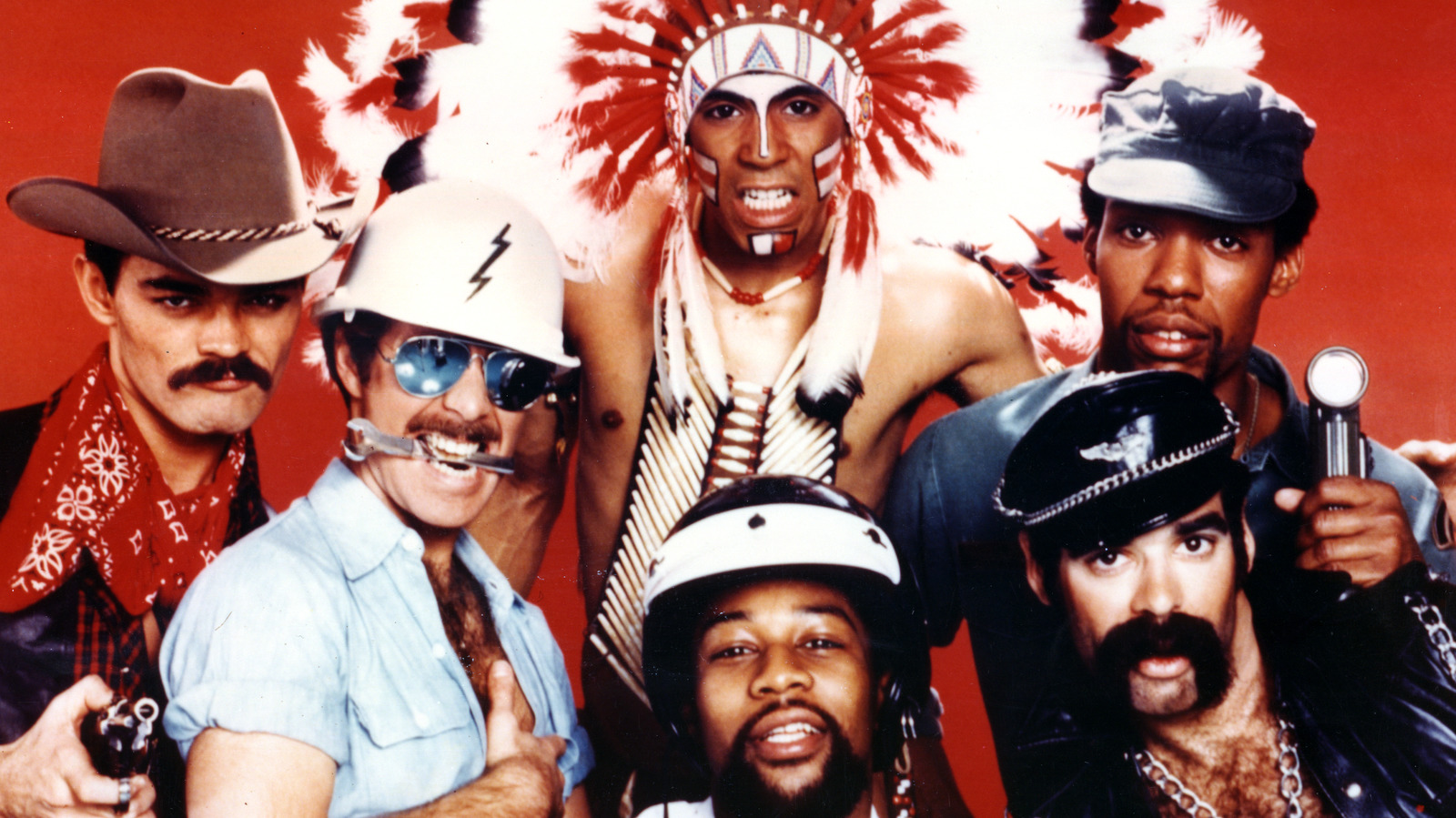
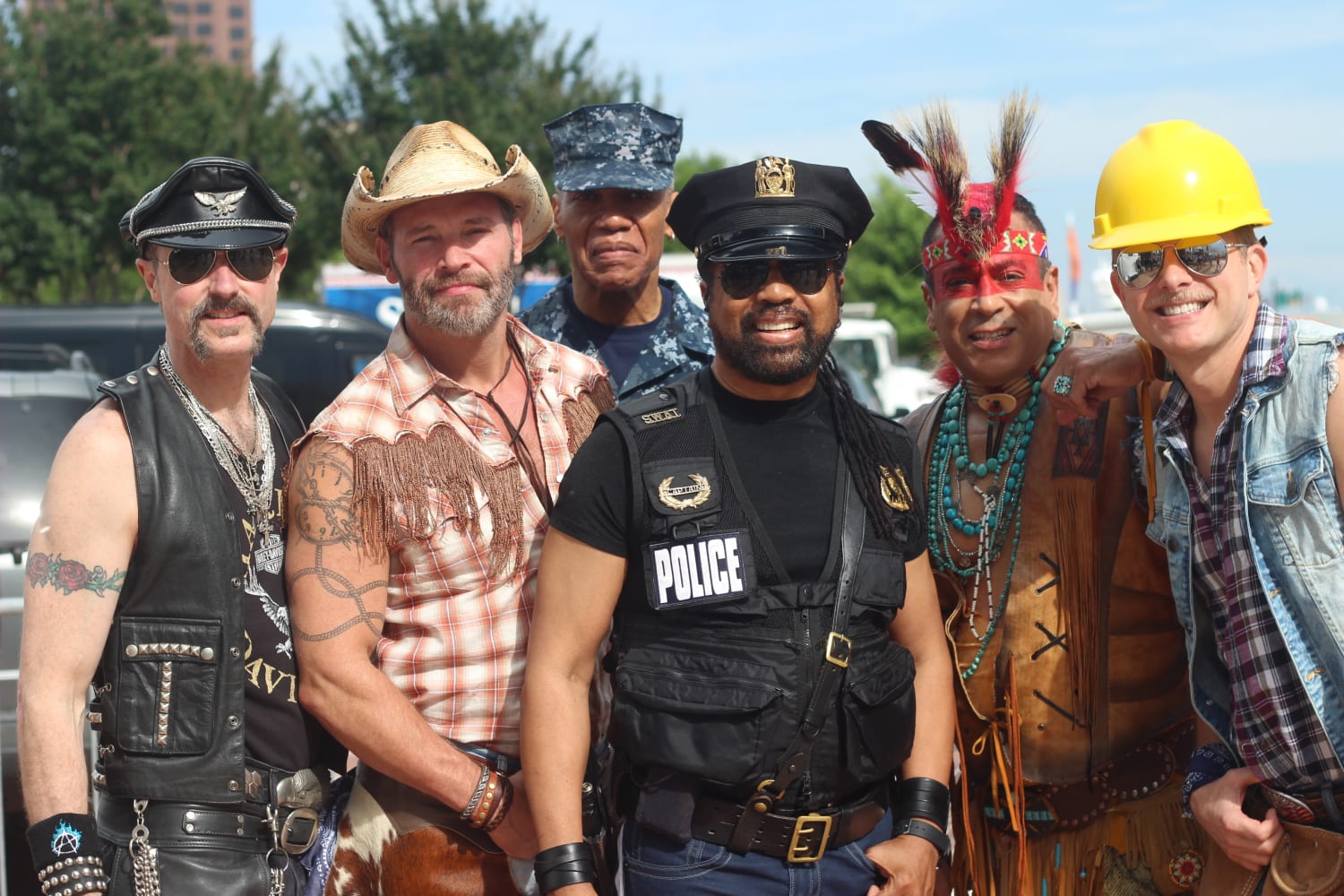
At the heart of the Village People’s success was the use of Jungian archetypes. By adopting the personas of the Policeman, the Native American, the Cowboy, the Construction Worker, the Biker, and the Soldier, the group tapped into a collective consciousness of hyper-masculine iconography. In branding terms, this is known as “category ownership.” Each member represented a distinct, recognizable “logo” in human form. This allowed the brand to be easily understood across language barriers and cultural divides, facilitating rapid global expansion.
Crafting a Universal Visual Identity
The visual consistency of the group is perhaps their greatest branding asset. Unlike other bands of the 1970s that evolved their looks to match changing fashions, The Village People remained static. This rigidity was intentional. By maintaining a strict “uniform,” the group ensured that the brand remained evergreen. When a consumer sees a hard hat and a mustache in a specific context, the Village People brand is immediately invoked. This level of “brand salience” is what modern corporations strive for when designing logos that remain unchanged for decades.
Navigating the Legal Landscape of Brand Ownership
What happened to the group during the 80s, 90s, and 2000s is largely a story of legal maneuvers and trademark disputes. As the original disco fever waned, the value of the group shifted from their current output to their “back catalog” and the rights to the name and likenesses.
The Battle for the Name
For many years, the brand was embroiled in a series of disputes regarding who had the right to perform under the name “The Village People.” This is a common challenge in “Legacy Brands,” where the original founders or creators clash with the performers who helped build the brand’s value. The trademark was held by Can’t Stop Productions, the company formed by Morali and Henri Belolo. This structure meant the performers were essentially “brand ambassadors” or contractors rather than owners, a move that allowed the brand to survive even as individual members were replaced.
Copyright Termination and the Return of Control
A landmark moment in the brand’s history occurred when Victor Willis, the original lead singer and “Policeman,” successfully utilized the “termination rights” provision of the 1976 Copyright Act. This allowed him to reclaim his share of the rights to the group’s biggest hits, including “Y.M.C.A.” and “In the Navy.”
From a brand strategy perspective, this represented a “hostile takeover” of sorts from within. Willis’s legal victory didn’t just win him royalties; it gave him the leverage to reclaim the helm of the brand itself. Today, the “official” Village People brand is led by Willis, ensuring that the creative voice behind the brand’s inception is once again its primary steward. This highlights a vital lesson for modern creators: in the world of branding, the person who controls the IP ultimately controls the narrative.
Brand Adaptation in the Digital Age
The survival of The Village People into the 2020s is a testament to the brand’s ability to adapt to new media landscapes while keeping its core identity intact. They have moved from being a recording act to becoming a “experiential brand.”
Sustaining Relevance through Pop Culture Synergy
The brand has maintained visibility through strategic licensing and high-profile placements. Whether it is the use of “Y.M.C.A.” at sporting events or its unexpected resurgence in political rallies, the brand remains in the public eye. While some might argue that controversial associations could “tarnish” a brand, The Village People have demonstrated a remarkable “brand resilience.” Because the archetypes they portray are so broad and the music is so ingrained in the public psyche, the brand is often viewed as being “above” the fray—a neutral, celebratory asset that belongs to the public as much as the owners.
The “Y.M.C.A.” Effect: Turning a Song into a Global Brand Asset
“Y.M.C.A.” is more than a song; it is a proprietary ritual. The associated arm movements constitute a “brand gesture” that is recognized worldwide. In the world of marketing, creating a physical action that consumers associate with your brand is the ultimate achievement in engagement. This “participatory branding” ensures that every time the song is played at a wedding or a stadium, the consumers are actively performing the brand’s identity. This has allowed the group to bypass traditional marketing spends; the audience does the marketing for them.
Lessons in Longevity for Modern Corporate Identity
The story of The Village People offers profound insights for modern businesses and personal brands. Their journey from a niche club act to a permanent fixture of global culture provides a blueprint for long-term brand sustainability.
Consistency vs. Evolution
Many brands fail because they pivot too drastically, losing their “brand DNA” in an attempt to stay trendy. The Village People took the opposite approach. By leaning into their kitsch and refusing to modernize their core visual assets, they became “vintage” rather than “dated.” They understood that their value lay in nostalgia and recognition. For a brand, knowing when not to change is often as important as knowing when to innovate.
Building a Community-Centric Brand
While the group was initially manufactured, they became a symbol for various communities, most notably the LGBTQ+ community. However, the brilliance of the brand strategy was its “inclusivity through ambiguity.” The lyrics were often coded, allowing the brand to appeal to a subversive underground audience while simultaneously being embraced by the mainstream as family-friendly entertainment.
This “dual-track branding” allowed the Village People to occupy two market segments at once. Modern brands often struggle with this balance, fearing that appealing to one demographic will alienate another. The Village People proved that a strong, charismatic brand identity can bridge these gaps, provided the core message remains one of celebration and high-energy engagement.
The Future of the Village People Brand
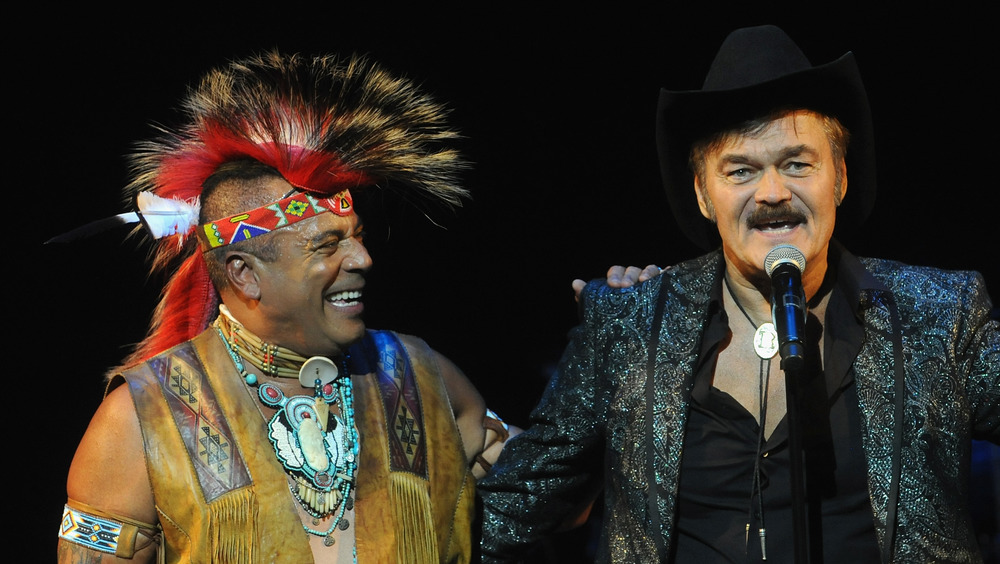
As we look at what happened to the Village People, we see a brand that has successfully transitioned from a group of individuals to a permanent cultural institution. Today, the brand operates with a focus on live performance and the protection of its massive intellectual property portfolio.
The lesson for the modern era is clear: products may have a shelf life, but well-constructed brands can live forever. By anchoring their identity in universal archetypes, maintaining a consistent visual language, and fiercely protecting their legal rights, the stewards of The Village People have ensured that the brand remains as potent today as it was in 1978.
In the end, the Village People did not disappear; they evolved into a corporate entity that exemplifies the power of a “visual-first” strategy. They are a reminder that in a crowded marketplace, the most distinct, consistent, and easily understood identities are the ones that endure. Whether through the lens of copyright law or market psychology, The Village People remain a definitive case study in the art of the brand.
aViewFromTheCave is a participant in the Amazon Services LLC Associates Program, an affiliate advertising program designed to provide a means for sites to earn advertising fees by advertising and linking to Amazon.com. Amazon, the Amazon logo, AmazonSupply, and the AmazonSupply logo are trademarks of Amazon.com, Inc. or its affiliates. As an Amazon Associate we earn affiliate commissions from qualifying purchases.